Cow Cave (Laroque II): A Prehistoric Cave Site in Hérault, France
Site at a Glance
- Popularity
- Low
- Country
- France
- Primary era
- Stone Age
- Eras represented
- Stone Age
- Civilizations
- Unclassified
- Site type
- Civic
- Remains
- Rock Art
On this page4 sections
History
Cow Cave (Laroque II) is a prehistoric cave at Laroque in Hérault, France. Finds connect it with the Solutrean and Magdalenian, archaeological cultures of the European Upper Paleolithic. Middle and Upper are labels for phases within the Magdalenian. The cave is the only site in Hérault with traces of Upper Magdalenian cave-wall art.
Archaeological research
Paul Gervais and Cazalis de Fondouce excavated the cave during the nineteenth century. Eugène Gimon published its first article in 1905 in the Bulletin of the French Prehistoric Society.
In 1955, A. Nourrit’s test excavations uncovered Solutrean material and identified an Upper Magdalenian industry. Georges Ravoux studied the excavated material, now held at the museum in Nîmes, and in 1966 attributed it to Magdalenian V, a phase classification within the Magdalenian. Michel Lorblanchet discovered the bovid engraving in 1967. In 1979, Frédéric Bazile’s rescue excavation distinguished two habitation levels, assigned to the Middle and Upper Magdalenian and separated by a layer without cultural material. The cave was listed as a historic monument on 28 May 1990.
Remains
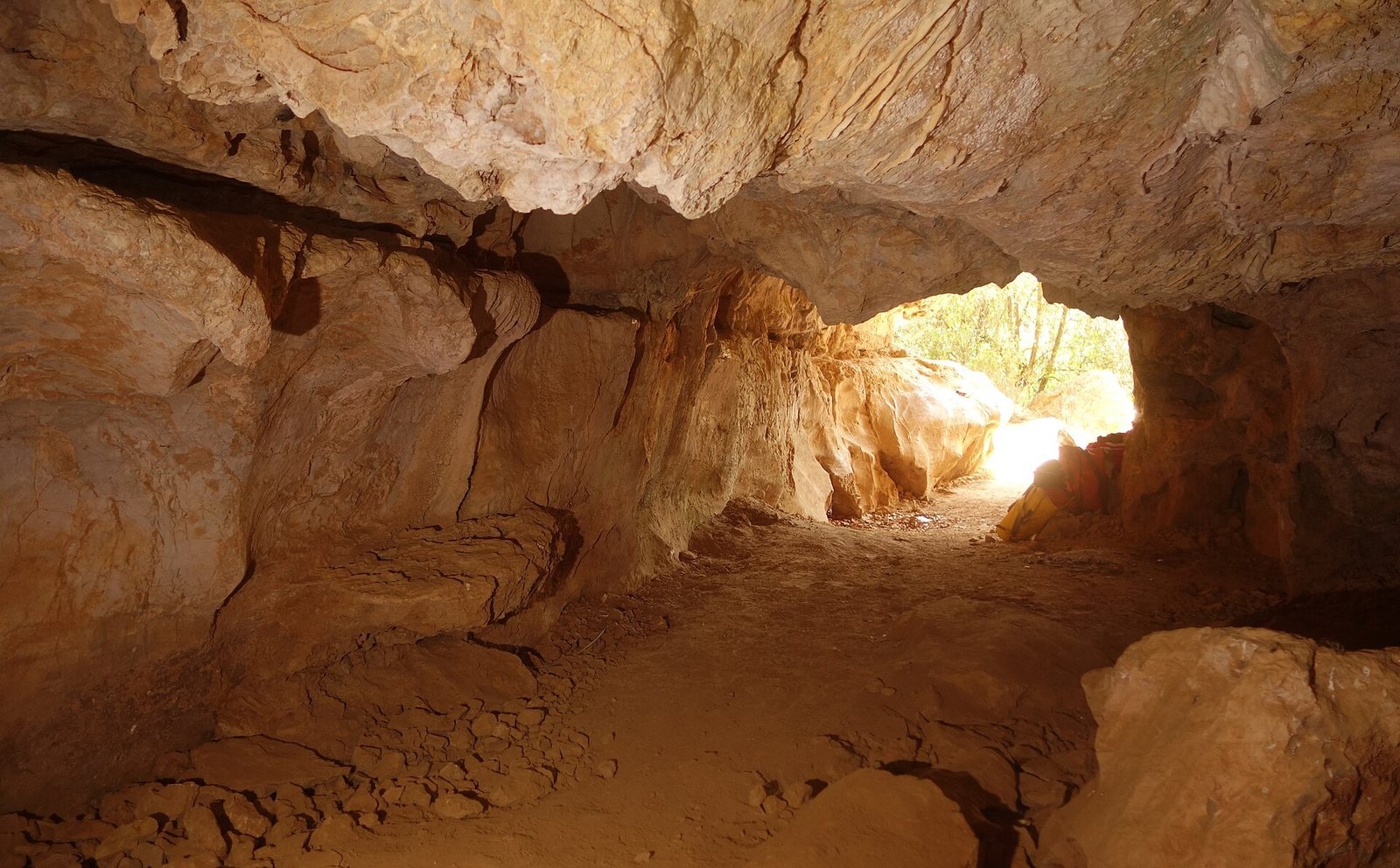
Formed during the Jurassic, the cave opens in Jurassic limestone in the Thaurac massif and Hérault valley. It lies on the left bank of the Hérault River, near the Lauriers, Maire, and Renard caves. Its entrance is at an elevation of 210 m, and its known length is 18 m.
Engraving and finds
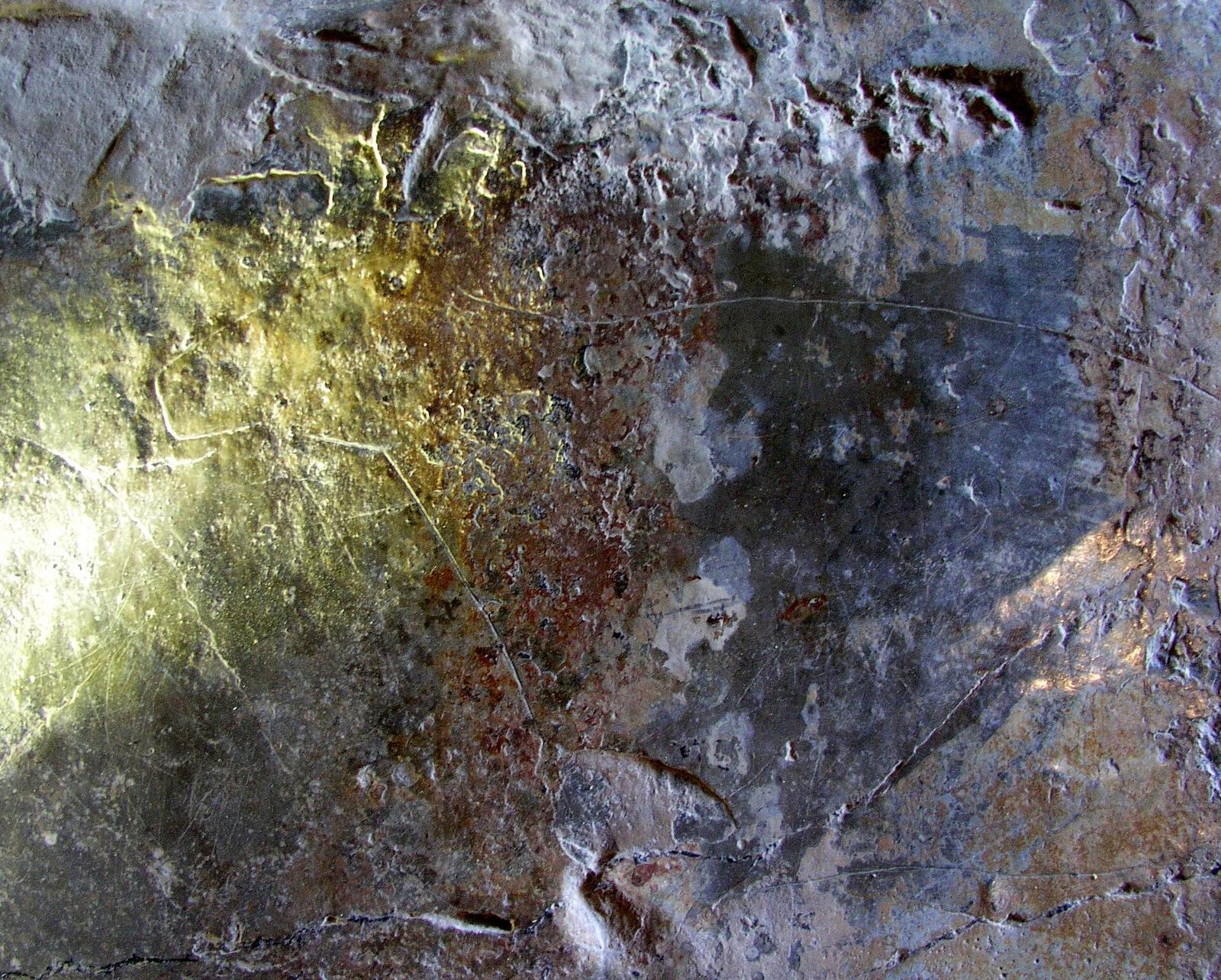
The cave’s delicate engraving depicts a 40 cm bovid, an animal from the cattle family, in profile. Signs and strokes accompany the figure, including an arrowhead-shaped mark at its neck. Michel Lorblanchet made a complete tracing. A calcite film over the engraving was regarded as evidence of its authenticity, and its style may place it in the Late Magdalenian. Finds from the cave also include a Solutrean laurel-leaf point.