Church of the Theotokos of the Sign in Zakharino: A Russian Orthodox Parish Church
Site at a Glance
- Popularity
- Low
- Country
- Russia
- Primary era
- Early Modern
- Eras represented
- Early Modern, Modern
- Civilizations
- Unclassified
- Site type
- Religious
- Remains
- Church
On this page8 sections
History
Origins and foundation
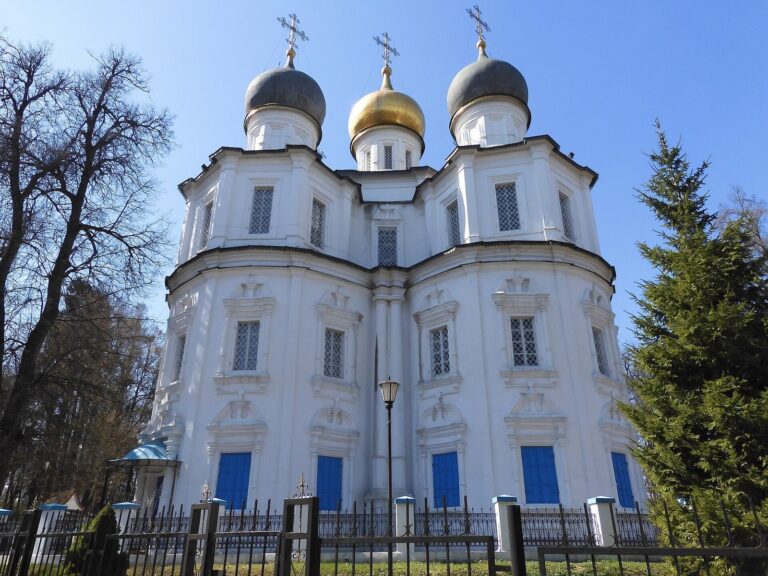
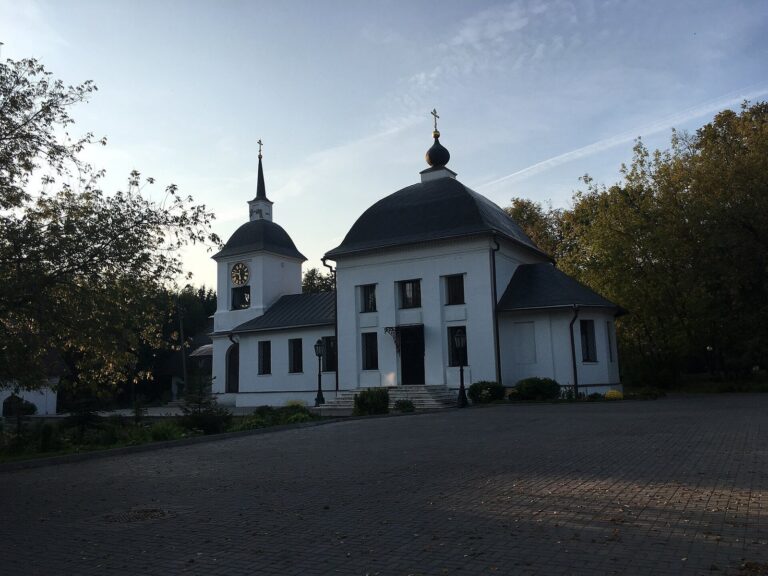
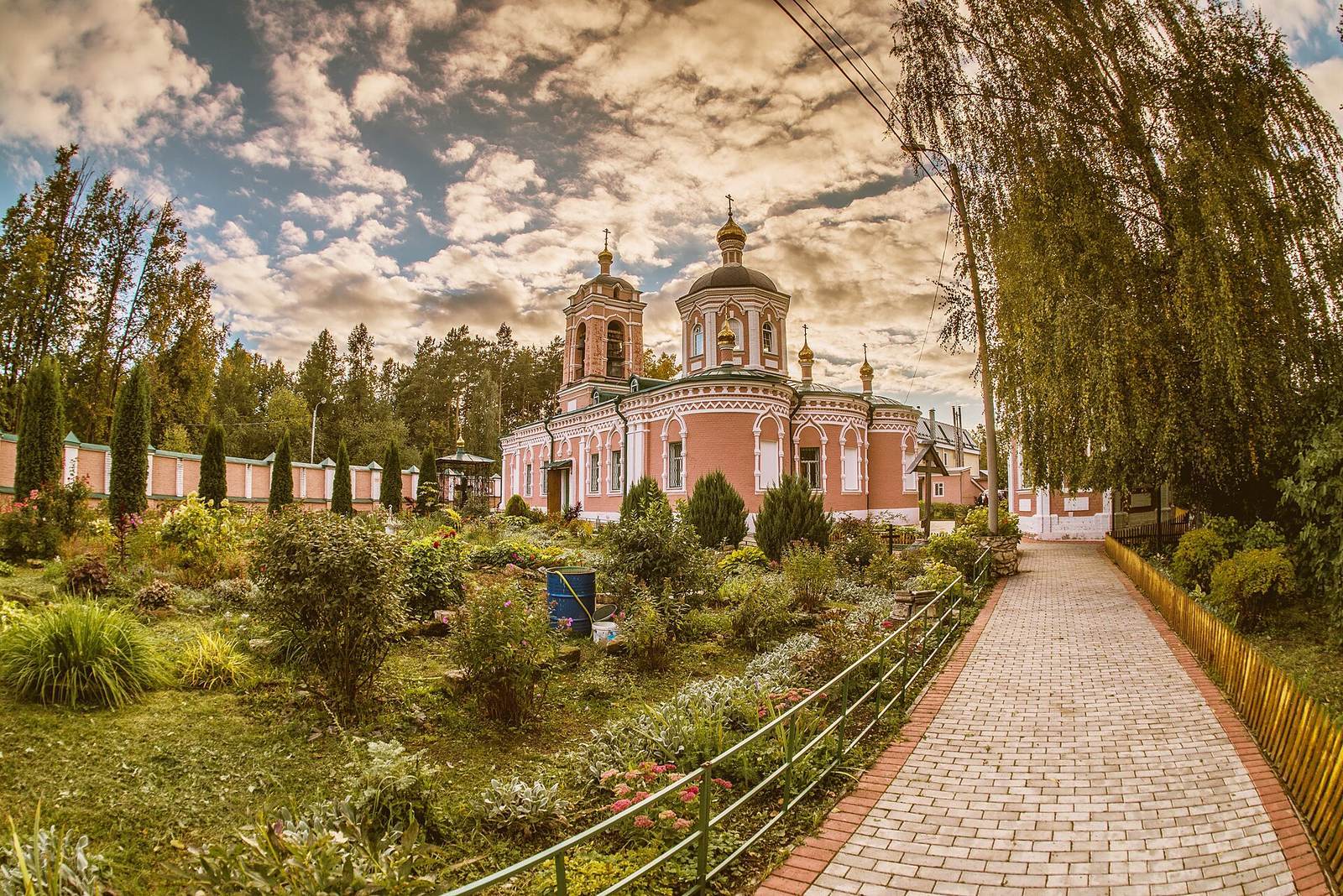
The Church of the Theotokos of the Sign in Zakharino, Russia, is a Russian Orthodox stone building erected in 1672 and later remodeled in the Russian architectural style. Theotokos is the Eastern Christian title for Mary, mother of Jesus, while the Sign is a title for a Marian icon in Orthodox tradition.
In the 14th century, the lands around Zakharino belonged to Fyodor Byakont, a boyar, or high-ranking aristocrat, and father of Metropolitan Alexius, an Orthodox church leader later venerated as a saint. In 1648, the village owner T. F. Butyrlin, a senior court official, ordered a wooden church dedicated to the Nativity of Christ. Prince Grigory Romodanovsky later commissioned a stone church on the same site.
Nineteenth-century changes
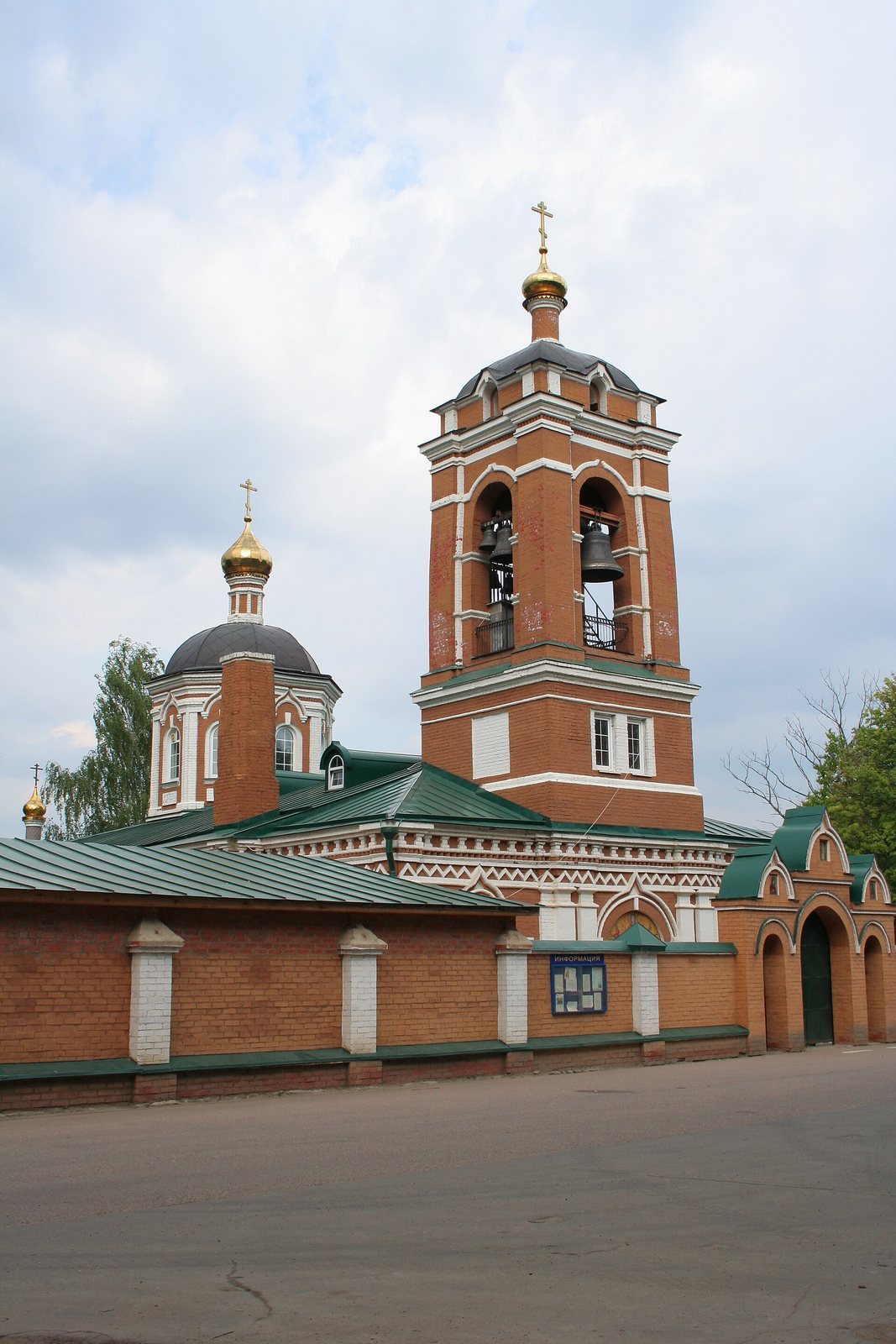
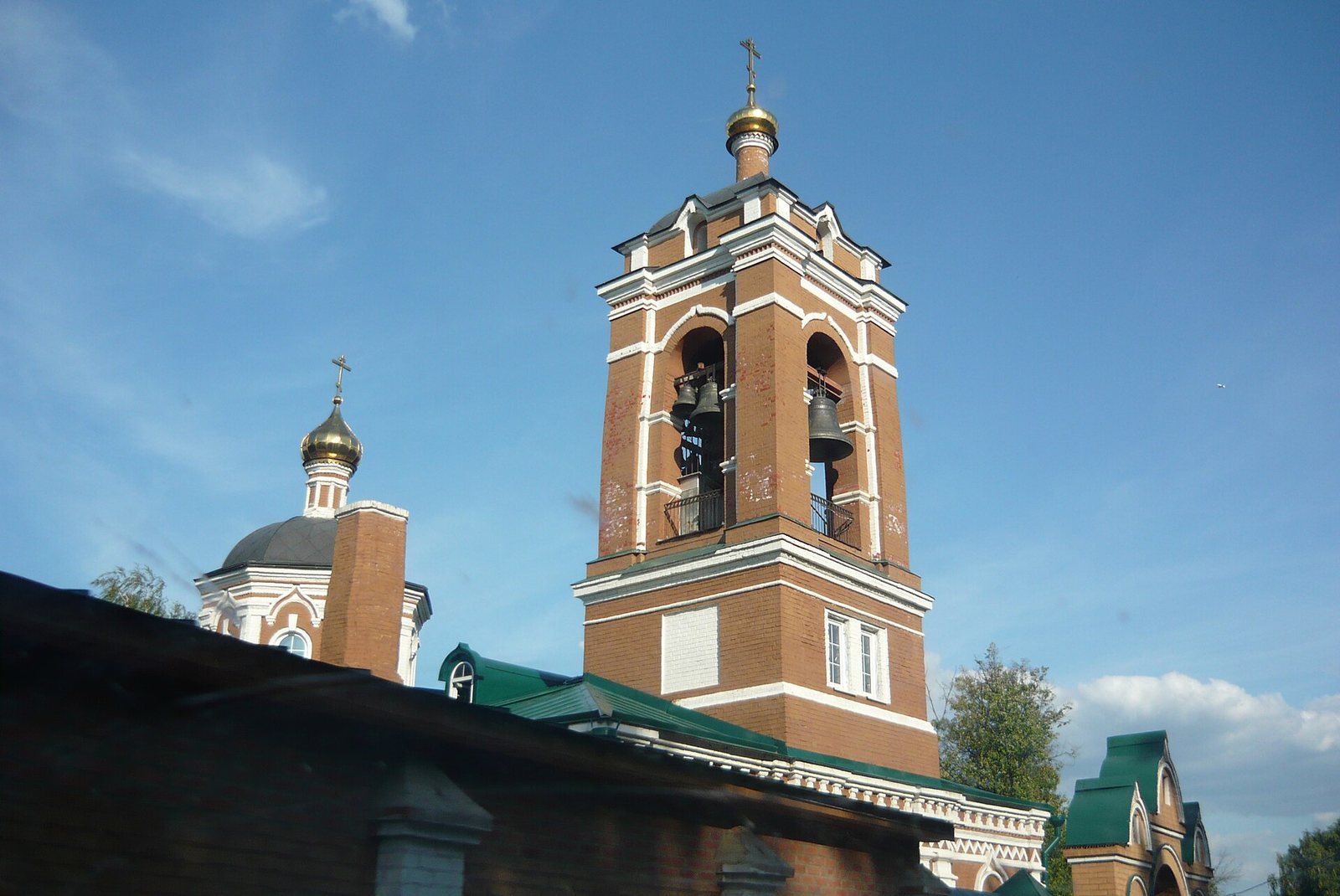
In 1897, the church was remodeled in the Russian architectural style. Earlier in the century, its interior and associated buildings had also been altered, including the addition of side chapels and a parish school.
Religious and secular use
The church remained in religious use until 1940, when the building was converted to a film repository. It was returned to the Russian Orthodox Church in 1991 and is active today within the Moscow Patriarchate and Moscow Diocese, as part of the Paraskevo-Pyatnitsky deanery, an ecclesiastical district.
Remains
Church and associated building
Church
The church has a single dome and a principal altar, with two side chapels added in 1848 to enlarge the interior. The principal altar is dedicated to the Icon of the Theotokos of the Sign. The chapels are dedicated to Saint Nicholas the Wonderworker, also known as Saint Nicholas of Myra, and Saint Joseph the Hymnographer, a Byzantine monk known for composing religious hymns.
In 1880, F. I. Sobolev financed the repainting of the interior. He was a first-guild merchant, a member of the highest formal merchant rank in imperial Russia.
Parish school
A parish-school building was erected beside the church in 1883, with its construction financed by Sobolev.