Church of St. Margaret in Graboszewo: A Medieval Wooden Parish Church
Site at a Glance
- Popularity
- Low
- Country
- Poland
- Primary era
- Medieval
- Eras represented
- Medieval, Early Modern
- Civilizations
- Kingdom of Poland, Polish–Lithuanian Commonwealth
- Site type
- Religious
- Remains
- Church
On this page8 sections
History
Parish and medieval church
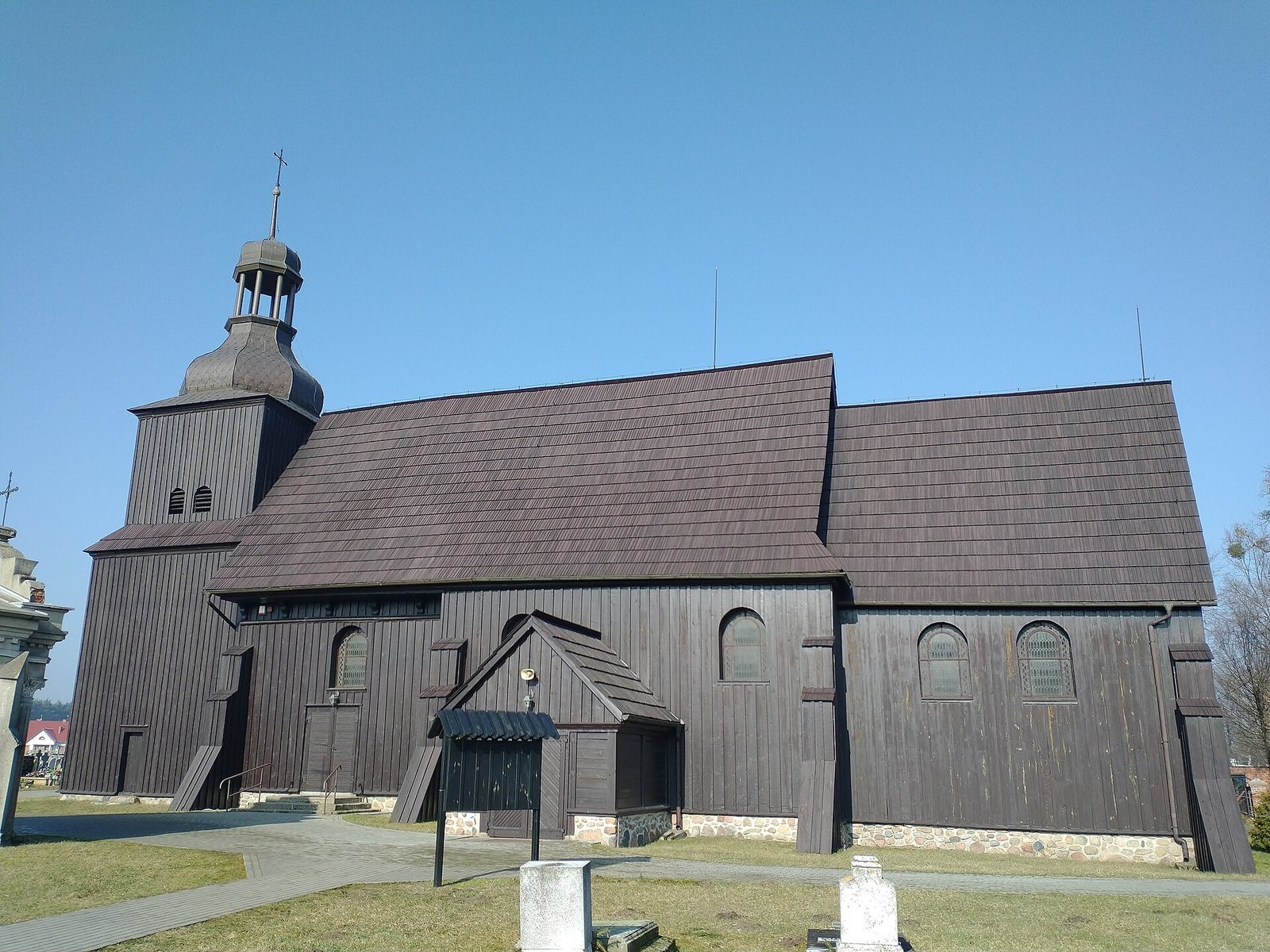
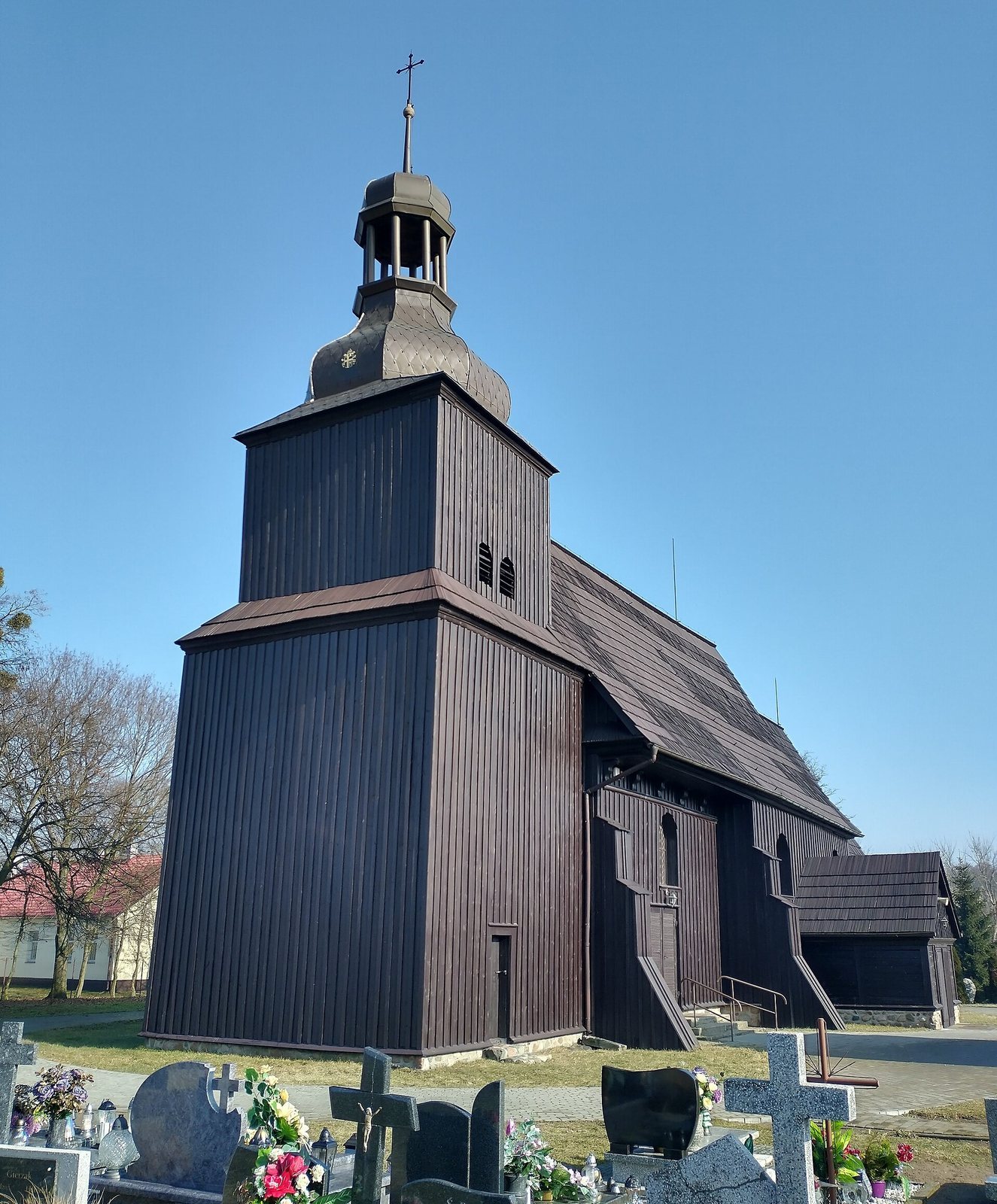
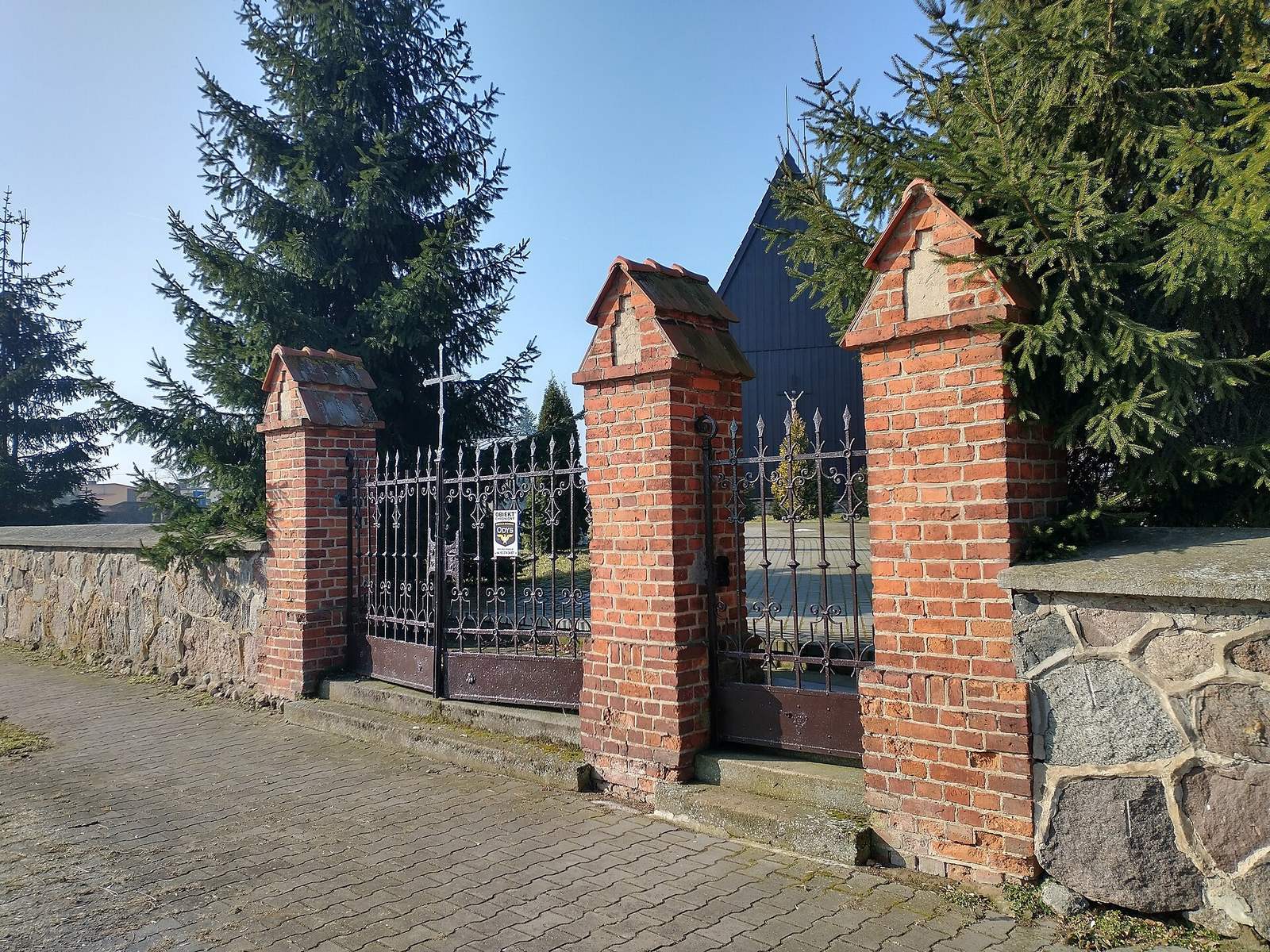
The Church of St. Margaret in Graboszewo is a wooden Roman Catholic church in Poland, built in 1353 with funding from Wilibrordus Młodziejewski, owner of nearby Młodziejewice. The parish was established in 1337, but its first church has not survived. The present building was once dated to 1520 or the second half of the sixteenth century. St Margaret, traditionally regarded as an early Christian martyr, is commemorated at the church on 20 July.
Expansion and later discoveries
The church was enlarged in the seventeenth century. Around 1649, or possibly in 1678, Krzysztof Marczewski funded a chapel dedicated to St Isidore the Farmer, a medieval Spanish saint associated with agriculture and rural workers. The nave was lengthened between 1759 and 1766. Gothic wall paintings came to light in 2021.
Remains
Church and chapel
The single-naved church is built of wood. A chapel dedicated to St Isidore the Farmer adjoins the nave on its north side, forming a distinct part of the building.
Altars and liturgical furnishings
The main altar dates to the beginning of the seventeenth century and is in the early Baroque style; its painting of St Margaret is Rococo. Three Baroque side altars and a Baroque pulpit also date to the seventeenth century. The church’s stone baptismal font was made in 1522, while its Gothic bell dates to 1415.
Paintings and memorials
Gothic wall paintings in several colors, dating to the turn of the fourteenth and fifteenth centuries, cover the chancel wall behind the main altar. A two-seat patron’s pew is decorated with painted plant motifs and Renaissance ornament, including the Korab arms of the Młodziejewski family and the Zaręba, Poraj, and Pomian arms. Above the chapel of St Roch, a medieval saint associated with protection from plague, is a Renaissance epitaph dated 1584. It depicts a crucifix and kneeling members of the Młodziejewski family.
Churchyard graves
Numerous tombs stand beside the church. Among them is the grave of Bohdan Hulewicz (1888-1968), a writer who took part in the Greater Poland Uprising, a Polish uprising against German rule in the region in 1918-1919.