Church of St Anne in Bogate: A Gothic Parish Church in Poland
Site at a Glance
- Popularity
- Very Low
- Country
- Poland
- Primary era
- Medieval
- Eras represented
- Medieval, Early Modern, Modern
- Civilizations
- Kingdom of Poland
- Site type
- Religious
- Remains
- Church
On this page10 sections
History
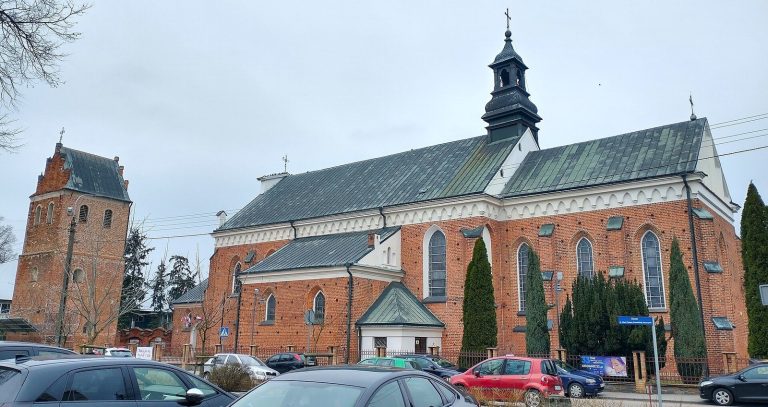
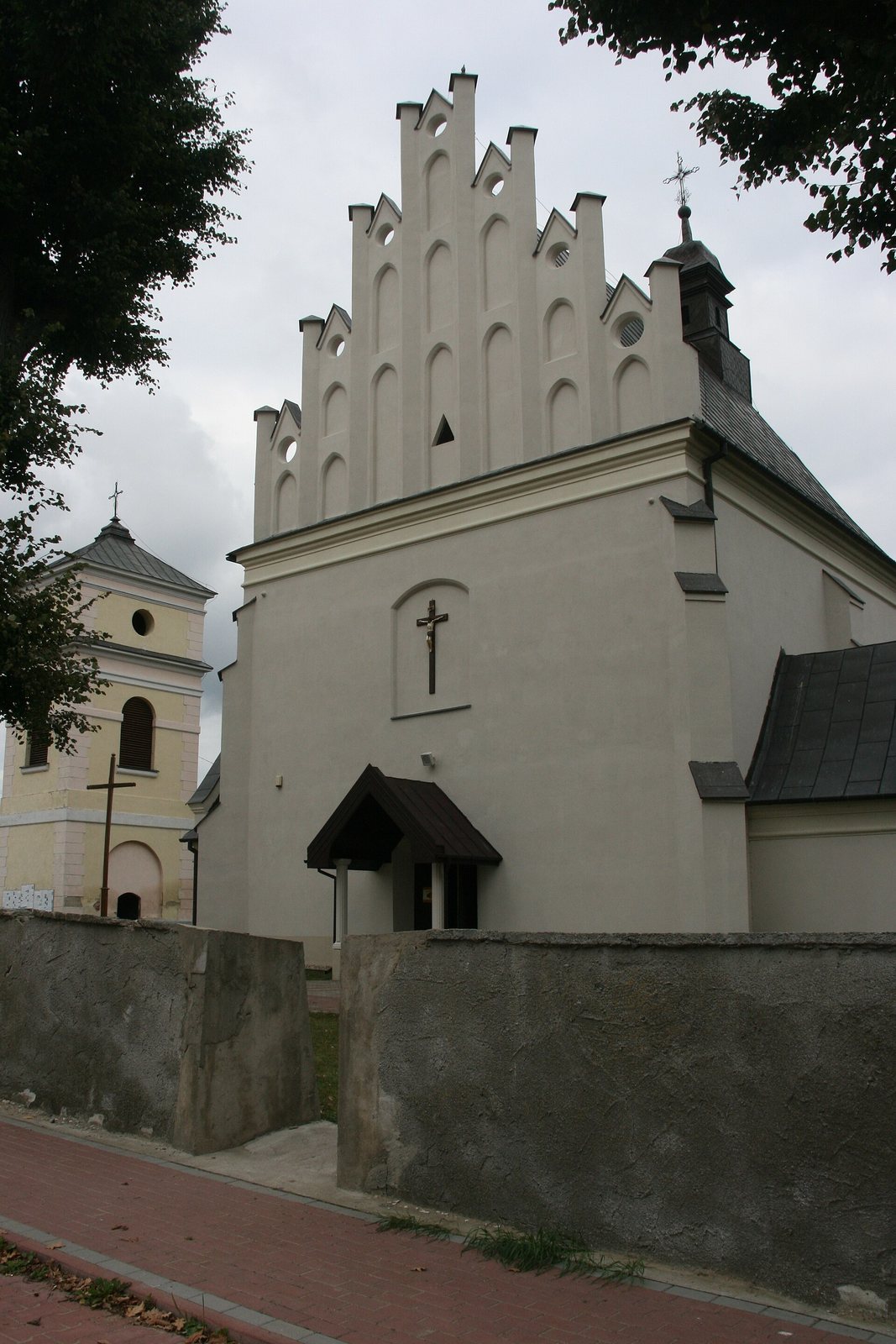
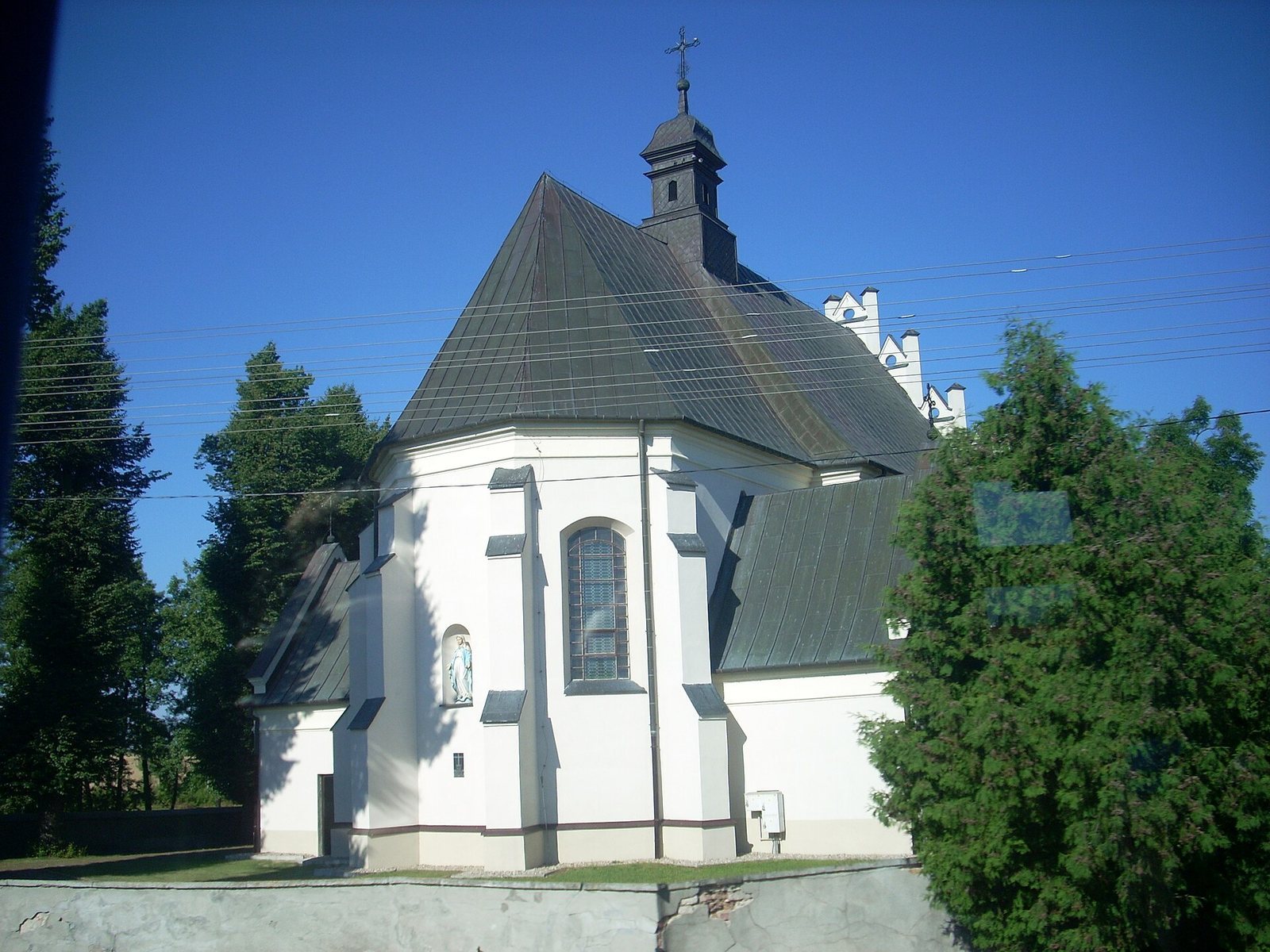
The Church of St Anne in Bogate is a Roman Catholic parish church in Poland, built before 1481 in Gothic style, a medieval architectural tradition. It belongs to the parish of St John the Evangelist in Bogate, within the Maków deanery, an administrative grouping of parishes, in the Diocese of Płock, an ecclesiastical district overseen by a bishop.
Medieval foundation
Mikołaj Wąż of Dobrzankowo funded the church’s construction. Its builder was probably Jan Zawisza, a mason from Bogate.
Eighteenth-century repairs
In 1781, Antoni Narzymski, then the owner of Bogate and a suffragan bishop of Pułtusk, paid for repairs and partial rebuilding. A suffragan bishop is an auxiliary bishop who assists a diocesan bishop.
War damage and later renewal
The church suffered partial damage during the First World War. Priest Walenty Mroczkowski oversaw repairs. After the Second World War, successive parish priests and parishioners continued to renew and improve the building.
Remains
Building and later work
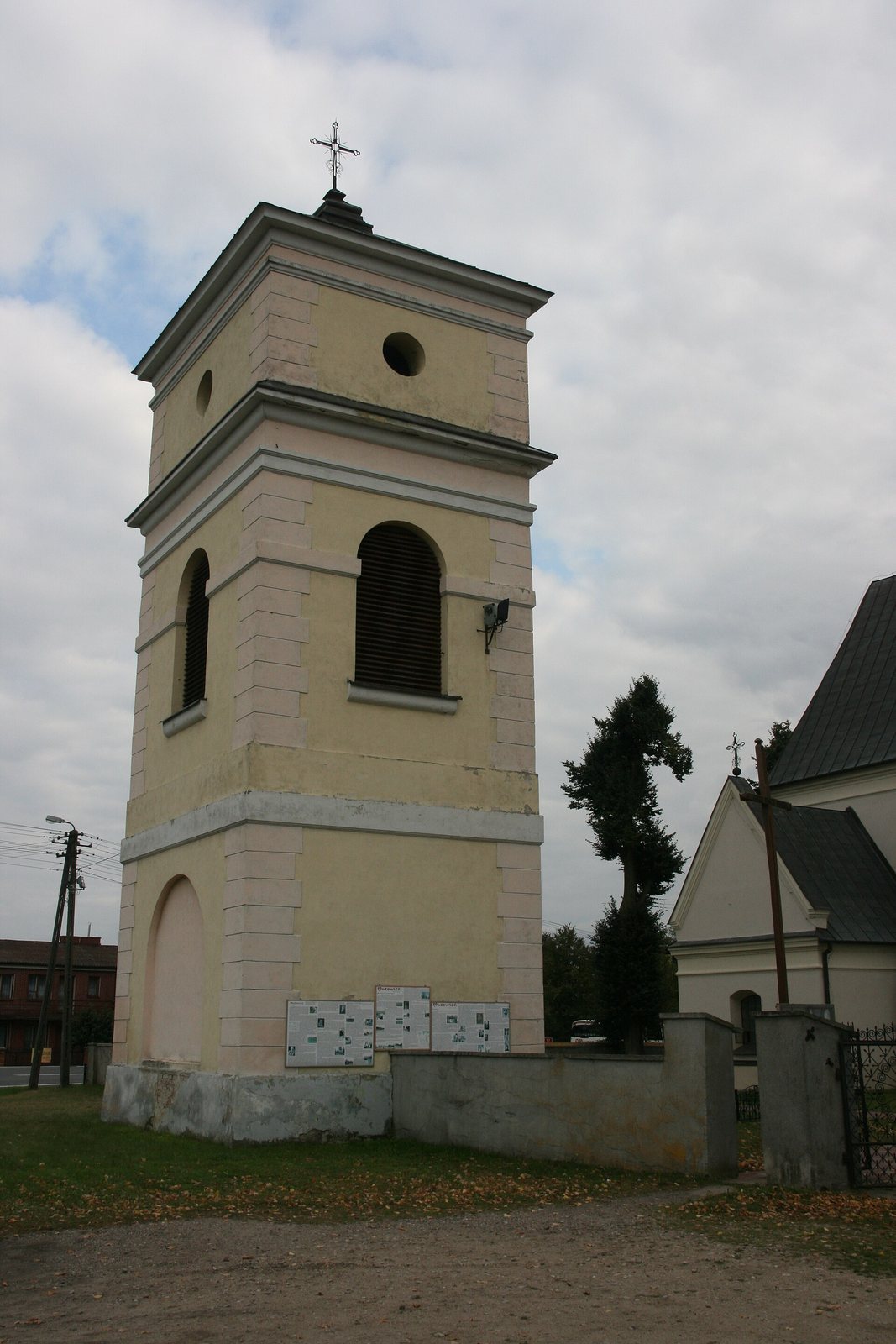
The church is a brick Gothic building with a small bell turret. Its roof is covered in copper sheet. Later work included repairs overseen by priest Wiesław Wiśniewski, façade renovation by priest Henryk Bogdan Lewandowski in 2010, and interior repainting by priest Cezary Olzacki and parishioners in 2014. Four stained-glass windows were installed in 2016.
Interior features
Altars
The interior has a main altar dedicated to the Holy Trinity, the Christian doctrine of one God in three persons: Father, Son, and Holy Spirit. The three altar dedications are associated with the Holy Trinity, St Anne, and St John the Apostle, whom Christian tradition identifies with St John the Evangelist. The main altar, built in 1927 to a design by Kraków architect Stefan Strojek, incorporates an eighteenth-century image of St Anne, restored by Gustaw Pilecki in 1966. Side altars installed in 1928 and 1930 were dedicated to Our Lady of the Rosary, a title for Mary, and St John the Evangelist, respectively.
Organ
Only the visible façade survives from the organ made by Mateusz Mielczarski in 1855. A ten-stop pneumatic organ was installed behind it in 1933, built by Wojciech Gadka’s workshop in Warsaw. In a pneumatic organ, air pressure operates the valves that direct wind to the pipes; stops control ranks of pipes.
Undercroft
The undercroft, a burial chamber beneath the church, is the burial place of Antoni Narzymski.