Toucy Castle: A Medieval Fortress in France



Site at a Glance
- Rating
- 4.3
- Popularity
- Very Low
- Country
- France
- Primary era
- Medieval
- Eras represented
- Medieval, Early Modern
- Civilizations
- French
- Site type
- Military
- Remains
- Castle
On this page14 sections
History
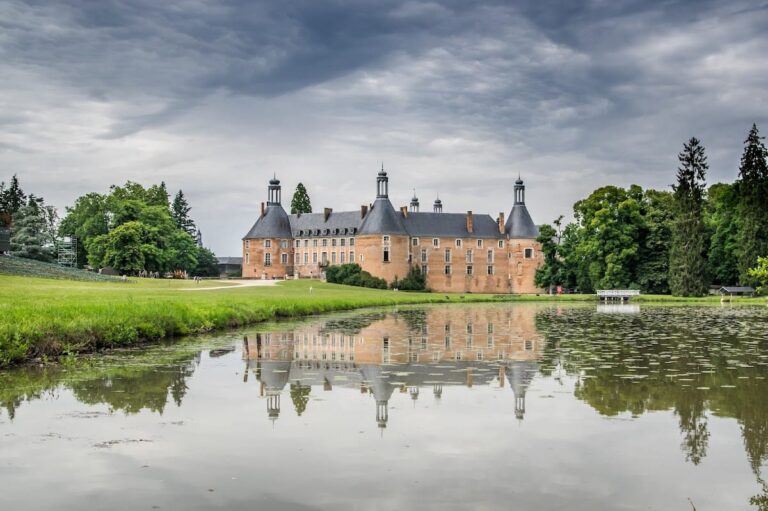
Toucy Castle is a medieval fortress in France, developed under the authority of the bishops of Auxerre and rebuilt as a stone stronghold around 1170 in the military architectural style of the period. It occupied a strategic site above the Ouanne and became the center of the barony of Toucy, a territory that was contested between the French kingdom and the duchy of Burgundy.
From Gallo-Roman Land to Episcopal Stronghold
In the fifth century, the land around Toucy belonged to a wealthy Gallo-Roman family from Appoigny. Its son Germain, later bishop of Auxerre and known as Saint Germain, bequeathed the property to the cathedral church of Saint-Étienne at Auxerre. Toucy still depended on the parish of Pourrain in 578, rather than forming an independent parish.
The first recorded castle was established in 980, when Héribert, bishop of Auxerre, raised a keep on a motte, a raised earthwork used as the base for a defensive structure. The castle served as a hunting base and as a means of protecting the surrounding territory. Episcopal castles could also become centers of resistance to their bishops, as well as bases for attacks on episcopal possessions and neighboring lands.
At the beginning of the eleventh century, Hugues, count of Chalon and bishop of Auxerre, created the barony of Toucy. He granted part of the territory as a fief, land held from a superior lord in return for obligations, to Ithier of Narbonne. The barony broadly corresponded to Puisaye, between the Ouanne and the Loing. The bishop of Auxerre remained the castle’s suzerain, while the Maison de Toucy, descended from the Narbonne lineage, held the barony and lived at the site.
Saint-Fargeau and the lordship of Puisaye were initially dependencies of the barony. During the war of 1060 between William III, count of Nevers, and Robert the Old, duke of Burgundy, allied with Count Thibaut of Champagne, Toucy was completely destroyed.
Rebuilding and the Barony of Toucy
Around 1100, Bishop Humbaud of Auxerre rebuilt the castle on a larger scale. He also added a seigneurial chapel that served as the parish church. The chapel remained connected with the castle and was later incorporated into the present church.
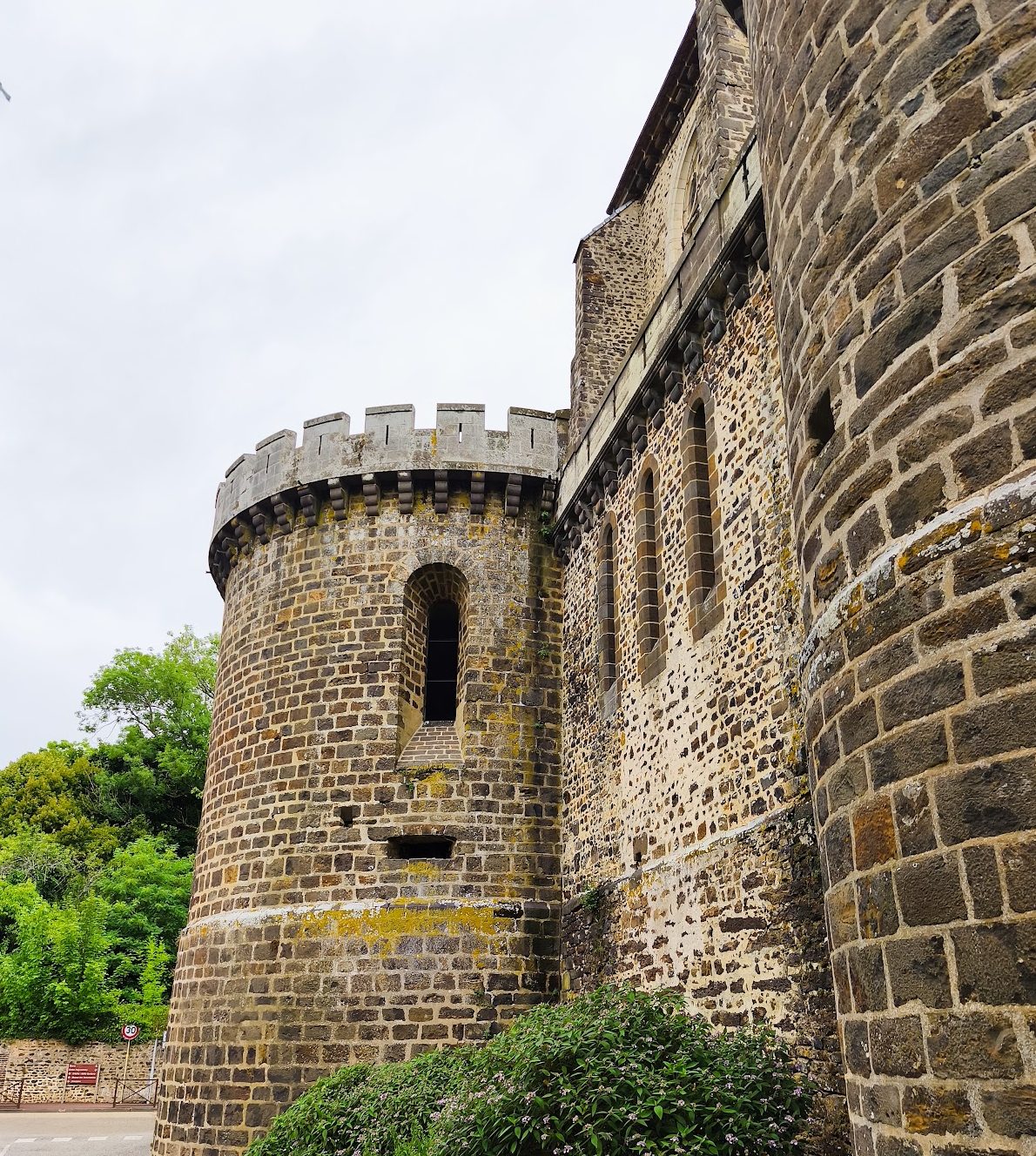
Around 1170, Baron Narjot II and his cousin Guillaume de Toucy, bishop of Auxerre, demolished Humbaud’s castle and replaced it with a stone fortress designed according to military principles. Fortifications were constructed around the whole town at the same time and completed by the beginning of the thirteenth century. Inside this enclosing defensive wall, Guillaume built the Petit Châtel, an episcopal residence, and a chapel that later became the collegiate church of Notre-Dame.
The lordship stayed with the Ithier and Narjot families for more than a century. In 1255, the marriage of Jeanne de Toucy to Thiébaut of Bar transferred the barony to the counts of Bar, who retained it until the fifteenth century.
Toucy in the Hundred Years’ War
Toucy’s position made it a long-standing point of dispute between the French kingdom and Burgundy. During the Hundred Years’ War, the prolonged conflicts between the English and French crowns, with Burgundy allied to England during the later phase, the town supported the king of France.
In 1420, Toucy resisted an attack by Marshal de l’Isle-Adam, who had been sent by Philip the Good, duke of Burgundy. After the Anglo-Burgundian victory at Cravant, an English detachment forced Toucy to surrender in August 1423. The town was then completely burned. Apart from the ramparts, almost nothing was saved, and the survivors apparently abandoned Toucy for many years. Joan of Arc passed through the town in February 1429 while traveling from Auxerre to Gien.
Fifteenth-Century Transfers and Later Change
Rebuilding followed the destruction. In 1434, Laurent Pinon, bishop of Auxerre, granted indulgences to people who contributed to the reconstruction of Notre-Dame of Toucy. Around the same period, he summoned the duke of Bar, then lord of Toucy, for the ceremony of his installation.
The Montferrat family later tried to sell Toucy and its associated lands. In 1442, Georges de La Trémoille agreed to purchase Toucy, Puisaye, Donzy, and Saint-Fargeau for 20,000 gold écus, but he did not pay. After Jean-Jacques de Montferrat died in 1445, his sons continued the attempted sale. On 18 May 1446, the castle was seized from Jean de Salazar, La Trémoille’s son-in-law, because he had not rendered the required homage to Bishop Laurent Pinon. Pinon nevertheless granted repeated delays until February 1449.
On 15 February 1450, the heirs of Montferrat sold the barony of Toucy to Jacques Cœur, treasurer of King Charles VII. He rendered homage for the barony that year. Following his arrest on 31 July 1451 and the confiscation of his property, Toucy, Saint-Fargeau, and Perreuse were recovered by Antoine de Chabannes, count of Dammartin-en-Goële.
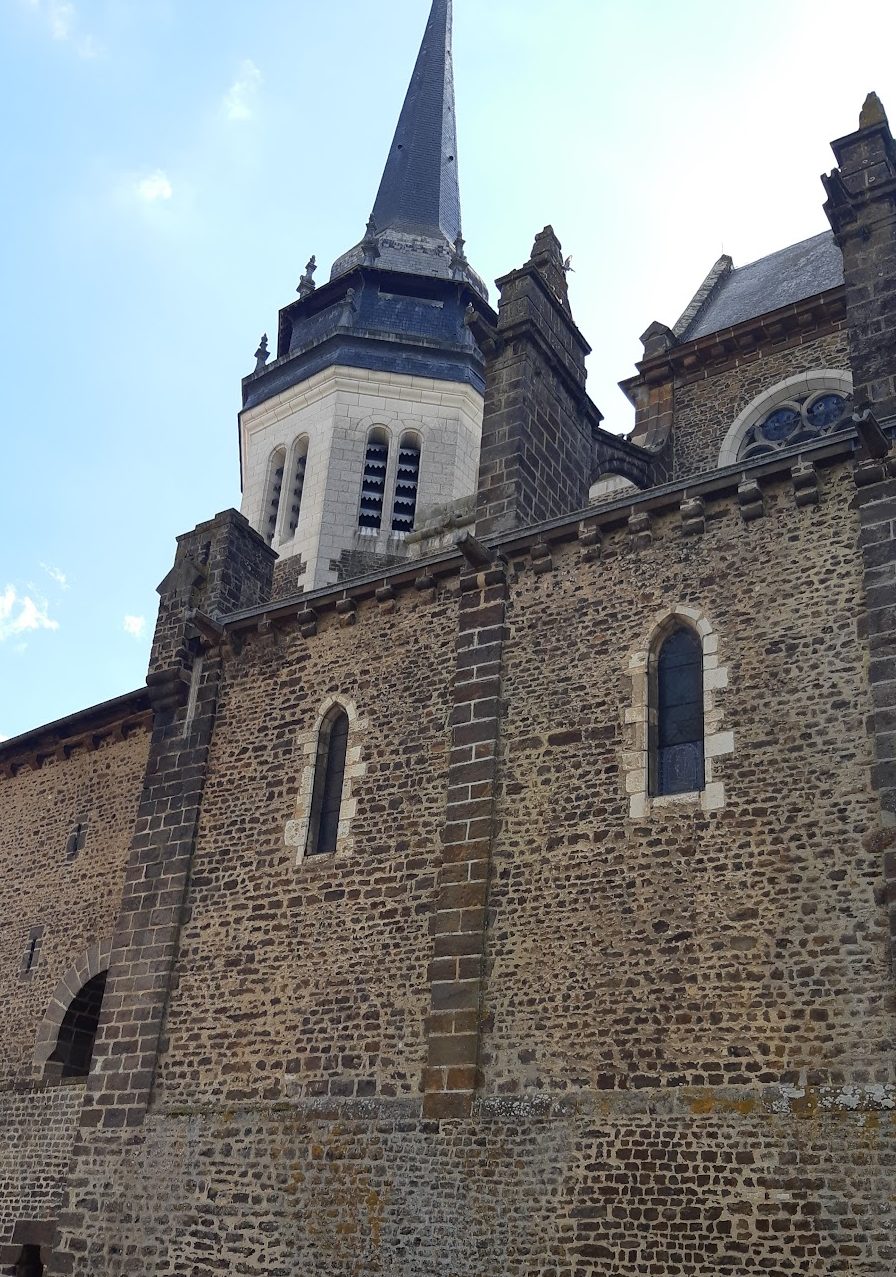
In the sixteenth century, a church was built against eleventh-century ramparts. It had the appearance of a small fortified structure. The collegiate church of Notre-Dame, descended from the chapel established within the town’s fortifications, was sold as national property and demolished in 1793.
Remains
The castle occupied a motte on a spur, a projecting ridge or elevated landform, on the right bank of the Ouanne. At this point the valley narrows beside a hillside formed partly of gaize, a porous silica-rich rock, and partly of chalk, a soft limestone. The surviving features reflect several building phases, from the earthwork keep of 980 to the larger fortress of around 1170, the town walls, and religious buildings connected with the castle.
Fortifications and Episcopal Buildings
Motte and Stone Fortress
The earliest defensive feature was the keep raised on the motte in 980. Bishop Humbaud’s rebuilding around 1100 enlarged the castle, before the structure was demolished and replaced around 1170 by a stone fortress. The later fortress formed part of a wider defensive scheme that enclosed the town and was completed by the beginning of the thirteenth century.
Town Enclosure
The enclosing fortifications surrounded the entire town. Their ramparts were the only substantial visible marker left after Toucy was burned in 1423, when the rest of the town was almost entirely destroyed. The enclosure also contained the Petit Châtel, an episcopal residence built by Guillaume de Toucy, together with a chapel that later became Notre-Dame’s collegiate church.
Tour des Évêques
A surviving castle tower known as the Tour des Évêques bears an inscription referring to the antiquity of the site. It forms part of the remaining evidence for the fortified complex that developed from the episcopal keep and was later rebuilt in stone.
Chapel and Churches
Seigneurial Chapel
The seigneurial chapel added by Bishop Humbaud around 1100 also served as the parish church. It was later incorporated into the present church, where it is known as the Seigneurs’ Chapel or the Chapel of the Blessed Sacrament. Its continued presence preserves a part of the religious complex associated with the medieval castle.
Sixteenth-Century Church
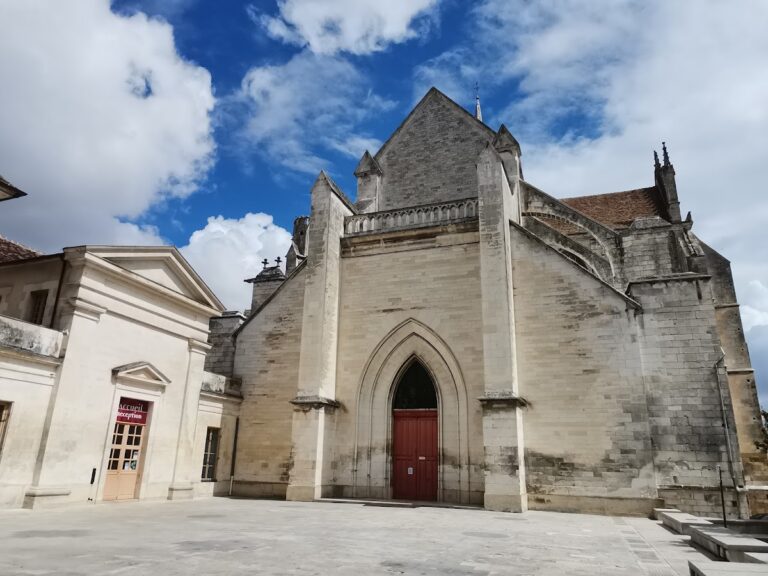
The church built in the sixteenth century was set against eleventh-century ramparts. Its form was described as resembling a small fortified castle more than a conventional religious building, linking the later church directly to the defensive fabric of the earlier settlement.
Collegiate Church of Notre-Dame
The later collegiate church of Notre-Dame developed from the chapel built within the town enclosure. A collegiate church was served by a college of clergy rather than by monks or a cathedral chapter. Notre-Dame was sold as national property and demolished in 1793.
Nearby sites