Fontaines Castle: A Rothschild Estate and Conference Campus
Site at a Glance
- Popularity
- Medium
- Country
- France
- Primary era
- Modern
- Eras represented
- Modern
- Civilizations
- French
- Site type
- Domestic
- Remains
- Castle
On this page5 sections
History
Construction and Rothschild residence
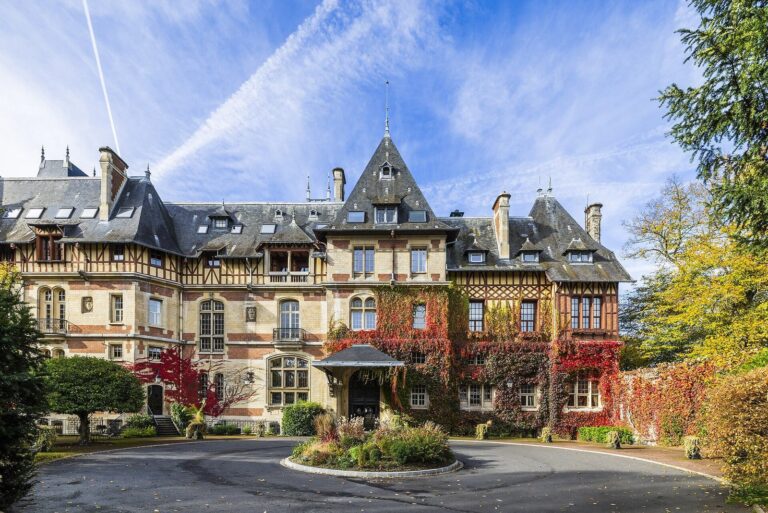
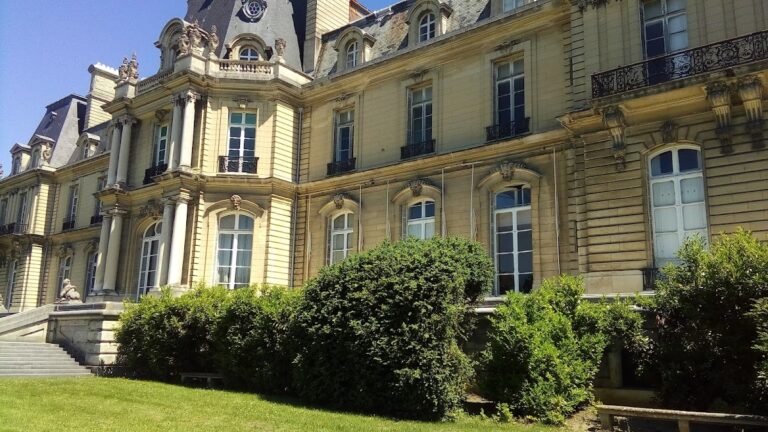
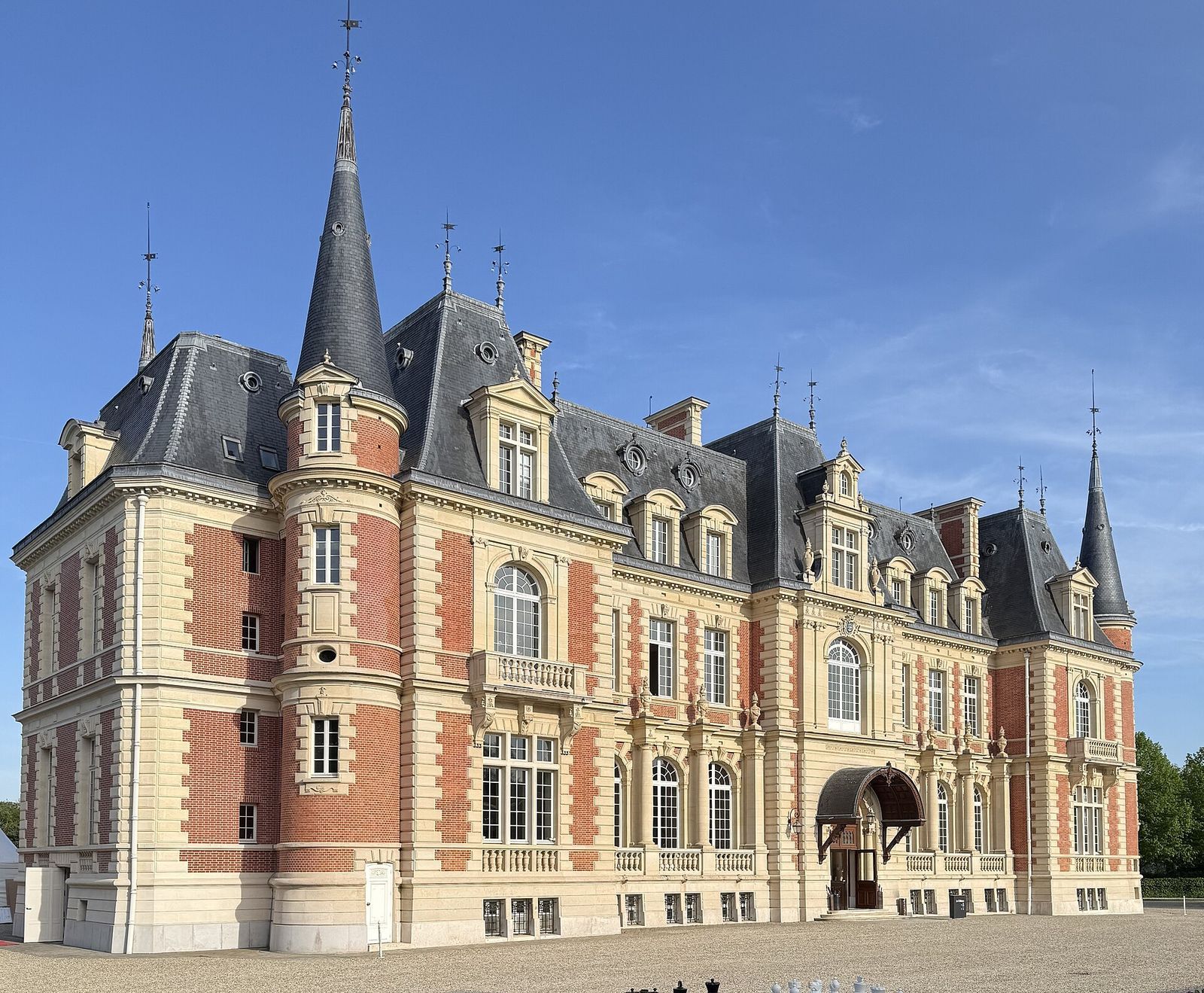
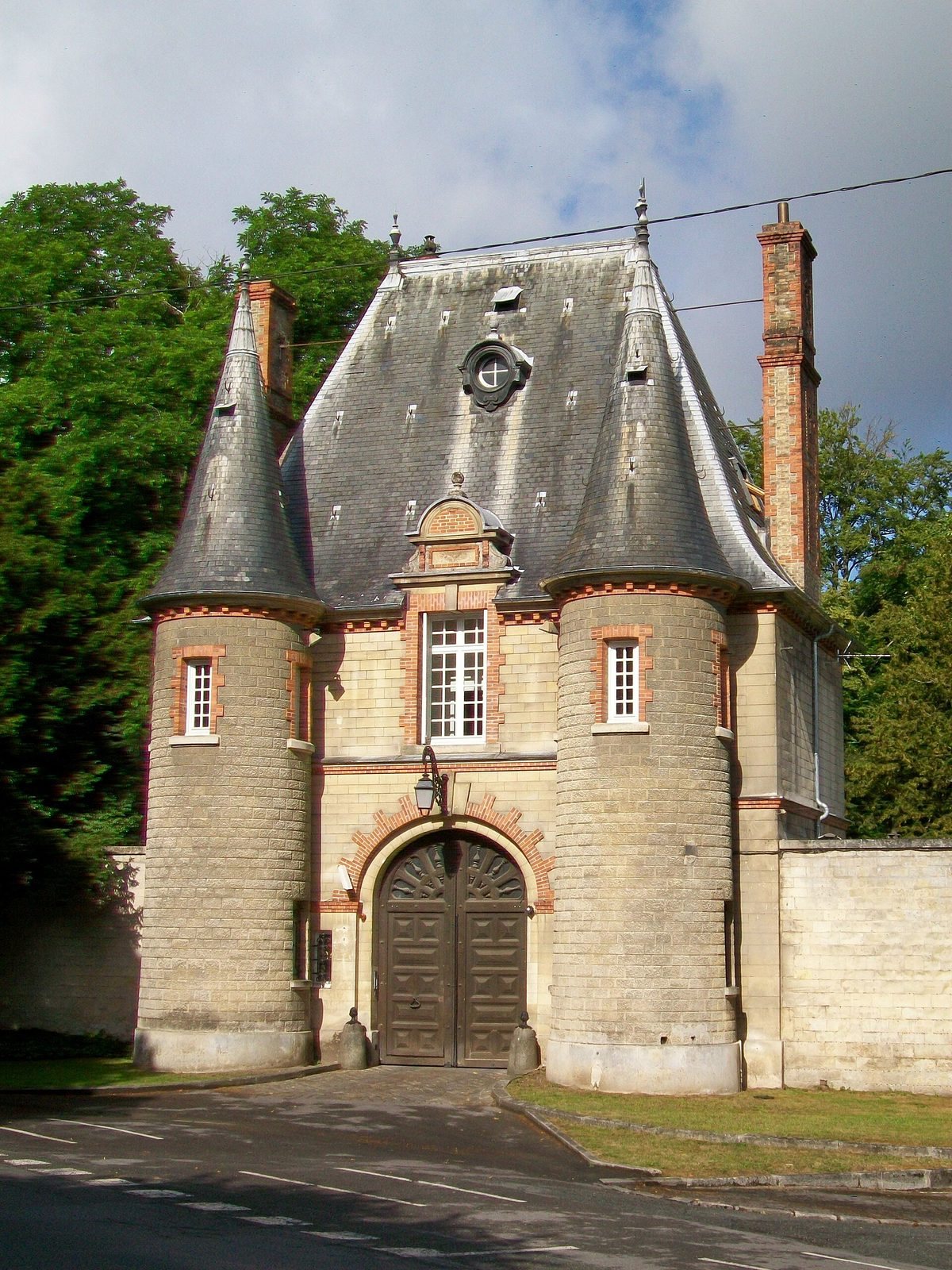
Fontaines Castle is an estate in Gouvieux, near Chantilly, France. Construction for Baron James Edouard de Rothschild began in 1879 and was completed in 1882 in a blend of medieval, early seventeenth-century, and Louis XIV styles. The Louis XIV style was the formal French court style associated with that king’s reign.
Architect Félix Langlais worked from James’s plans, and James also directed the house’s decoration and furnishing. His widow, Thérèse von Rothschild, used the estate as her summer residence until her death in 1931. She transferred it to their son Henri in 1895, when he married Mathilde Weisweiller. Henri rarely visited, while his son Philippe spent summers there with his grandmother.
Wartime occupation and Jesuit use
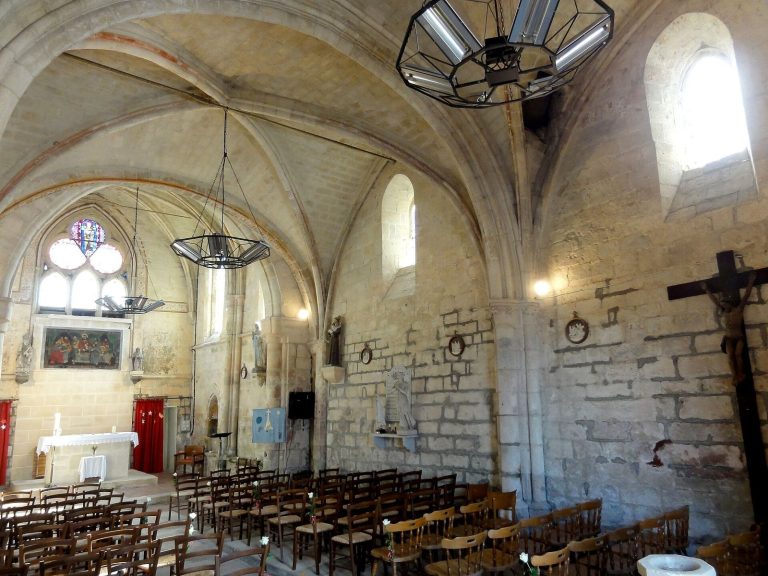
Nazi forces seized and occupied the château during the Second World War. In 1946, the Gouvieux-Chantilly missionary association acquired the property for use by French Jesuits, members of the Catholic Society of Jesus.
The Jesuits established a library and research centre at the estate, then opened the Centre Culturel des Fontaines there in 1970. Facing rising maintenance costs, they decided to sell in 1997. Their library, the Jesuit Collection of Les Fontaines, was transferred to Lyon’s municipal library.
Conference campus
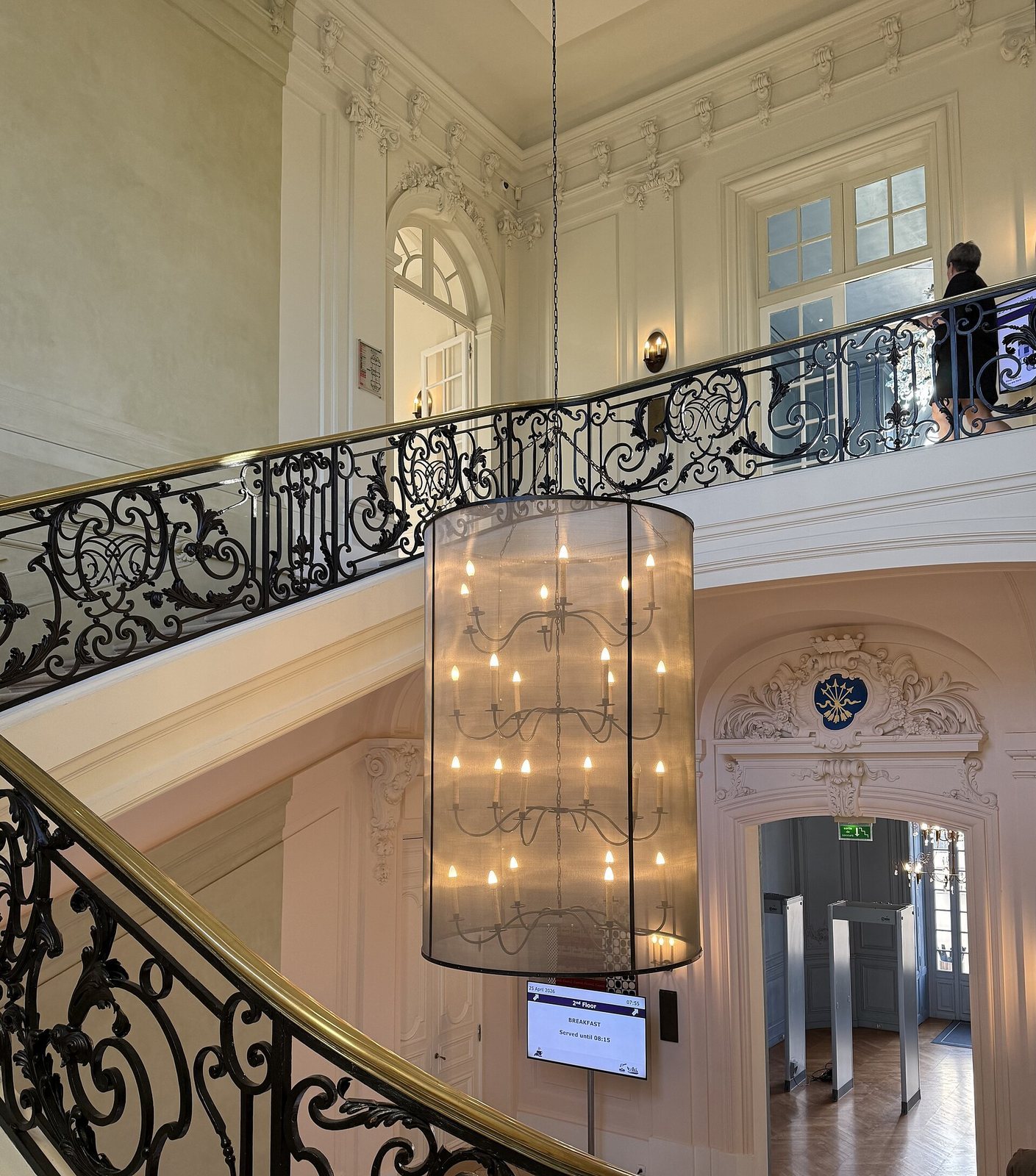
Capgemini acquired the estate in 1998 to redevelop it as a conference facility. The redevelopment, designed by the architecture firm Valode & Pistre, was completed in 2002. In November 2017, the conference campus was renamed in memory of Capgemini founder Serge Kampf, who had died the previous year.
Remains
The château’s design features steeply pitched roofs, stone and brickwork in multiple colors, and tall turrets. These elements accompany its combination of medieval, early seventeenth-century, and Louis XIV architectural influences.