Montvillargenne Castle: A Rothschild Residence in Gouvieux, France
Site at a Glance
- Popularity
- High
- Country
- France
- Primary era
- Modern
- Eras represented
- Modern
- Civilizations
- French
- Site type
- Domestic
- Remains
- Castle
On this page5 sections
History
Residence and abandonment
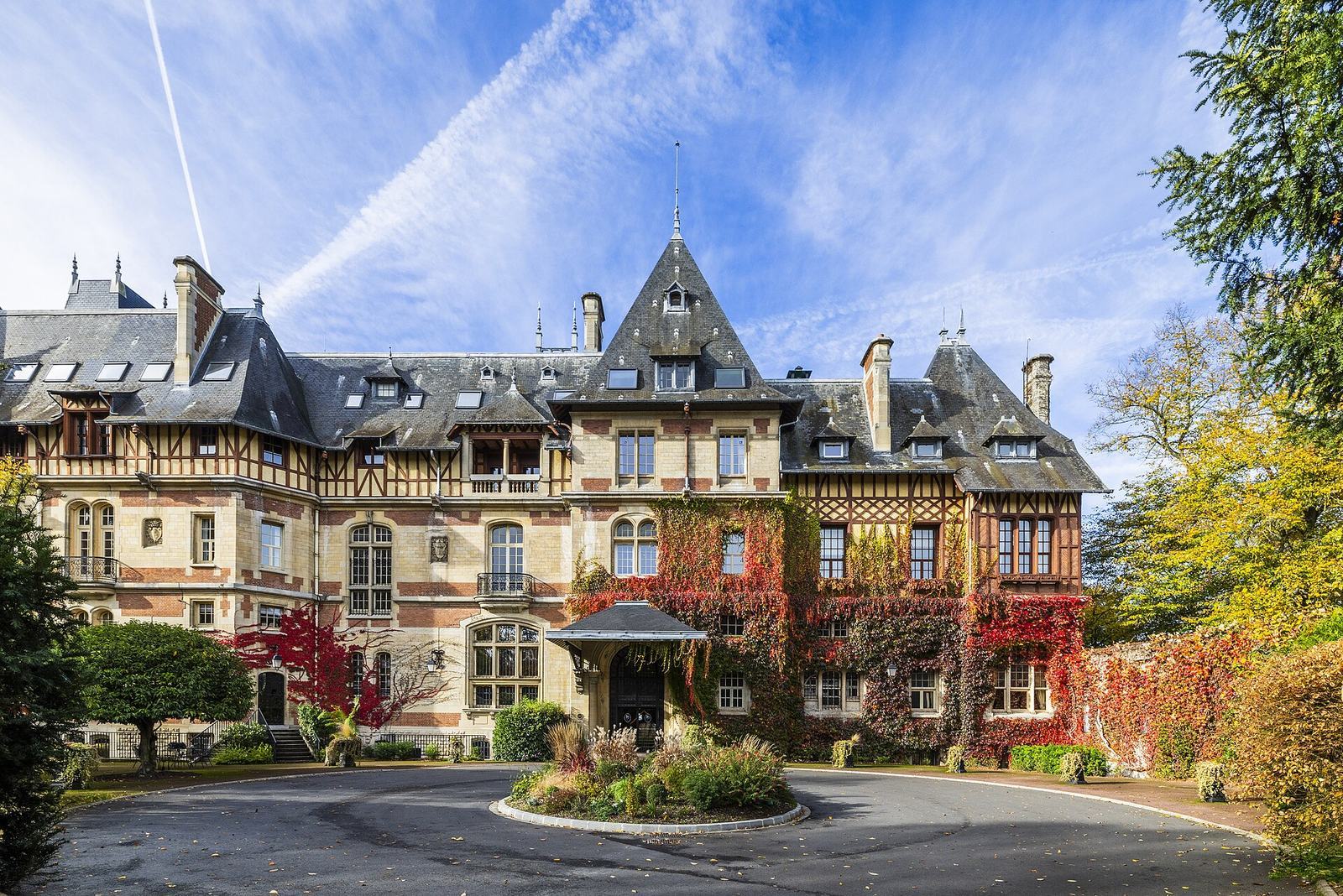
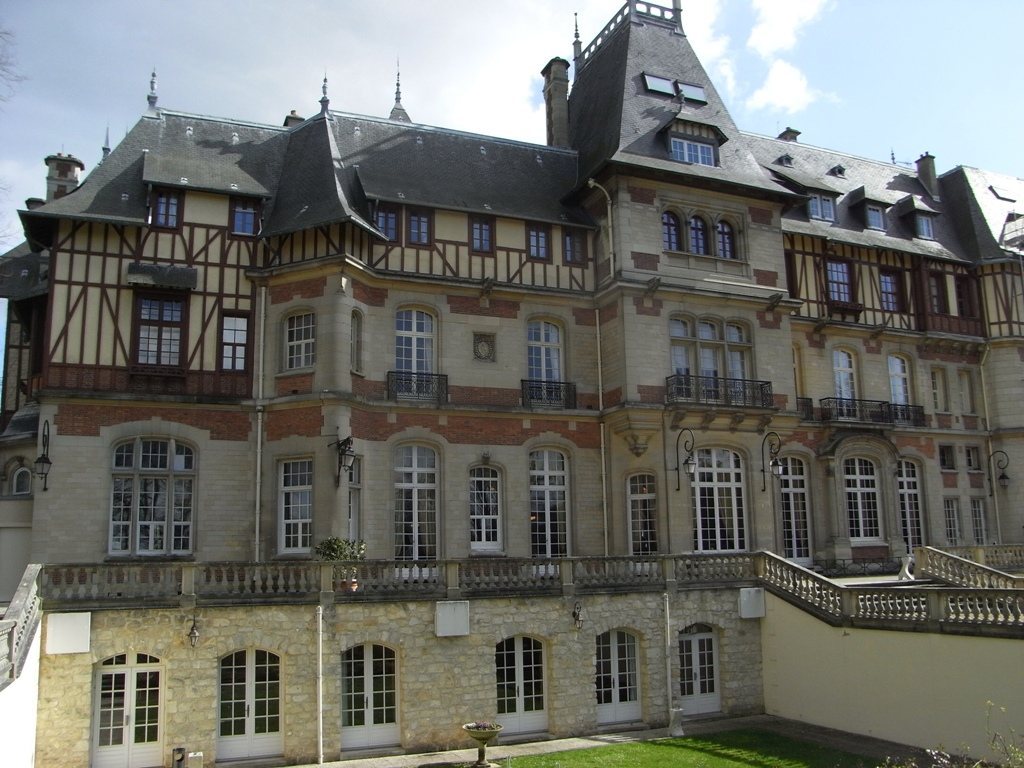
Montvillargenne Castle is a residence built in 1911 for Jeanne de Rothschild in Gouvieux, France. Its eclectic design combines elements from different styles and includes neo-Norman half-timbering, timber framing inspired by Normandy’s traditional architecture. The Rothschild family architect Léon-Maurice Chatenay designed the building.
Jeanne was the daughter of James Édouard de Rothschild and Thérèse Rothschild. She was married to Italian banker Baron Abram Leonino, who headed the La Lucette Mining Company. The Rothschilds were a prominent European banking family, and their London branch already owned Château des Fontaines in Gouvieux.
After Jeanne’s death in 1929, the castle stood abandoned for ten years.
Wartime and institutional use
German forces occupied the château during the Second World War. After the war, the Sisters of the Sacred Heart of Jesus established a novitiate there, a place of formation for people preparing to enter a religious order. An arts-and-crafts school took its place in 1969.
Hotel conversion and later care
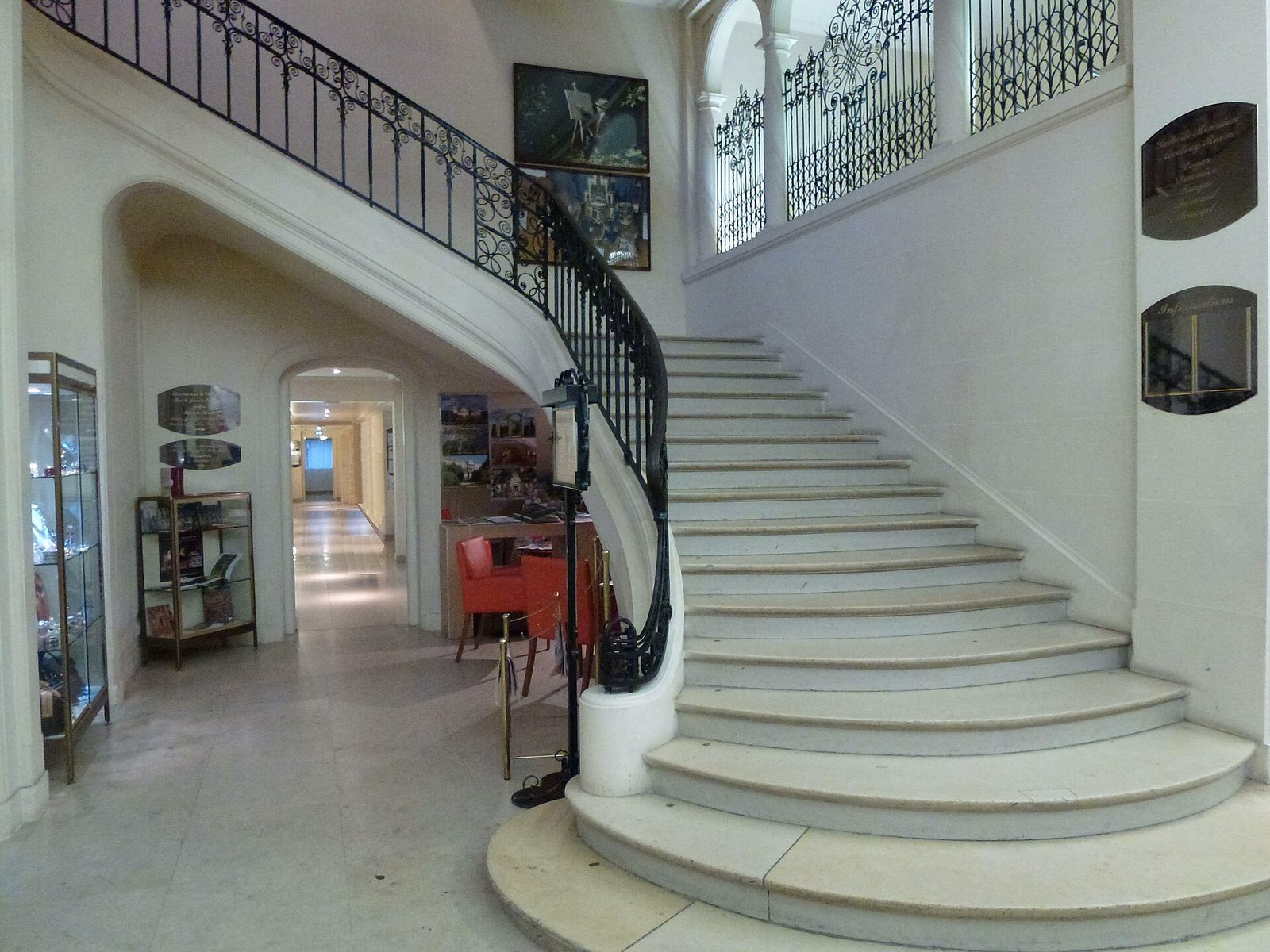
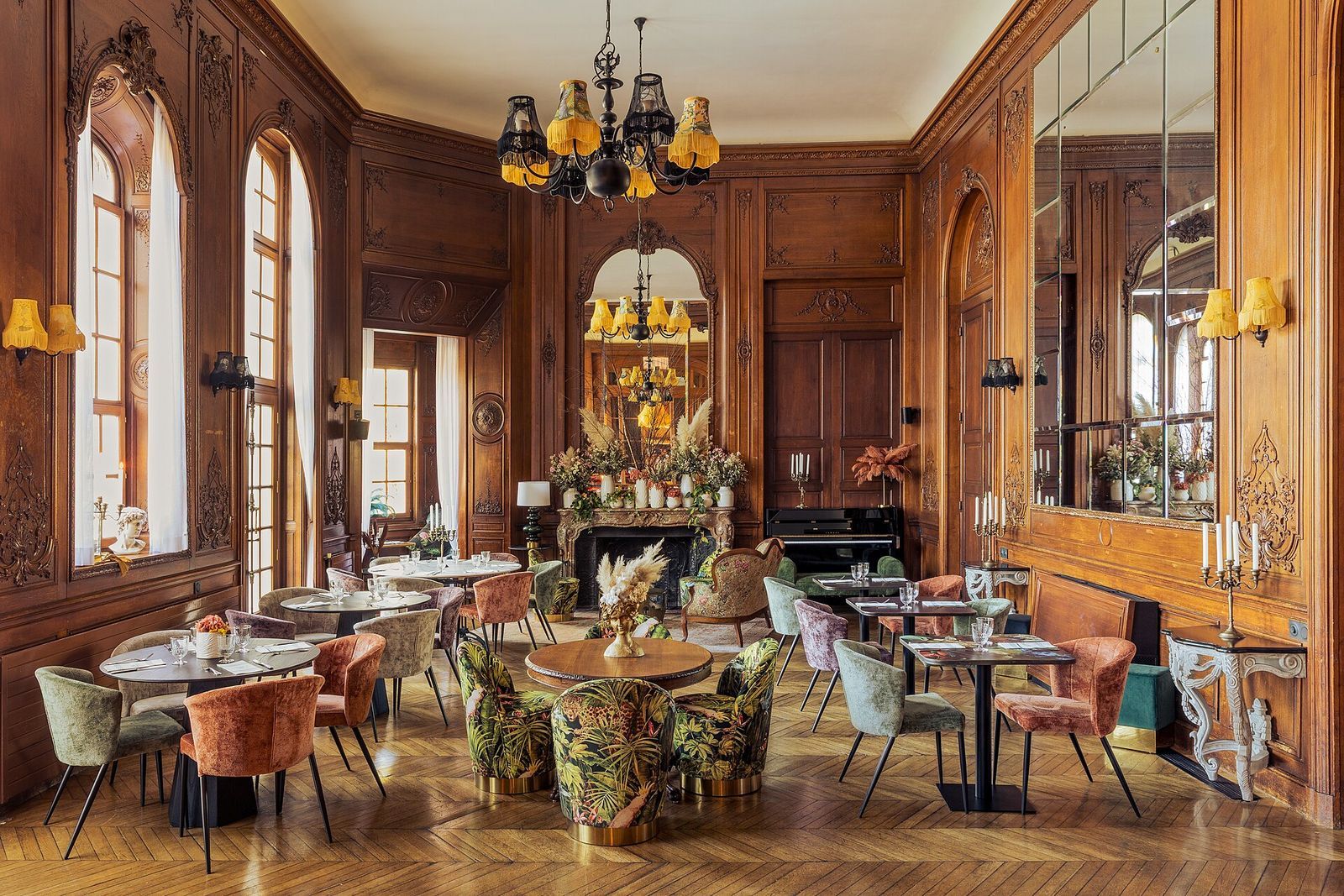
The château became a luxury hotel in 1985 and received its fourth star in 2003. In 2019, 369° Hotels & Maisons took possession and undertook a renovation intended to preserve the building’s character while adapting it for contemporary use. The group is identified as the castle’s current owner. The pleasure garden was included in the preliminary inventory of remarkable gardens.
Remains
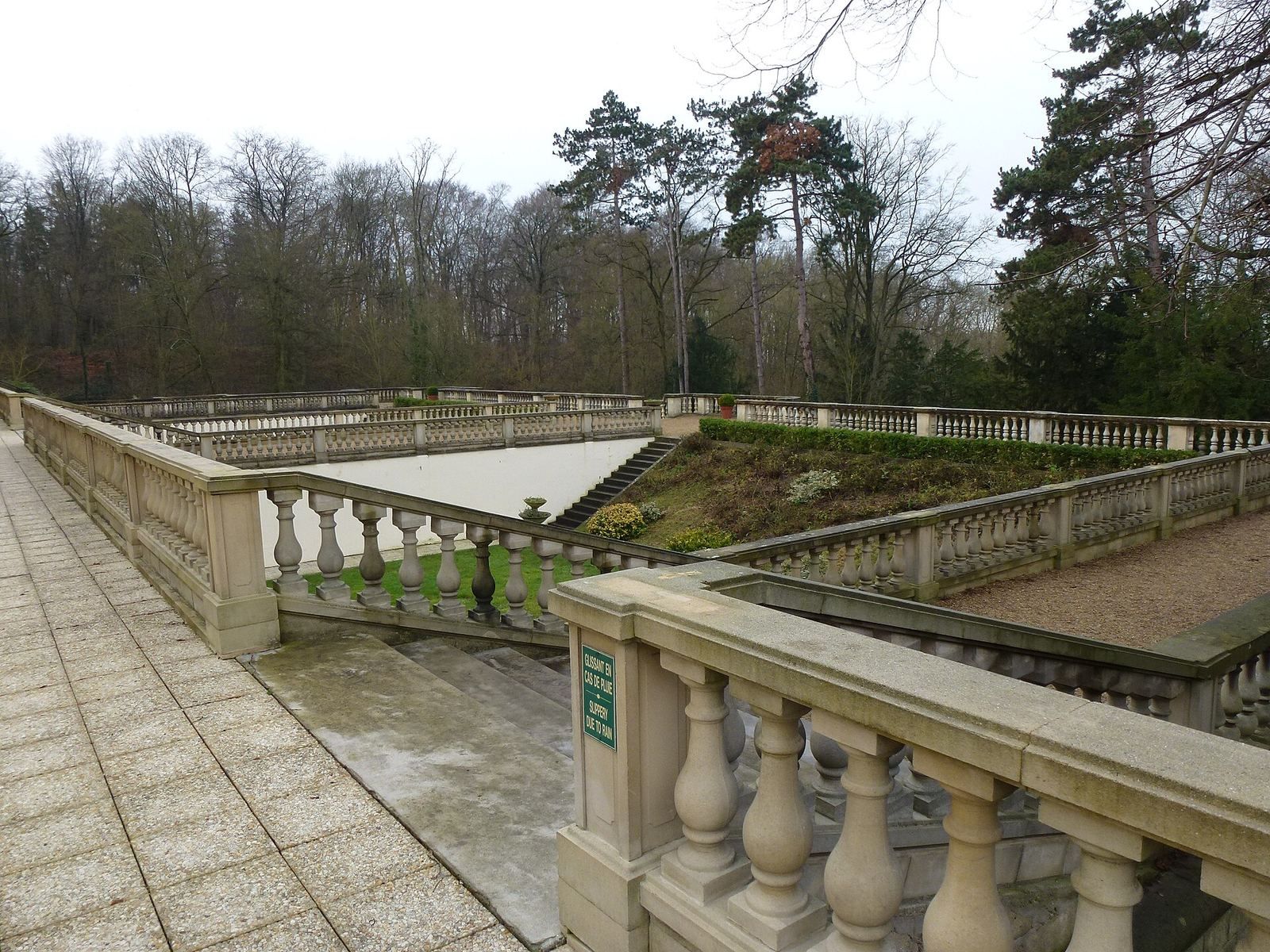
The château stands at the edge of a plateau, while its park occupies sloping ground. Landscape architect Charles Masson arranged the grounds in a succession of terraces, creating the formal, terraced character of an Italian garden.
The garden’s principal features include a ground-level terrace and an orangery. In the entrance area, a tower served as a water reservoir; the rose garden and a trellis were also part of this area.