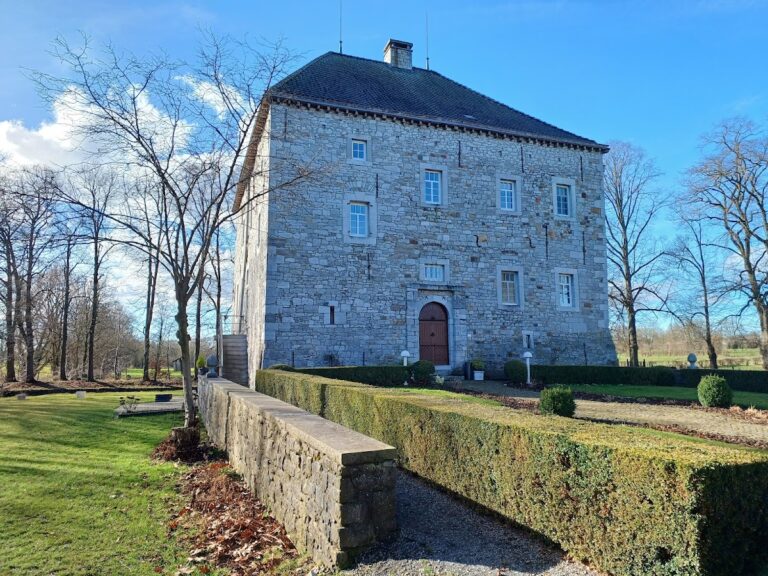
Raeren Castle (Château de Raeren): A Water Castle in Belgium



Site at a Glance
- Rating
- 4.4
- Popularity
- Low
- Country
- Belgium
- Primary era
- Early Modern
- External website
- Open
- Eras represented
- Medieval, Early Modern
- Civilizations
- Habsburg, Holy Roman Empire
- Site type
- Military
- Remains
- Castle
On this page9 sections
History
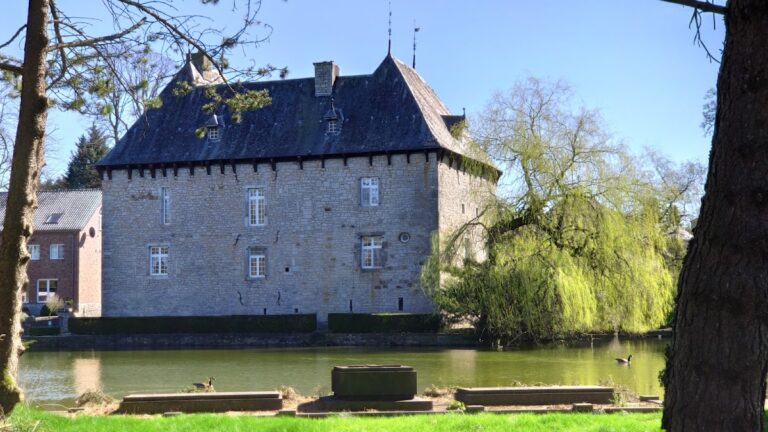
Raeren Castle (Château de Raeren) is a lowland water castle in Belgium, first documented in 1425 and probably originating around the middle of the fourteenth century. Also known as Burg Raeren or the Lower Castle, it developed from a residential tower into a larger fortified estate and now houses the Raeren Pottery Museum.
Origins and medieval ownership
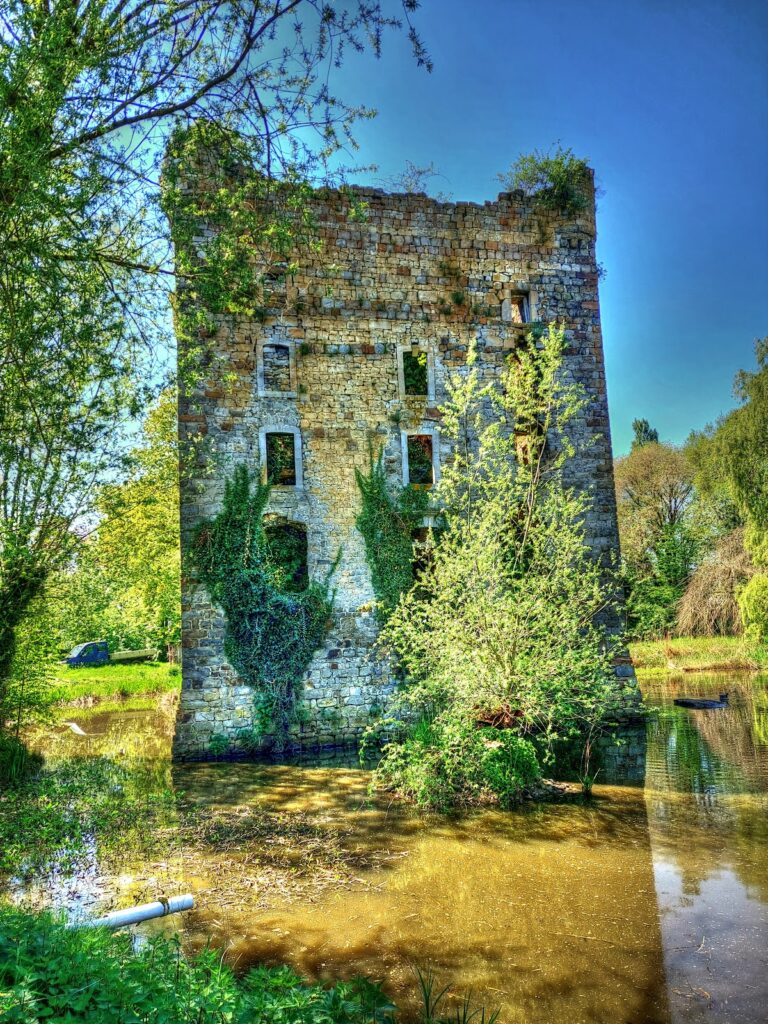
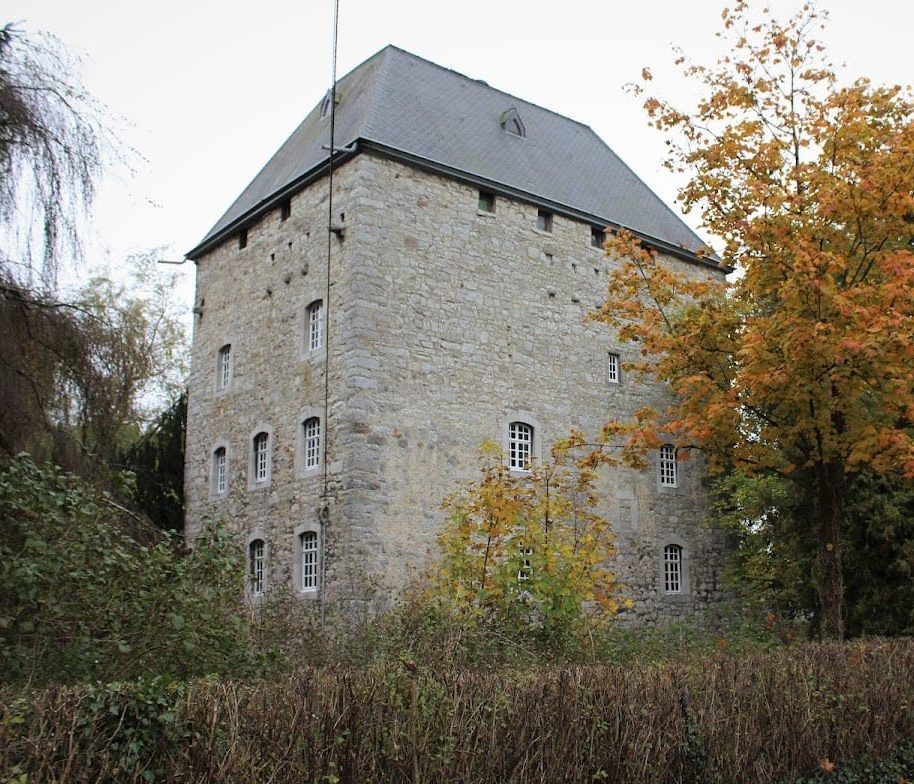
The earliest castle was an almost square, two-storey residential tower. Jean d’Alensberg is considered a possible builder, although that attribution remains unproven. Archaeological excavations in 1968 and 1969 showed that an iron-ore smelting works occupied the site around 1300, before construction of the medieval castle.
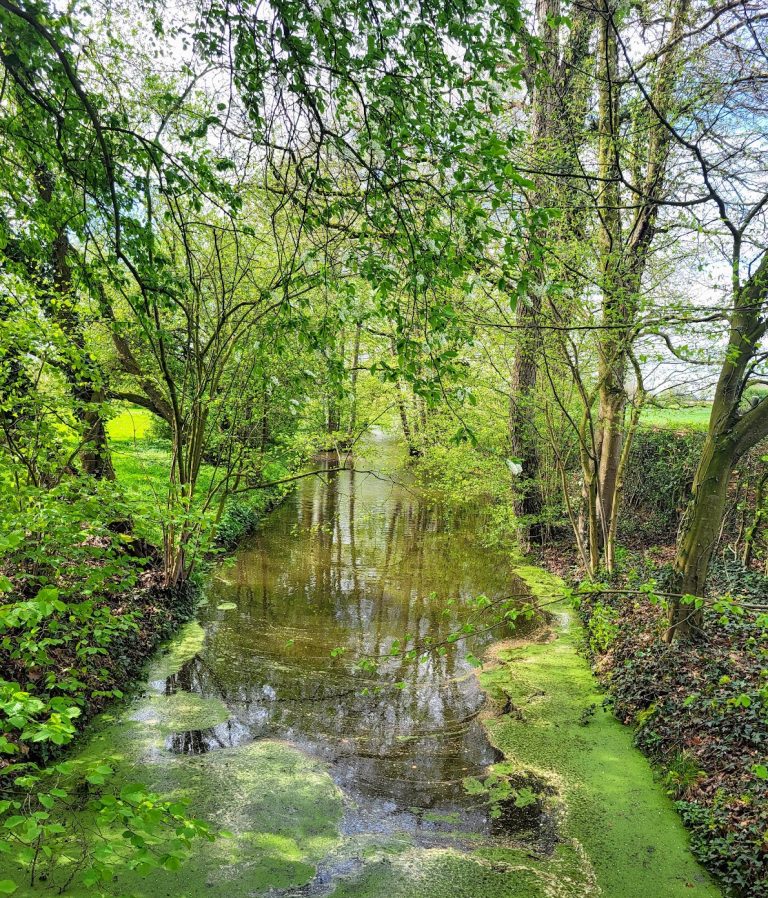
By 1425, the tower, kitchen building, and associated estate were enclosed by two moats and several ponds. The complex was held as a fief, meaning a feudal estate granted in return for service, through the feudal chamber of the provost of the Aachen Marienstift. This institution was an ecclesiastical collegiate foundation whose provost’s chamber administered such holdings. Johann van den Roideren was the first known owner, in 1426, and the castle was then called “zen Roideren.”
Ownership later passed through the families of Nechtersheim, Kaldenbach, and Belven. In 1552, Johann von Lomont acquired the property and renewed its fief as the husband of Anna Krümmel.
The Lomont expansion
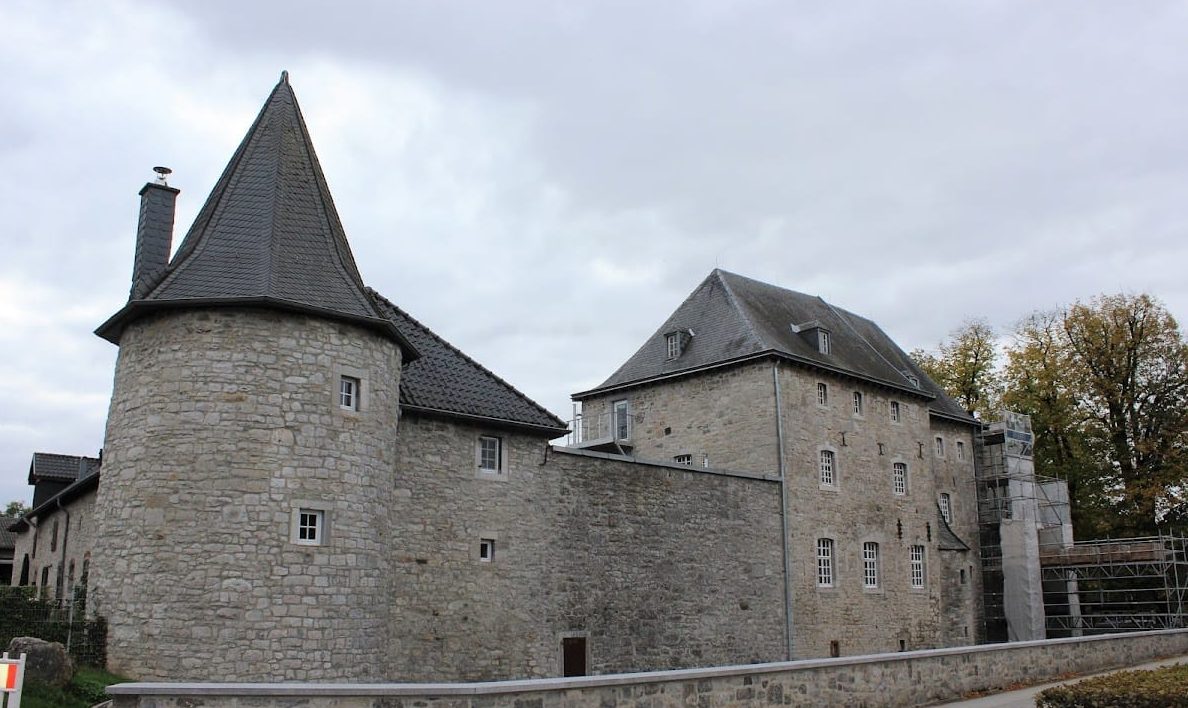
After a kitchen fire, Johann von Lomont’s descendant Philipp substantially enlarged the castle. Beginning in 1583, the residential building was extended, defensive walls were built, and two large service wings and two corner towers were added. These works transformed the earlier tower and service buildings into the larger rectangular complex arranged around a courtyard.
Later alteration and fires
After the castle became dilapidated, its owner, the lawyer Peter Joseph de Nys, altered it after 1791 in a romantic style. This approach, later associated with Historicism, drew on earlier architectural styles. The entrance portal still carries the coats of arms of de Nys and his wife from the von der Gracht family.
On 20 September 1856, a fire destroyed all the agricultural buildings down to their foundations. They were subsequently rebuilt. A further fire in 1982 damaged valuable parts of the historic fabric, which were extensively restored afterward.
Archaeology and museum use
The municipality of Raeren purchased the castle in 1960. Archaeologist Otto Eugen Mayer and his associates then undertook long-term excavations, helping the Raeren Pottery Museum open in the castle in 1963. The castle was placed under monument protection in the early 1950s and is classified as protected heritage under number 31399. It continues to house the museum, whose collection of Raeren stoneware has European heritage status.
Remains
Castle layout and defenses
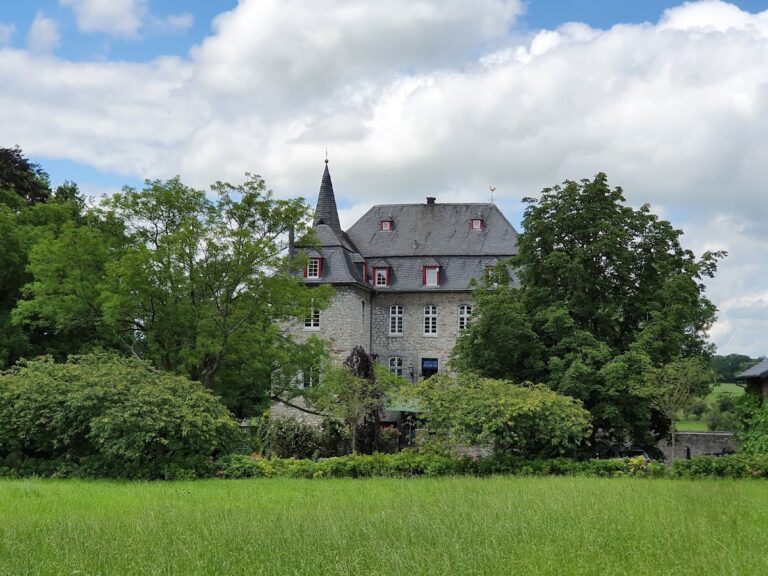
Raeren Castle is a rectangular lowland water castle with buildings grouped around a central courtyard. Its fabric includes bluestone, a characteristic building material of the region, used in the sixteenth-century additions as well as in the wider complex. The medieval arrangement incorporated the original residential tower, a kitchen building, defensive walls, two large service wings, and two corner towers. Two moats and several ponds formed the surrounding water defenses by 1425.
Rebuilt buildings and entrance portal
The agricultural buildings destroyed by the 1856 fire were rebuilt, while sections damaged by the 1982 fire were later restored. The entrance portal retains the coats of arms of Peter Joseph de Nys and his wife from the von der Gracht family, providing a visible link to the castle’s later ownership and alteration.
Pottery museum
The Raeren Pottery Museum occupies the castle and presents the history of Rhineland stoneware, a dense, high-fired ceramic tradition, with particular attention to Raeren and its local pottery industry. Its displays include numerous archaeological pottery finds and stoneware from the Roman period, the Middle Ages, the Renaissance, and Historicism. Together, these materials trace the development of pottery production in Raeren and the wider Rhineland.
Nearby sites