Château de La Motte-Tilly: An 18th-Century French Country Estate with Medieval Origins
Visitor Information
Google Rating: 4.5
Popularity: Medium
Official Website: www.chateau-la-motte-tilly.fr
Country: France
Civilization: Early Modern, Medieval European
Site type: Domestic
Remains: Palace
History
The Château de La Motte-Tilly is situated in the commune of La Motte-Tilly in France. Its origins trace back to medieval times when the site was occupied by a defensive fortification built by feudal lords of the region.
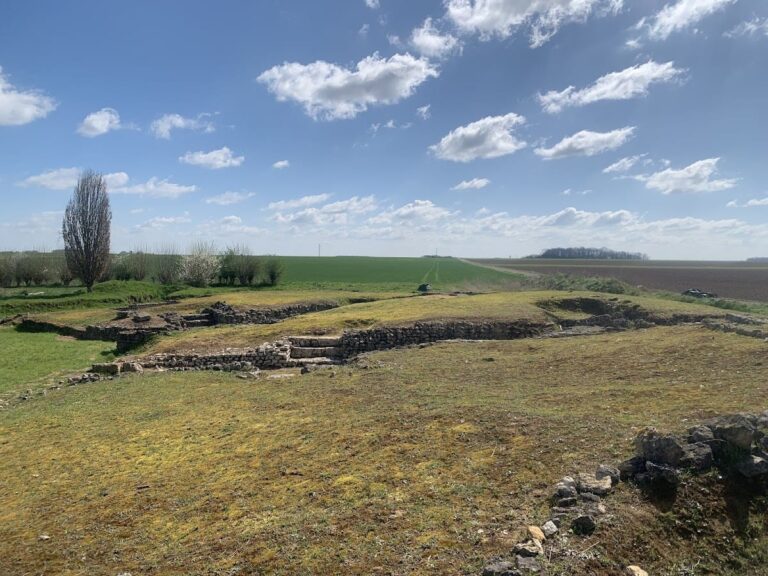
The first recorded mention of La Motte-Tilly dates to 1369, identifying it as a feudal motte-and-bailey castle. This type of fortress consisted of a raised earthwork (the motte) accompanied by a walled courtyard (the bailey), strategically placed to guard a ford on the Seine River located nearby. The fortress was surrounded by moats, remnants of which remain visible in the landscape today. Ownership of this medieval stronghold passed through several noble families, including the lords of Trainel, Raguier, d’Elbeyne, and Bournonville.
In the early eighteenth century, the estate changed hands through marriage, becoming part of the Noailles family in 1710. Recognizing the importance of Adrien Maurice de Noailles, a marshal of France, King Louis XIV elevated the domain to the status of a county in 1712. By this time, the original medieval fortress had fallen into disrepair. It was demolished to make way for a more modern residence, with some of its stonework repurposed for new construction.
Construction of the present château began in 1754, following designs created by architect François-Nicolas Lancret. The new residence was commissioned by the Terray brothers, notably Joseph Marie Terray, who served as controller general of finances during the reign of Louis XV. Unlike its defensive predecessor, this château was intended primarily as a countryside home and hunting retreat, reflecting the changing needs and tastes of the French nobility.
During the upheavals of the French Revolution, the château remained mostly intact despite the dramatic events of the era. Members of the Terray family experienced personal tragedy, including executions in 1794. In the same year, the estate was declared national property but was returned to the Terray heirs three years later, though without its original furnishings.
The château endured further challenges in the early nineteenth century. In 1814, amid the Campaign of France at the close of the Napoleonic Wars, Cossack troops occupied the property. Reports note that they dismantled the château’s parquet flooring to use as firewood. The upkeep of associated farm structures proved costly, leading to their demolition in 1813.
Around 1910, Count Charles Gérard de Rohan-Chabot took ownership and undertook significant restoration efforts. He recreated the formal French gardens that had disappeared by 1784, transforming them into an English-style park characterized by winding lawns, irregular tree groupings, and a small lake with artificial islands. Throughout the early twentieth century, this phase of renewal also included the removal of many agricultural buildings and interior refurbishments extending into the 1960s.
During World War II, German forces occupied the château, followed by American troops in 1944. Despite this military presence, the estate’s valuables had been dispersed beforehand, preventing significant losses. In recognition of its historical and architectural value, the entire estate was designated as a historic monument in September 1946, building on earlier partial protections granted in 1943.
In the early 1970s, the final private owner, the Marquise de Maillé, bequeathed the château along with its extensive lands to the French national monuments authority. She stipulated that the property remain furnished as it had been in the eighteenth century, be open to visitors, and remain unoccupied as a residence. The château welcomed the public from 1978 onward.
The estate encountered natural adversity at the end of the twentieth century when a severe storm in December 1999 destroyed approximately seventy percent of its forested areas. Aside from its historical importance, the château also gained cultural recognition as a filming location for Miloš Forman’s 1989 film “Valmont.”
Remains
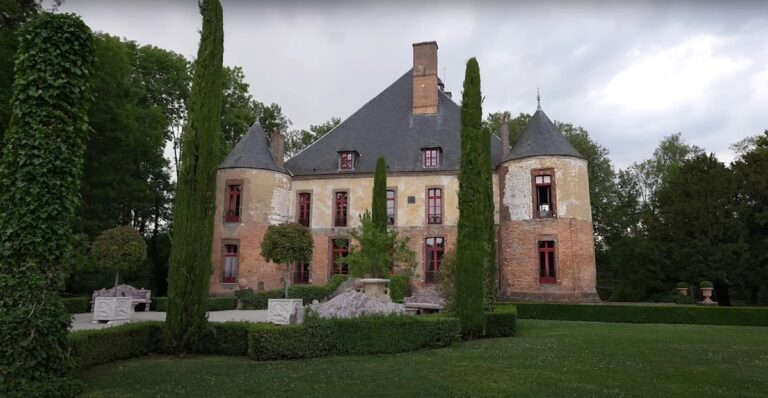
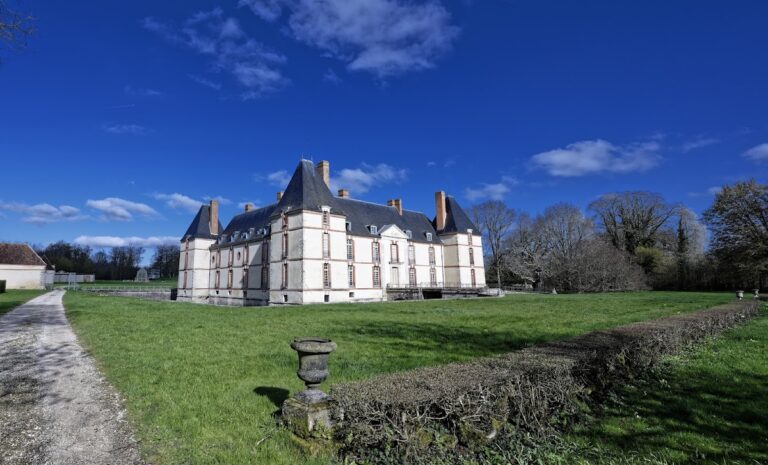
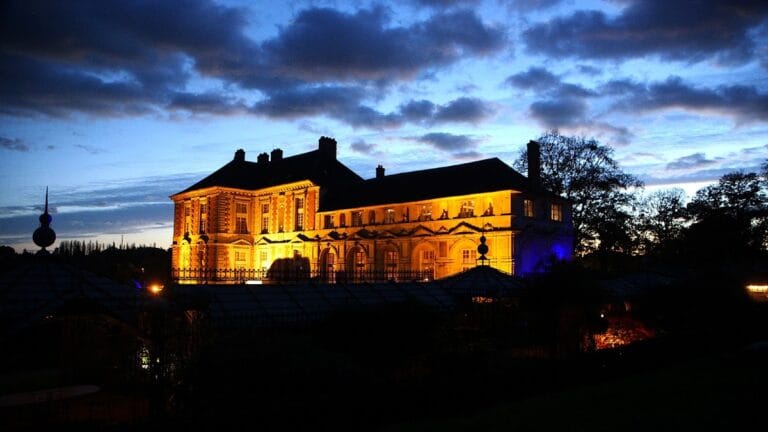
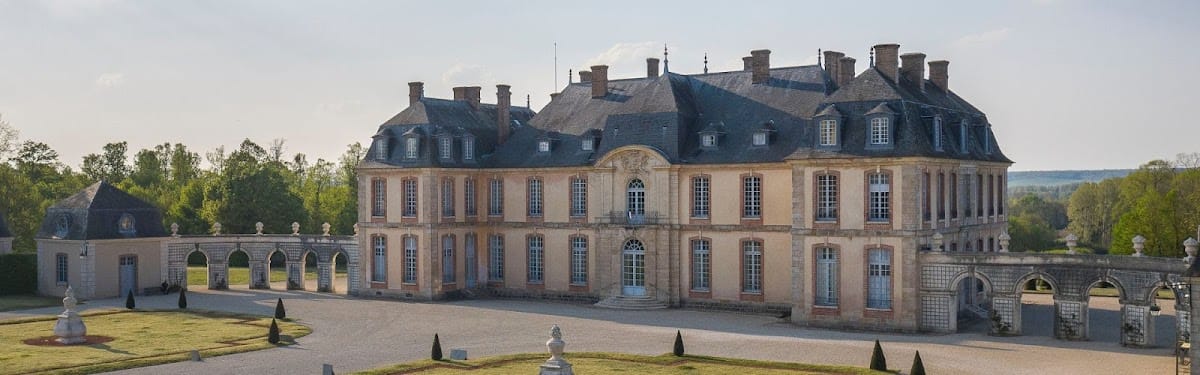
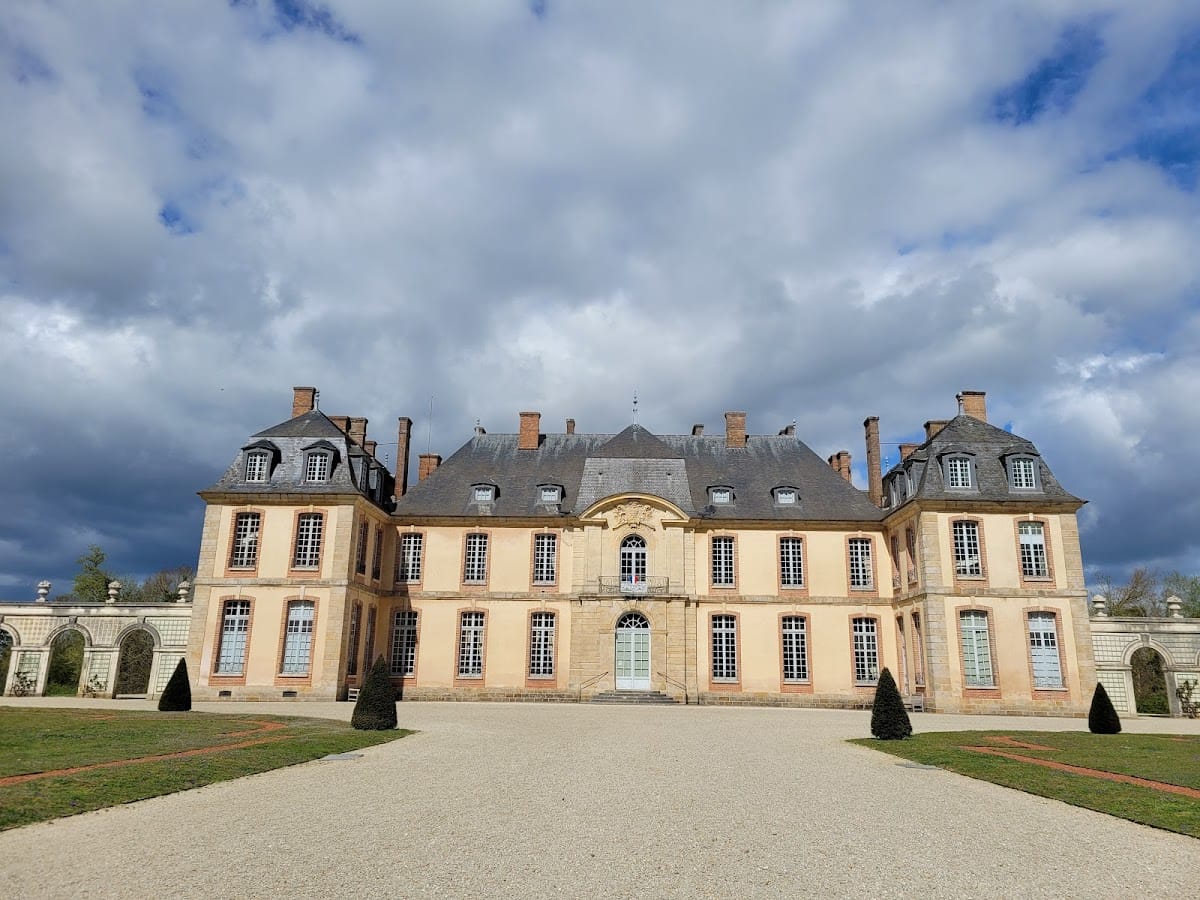
The Château de La Motte-Tilly stands as an 18th-century country house built along the left bank of the Seine River, a short distance from the town of Nogent-sur-Seine. Its construction incorporated materials salvaged from the earlier medieval fortress that once occupied the site nearby, linking the new residence to its feudal past.
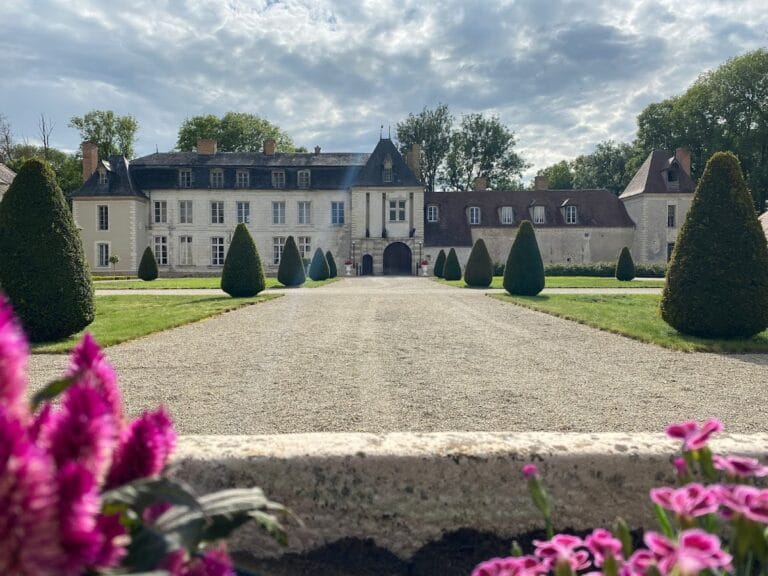
The main façade of the château has preserved its original appearance since its mid-1700s construction. The residence is set within an expansive estate featuring a courtyard called a cour d’honneur, which serves as the formal entrance space before the house itself. Adjacent to this courtyard lies a defensive earthwork known as a saut-de-loup, a ditch designed to protect the domain, enhancing the grandeur and security of the approach. An ornate wrought iron gate with intricate metalwork marks the estate’s boundary and is part of the ensemble recognized for historic preservation.
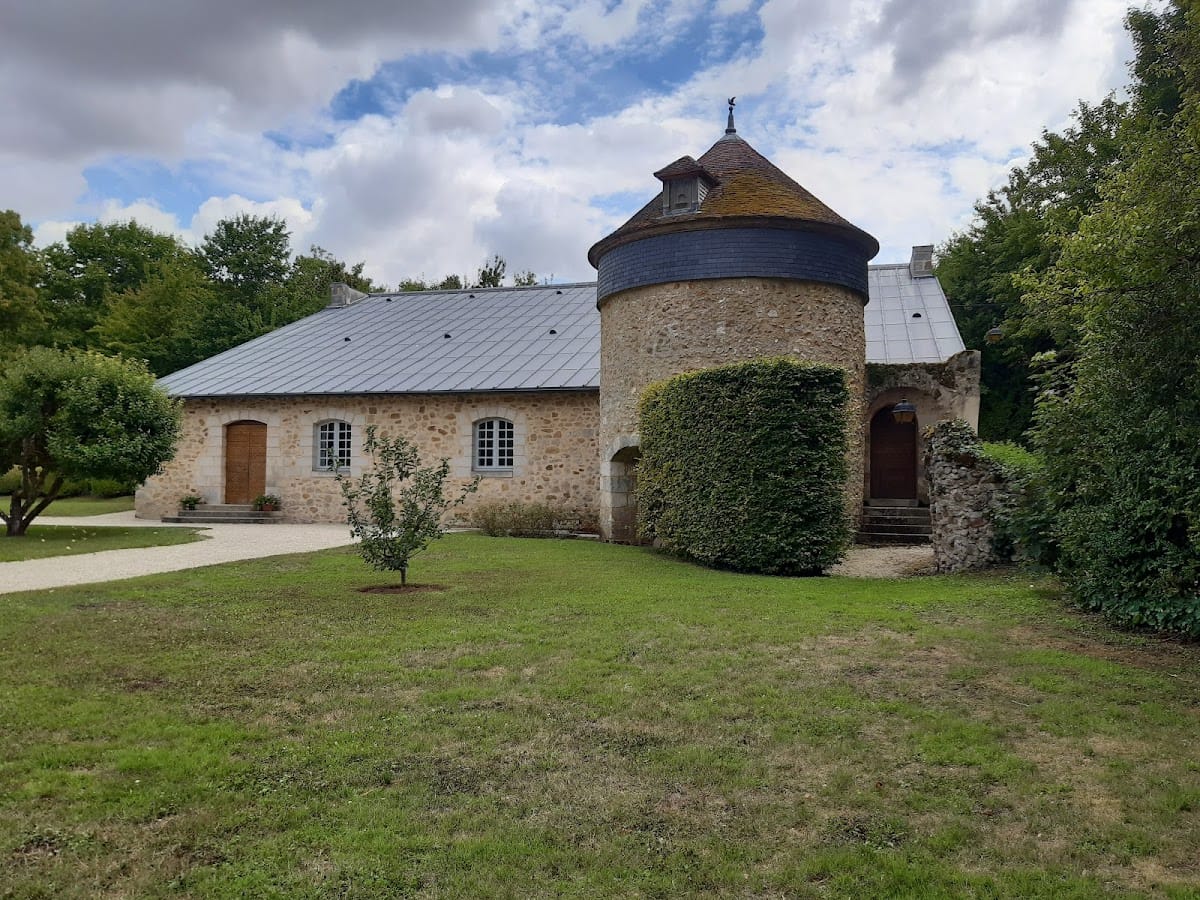
Originally, the château was accompanied by several outbuildings or communs, which served practical functions such as housing staff and equipment. These structures were removed in the early nineteenth century due to the expense of their upkeep, though their façades and roofs remain partially protected under heritage status.
Surrounding the château, the estate’s park covers roughly sixty-two hectares. The landscaping reflects an evolution from formal French gardens with precise geometric layouts and ornamental flowerbeds, established by the original architect Lancret, to a later English-style landscape developed just before the French Revolution. This transformation introduced wide lawns, asymmetrical groups of trees, gentle slopes descending to a large lake, and two artificial islands, creating a naturalistic and picturesque setting.
The grounds feature notable tree collections including avenues of linden trees and heritage varieties of fruit trees, particularly apples. An orangery, reconstructed from eighteenth-century records, serves as an example of period horticultural architecture.
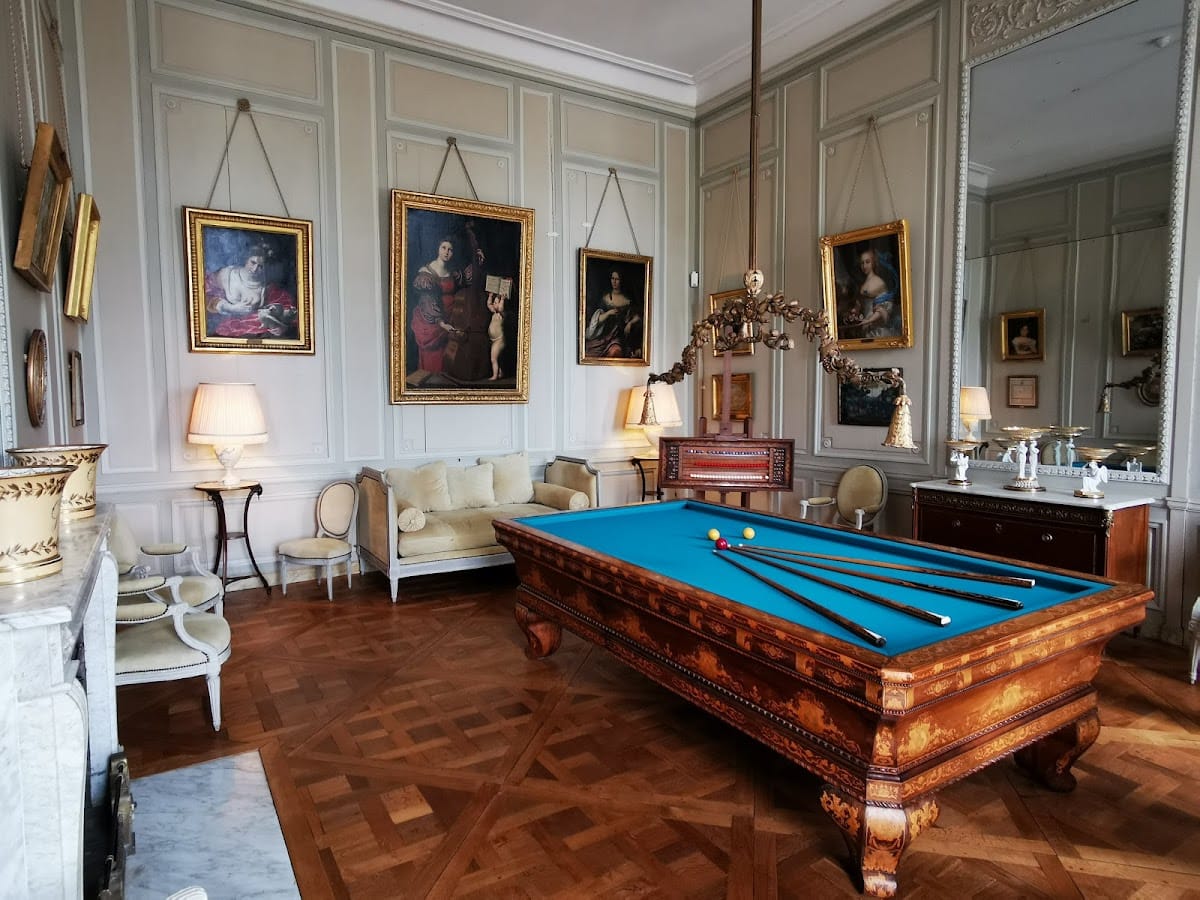
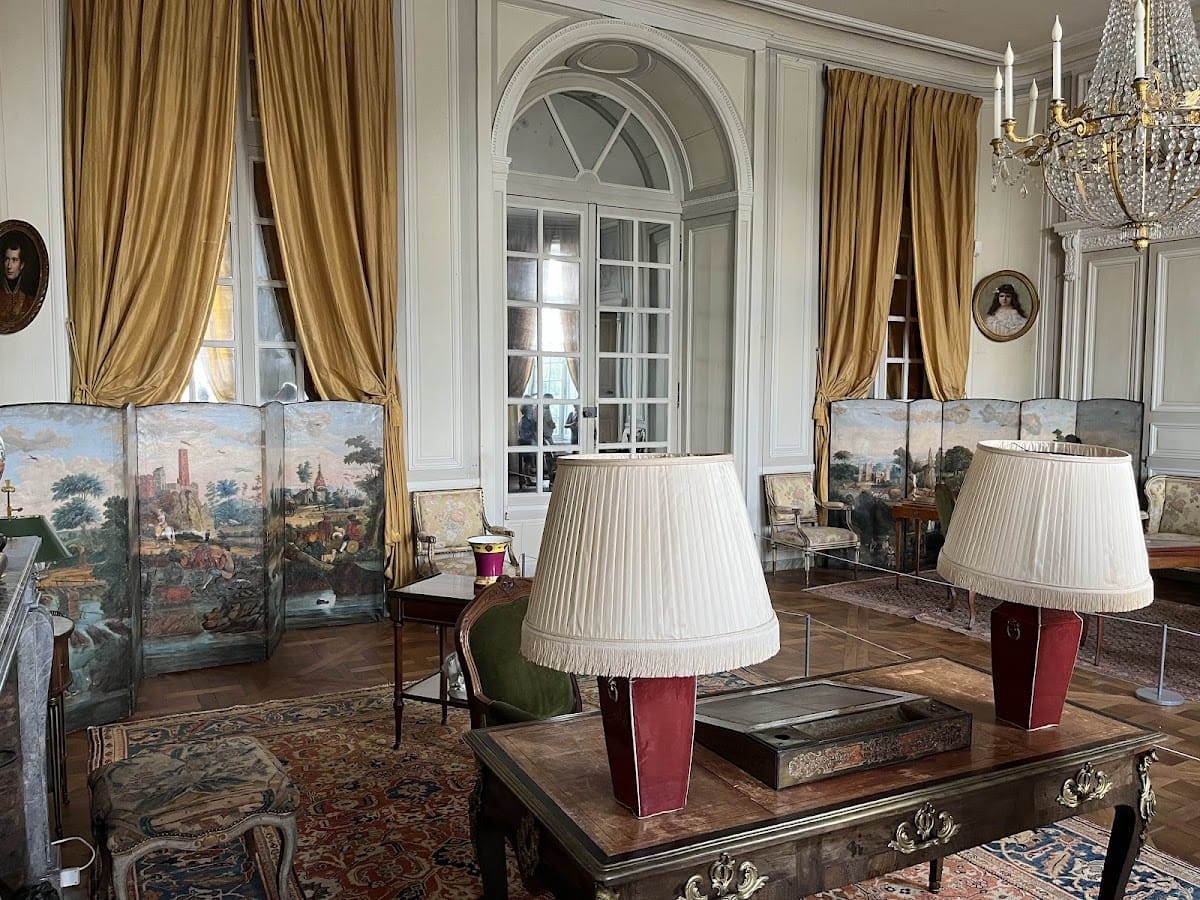
Inside the château, rooms such as the vestibule, grand salon, blue-hued petit salon, dining room, library, billiard room, and bedrooms retain furnishings and decorations faithful to the eighteenth-century period. The grand staircase remains a significant architectural element, connecting the various levels of the residence.
Additional protections cover the façades and roofs of small pavilion buildings on the courtyard, the chapel’s external aspects, and the remaining walls of the communs, all contributing to the estate’s historical authenticity.
The estate’s spatial layout reflects its position along the river, with the remnants of the medieval motte-and-bailey castle located at the park’s edge near the water, while the current château occupies a more sheltered and landscaped site within the property’s grounds.
Nearby sites