Château de la Mogère: An Eighteenth-Century Country House in Montpellier


Site at a Glance
- Rating
- 4.2
- Popularity
- Low
- Country
- France
- Primary era
- Early Modern
- External website
- Open
- Eras represented
- Early Modern, Modern
- Civilizations
- French
- Site type
- Domestic
- Remains
- Elite Residence
On this page10 sections
History
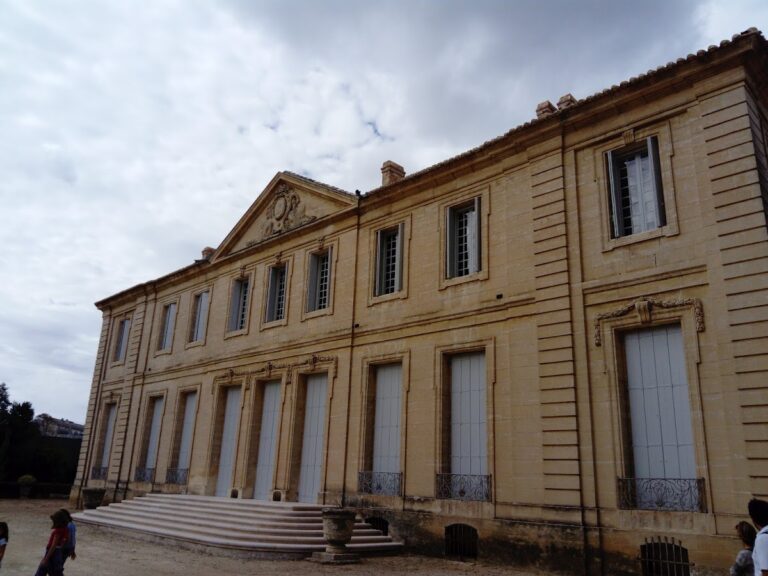
Château de la Mogère is an eighteenth-century country residence in Montpellier, France, built as a Montpellier folie, an elegant private retreat outside the city rather than a fortified castle. The estate was acquired by Fulcran Limozin in 1707, and construction began in 1715 to designs by the architect Jean Giral.
Origins and Family Ownership
Limozin is identified as a local Secretary of State for the King’s Household under the Ancien Régime, the French monarchical system that preceded the Revolution of 1789. From the second owner onward, the château remained in the same family, linking the residence to successive generations of Montpellier’s local elite.
Among its owners was Jacques-Joseph de Boussairolles (1741–1814). He served as a counsellor at the Court of Accounts, later became president of the Imperial Court, and was made a Baron of the Empire in 1813.
Protection and Continuity
The water feature, the parterre in front of it, the aqueduct, and the fountain were classified as historic monuments by ministerial order on 20 April 1945. Protection was extended on 1 April 1966 to the château and outbuildings, including their façades and roofs, as well as the entire park. The property is classified as a historic monument and belongs to the network of exceptional sites in Languedoc.
The château and estate are currently owned and managed by Viscount Gaston de Saporta. Their protected status preserves both the architectural ensemble and the historic grounds.
Remains
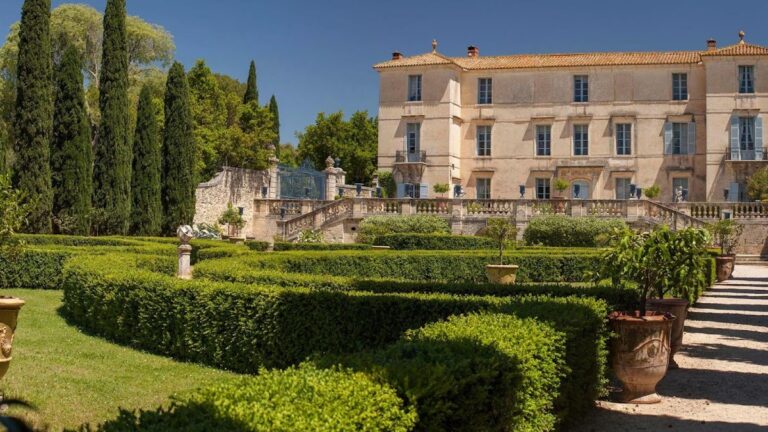
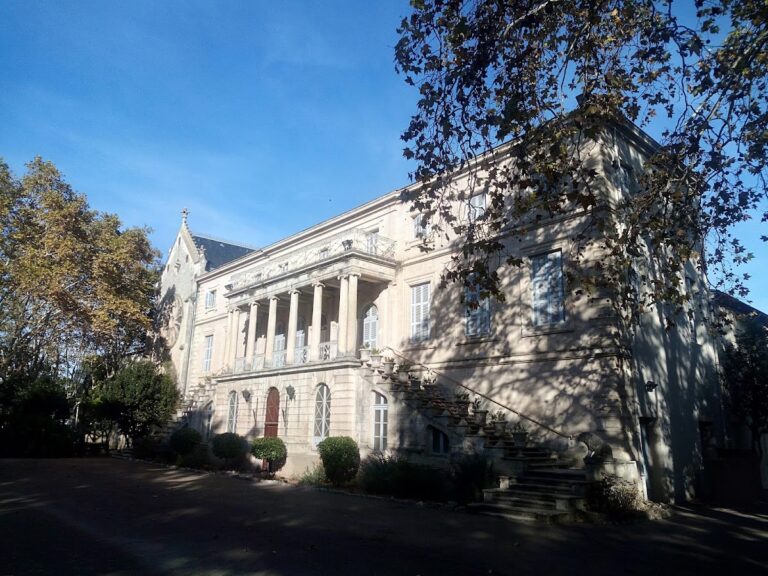
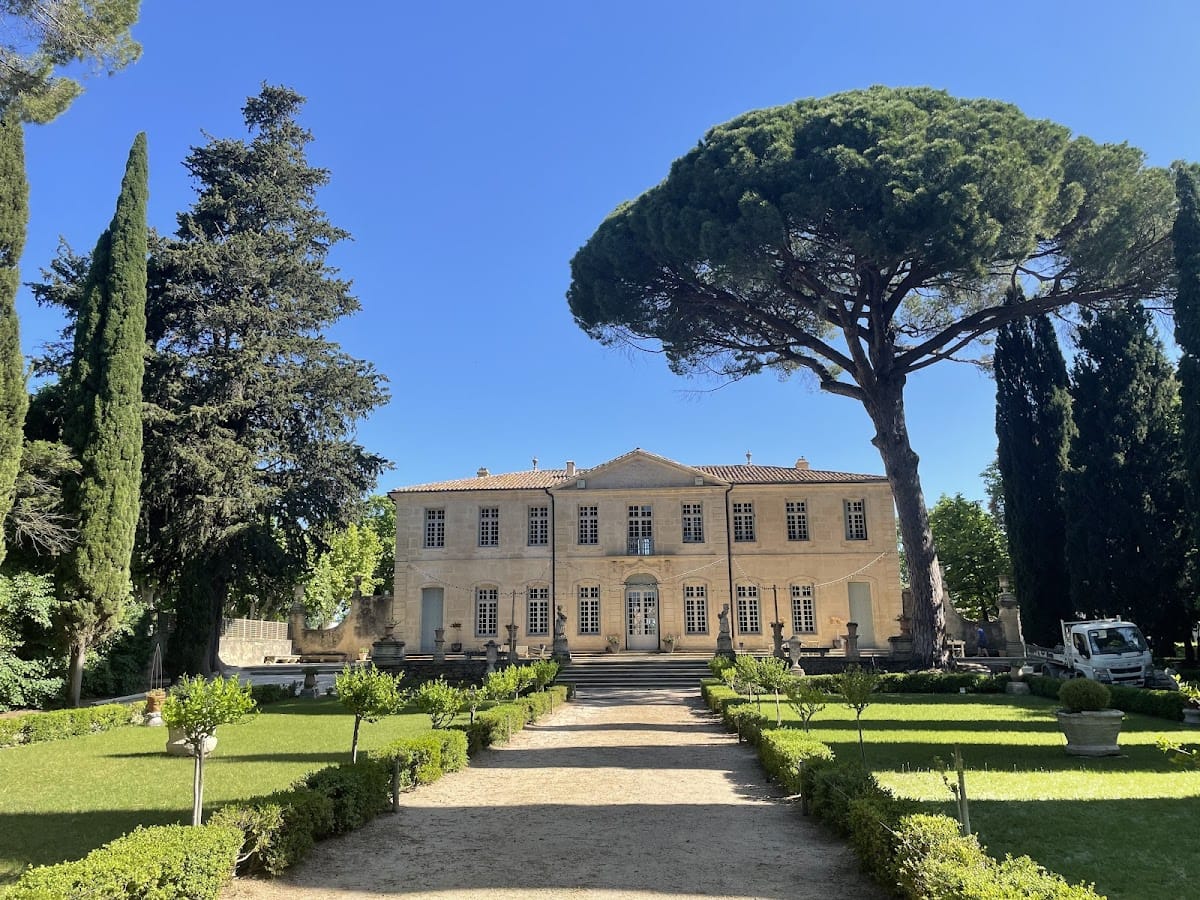
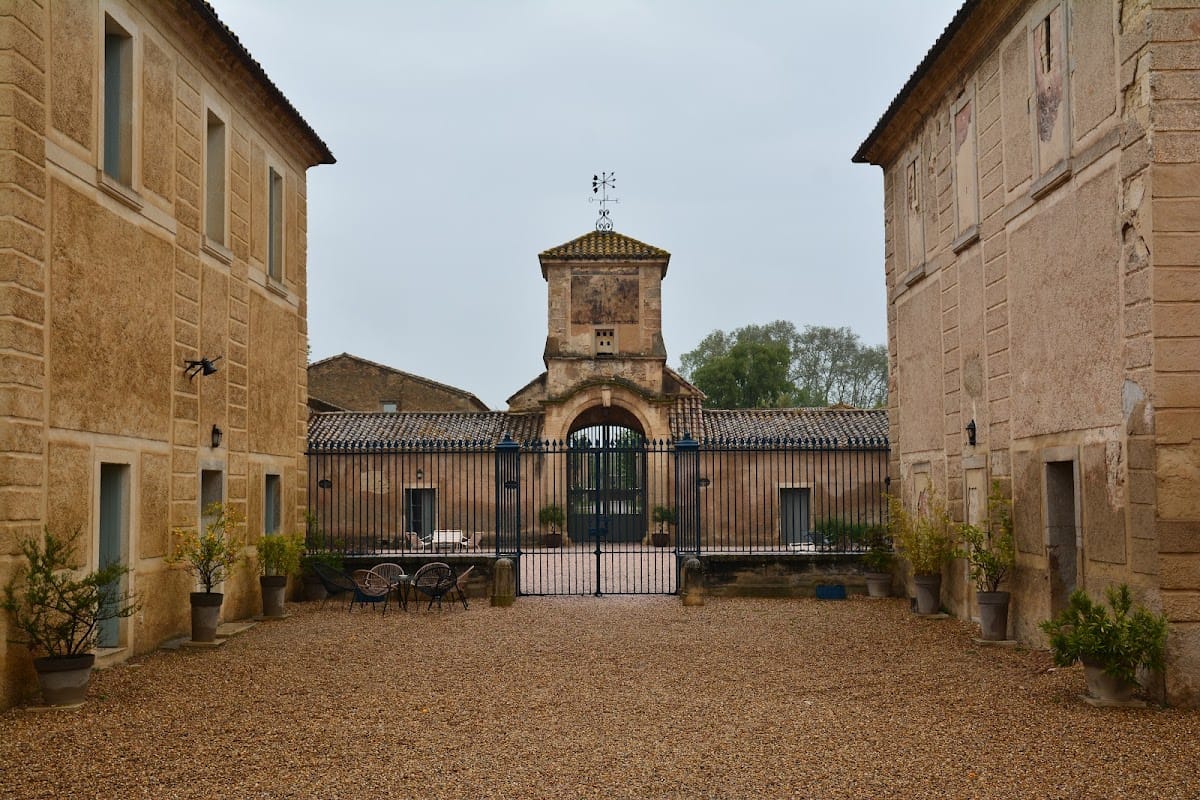
Château de la Mogère forms an estate of château, outbuildings, gardens, waterworks, and parkland. The 1715 building is classified as Neoclassical in style and is also described as having a Renaissance-style appearance. Its harmonious façade is topped by a pediment and stands against a background of pine trees. The private park covers approximately 10 hectares and combines a formal French garden with an English garden.
Gardens and Waterworks
Formal Garden and Pond
The formal garden extends from the château toward a pond and includes box-lined garden areas and decorative female figures. Its parterre is a level ornamental arrangement of beds outlined by low hedges or boxwood, positioned in front of the water feature. Stone pines, described as approximately 150 years old, introduce an asymmetrical element into the regular design.
Fountain and Aqueduct
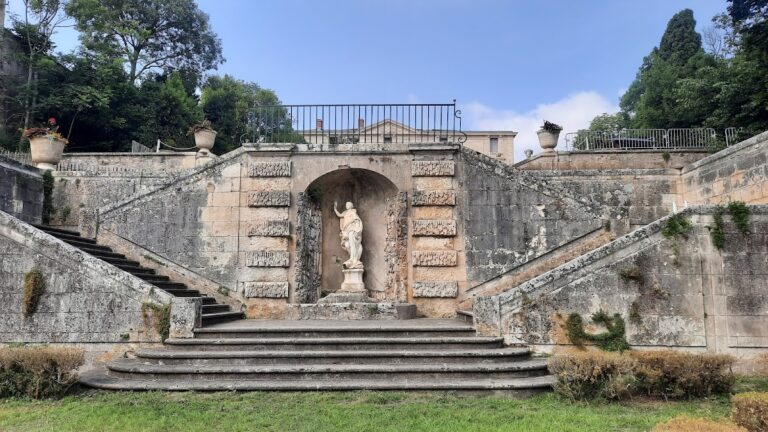
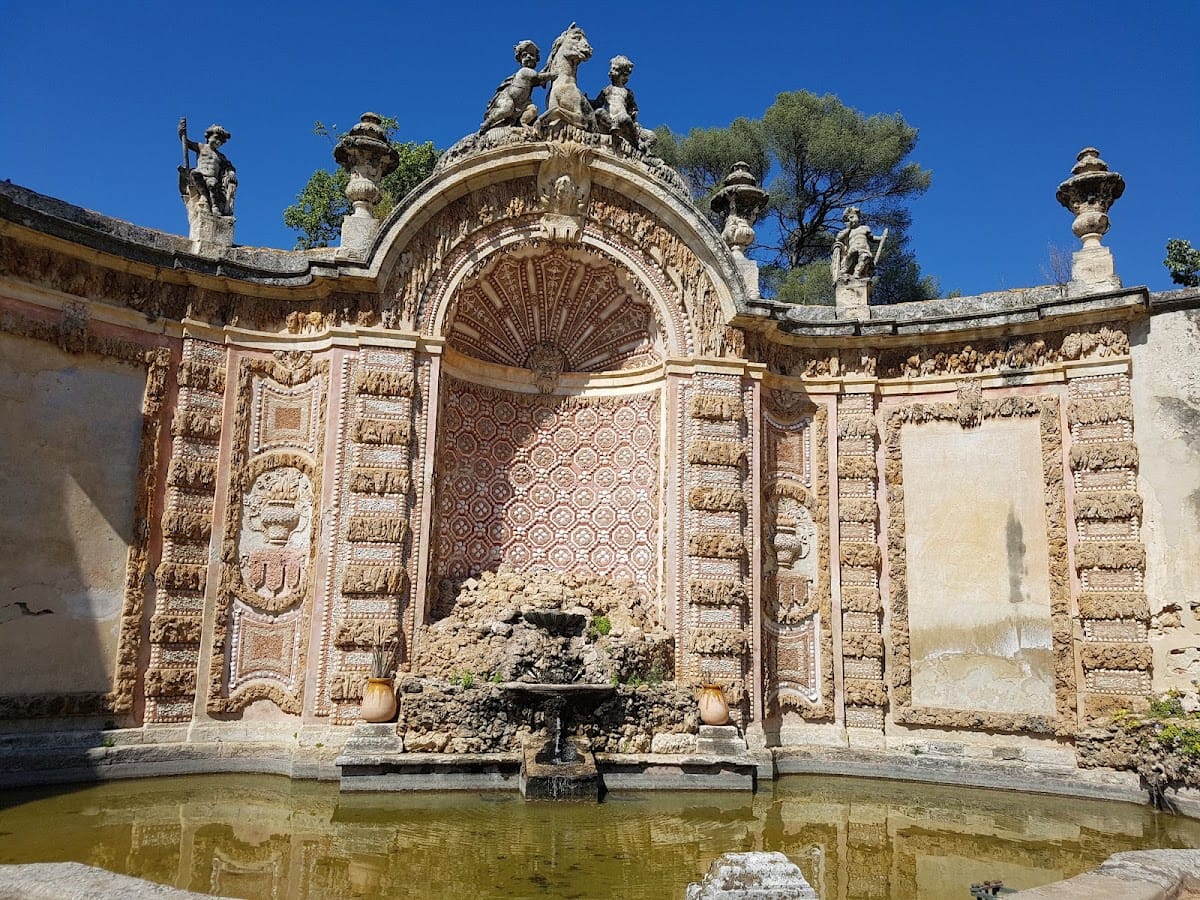
A large fountain is made from thousands of small seashells and decorated with several cherubs. The estate also contains an aqueduct, which forms part of the protected water system together with the fountain and water feature. The English section of the park was laid out in the nineteenth century, adding a later landscape phase to the formal garden.
Interiors and Furnishings
Rooms and Portraits
The interior is described as having remained intact since the eighteenth century. It contains antique furniture and family portraits spanning the last three centuries, including works associated with Jean Jouvenet, Hyacinthe Rigaud, and Jacques-Louis David.
Protected Objects
The château retains a seventeenth-century still-life painting that was listed as a protected historic object on 18 November 1965. Other protected furnishings include a portrait of Jacques-Joseph de Boussairolles presented in a medallion on a relief dated 1783, Directoire-period chairs, Louis XVI-period chairs, and eighteenth-century reliefs. The Directoire objects belong to the French government and cultural period of 1795–1799, while the Louis XVI furnishings date from the reign of Louis XVI, from 1774 to 1792. These four groups received individual historic-object protection on 28 April 1964.