Château de la Grange in Yerres: A French Country Residence and Estate
Site at a Glance
- Popularity
- Medium
- Country
- France
- Primary era
- Early Modern
- Eras represented
- Early Modern
- Civilizations
- French
- Site type
- Domestic
- Remains
- Castle
On this page8 sections
History
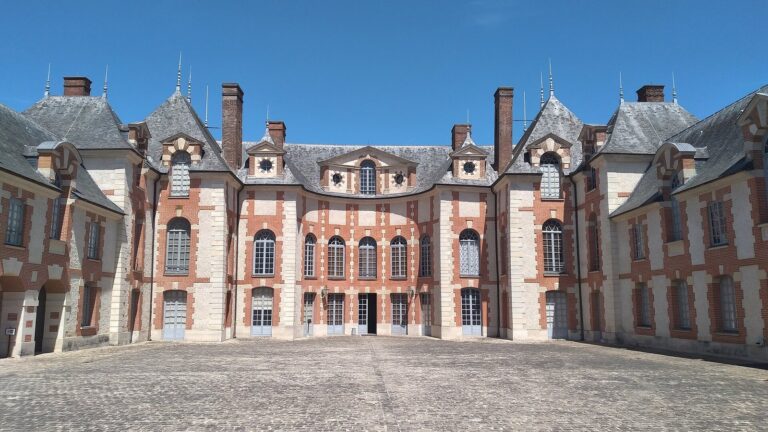
The Château de la Grange in Yerres is a country residence in France, built in 1617 for Charles Duret in the Louis XIII style, the architectural period associated with King Louis XIII. The estate is first mentioned in 1389 as woodland cleared for a Parisian religious community; a fortified farm had been established there around 1581.
Eighteenth-century owners and interiors
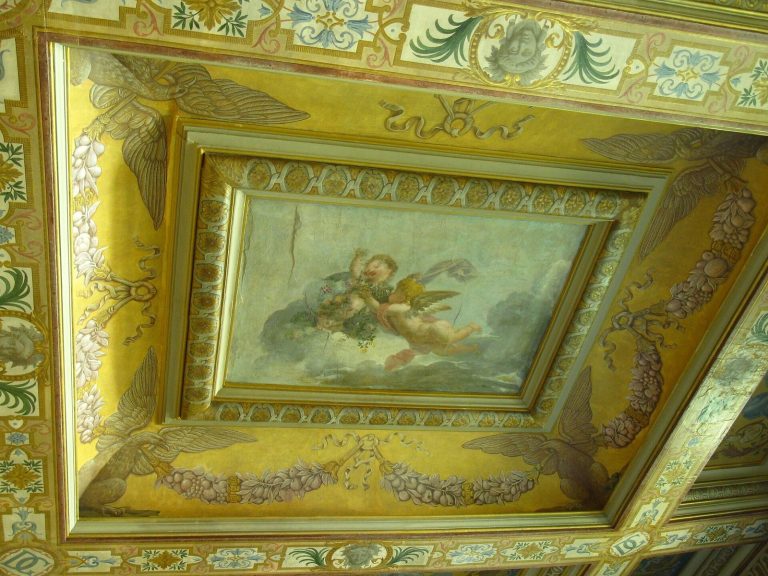
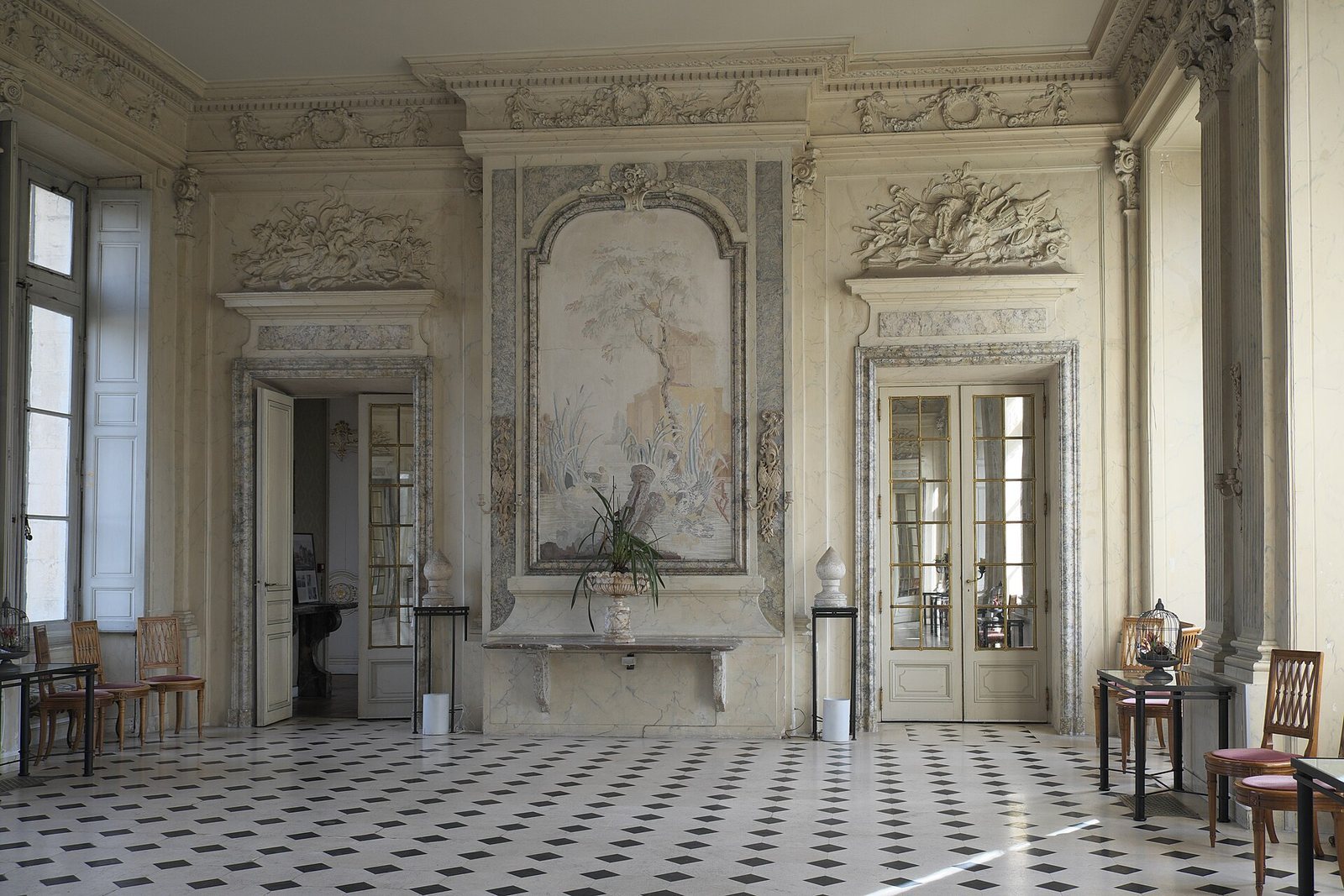
During the reign of Henry IV, Charles Duret, son of the royal physician Louis Duret, inherited the estate. Around 1740 it was held by Pierre Nicolas Gaudion, keeper of the royal treasury and a councillor in the Council for the Direction and Finances of the King’s Household. He arranged the château’s interiors and commissioned the Swedish decorator Gilles Marie Oppennord to create the pink salon. The salon is associated with the invention of rocaille, an ornamental style linked to Louis XV interiors and the wider Rococo tradition.
Maurice de Saxe, a military commander who held the senior rank of Marshal of France, acquired the château in 1748 and kept it until his death in 1750. He had the great gallery fitted out.
The Gourgaud family, occupation, and later use
Henri Chevreau (1823–1903), a former prefect, or senior state official, and minister, died at the château. The property and its 1,200-hectare estate later belonged to Baron Napoléon Gourgaud (1823–1879), mayor of Yerres and a deputy, or member of the legislature, in 1869. His son, also named Napoléon (1858–1918), served as mayor and as a member of the departmental council. He married Henriette Chevreau (1857–1940), Henri Chevreau’s only daughter. The Gourgaud family retained the property until 1990.
During the German occupation in the Second World War, the château was requisitioned. The ground-floor gallery became a workshop for repairing aircraft engines, while German officers occupied the upper floors. Baroness Gourgaud appealed to Georges Scapini, a former neighbor of the couple on the Île d’Aix. Philippe Pétain, head of the wartime Vichy government, had appointed Scapini to lead the diplomatic service for prisoners of war in Berlin. The estate was returned to its owner in summer 1942.
On 27 August 1944, the U.S. 2nd Armored Division from Pennsylvania advanced from Montgeron into Yerres and reached the national road by way of the château. General George S. Patton, told that Baroness Gourgaud, born Eva Gebhard and an American citizen, was there, sent a young officer to pay his respects. The château’s owner died there on 30 August 1944.
Eva Gebhard, Baroness Gourgaud, was her husband’s universal legatee but held a usufruct, the right to use property and receive its benefits, over the family estate that he had left to a cousin. She died at the château on 14 July 1959 and was made a Knight of the Legion of Honour.
The château was entered in the French register of historic monuments on 13 April 1960 and classified on 8 April 1971, two distinct levels of legal protection. The Savry Group acquired it in 2000 and established a hotel there under the name Château du Maréchal de Saxe.
Remains
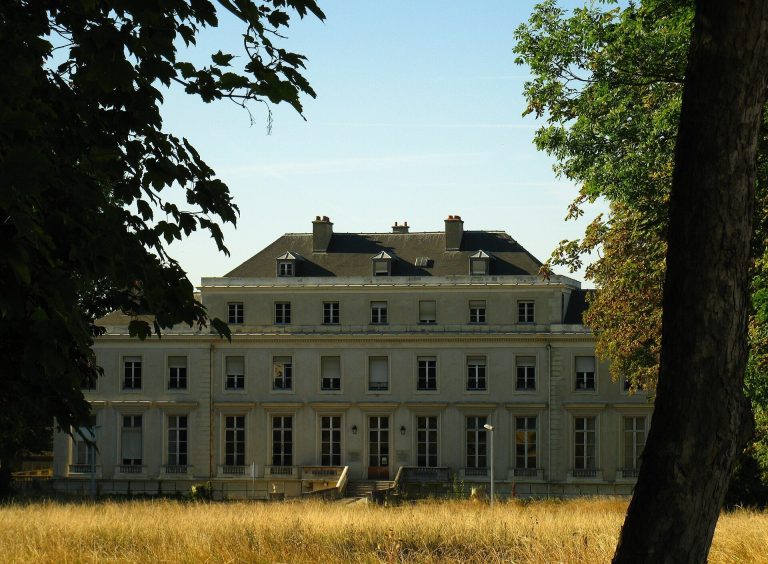
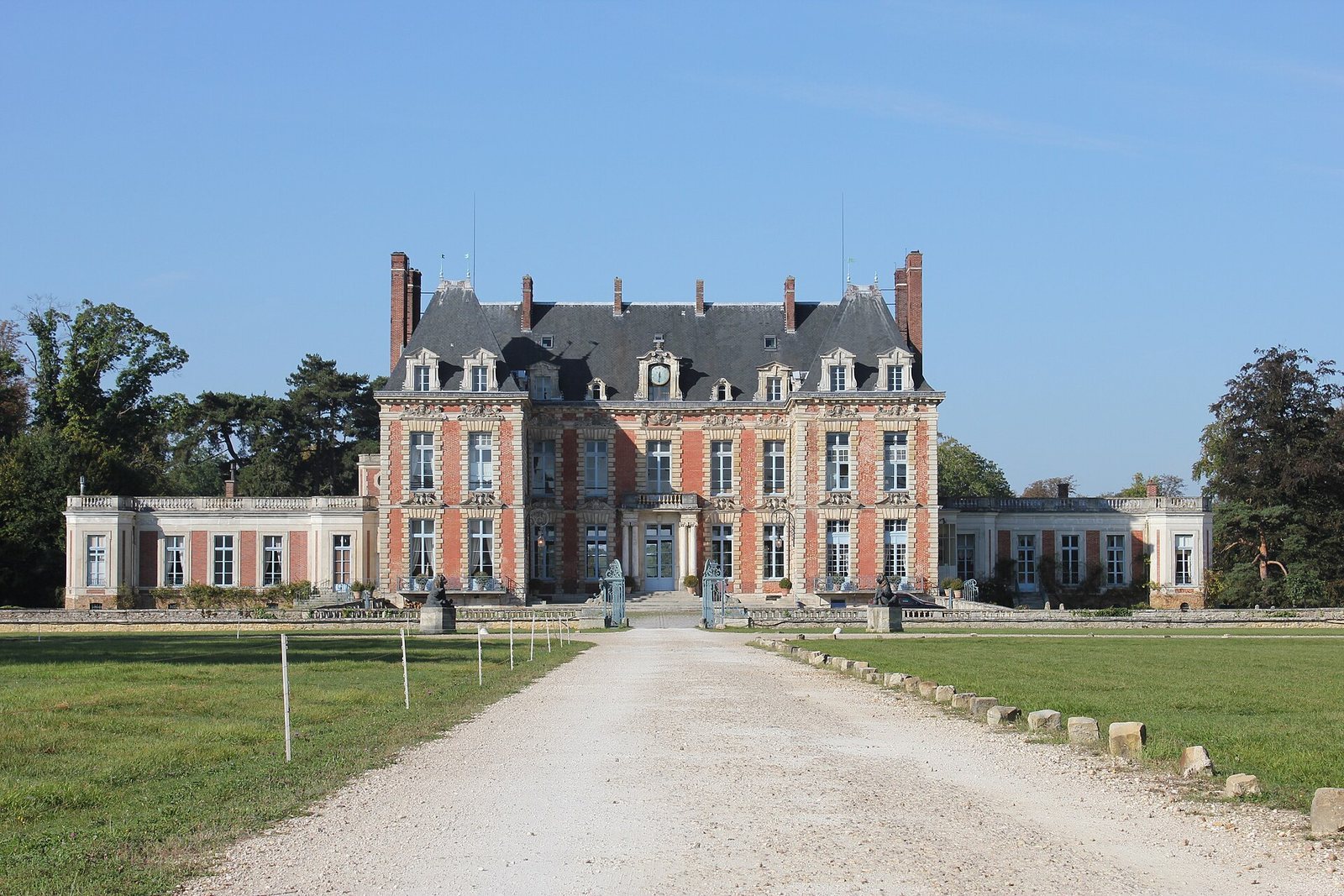
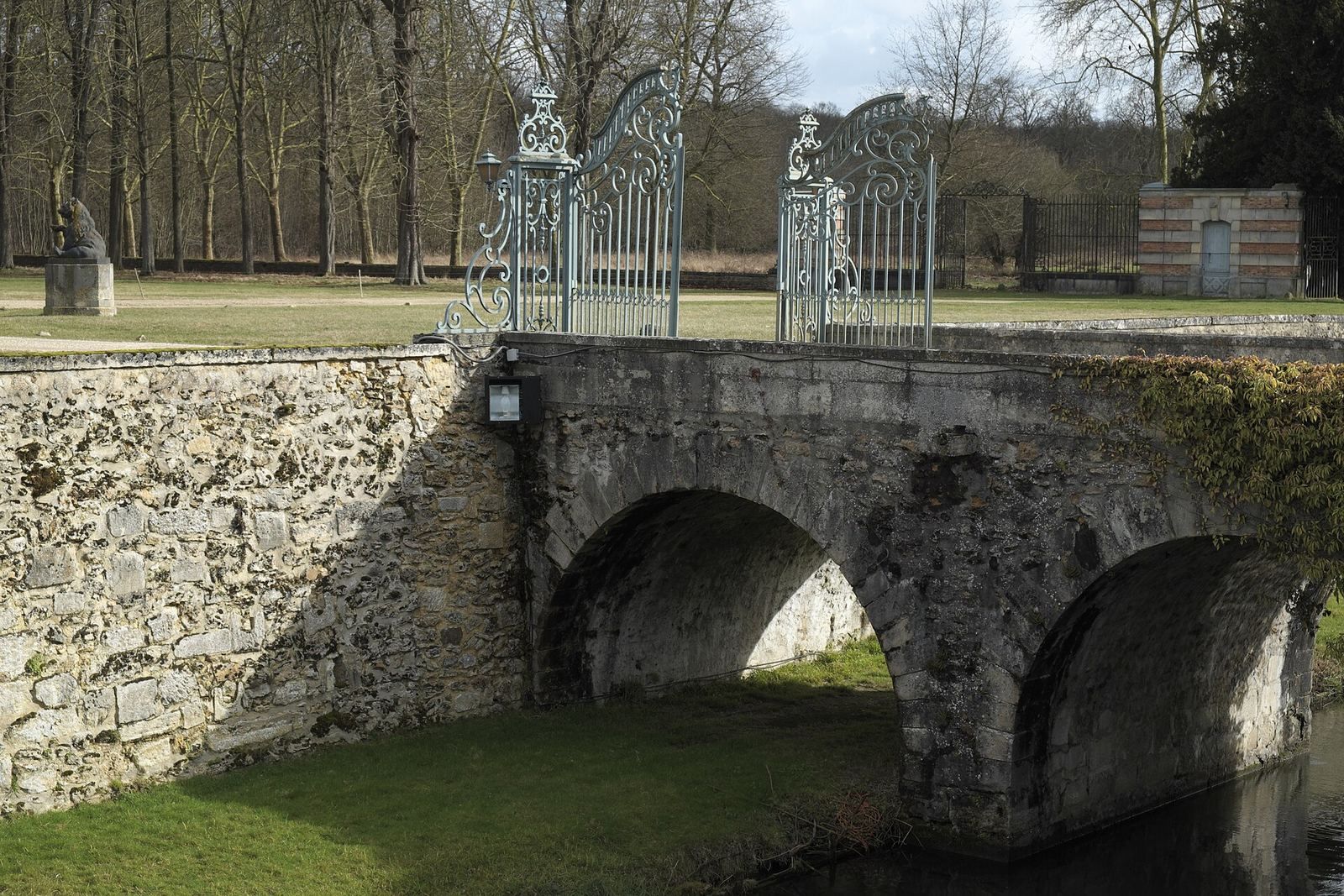
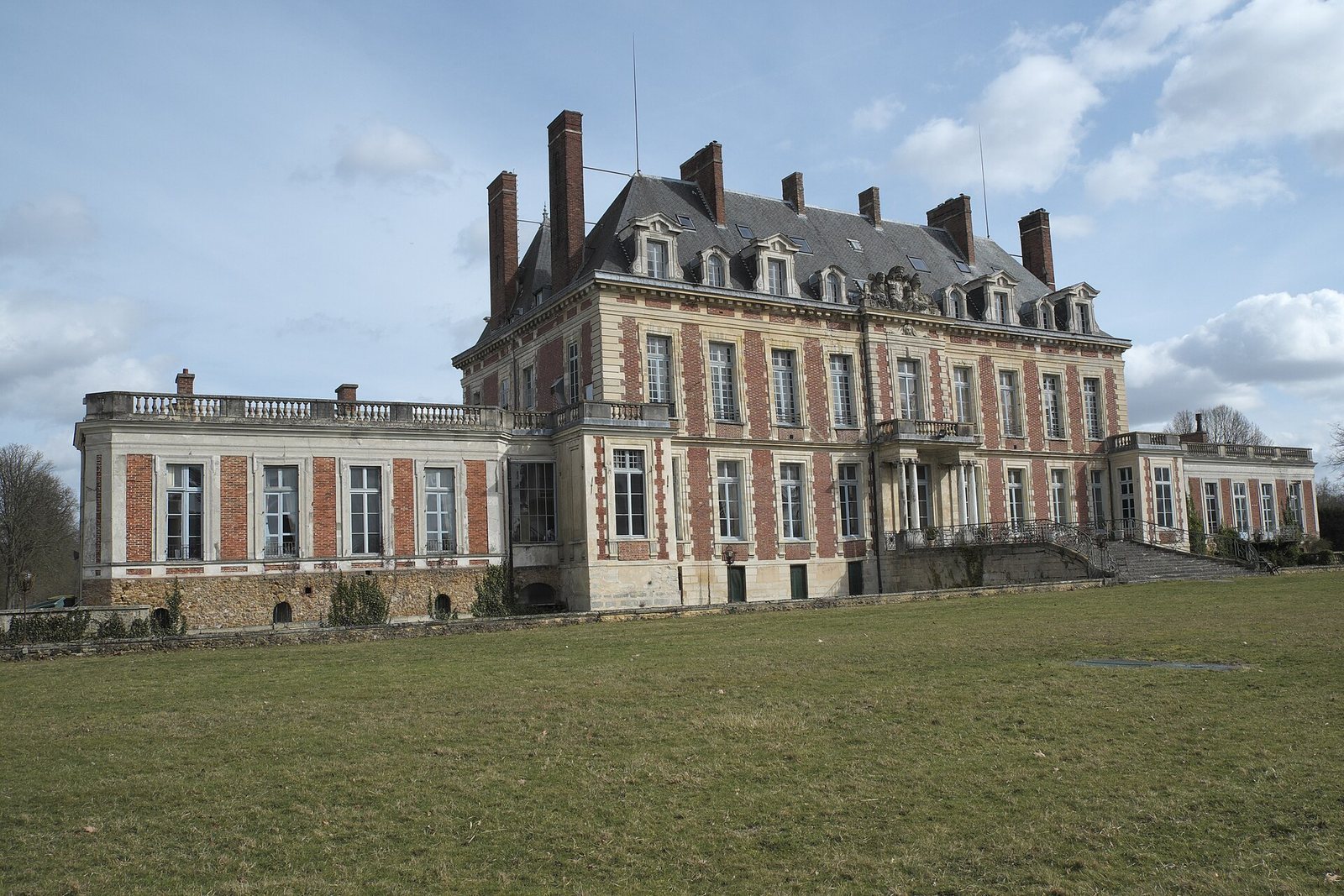
The château stands on the Villecresnes plateau in the Bois de la Grange, part of the Arc boisé, a group of forested areas in the southeastern Paris region. It lies north of the Yerres valley and the town of Yerres. Built in the Louis XIII style from brick and dressed stone, stone cut and finished for masonry, the complex rests on a raised platform. Its three-storey U-shaped main block has two low wings, while two L-shaped service buildings stand to the north. A courtyard is enclosed by dry moats, defensive ditches without water.
Approaches and formal grounds
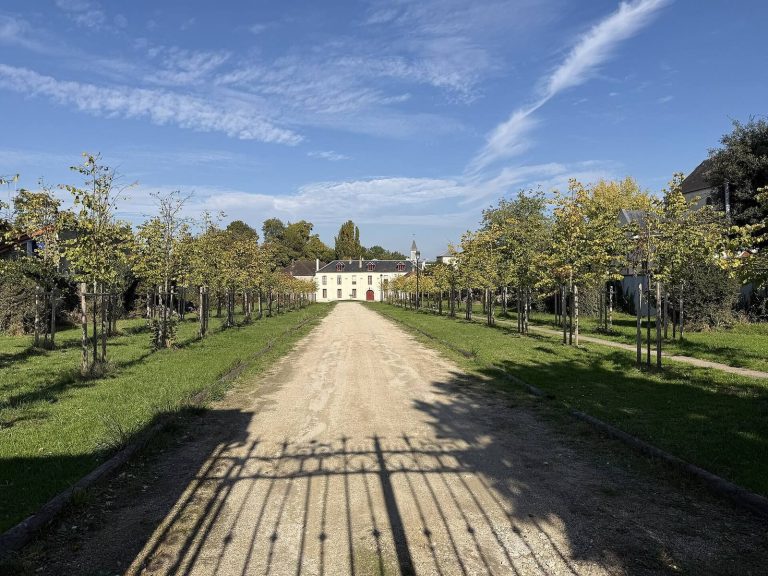
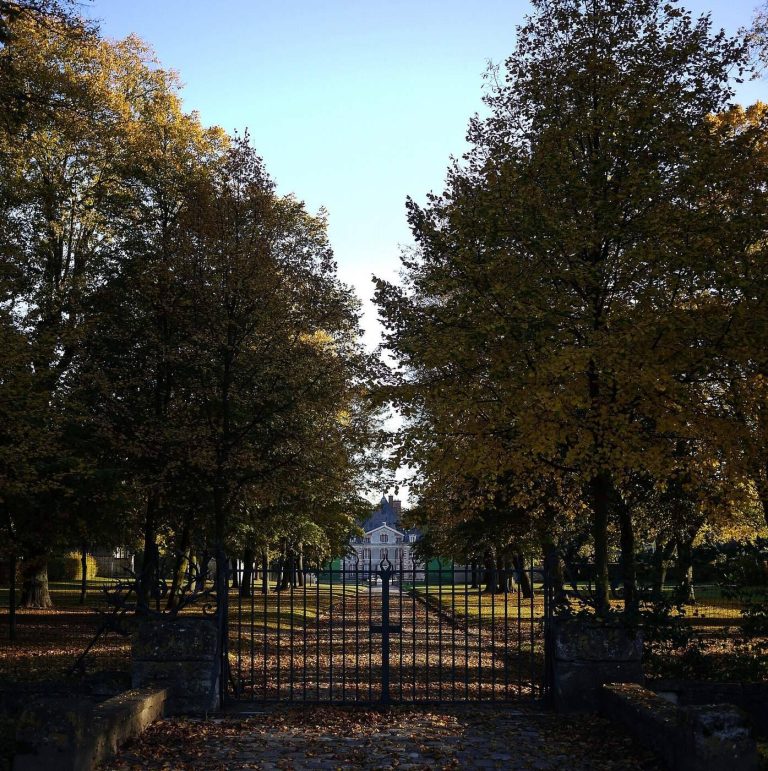
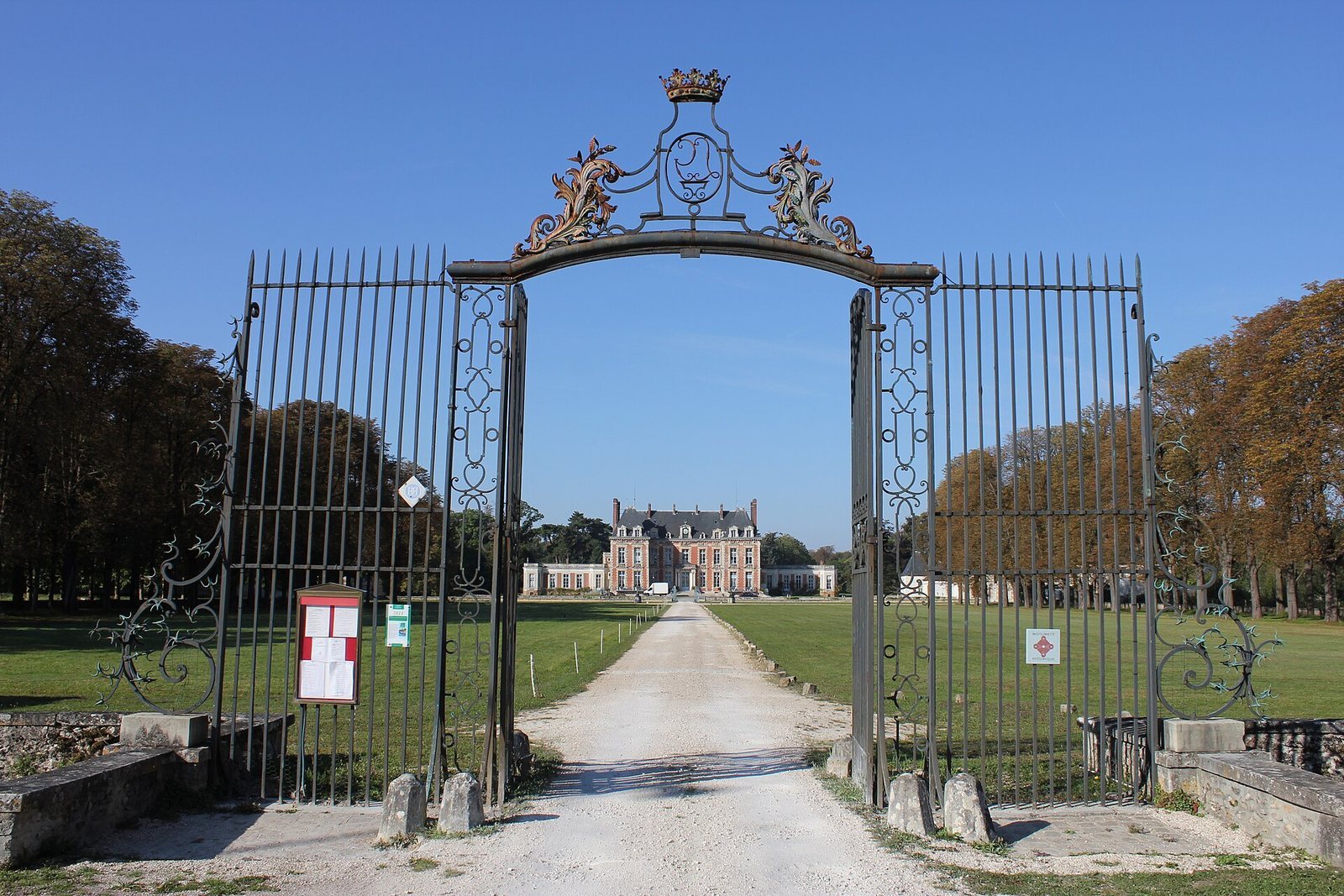
To the east are a forecourt, an avenue of honour, and a large gate flanked by two square pavilions. On the western side, a vista cuts through the forest, with a water feature in front of it within a romantic park. A French formal garden, laid out in regular geometric patterns, extends north from the service buildings.
Interior and decorative features
Salons and gallery
The interiors include a salon bearing Gaudion’s name and the pink salon. The great gallery is on the ground floor.
Shell grotto
A grotto decorated with shells occupies the southern moat. It was installed in 1635.