La Brosse-Montceaux Castle: An Eighteenth-Century Residence and Oblate Seminary
Site at a Glance
- Country
- France
- Primary era
- Early Modern
- Eras represented
- Early Modern, Modern
- Civilizations
- French
- Site type
- Domestic
- Remains
- Elite Residence
On this page5 sections
History
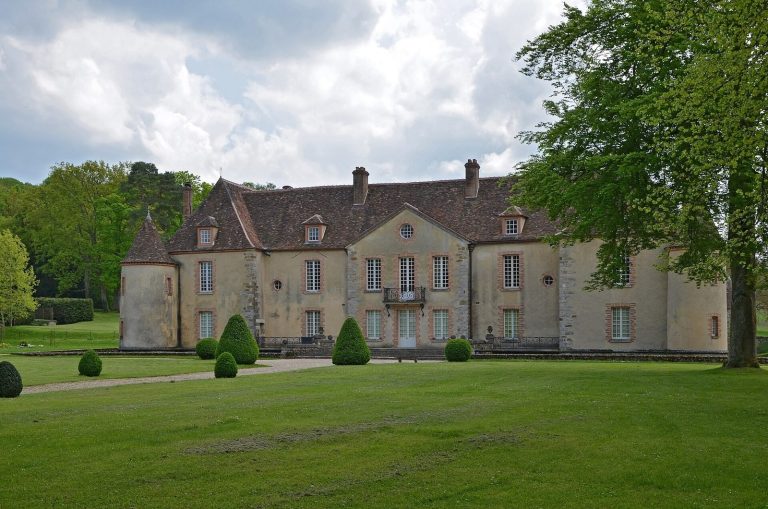
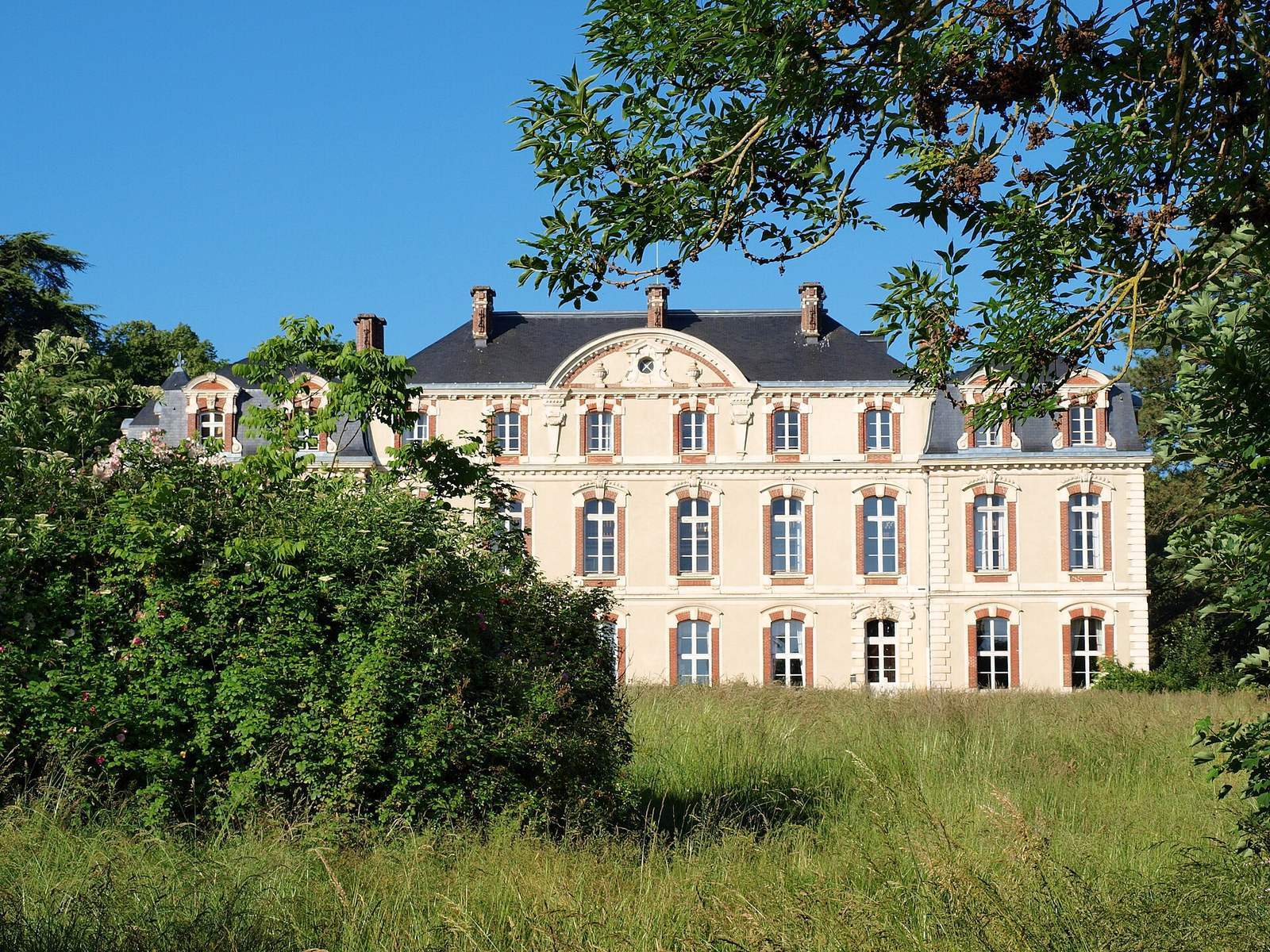
La Brosse-Montceaux Castle is a historic estate in France, between the former villages of La Brosse and Montceaux. Étienne de Breuil commissioned a château there in the sixteenth century, although the present building dates from the eighteenth century. After passing through several noble families, the estate became a seminary for the Oblates of Mary Immaculate and a site of wartime violence during the Second World War.
Noble ownership and construction
The Poisieux family acquired the estate around 1466. Its last lord later sold it to the Duchess of Étampes, who transferred it to Gallois de Bailleul in 1545. In 1568, Gallois’s widow, Jeanne de Chourses, sold the property to her second husband, Étienne de Breuil. He was a councillor of the Parlement of Paris, a pre-revolutionary French court, and a master of requests, a royal official handling petitions and administrative work. De Breuil, who also held the lordship of Genevraye, had the château built.
De Breuil’s son Claude Du Breuil, lord of Guerchy, died sometime between 1627 and 1635. The lordship was later seized from the Du Breuil estate. In 1666, the Pâris family acquired the property and adopted the name Pâris de la Brosse. The château remained in the family until the nineteenth century.
An Oblate seminary and the Second World War
In the twentieth century, the Oblates of Mary Immaculate, a Catholic missionary congregation, used the château as a novitiate, the initial period of formation for those entering a religious order. In 1934, they established a seminary for the scholasticate, a later phase of religious and academic study. Michel Coquelet, Louis Leroy, and Vincent L’Hénoret studied there. They were killed in 1961 and became known among the martyrs of Laos, Catholic missionaries and other Christians killed in Laos during the mid-twentieth century.
On 24 July 1944, a Gestapo unit from Melun tortured the Oblates while searching for weapons belonging to the French Resistance. The religious members gave no information. Five were shot: Fathers Albert Piat, aged 35, and Christian Gilbert, aged 32; Brother Joachim Nio, aged 46; and scholastics Jean Cuny and Lucien Perrier, both aged 26. Their bodies were thrown into a well at the château. During the war, the property had also sheltered Pierre Brossolette, a French journalist and leading Resistance figure.
The other 86 religious residents, including priests, brothers, and novices, were sent to the Compiègne camp for deportation to Germany. Their train was halted there, and the 1944 Liberation of France from German occupation enabled them to return to La Brosse-Montceaux. The seminary closed in the late 1970s because of a lack of vocations.
Later use
At the wish of Pierre Brossolette’s son, Claude Pierre-Brossolette, Crédit Lyonnais acquired the château in 1994 and used it as a family holiday home. The bank later became LCL after its acquisition by Crédit Agricole. Following financial difficulties, LCL’s central works council decided to sell the property in 2012. It remained abandoned for several years, and a purchase was proposed to establish a pastry school. By the late 2010s, the château was being used as a holiday rental.
Remains
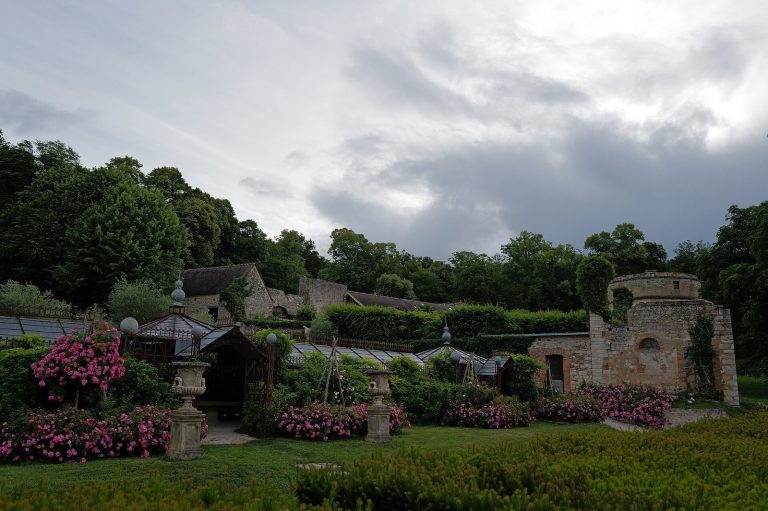
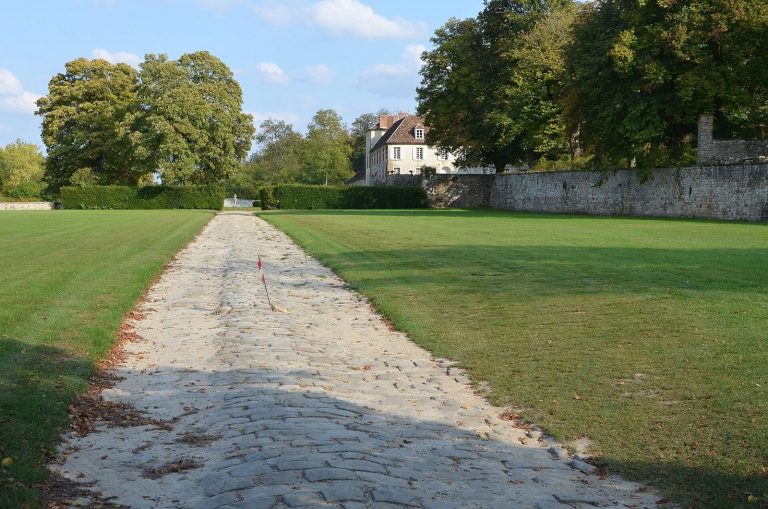
The château stands between the former villages of La Brosse and Montceaux. Its present building dates from the eighteenth century and is constructed of stone and brick beneath a rendered finish. A well is located within the château.
A stone stele commemorates the five Oblates killed in 1944. Its inscription reads, “No one has greater love than to lay down one’s life for one’s friends.”