Notre-Dame Church, Moret-sur-Loing: A Gothic Catholic Church
Site at a Glance
- Country
- France
- Primary era
- Medieval
- Eras represented
- Medieval, Early Modern, Modern
- Civilizations
- French
- Site type
- Religious
- Remains
- Church
On this page15 sections
History
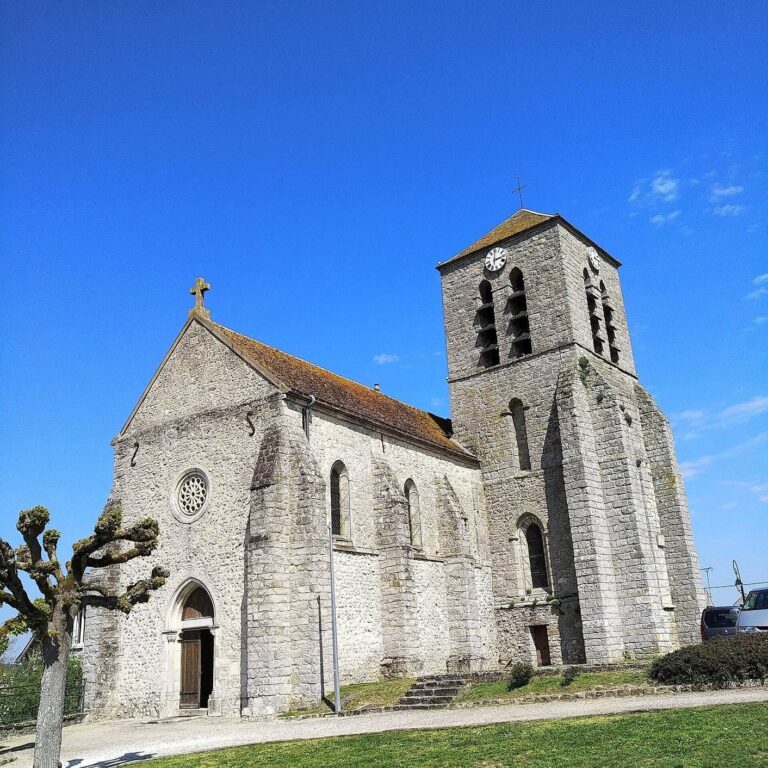
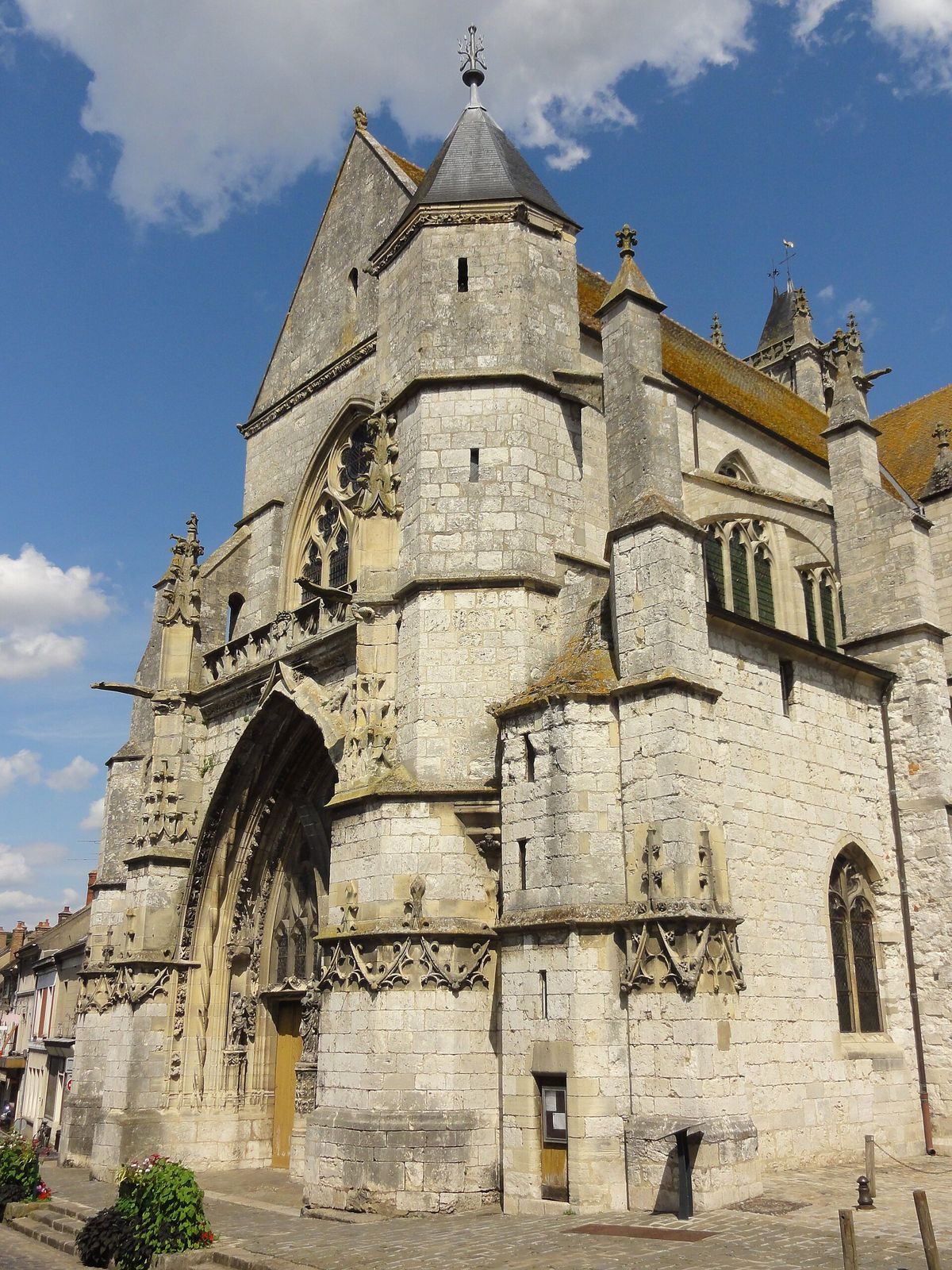
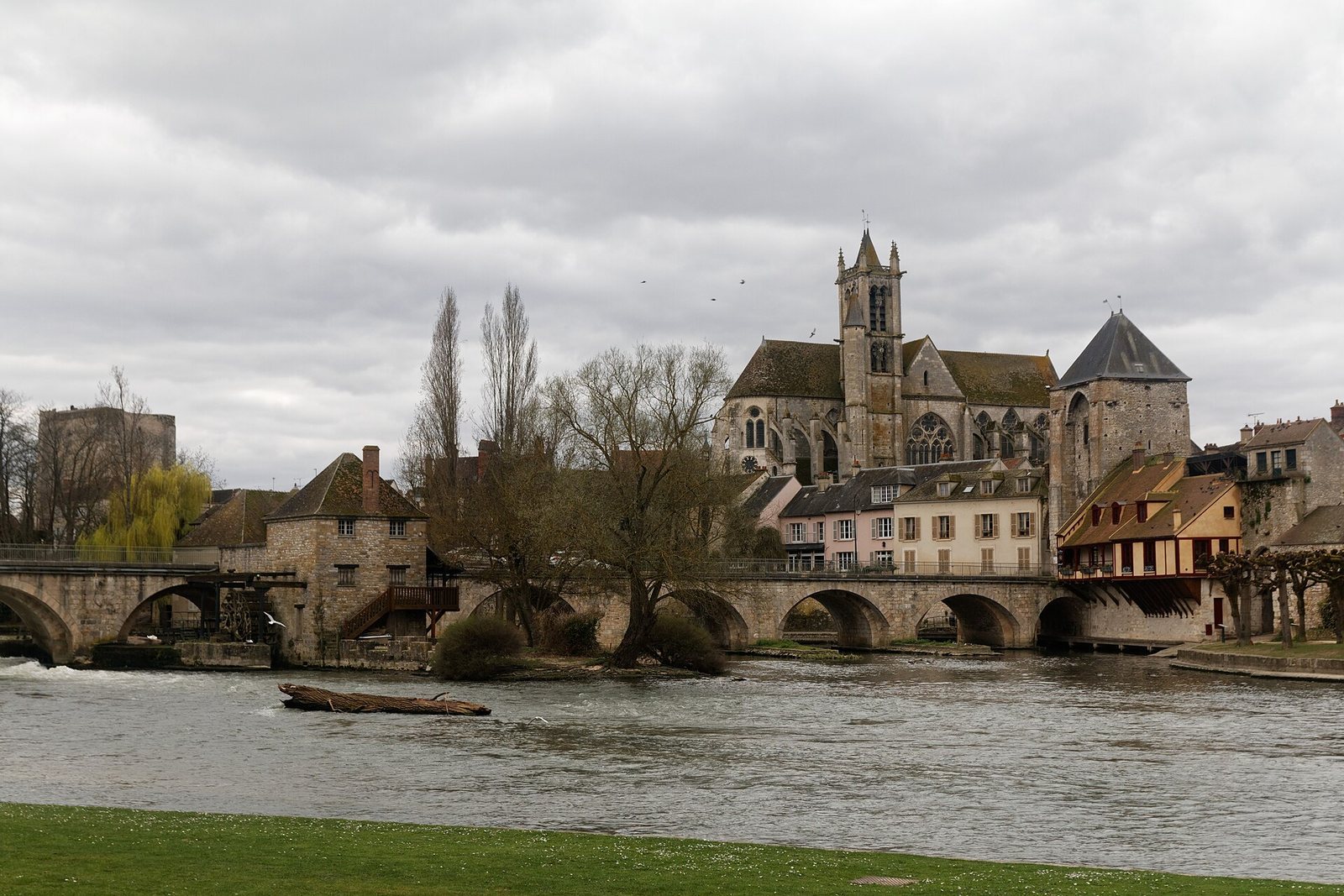
Notre-Dame Church, Moret-sur-Loing, is a Catholic church dedicated to Mary in France. Its construction began in the 12th century in the Gothic style, a medieval architectural tradition, on the site of an earlier Romanesque church, another medieval style. Building continued for just over two centuries.
Medieval construction
Work began with the apse and choir in the 12th century, continued with the transept in the 13th, and reached the nave in the 14th. The main façade and bell tower followed in the 15th century. The church belongs to the Diocese of Meaux, the territorial jurisdiction of a bishop, and the Montereau missionary center, a local pastoral grouping.
The church was classified as a French historic monument in 1840. An associated relief received the same classification in 1921.
The organ
An early organ stood along the church’s south wall. In 1664, organ builder François du Castel made a new instrument with 15 stops, a hand-operated keyboard, and a foot-operated pedalboard linked to it. Alexandre Laurent improved it in 1690. Following the French Revolution, the political upheaval that began in 1789, the organ deteriorated until it was no longer used, and some of its pipes were sold.
Damage and restoration
On 24 August 1944, an explosion at a nearby bridge damaged stained glass in the church. In the 1980s, Moret-sur-Loing’s municipal authorities decided to restore the organ. Michel Giroud worked on its case in the early 1990s; the instrument was restored in 2000, the case remained without pipes until 2001, and the organ returned to the church in 2002. A year-long restoration of the façade culminated in its reinauguration in September 2018.
The Impressionist painter Alfred Sisley depicted the church in 14 paintings. One of these works dates to 1893.
Remains
Building and interior
Plan and elevations
The church is a three-aisled Gothic hall with a transept, the crosswise part of its plan. Its main nave measures 46 metres long and 21 metres high. The choir, apse, the part that terminates the choir, and transept rise through three levels. The apse has staggered pairs of small circular windows, as well as a stained-glass window that admits light. The design appears to have been influenced by Notre-Dame de Paris.
Nave columns
Eight columns support the nave’s vaults. Each carries a painted panel showing an apostle. One depicts Saint Peter holding a key, with a rooster at his feet; Peter is traditionally associated with keys in Christian tradition.
Doors and furnishings
Sacristy door
Donated to the church in 1874, the sacristy door has two panels depicting Apollonia, Catherine, and Barbara, Christian martyrs; John the Baptist, the prophet who baptized Jesus; Nicholas, an early Christian bishop; and an unidentified bishop. A single-leaf door with iron fittings, including bolts and wrought-iron strap hinges, is also among the church’s furnishings.
Bells and devotional objects
The church has two bronze bells. An inscription on one names the church and parish administration of Notre-Dame de Mont-en-Gâtinais as its makers and says that it was named Marie in 1525. Other furnishings include a baptismal font, a crucifix, and statues of Mary Magdalene, a follower of Jesus; Saint Anne, identified in Christian tradition as Mary’s mother, with the Virgin; Saint Barbara; and the Virgin and Child.
Windows and portal
Stained glass
Stained-glass windows depict Saint Margaret, a Christian martyr, and the Virgin and Child. The window at the baptismal font, titled The Nativity of Saint John the Baptist, was damaged in the 1944 explosion. A 1907 watercolor showing part of this window is preserved in the local museum.
Portal tympanum
The tympanum, the area above a doorway often enclosed by an arch, has a window whose original decoration included the Trinity, the Christian belief in one God in three persons, and the Tree of Jesse, an image tracing Christ’s ancestry through Jesse, the father of King David. Three elements of the Tree of Jesse’s crowning finial remain.
Organ gallery and case
The sculpted raised gallery for the organ dates to the 15th century. Its case was made between 1530 and 1540 in the Renaissance style, a European artistic tradition that emerged in the 15th century. The restored organ has 15 stops, each controlling a group of pipes, and 1,038 pipes.