Huliheʻe Palace: A Hawaiian Royal Residence and Museum
Site at a Glance
- Country
- United States
- Primary era
- Modern
- Eras represented
- Modern
- Civilizations
- Unclassified
- Site type
- Domestic
- Remains
- Palace
On this page6 sections
History
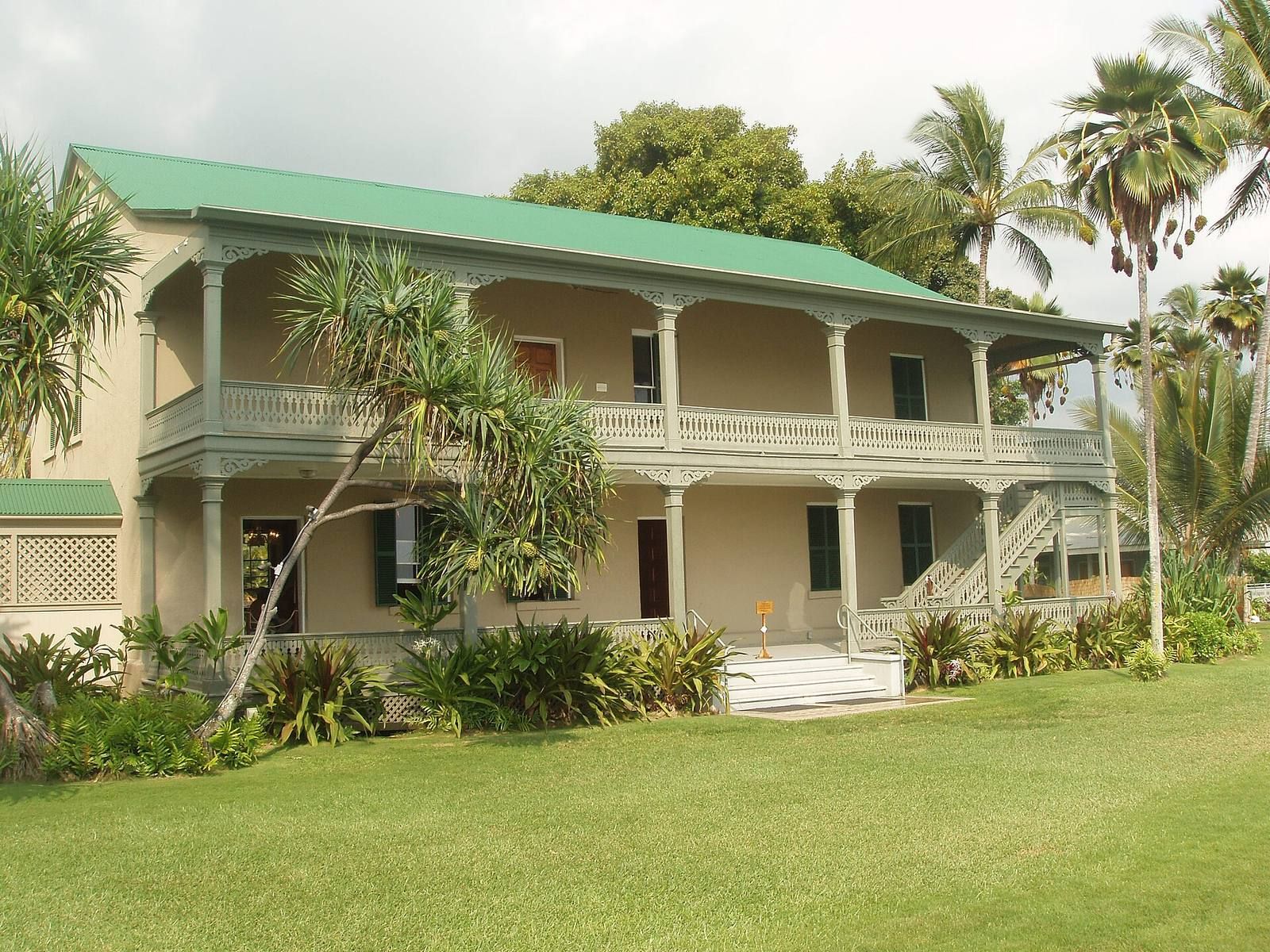
Huliheʻe Palace is a royal residence built in 1838 by John Adams Kuakini in Kailua-Kona, Hawaiʻi, United States, during the Hawaiian Kingdom, the monarchy that governed the islands until its overthrow in 1893. Kuakini, governor of Hawaiʻi Island, also served as the palace’s architect. Hawaiian royalty used it as a vacation residence.
Kuakini and the hereditary line
When Kuakini died in 1844, he left the palace to his adopted son, William Pitt Leleiohoku I, whose father was Prime Minister William Pitt Kalanimoku. Leleiohoku died during the 1848 measles epidemic and passed the property to his son, John William Pitt Kīnaʻu. After Kīnaʻu died young, the palace went to his mother, Princess Ruth Keʻelikōlani.
Ruth made the palace her principal residence for much of her life, though she preferred to sleep in a grass hut on the grounds. She invited reigning monarchs, from Kamehameha III to Liliʻuokalani, to vacation there. When Ruth died, she left the palace to her cousin and sole heir, Princess Bernice Pauahi Bishop.
Later royal owners
The palace was later sold to King Kalākaua and Queen Kapiʻolani. Kalākaua renamed it Hikulani Hale, meaning “House of the Seventh Ruler,” referring to himself as the seventh monarch in a line that began with Kamehameha I.
After Kalākaua’s death, the palace passed to Kapiʻolani. She left it to her nephews, Prince Jonah Kūhiō Kalanianaʻole Piʻikoi and Prince David Kawānanakoa.
Museum and historic recognition
In 1927, the Daughters of Hawaiʻi, an organization devoted to preserving the islands’ cultural heritage, worked with the Territory of Hawaiʻi and palace custodian Stella Maude Jones to restore the building and turn it into a museum. Its displays included furniture and artifacts. The palace was added to the National Register of Historic Places on May 25, 1973.
Remains
Building and grounds
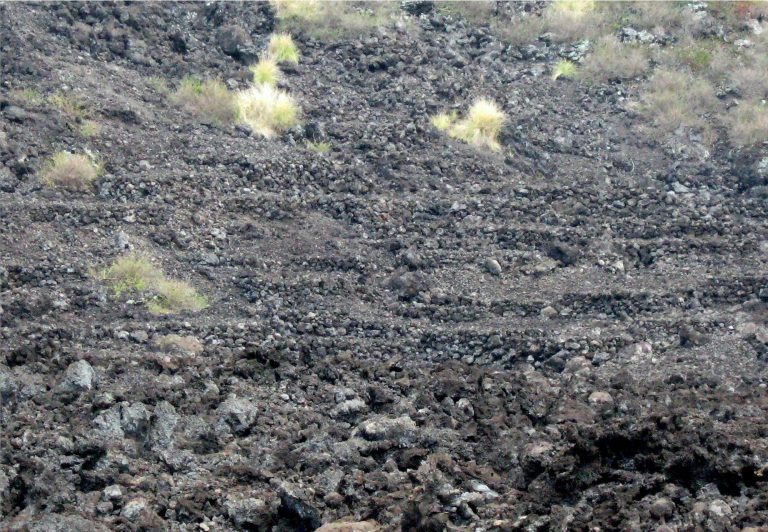
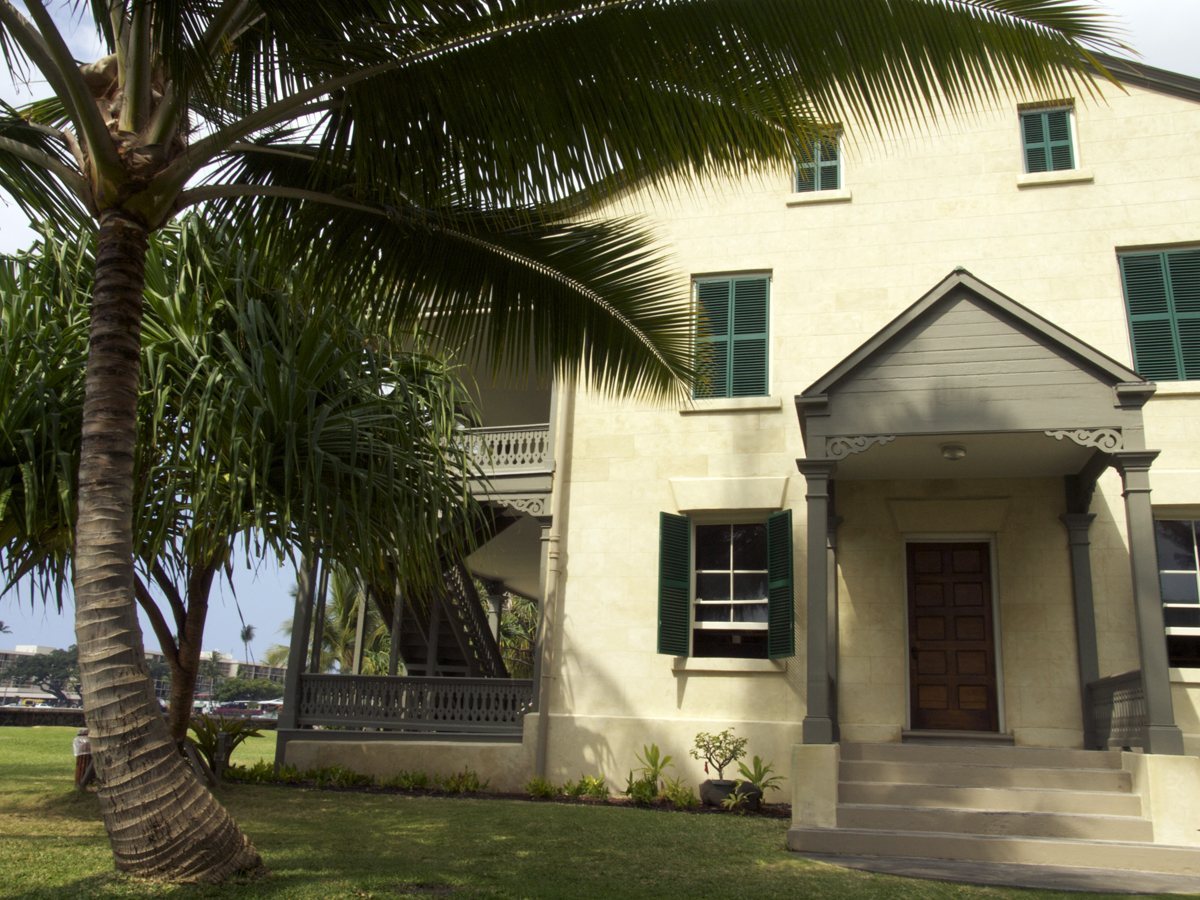
The palace occupies a one-acre site on Aliʻi Drive in historic Kailua-Kona. Its original construction used lava rock, and a grass hut stood on the grounds.
In 1885, Kalākaua had plaster applied to the exterior to give the building a more refined appearance. The 2006 Kiholo Bay earthquake, centered on the Kohala coast, caused slight cracks in the palace’s walls and ceiling. By January 2007, the south wall showed damage.