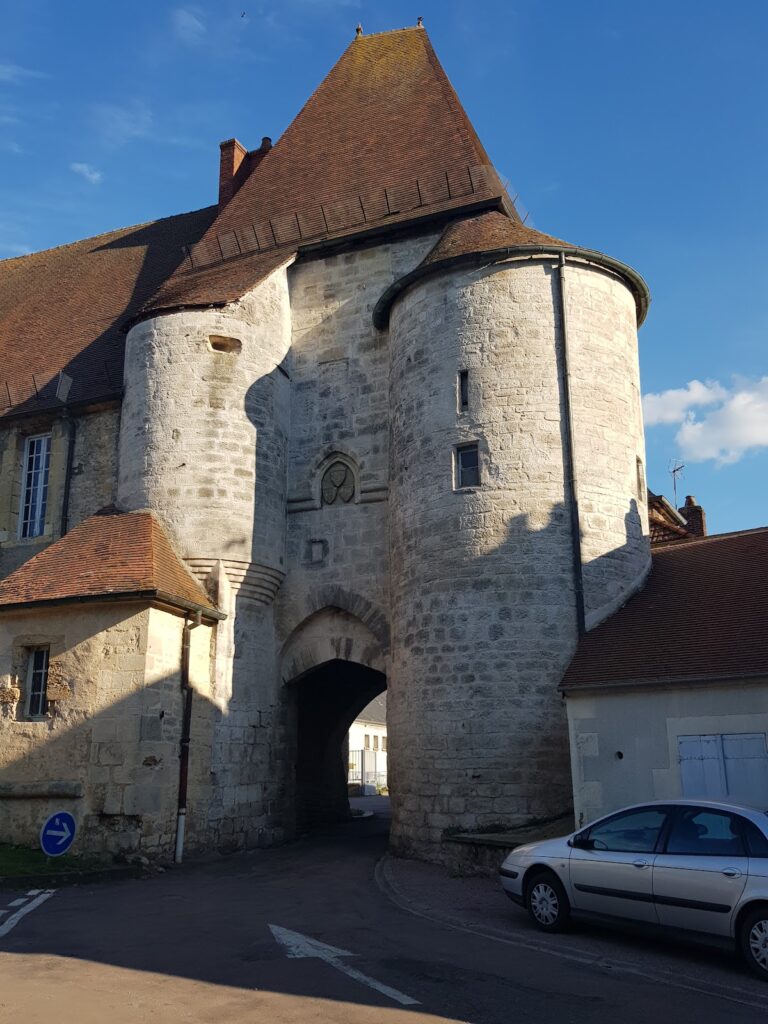
Château de Corbelin: A Historic Seigneurial Estate in France


Site at a Glance
- Rating
- 4.6
- Popularity
- Very Low
- Country
- France
- Primary era
- Medieval
- Eras represented
- Medieval, Early Modern, Modern
- Civilizations
- French
- Site type
- Military
- Remains
- Castle
On this page8 sections
History
Château de Corbelin is a historic seigneurial estate in France, at La Chapelle-Saint-André in the Nièvre department. Its earliest official mentions date from the twelfth century, when it occupied a position between the County of Nevers and the Barony of Donzy. This location gave the estate local political and economic importance.
Medieval Fortification
During the episcopate of Guy de Mello, a count-bishop of Auxerre who held both religious and territorial authority, Geoffroy de Corbelin built a wooden bretèche, a small fortified structure, together with other dependencies. He did so without the bishop’s permission. Countess Mahaut of Auxerre mediated a settlement at Coulanges-sur-Yonne on 31 May 1249. Geoffroy was allowed to keep the buildings already erected, but he could not construct additional buildings or enlarge the existing ones.
Lords and Economic Activity
The recorded lords of Corbelin included Étienne Le Muet, who was lord of Corbelin in 1459 and served as lieutenant to Pierre de Longueil, bishop of Auxerre, in the Varzy bailiwick. His son Guillaume Le Muet was recorded in 1471, followed by Guillaume’s son Jean. Jean’s sons, Léonard and Philibert Le Muet, were recorded in 1550, and André Le Muet in 1594.
Corbelin also functioned as an estate with substantial economic activity. Iron production continued there until the middle of the nineteenth century, while the estate contributed to the timber-floating trade, the transport of cut wood by river or watercourse.
Recognition and Later History
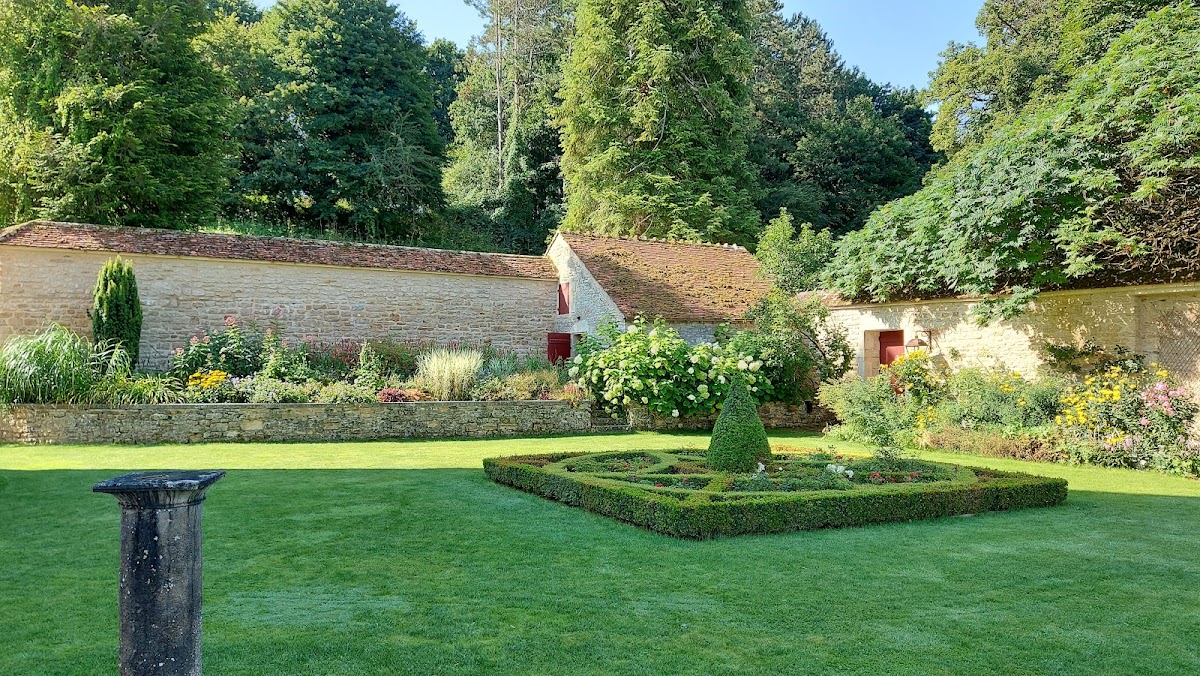
Château de Corbelin was listed as a French historic monument in 1940. It is also designated a Remarkable Garden, reflecting the continued recognition of the estate as a place of historical and cultural interest.
Remains
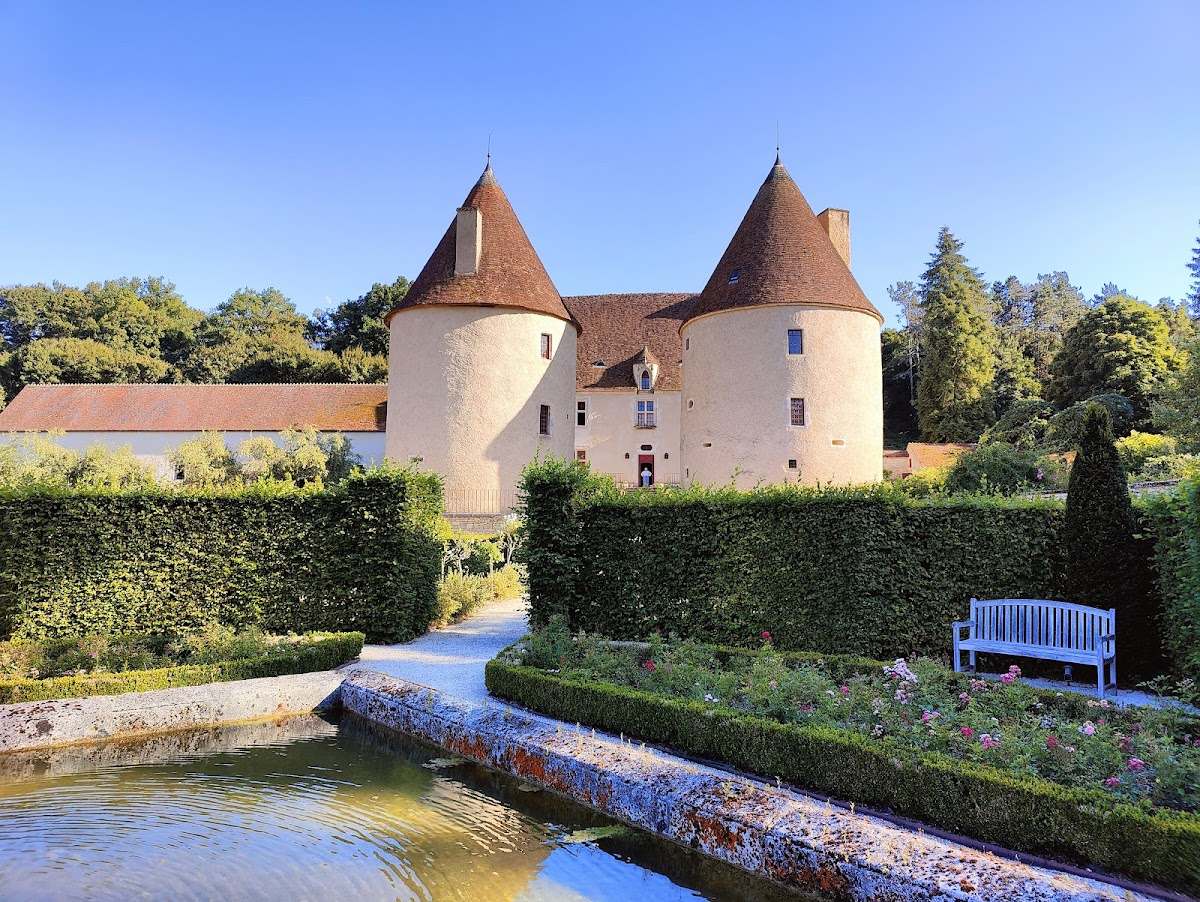
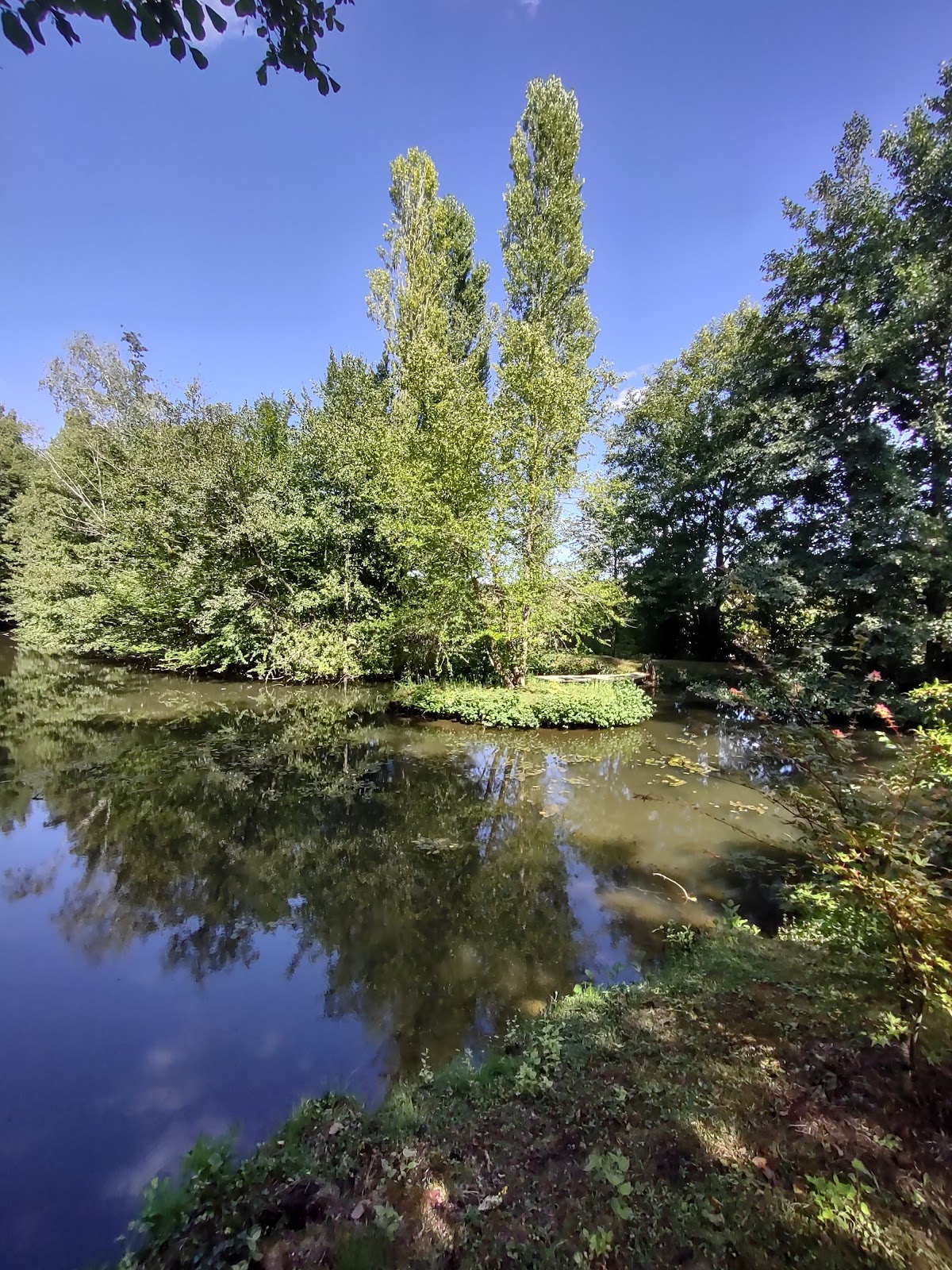
Château de Corbelin stands beside the Corbelin River. The surviving complex brings together massive medieval towers, later residential and service buildings, a nineteenth-century industrial ruin, and the remains of the earliest wooden fortified construction.
Medieval and Residential Buildings
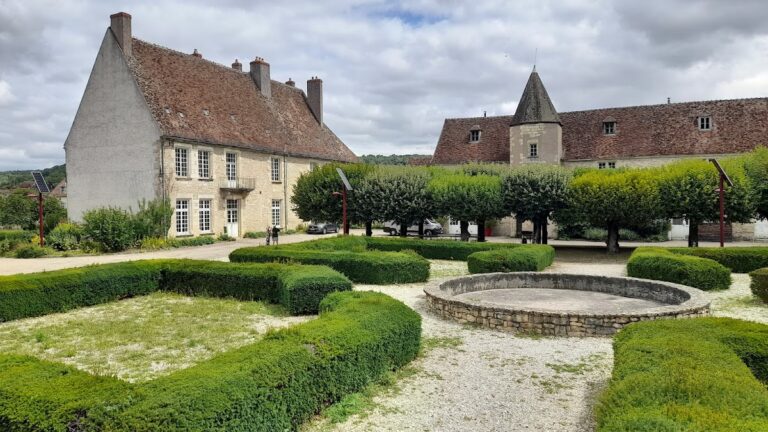
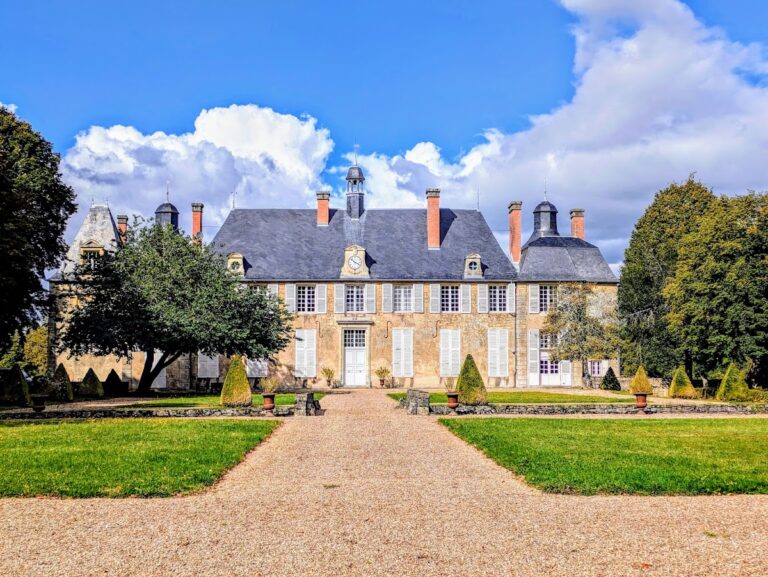
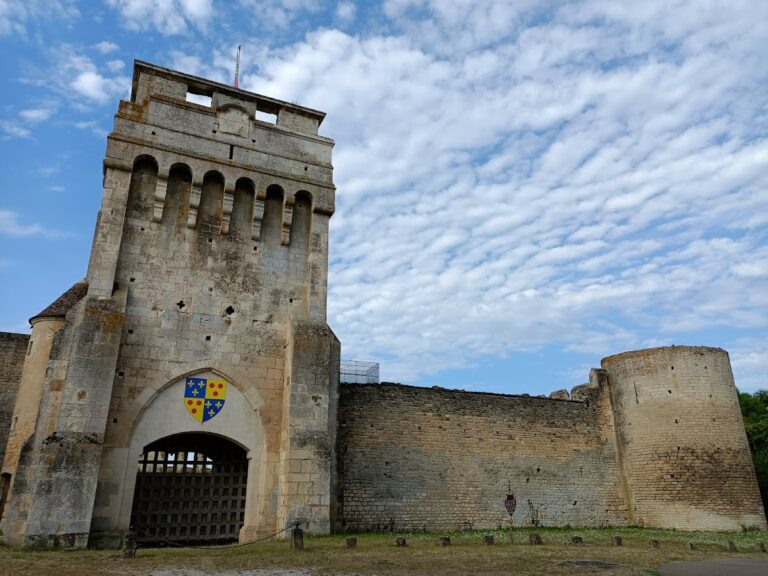
The present complex contains four massive towers dating from the end of the fourteenth century. Between the southeast and southwest towers is a two-storey residential building from the sixteenth century. An eighteenth-century utility building is attached to this residence, adding a later service component to the medieval and Renaissance core of the estate.
Industrial Remains
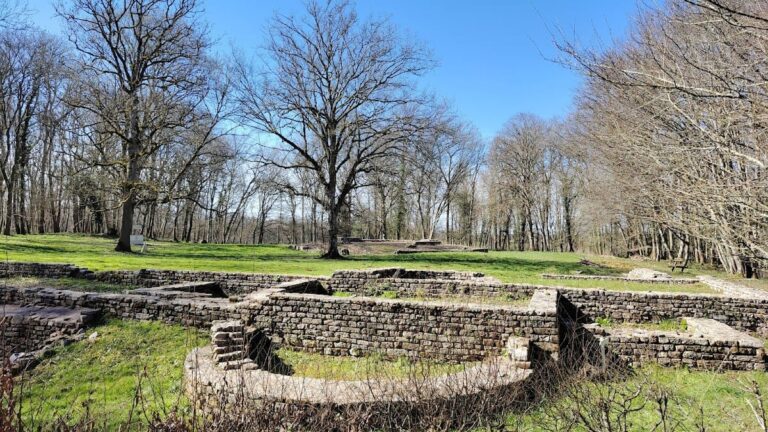
A nineteenth-century outbuilding forms another part of the complex, alongside the ruins of a nineteenth-century blast furnace. This industrial furnace was designed to smelt iron ore into iron and provides a physical link to the iron production that continued at Corbelin until the middle of the nineteenth century.
Early Fortified Construction
The earliest fortified structure associated with the site was the wooden bretèche built by Geoffroy de Corbelin, accompanied by other dependencies. Its construction and the restrictions imposed by the 1249 settlement form part of the documented early development of the estate.