Château de Treigny: A Renaissance Pleasure Château in France


Site at a Glance
- Rating
- 4.7
- Popularity
- Very Low
- Country
- France
- Primary era
- Early Modern
- Eras represented
- Medieval, Early Modern
- Civilizations
- French
- Site type
- Domestic
- Remains
- Castle
On this page7 sections
History
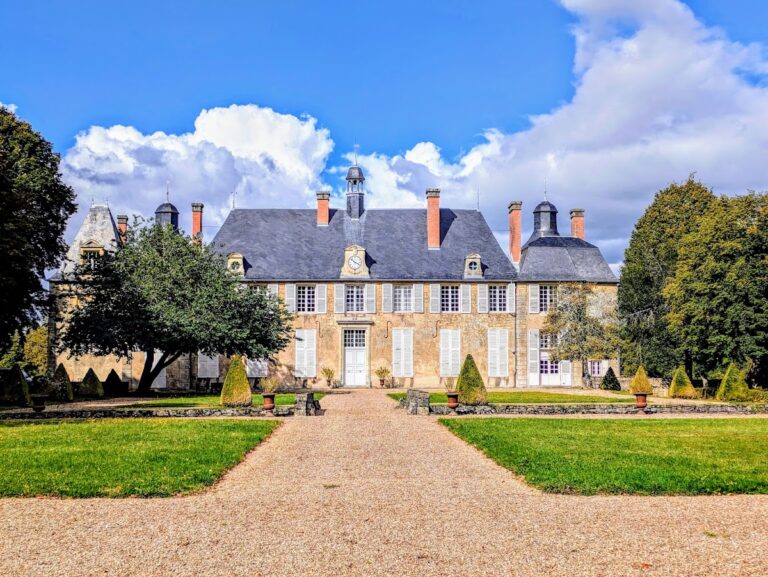
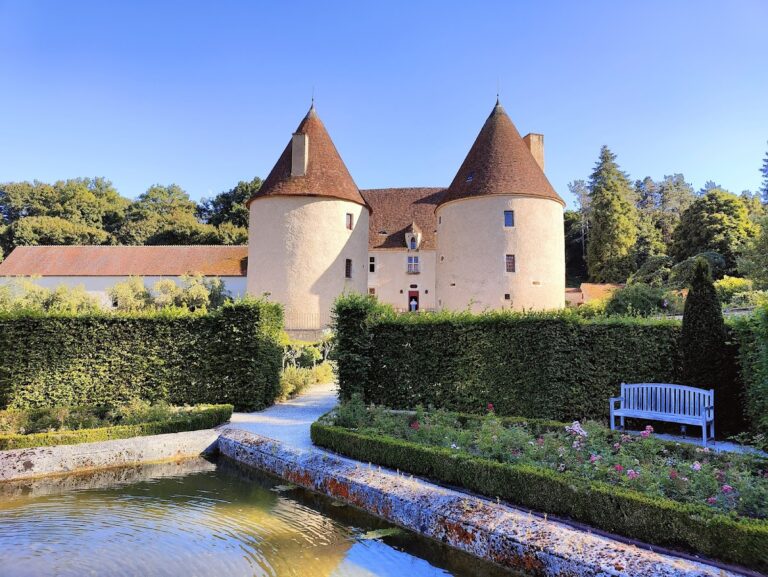
Château de Treigny is a Renaissance pleasure château in France, located at Chevannes-Changy in the historic region of Puisaye. Its present building has the regular lines of a late-eighteenth-century pleasure manor and is attached to older towers. The site developed from a fortified house whose existence was recorded in 1322, when Odet de Treigny paid homage to the Count of Nevers for his residence at Treigny.
Medieval Treigny
The name Treigny appeared in several forms over the centuries, including Treinignum in 1287, Treigniacum in 1294, Maison-forte de Trigny in 1322, Tregny in 1538, and Traigny in 1626. The 1322 reference describes a fortified house, a defensible residence that combined domestic accommodation with military protections. Treigny depended on the priory of Saint-Révérien from the time of Countess Mahaut de Montenoison. A priory was a religious establishment governed by a prior and usually subordinate to a larger ecclesiastical institution.
Changes in Lordship
Jean de Thory was identified as lord of Treigny in 1485. In February 1574, Charles de Frasnay, a squire and lord of Treigny, paid homage for the land of Treigny rather than specifically for the house. Homage was the formal feudal act through which a vassal acknowledged dependence on a superior, in this case the Count of Nevers. By 1707, the lord was Jean Marie Bonnemain, a Paris bourgeois. His name and status appear on a bell formerly belonging to Treigny Church and now kept at Saint-Cyr-et-Sainte-Julitte Church in Chevannes, where he is also named as its sponsor. The château was owned by the Chevalier de Marcy in 1790.
Parish and Estate Development
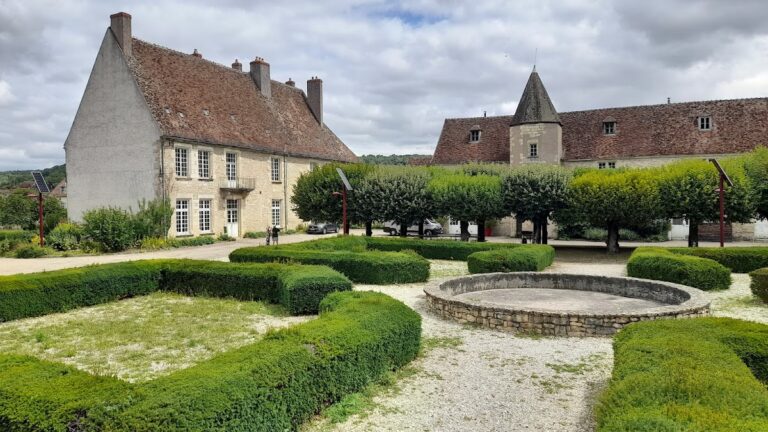
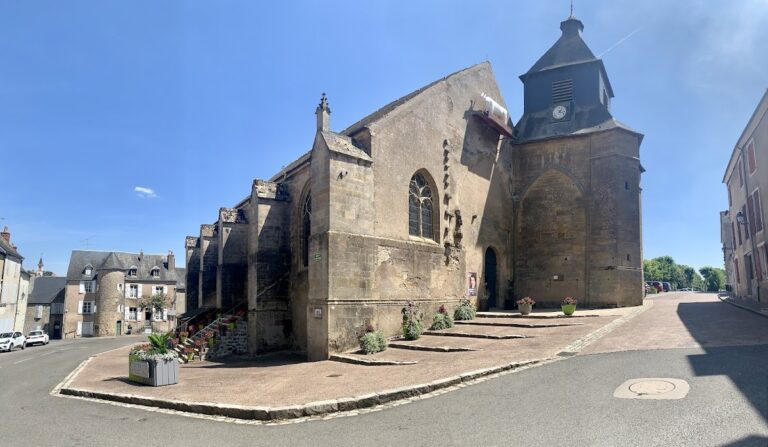
Treigny’s religious and administrative connections changed over time. Changy depended on Auxerre, while Treigny remained linked to Saint-Révérien. Treigny Church was abandoned after becoming too dilapidated, and a replacement church was built at Chevannes in 1827. In 1836, Changy and its parish church were attached to Chevannes, giving the commune its definitive name, Chevannes-Changy. A nineteenth-century military map depicts a large estate with approximately twenty houses and farm buildings. The château is now a private agricultural estate.
Remains
Château de Treigny stands in the southern part of Chevannes-Changy, at the bottom of a valley on the southeastern side of the right bank of the Treigny stream. Farther downstream, the stream becomes the Arthel stream. The present château combines the regular, classical appearance of a late-eighteenth-century pleasure manor with older tower elements.
The Château
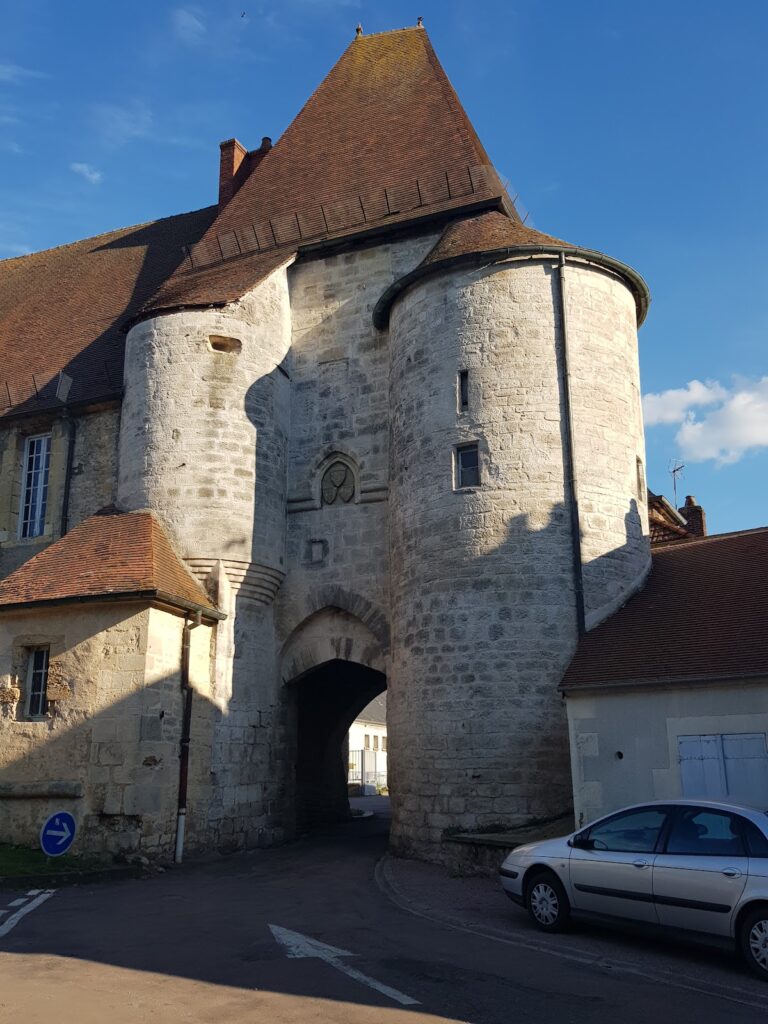
The north façade is framed by two towers, while the south façade has a stair turret. These elements connect the later pleasure-manor form with earlier parts of the complex. The building belongs to the Renaissance tradition of the pleasure château, a type associated with renewed interest in classical forms during the fifteenth and sixteenth centuries, although its present regular lines reflect a later period.
Estate and Archaeological Traces
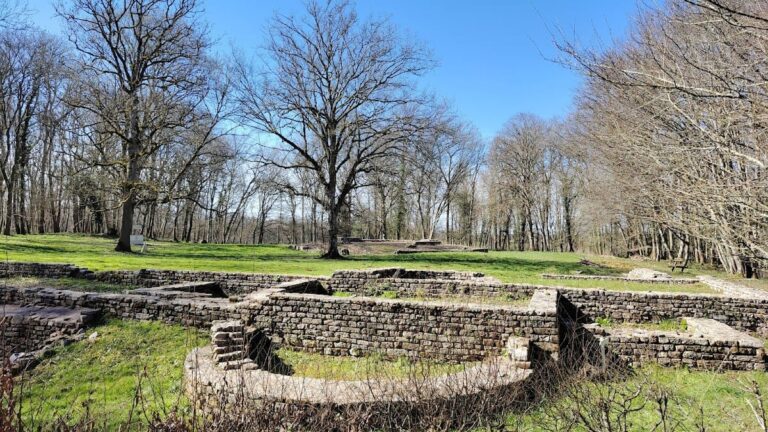
The wider estate included approximately twenty houses and farm buildings on the nineteenth-century military map. South of the château, in a field called Réserve de la Garenne on the 1790 plan, partly effaced tombstones and human bones were found during the early twentieth century. One tombstone bears the image of a sword, but no inscription is visible. These remains led the château’s owners to propose that a medieval village once stood south of the château and that Treigny’s first church may also have been located there, rather than north of the château as it was in the early twentieth century.
Nearby sites