Ballaghmore Castle: A Fifteenth-Century Clan Stronghold in Ireland


Site at a Glance
- Rating
- 4.2
- Popularity
- Very Low
- Country
- Ireland
- Primary era
- Medieval
- External website
- Open
- Eras represented
- Medieval
- Civilizations
- Irish
- Site type
- Military
- Remains
- Castle
On this page6 sections
History
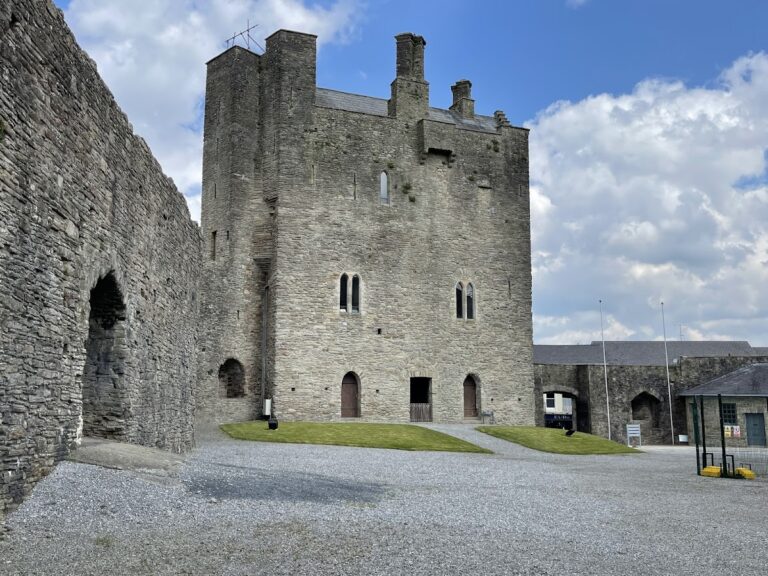
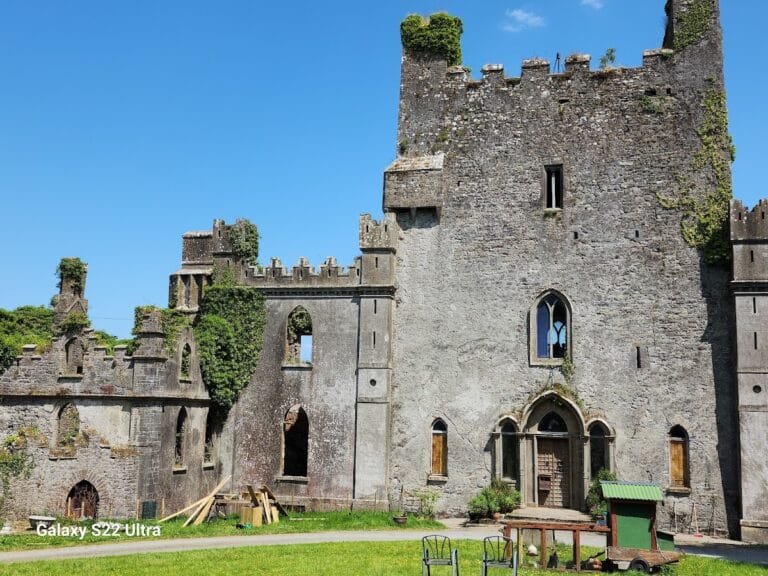
Ballaghmore Castle is a lowland castle in Ireland, built in 1480 by the Mac Giolla Phádraig clan, whose name was anglicized as FitzPatrick. The castle stands near the village of Ballaghmore in County Laois, and its name derives from An Bealach Mór, meaning “the great way,” an old road leading toward Munster, one of Ireland’s historic provinces.
FitzPatrick foundation
The castle was established by the chief of the Mac Giolla Phádraig clan during the late fifteenth century. The surrounding lands were also associated with members of the Keh, O’Grady, Gilmartin, Rigne, Phelan, Delany, and Maher clans, placing Ballaghmore within a wider network of local clan territories and settlement.
Conflict, restoration, and later use
Ballaghmore became involved in the Irish uprising that began in 1640. In 1647, troops commanded by Oliver Cromwell, the English military and political leader whose forces campaigned in Ireland during the seventeenth century, damaged the castle during military operations in Laois and Offaly.
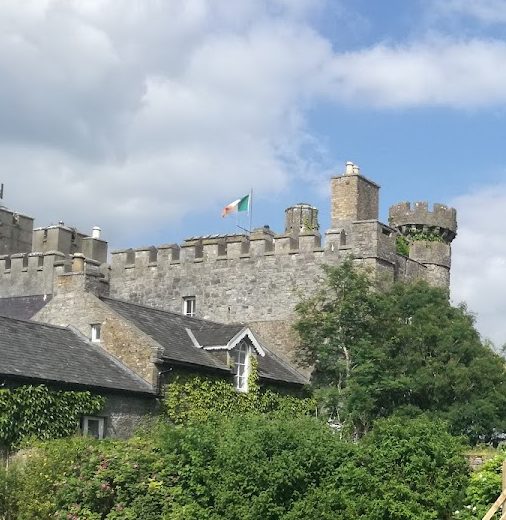
The ruin was acquired by Mr Ely in 1836. He restored the castle and discovered a hoard of gold during the work, but local farmers killed him before he could live in the restored building. Ballaghmore was later used as a grain store before being abandoned and allowed to deteriorate into a ruin. The present owner purchased it in 1990. It is described as the only castle in Upper Ossory that remains habitable.
Remains
Ballaghmore Castle is a lowland structure built from rubble stone. Its surviving fabric reflects the form of a fortified residence, while a carved figure set into the front outer wall provides a distinctive element of the castle’s physical remains.
Castle structure
The castle’s walls are constructed of rubble stone, and the building has survived through periods of damage, restoration, agricultural reuse, and deterioration. Its later restoration and continued habitability distinguish the present structure from the ruin into which it had previously declined.
Sheela-na-Gig carving
A Sheela-na-Gig, a medieval or later carved figure displaying exaggerated female genitalia, is set into a corner stone of the front outer wall. The figure has a twisted face and a death-like appearance. Its emphasis on female sexual organs has been connected with the cycle of birth and death, while other interpretations regard such carvings as fertility figures or protective images intended to guard castles against evil supernatural forces. Sheela-na-Gig figures occur in Ireland and Britain, although only some survived the nineteenth-century Victorian period.