Château d’Aigremont: A Pleasure Residence in Belgium


Site at a Glance
- Rating
- 4.2
- Popularity
- Low
- Country
- Belgium
- Primary era
- Early Modern
- External website
- Open
- Eras represented
- Early Modern
- Civilizations
- Holy Roman Empire
- Site type
- Domestic
- Remains
- Elite Residence
On this page6 sections
History
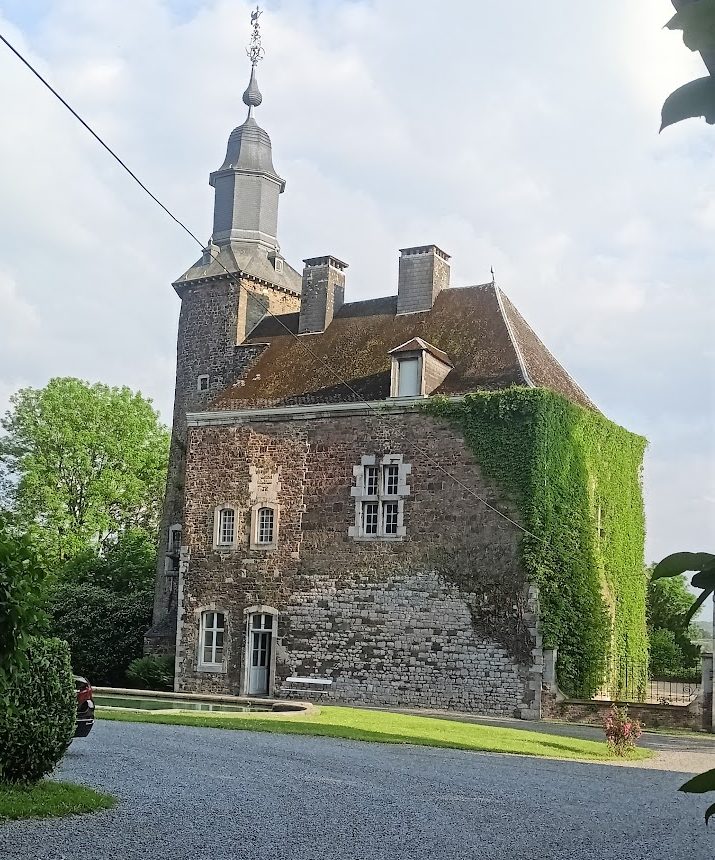
Château d’Aigremont is an 18th-century pleasure residence in Belgium, located at Aigremont in the Awirs district of Flémalle. Built between 1717 and 1727, it replaced a medieval fortified stronghold with a residence shaped by classicist architecture, the formal French Louis XIV style, and Baroque influences associated with the Prince-Bishopric of Liège.
Medieval Stronghold
The origins of Aigremont are uncertain and are surrounded by legends. The site is mentioned around 900, when it was already a fortified stronghold. During the Middle Ages, it belonged to the sphere of authority of the Prince-Bishopric of Liège, an ecclesiastical principality in which the prince-bishop combined religious rule with territorial and political power.
The fortress also provided refuge for opponents of the Liège prince-bishops. William I de la Marck, a fifteenth-century nobleman and military leader, is recorded at Aigremont in 1468.
Transformation into a Residence
In 1715, canon Mathias Clercx acquired the seigneurial estate from the de la Marck family. A canon was a cleric attached to a cathedral or collegiate church, often involved in administration as well as religious duties. Clercx commissioned a new residence, and between 1717 and 1727 the medieval fortress was replaced by the present château, conceived as a pleasure residence.
The name Aigremont is linked by legend to Duke Beuve d’Aigremont, his wife Druwane, and their son Maugis. These figures appear in the medieval narrative poems The Four Sons of Aymon and The Song of Maugis of Aigremont, known as chansons de geste, a genre concerned with heroic figures, warfare, lineage, and conflict. In these stories, the protagonists oppose Charlemagne, the early medieval Frankish emperor who became a central figure in the literary tradition.
Château d’Aigremont has protected-heritage status in Wallonia. Its staircase and entrance hall have additionally been recognized as exceptional Walloon heritage.
Remains
Site and Exterior
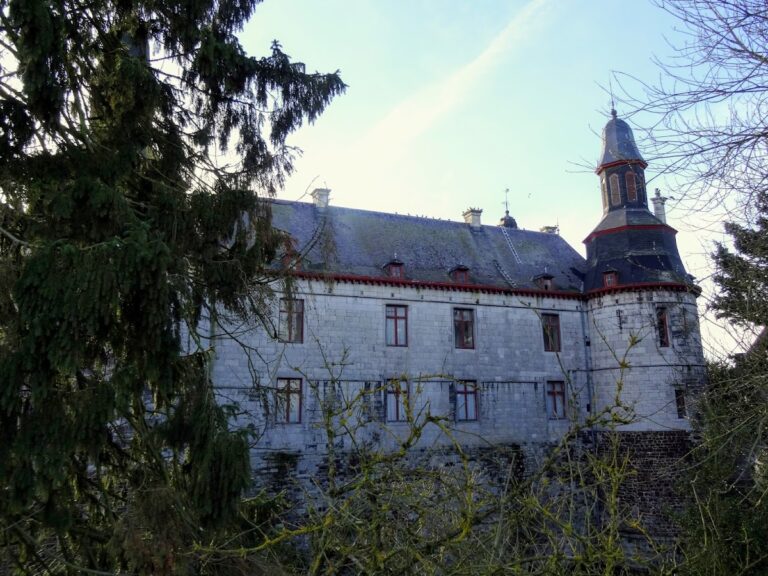
The château occupies a rocky ridge approximately 80 metres above the left bank of the Meuse, about 17 kilometres southwest of Liège. The complex was built between 1717 and 1727 in a balanced composition influenced by French Louis XIV classicism and Baroque architecture in the Prince-Bishopric of Liège.
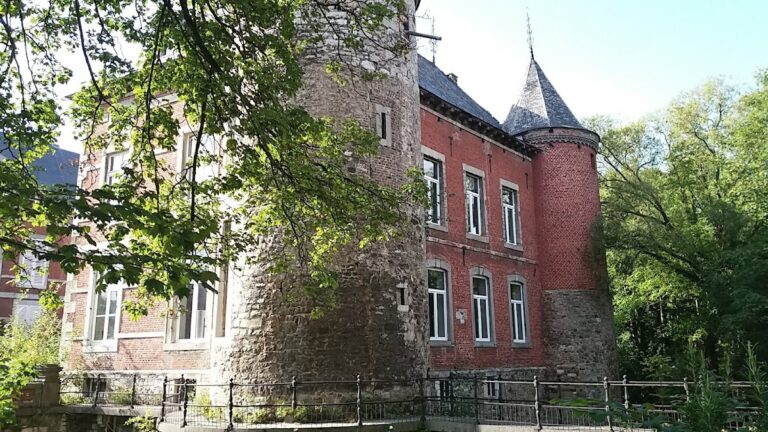
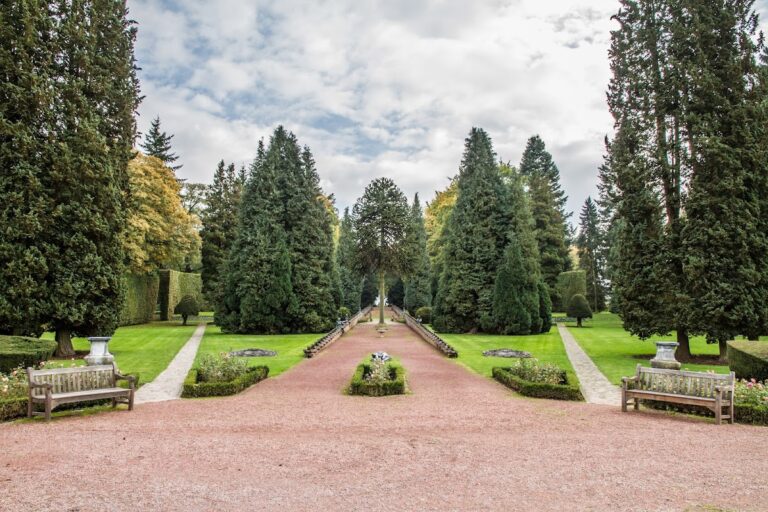
Red brick forms the principal exterior material, while white sandstone is used for the plinths and window surrounds. The design is closely related to that of the nearby Val-Saint-Lambert Abbey. Terraces in the grounds were arranged as a French garden, and the estate also contains the canon’s private Baroque chapel.
Interior Decoration
The interior includes a richly coloured ceremonial staircase and a stairwell decorated with ceiling paintings by Delloye. These paintings use trompe-l’oeil, a technique that employs realistic perspective and shading to make architectural forms appear three-dimensional on a flat surface. The stairwell paintings are described as unique in Belgium, while the staircase and entrance hall form part of the château’s exceptionally protected heritage.
Nearby sites