Chapelle Sainte-Agathe de Langon: A Gallo-Roman Chapel in France
Site at a Glance
- Rating
- 4.5
- Popularity
- Very Low
- Country
- France
- Primary era
- Classical
- External website
- Open
- Eras represented
- Classical, Medieval, Early Modern
- Civilizations
- Roman
- Site type
- Religious
- Remains
- Chapel
On this page7 sections
History
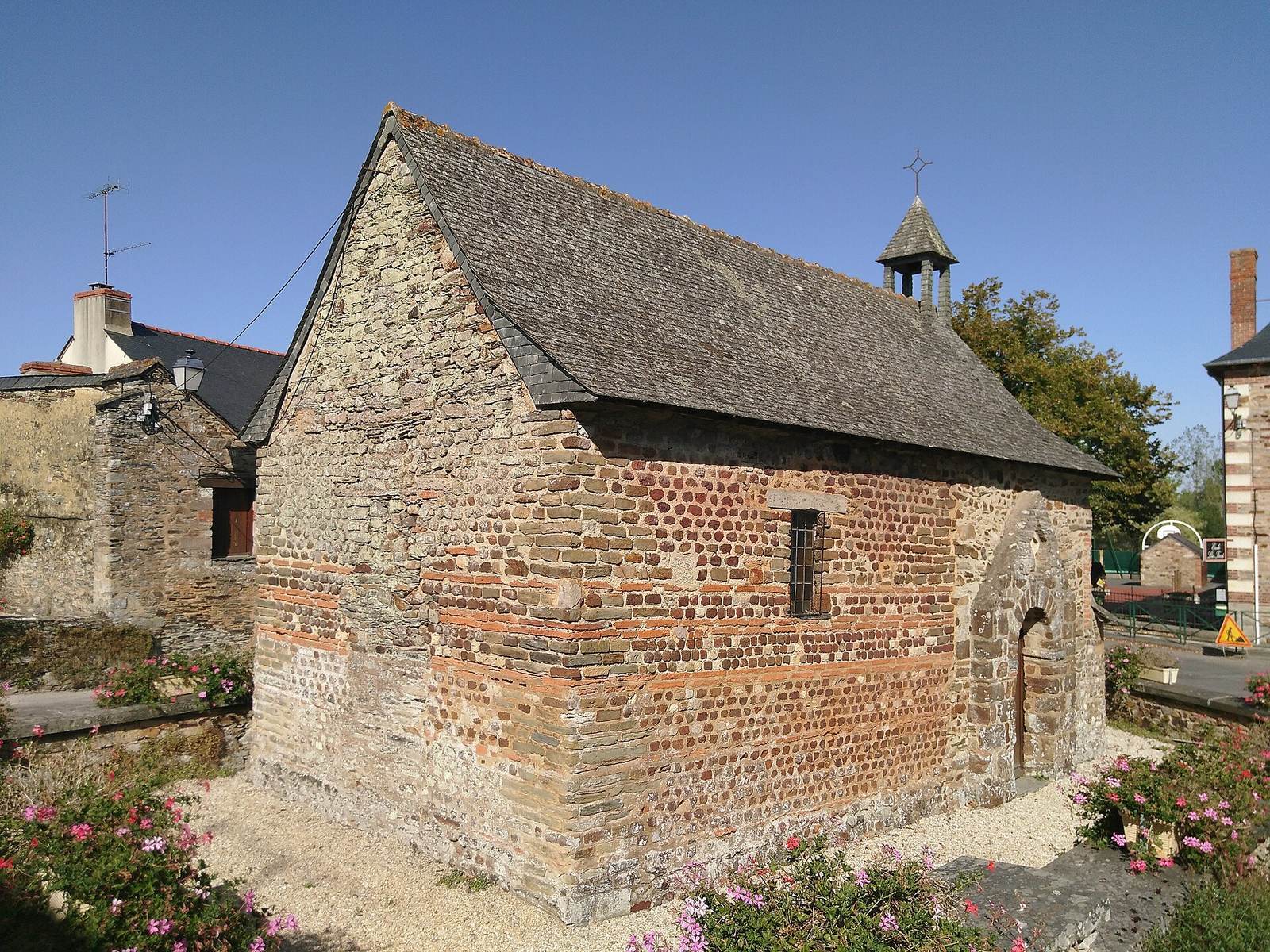
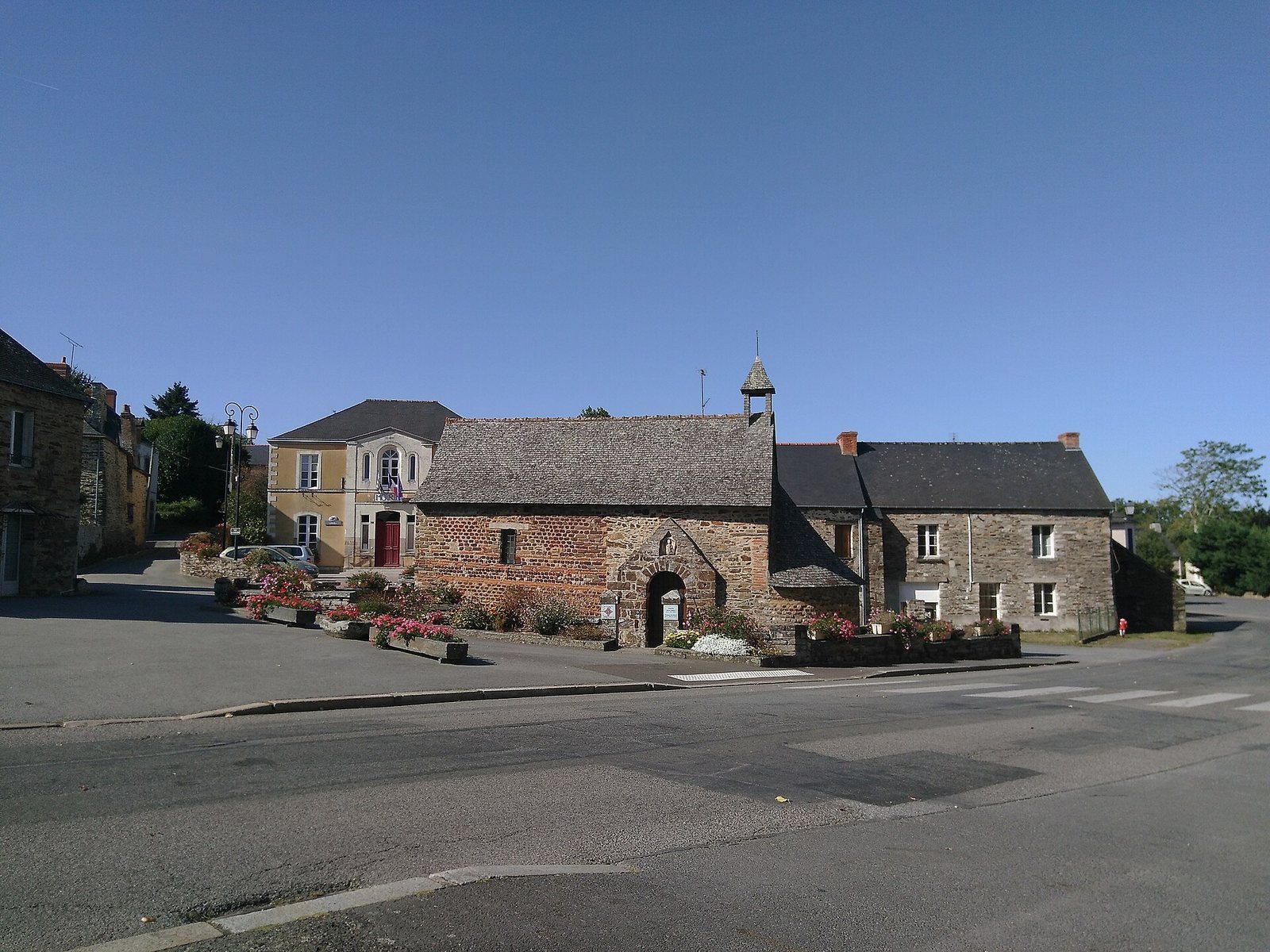
Chapelle Sainte-Agathe de Langon is a fourth-century Gallo-Roman building in France, located in the center of Langon, Brittany. Gallo-Roman describes the culture and material remains of Roman Gaul, where Roman traditions combined with local Gallic practices. The chapel is one of the few surviving Gallo-Roman buildings in Brittany.
Roman Origins
The building’s original purpose remains uncertain. It may have been a funerary mausoleum, known as a cella memoriae, a memorial building associated with the commemoration of the dead, or part of a bath complex. Its possible funerary function may have helped it escape the destruction that affected pagan temples when Christianity became predominant in Gaul.
Christian Adaptation
The Roman building was later converted into a chapel, although the date of this change is unknown. By 838, it was dedicated to Saint Venier, also called Saint Guigner. He may have been a Breton missionary venerated in the Vannetais region. The dedication may also have been intended to replace the cult of Venus, the Roman goddess associated with love and beauty.
Protection and Investigation
An archaeological study took place in 1839, followed by the chapel’s classification as a historic monument in 1840. It was among the first thousand monuments to receive this status in France and was one of only four classified monuments then located in Ille-et-Vilaine. The building was restored in 1904 and excavated in 1918, while a separate excavation discovery is recorded from 1930. The chapel was also rededicated for worship in 1702, when a third painted layer may have been added inside.
Remains
The chapel is a small rectangular structure approximately five metres long. It stands along the Grande Rue in central Langon, opposite the Church of Saint Peter. Its walls are built of sandstone and brick, and a semicircular apse projects from the building. The apse is approximately two metres deep and contains the principal surviving sequence of painted decoration.
The Apse Frescoes
The apse vault bears a fresco depicting Venus. The 1839 study revealed several layers of painting in the apse’s semi-dome. The oldest, partly destroyed layer dates to the transition between the second and third centuries. It shows Venus rising from the waters, or possibly Amphitrite, the Greek sea goddess, accompanied by Eros, the Greek god of desire, riding a dolphin among numerous fish. A whitewash applied in the sixth or seventh century covered this earlier image and carried inscriptions in Late Latin, of which only traces survive. A later layer of black lines may have been added in 1702 and was destroyed in 1839.
Burials and Interior Features
The chapel contains three probably Merovingian sarcophagi. The Merovingians were the Frankish ruling dynasty that dominated much of Gaul from the fifth to the eighth century. Other surviving features include a seventeenth-century capital decorated with low relief, an eroded low-relief decoration above the doorway, and a statue of a female saint. The chapel’s furnishings have also been inventoried. A calvary, a Christian monument representing the Crucifixion of Jesus, formerly stood in front of the building.