St Nicholas’ Church, Tuxford: A Grade I Listed Parish Church
Site at a Glance
- Rating
- 4.8
- Popularity
- Very Low
- Country
- United Kingdom
- Primary era
- Medieval
- External website
- Open
- Eras represented
- Medieval, Early Modern, Modern
- Civilizations
- British, English
- Site type
- Religious
- Remains
- Church
On this page10 sections
History
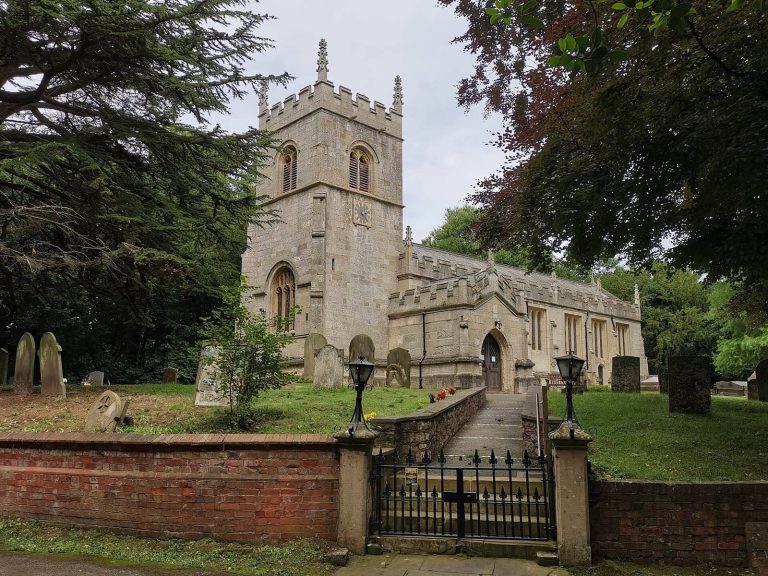
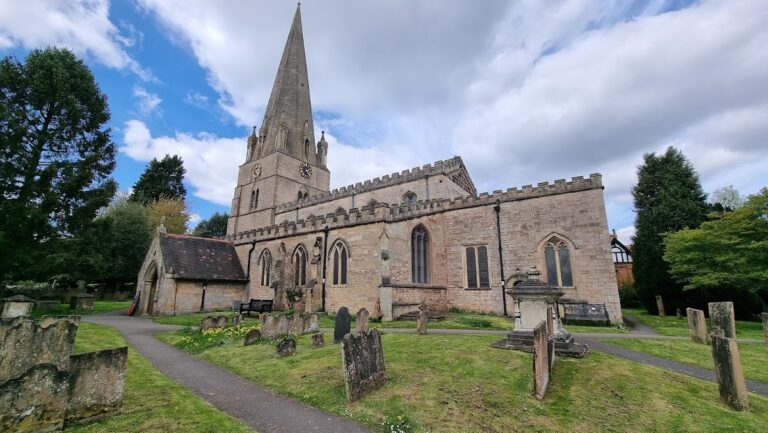
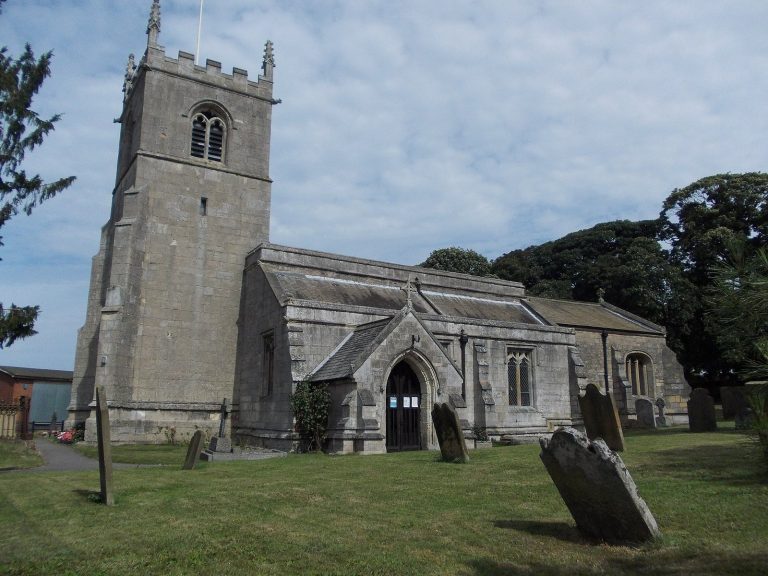
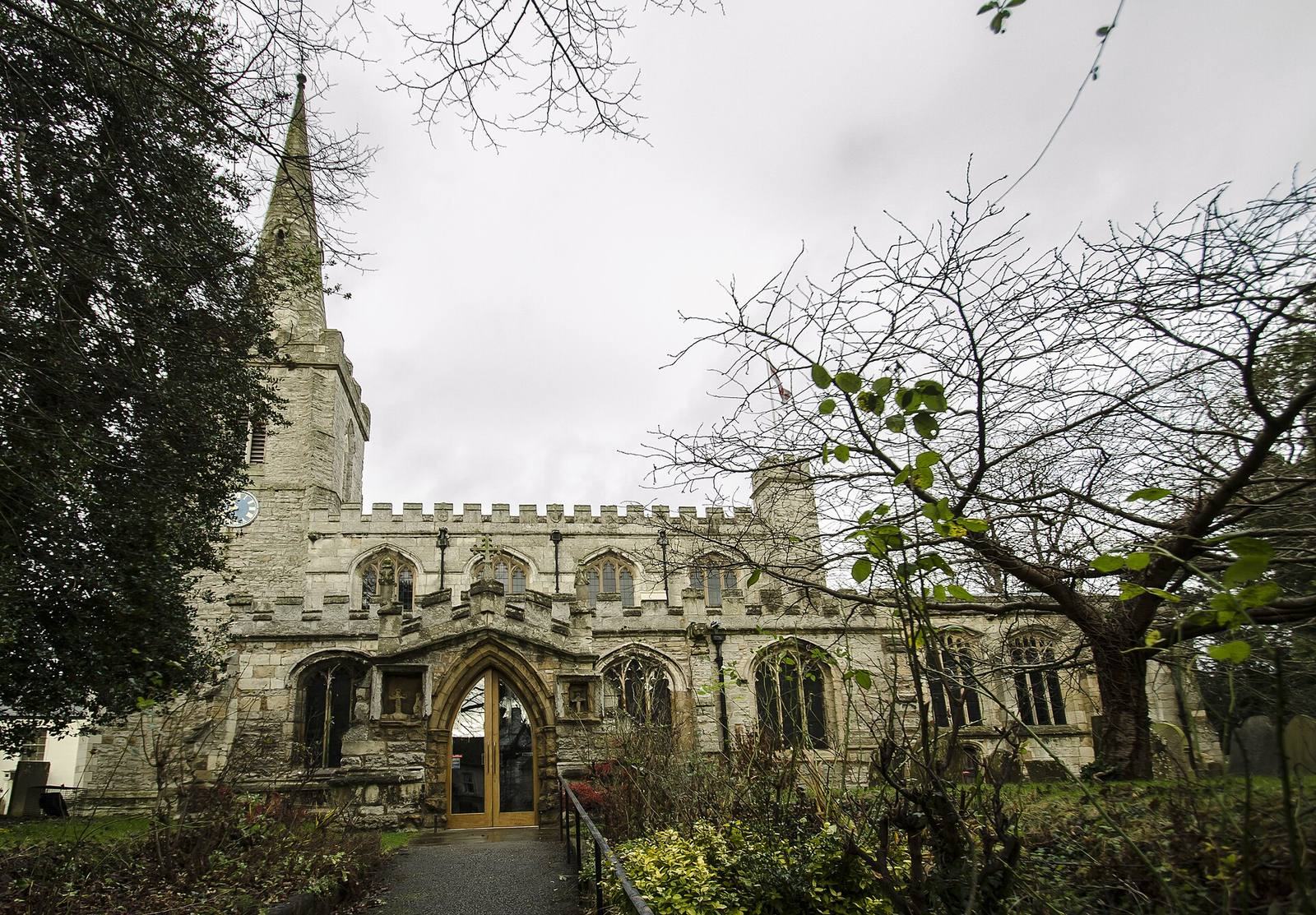
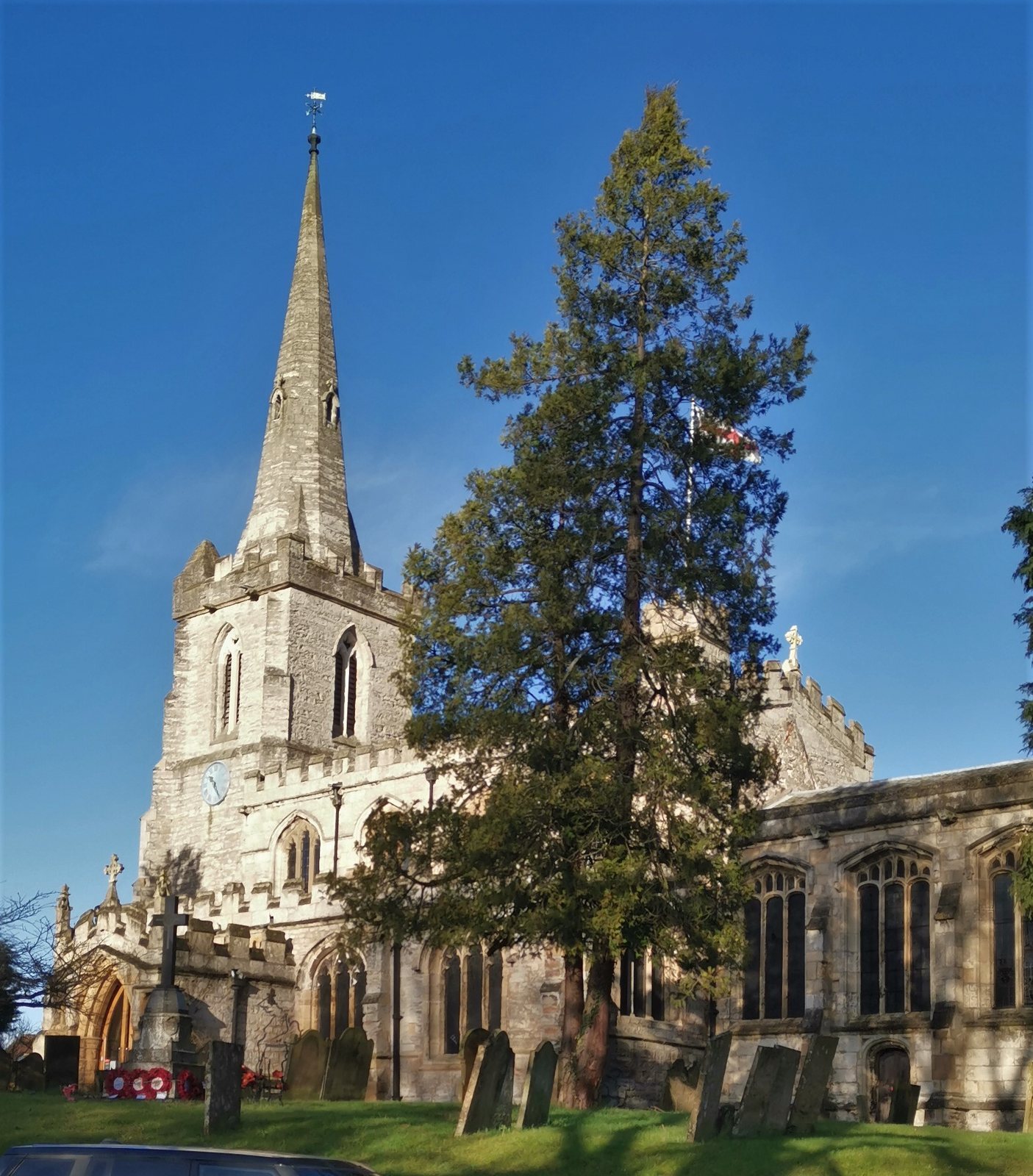
St Nicholas’ Church is a Church of England parish church in Tuxford, United Kingdom, built in the twelfth century. Dedicated to St Nicholas, the fourth-century Christian bishop traditionally associated with charity and protection of the vulnerable, it is a Grade I listed building. Its medieval fabric was developed through later additions, including a clerestory in 1374 and the rebuilding of the chancel around 1495 by Gunthorpe.
Medieval development
The church’s principal medieval changes altered both its lighting and its eastern end. The clerestory, an upper wall with windows that brings light into the central part of the church, was added in 1374. Around 1495, the chancel, the eastern part of a church traditionally reserved for the clergy and principal altar, was rebuilt by Gunthorpe.
Restoration and later church history
The building was restored and widened during the eighteenth century. Further restoration followed in 1811, 1879, and 1893, preserving and reshaping the church through successive periods of repair.
St Nicholas’ forms part of the Province of York, the Diocese of Southwell and Nottingham, the Archdeaconry of Newark, and the Deanery of Newark and Southwell. In the 1980s it became part of a benefice, an ecclesiastical unit served by clergy that may include several parish churches, with West Markham and Weston. Marnham and Normanton on Trent were added in February 2013.
Remains
St Nicholas’ Church retains a medieval core alongside later restored fabric and a group of memorial and funerary features associated especially with the White family of Tuxford and Wallingwells. The surviving interior also includes an organ and a complete octave of bells.
Memorial chapels and burials
The White Chapel
North of the chancel stands the White Chapel, a mortuary chapel used for burials and commemorative monuments. It contains an alabaster tomb, made from a fine-grained stone used for funerary sculpture, for Sir John White (1558–1625) and his wife, Agnes Cecil. She was the sister of Lord Burghley, who served as Lord Treasurer to Queen Elizabeth I.
A memorial tablet in the chapel commemorates Captain Charles Lawrence White, the youngest brother of Sir Thomas White, 1st Baronet. He died during the Siege of Bayonne in 1814, a military action in the final phase of the Napoleonic Wars. The tablet depicts the martyrdom of St Lawrence on a gridiron, an iron grate traditionally associated with the saint’s death.
Family vaults and hatchments
A burial vault beneath the White Chapel contains members of the White family, including Sir Thomas White, 1st Baronet, and his heir, Sir Thomas White, 2nd Baronet. A second, earlier vault beneath the chancel contains members of the Stanhope family of Rampton and earlier generations of the Whites. Thomas White, the last head of the family to live primarily at Tuxford Manor, lies beneath the church’s High Altar.
Two painted funerary hatchments hang on the chapel walls. These are heraldic displays made after a person’s death. One bears the conjugal arms of Sir Thomas White, 1st Baronet, while the other shows the full achievement of arms of Sir Thomas White, 2nd Baronet. A baronet was the holder of a hereditary British title ranking below a baron but above most other hereditary knighthoods.
Organ and bells
The 1861 organ
The church contains an organ made by Robert Postill of York in 1861, forming part of its surviving nineteenth-century furnishings.
The bell frame
The bell installation developed from an original group of four. Additions increased the number to six before all the bells were recast and hung in a frame designed for eight in 1926. Two new bells were added in 1956, completing the octave.