Castle of Vicalvi: A Medieval Fortress in Italy
Visitor Information
Google Rating: 4.1
Popularity: Low
Official Website: www.comune.vicalvi.fr.it
Country: Italy
Civilization: Medieval European
Site type: Military
Remains: Castle
History
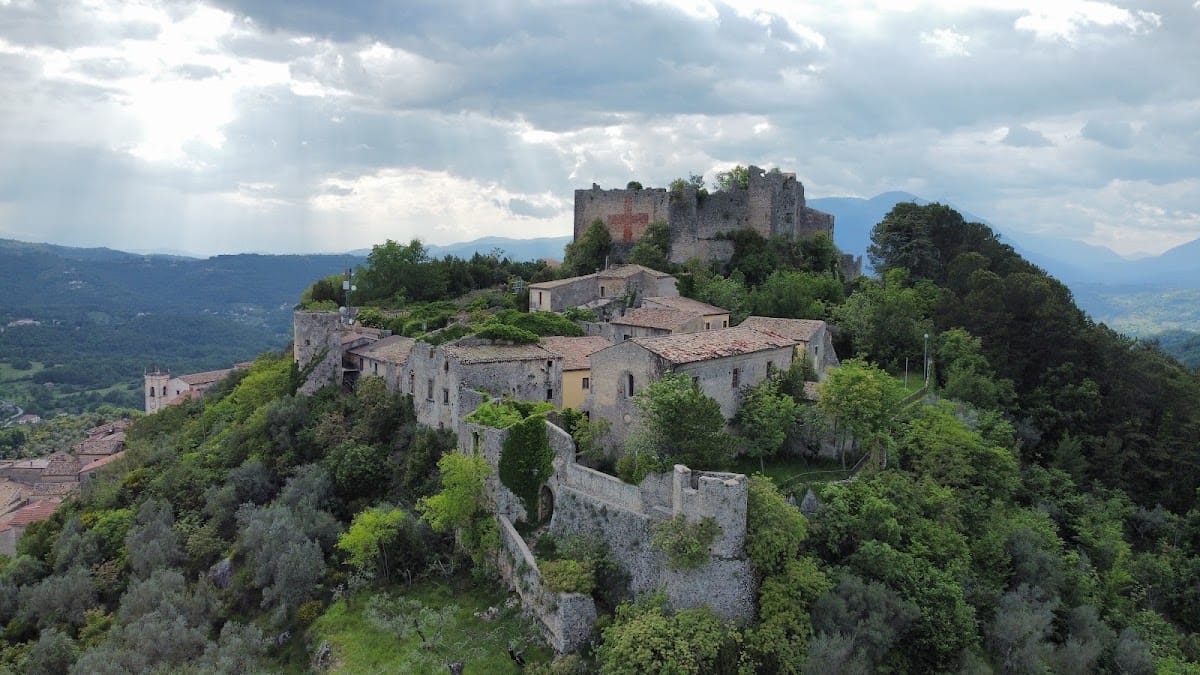
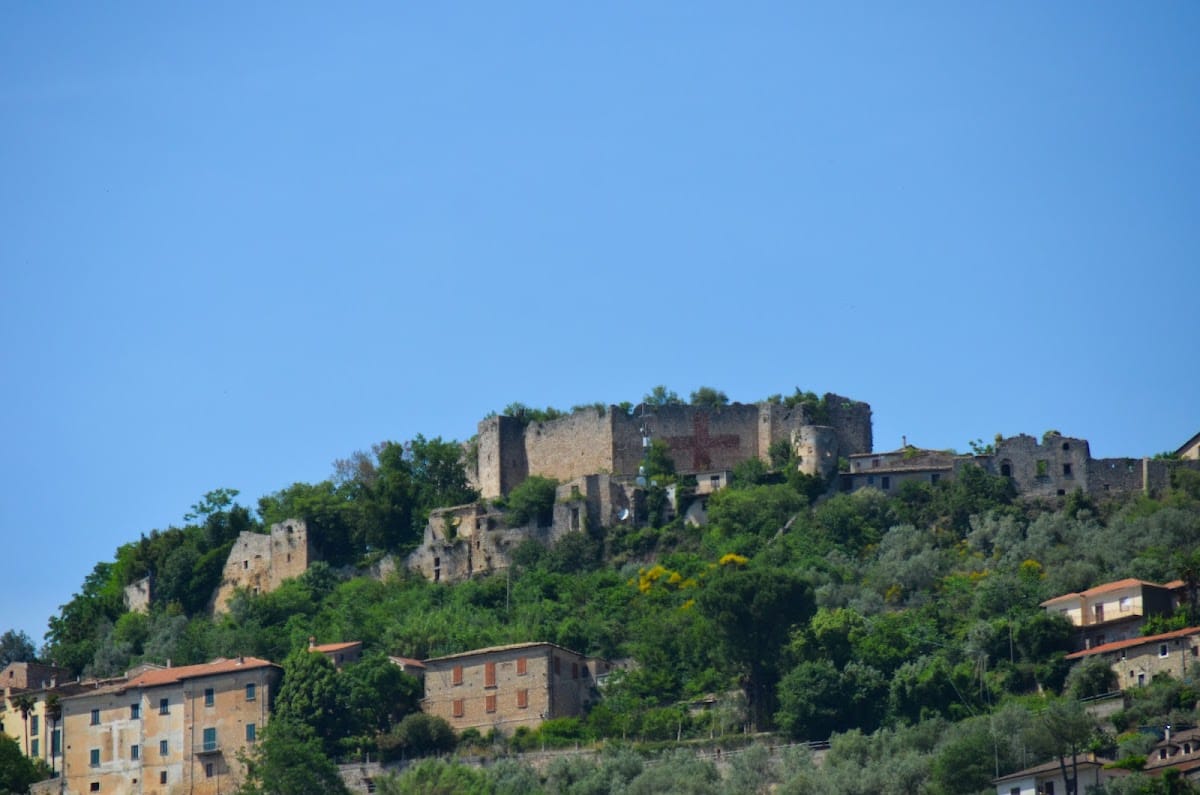
The Castle of Vicalvi, located in the town of Vicalvi within modern Italy, originated as a fortified site constructed by the Lombards during the early medieval period. Positioned on a hill overlooking the Comino Valley, the castle’s history is intertwined with the shifting powers of regional rulers and religious institutions.
In its earliest recorded phase, the stronghold belonged to the Lombard princes of Capua. By 1017, ownership transferred to the Abbey of Montecassino, a powerful Benedictine monastery that maintained control through the early 1200s. The strategic importance of the castle was reflected in its role under both secular and ecclesiastical authority during this time.
Following the abbey’s tenure, the Aquino family took possession and initiated significant defensive improvements. They surrounded the castle with a double line of protective walls, enhancing its ability to withstand attacks. Control of the castle alternated between the Aquino counts and the Étendard family in subsequent generations. The Étendard family undertook a major renovation in the 14th century, updating the fortress with Gothic-style architectural elements, including a distinctive inward-sloping single-pitched roof.
Later, the Cantelmo family assumed ownership but chose to abandon Vicalvi in favor of their nearby castle at Alvito. This decision led to the gradual decline and ruin of the fortification. In the early 1800s, the Duke of Alvito passed ownership to the Celli family, who were connected to the Marsella family, marking the castle’s transition into private hands during the modern period.
Local legend surrounds one of the castle’s towers, telling of the “Lady in Chains,” a courtesan from the 18th century believed to have been immured alive after being found guilty of killing her lovers. This story adds a layer of folklore to the site’s complex historical narrative.
Archaeological findings reveal that the location served as a fortification site long before the medieval castle’s construction, with defensive structures dating back to the 5th or 4th century BCE. The earliest documented mention of the castle appears in records from 937 CE, signifying its longstanding role in regional defense and administration.
Remains
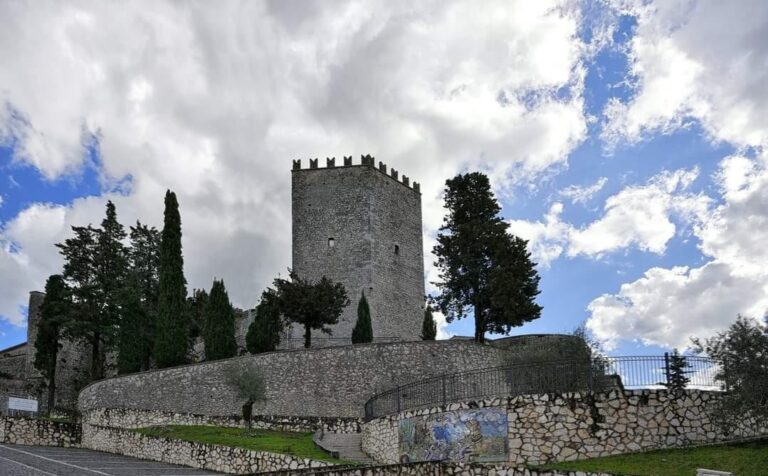
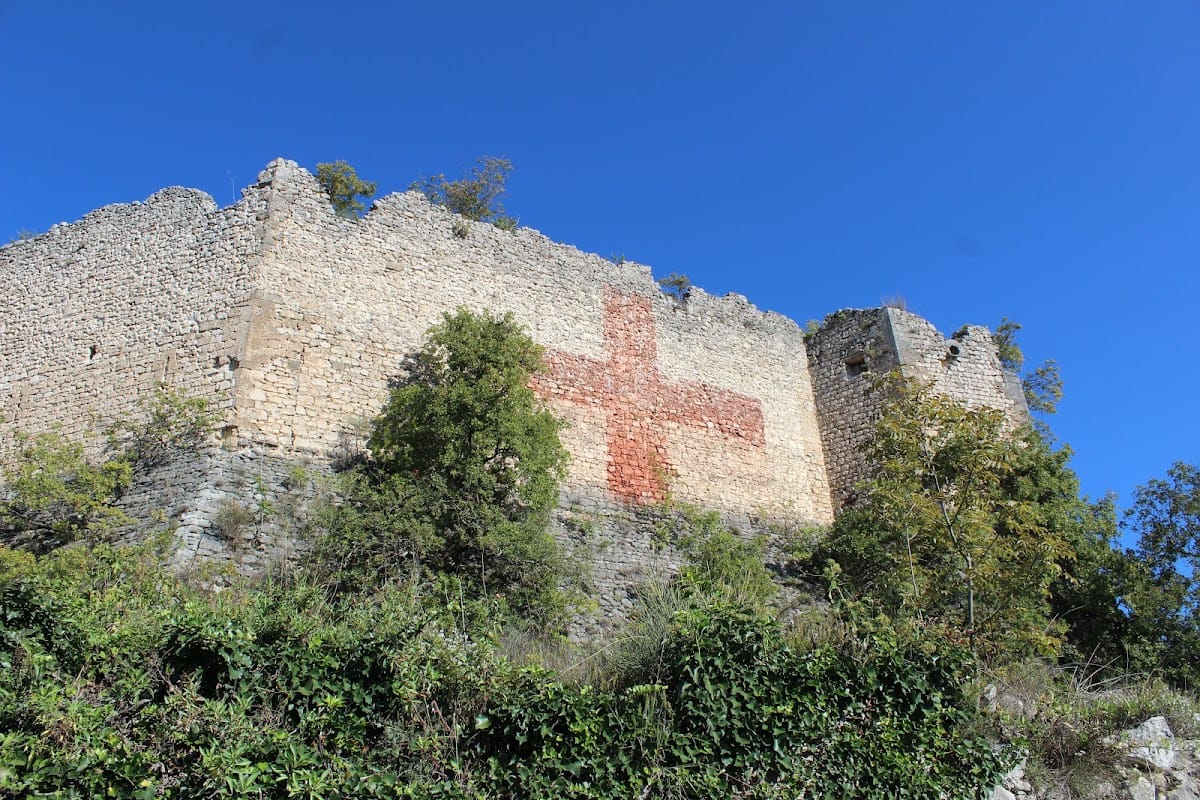
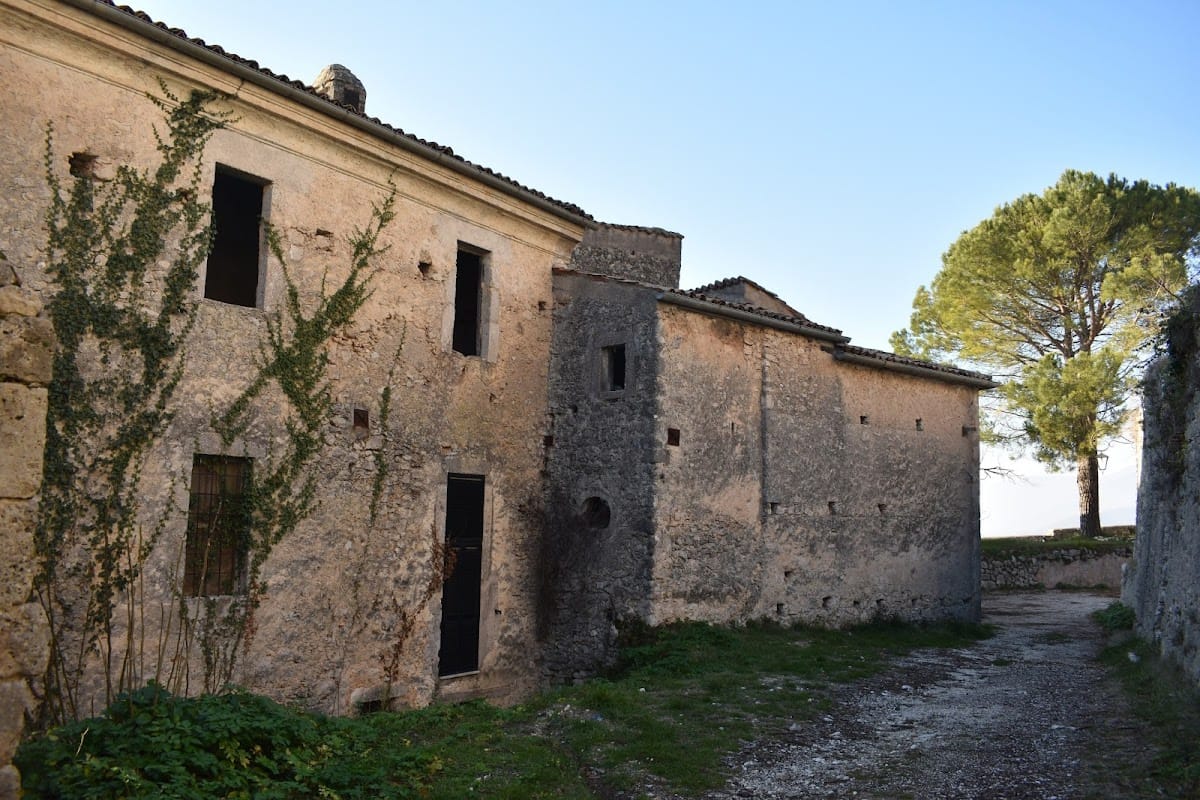
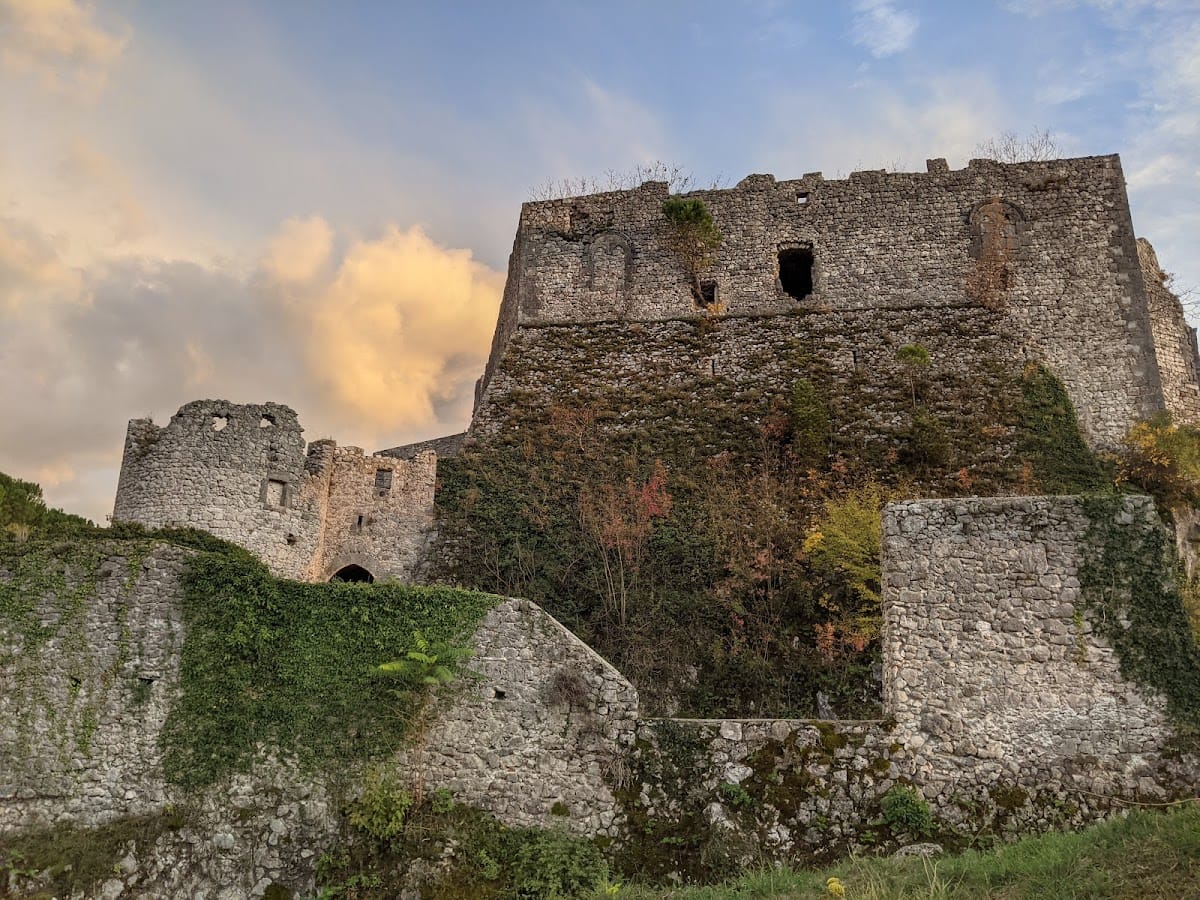
Today, the Castle of Vicalvi remains as a ruin but retains substantial evidence of its former defensive strength. The fortress is enclosed by two nearly complete polygonal walls that form broad protective rings around the core area. These walls delineate a large fortified space and allow observers to discern the various building phases and organizational layout that reflect the castle’s evolving military functions. The structure was part of a wider interconnected defensive network which included the nearby castles of Alvito and Picinisco.
Among the surviving architectural elements, those introduced during the 14th-century Gothic renovation are particularly notable. This remodeling featured horizontal and vertical design details consistent with Gothic style, highlighted by an original single-pitched roof that slanted inward—a distinctive roofing approach uncommon in the region. Constructed primarily of stone, the castle’s materials align with typical medieval building practices, ensuring robust fortifications.
Beneath the medieval layers, evidence of earlier fortifications from the pre-Roman period remains preserved on the site. These remnants date back to the 5th or 4th century BCE, indicating the hilltop’s long-standing military significance. The continuity of defensive use underscores the strategic value of this location across many centuries.
While the castle today stands largely in ruin, the substantial portions of its defensive walls and architectural features survive in situ, providing valuable insight into the construction techniques and historical phases that shaped the site. Oral traditions, such as the tale of the imprisoned courtesan, link the physical remnants to cultural stories surrounding the castle’s past. This blend of archaeology and legend enriches the understanding of the castle’s enduring presence in the region.
Nearby sites