Rocca Janula: The Medieval Fortress of Cassino
Site at a Glance
- Rating
- 4.4
- Popularity
- Low
- Country
- Italy
- Primary era
- Medieval
- External website
- Open
- Eras represented
- Medieval
- Civilizations
- Kingdom of Naples, Kingdom of Sicily
- Site type
- Military
- Remains
- Fort
On this page12 sections
History
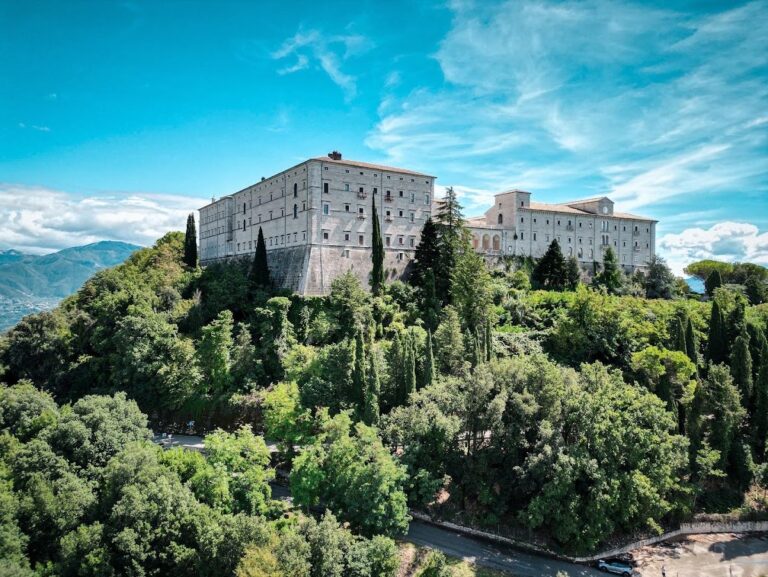
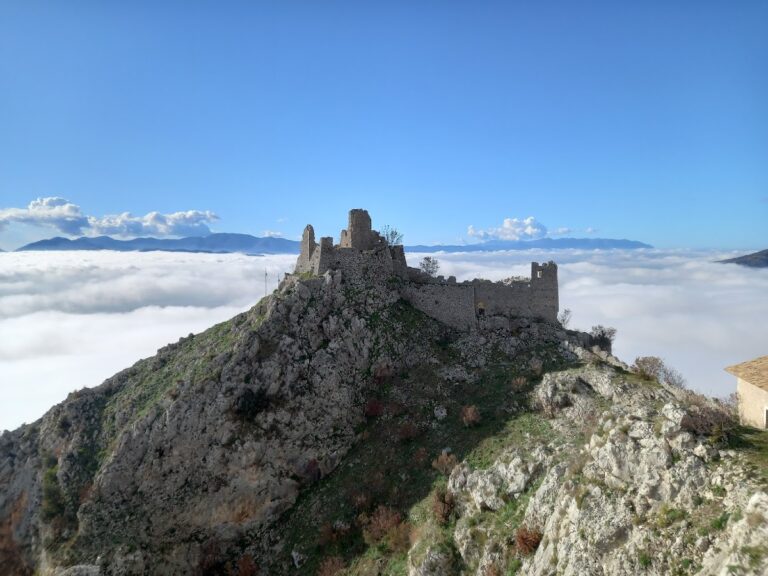
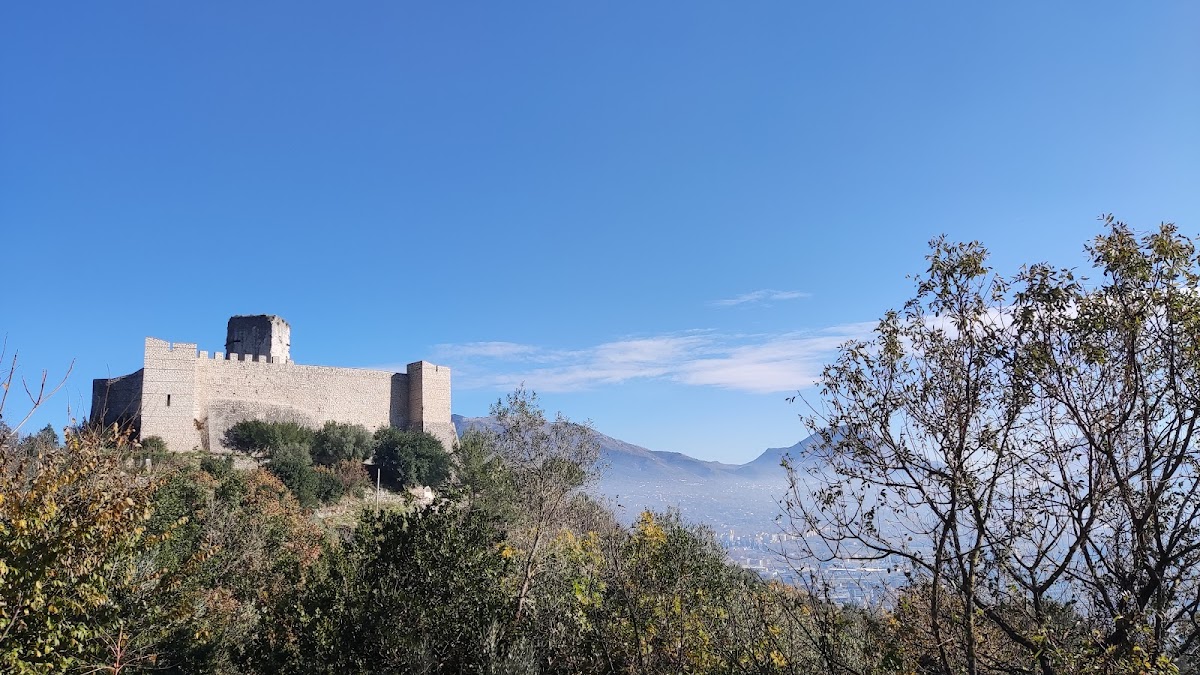
Rocca Janula is a medieval fortress in Cassino, Italy, built by the Benedictines in the mid-tenth century as the principal military center of the Terra di San Benedetto, the territorial lordship administered by Montecassino Abbey. Its construction formed part of a wider tenth-century movement toward castra, concentrated fortified settlements or strongholds established on defensible high ground to control territory and its administration.
Foundation under Montecassino Abbey
The fortress emerged after Abbot Aligerno led the Benedictine monks back to Montecassino in 949. They had fled to Capua in 883 following Saracen expansion and the destruction of the historic abbey. The Christian League’s victory at the Battle of the Garigliano in August 915 helped re-establish local control and territorial organization, creating conditions for renewed fortification in the region.
Aligerno built Rocca Janula, the castrum of Sant’Angelo in Theodice, and the tower of San Giorgio a Liri without first obtaining authorization from the emperor or the princes of Capua. In 967, Pandulf I of Capodiferro, prince of Capua, approved these works and authorized the Benedictines to build additional defenses needed to protect their territory.
Medieval expansion and conflict
An earthquake damaged the fortress in 1004. At the beginning of the twelfth century, the people of San Germano occupied it during disputes linked to the expansion of Runegonga, the widow of the duke of Gaeta, at Montecassino’s expense. Abbot Gerardo recovered Rocca Janula, repaired the earthquake damage, and enlarged its defenses. Abbots Roffredo and Atenolfo continued the work during the following century.
Frederick II of Swabia, the thirteenth-century Holy Roman Emperor whose rule brought him into conflict with the papacy, ordered the fortress destroyed twice because of its military potential. Neither order was fully carried out. He placed Rocca Janula in the hands of several vassals and later rebuilt it in alliance with Abbot Landolfo when the fortress became strategically important during his conflict with Pope Gregory IX. Architectural elements associated with this rebuilding reflect the Swabian political and ruling house.
During Manfred of Sicily’s war against Charles I of Anjou, a conflict over control of southern Italy between the Hohenstaufen ruler of Sicily and the Angevin ruler, Rocca Janula housed 2,000 Saracen soldiers and 1,000 horses. In this medieval European usage, Saracen referred to Muslims, particularly those serving in the military forces or political communities of the Islamic world.
Late medieval rebuilding and decline
Abbot Pirro paid a large sum to recover the fortress from Joanna II of Anjou, who had entrusted it to Antonio Carafa. Pirro then renewed the circuit walls and added two towers on the side facing the city. These towers carried his family coat of arms, and an inscription records the completion of the work in 1418.
A papal attempt to remove Rocca Janula from Pirro’s control involved the mercenary Francesco Blanco. He entered Montecassino Abbey, sacked it, and imprisoned Pirro. A later tradition tells that a superhumanly strong man named Palermo drove back the soldiers of Alfonso of Aragon by rolling large stones down the hill during a dispute with the local population.
The people of San Germano again seized Rocca Janula by force for a short period in 1522. As military conflicts shifted elsewhere and Montecassino’s temporal power declined, the fortress lost importance. In the eighteenth century, it became crown property under Charles III of Bourbon.
War damage and restoration
In 1870, a plaque was placed on Pirro’s tower dedicating the fortress to the Madonna and associating the end of its military history with an ideal of peace. Fighting during the Second World War, especially the Battle of Cassino, severely damaged Rocca Janula. A major restoration campaign in the 2000s recovered the complex after the wartime destruction. The fortress is an Italian national heritage site and is owned by the Municipality of Cassino.
Remains
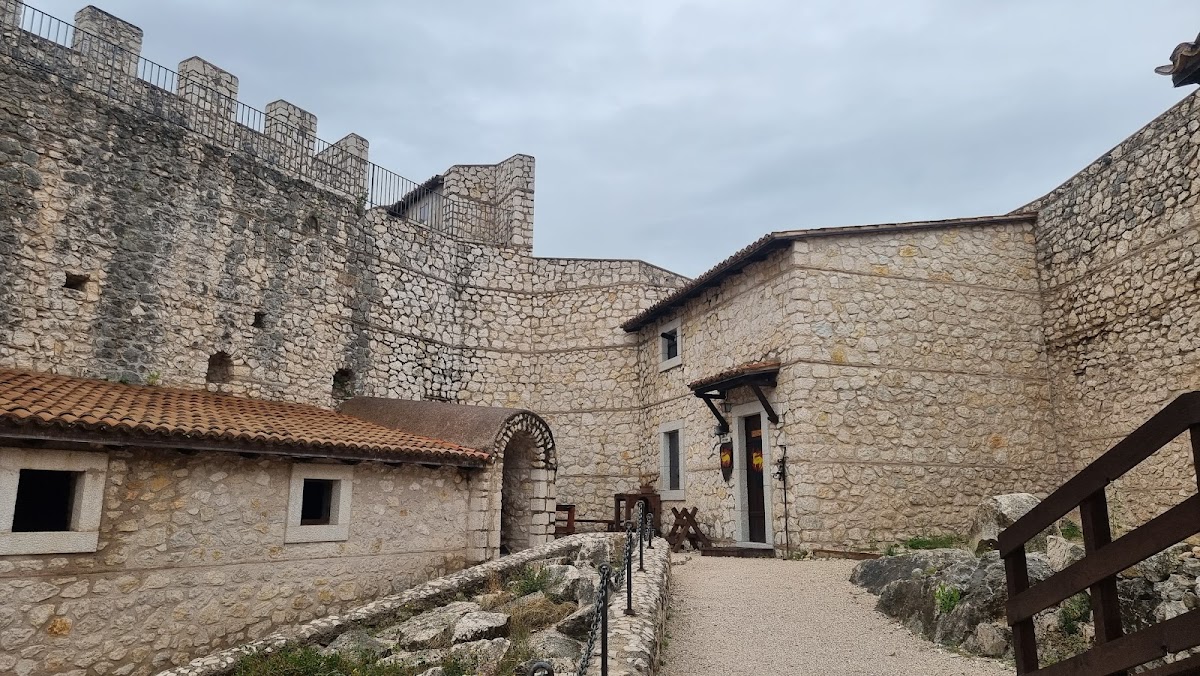
Fortification layout and surviving structures
Early tower and enclosure
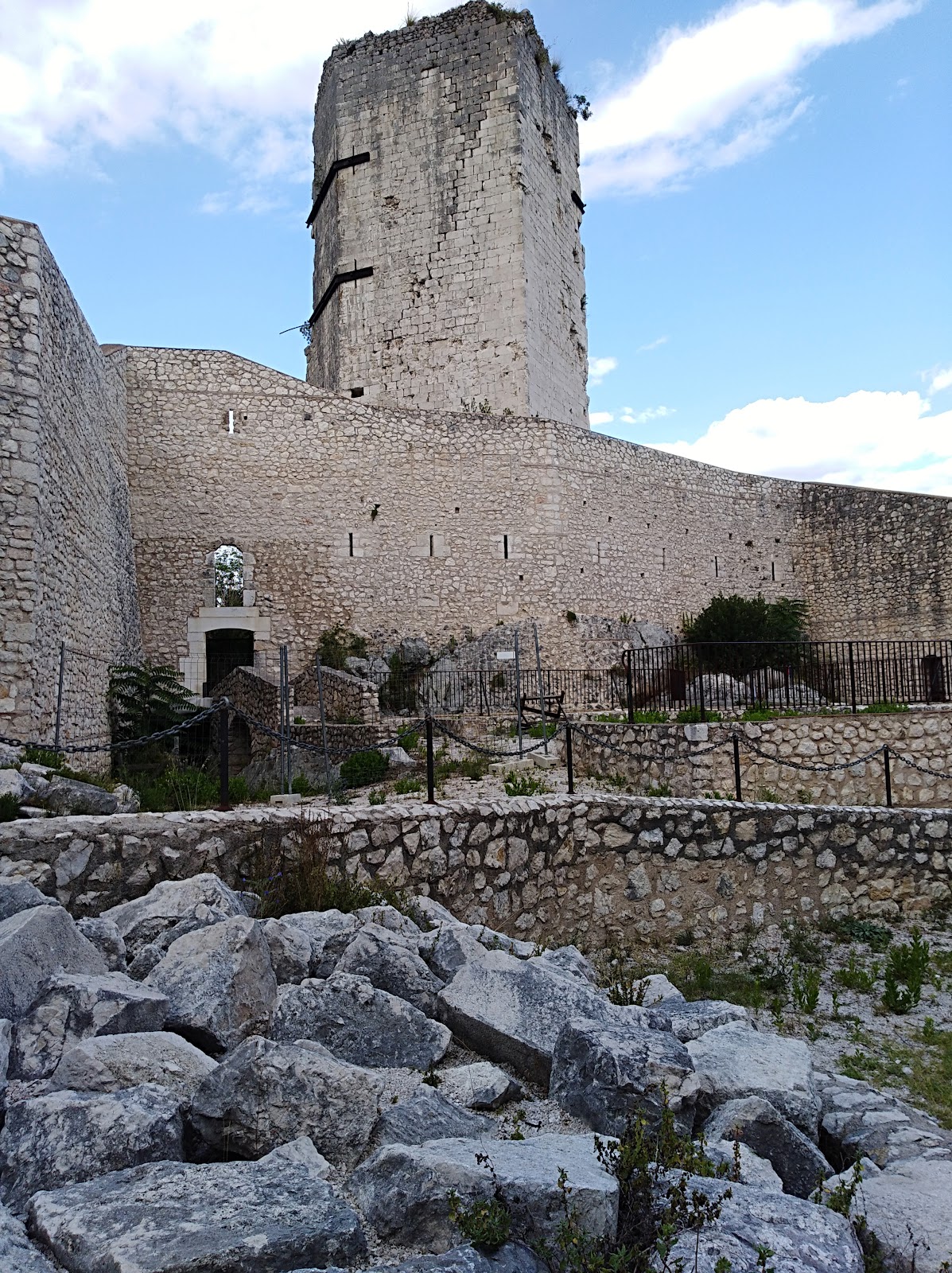
The original fortification probably consisted of a square-plan tower enclosed by a small circuit separate from the walls of the settlement. Its strongly military design offered little residential capacity, with habitation intended mainly for guard shifts and emergency shelter. In a crisis, the enclosure could accommodate up to 2,000 people.
Gerardo’s expanded defenses
Abbot Gerardo’s rebuilding enlarged the defensive circuit and introduced a pentagonal tower, two towers suitable for habitation, and a small church. These works transformed the early restricted enclosure into a more extensive fortified complex while retaining its primary defensive purpose.
Swabian and city-facing additions
Elements associated with Frederick II’s rebuilding display a Swabian character. The fortress’s defensive development therefore includes the early square tower and small enclosure, the later pentagonal and residential towers, and the enlarged circuit. Pirro’s work added two further towers toward the city, incorporating his family coat of arms; an inscription marks their completion in 1418.
Position and wartime survival
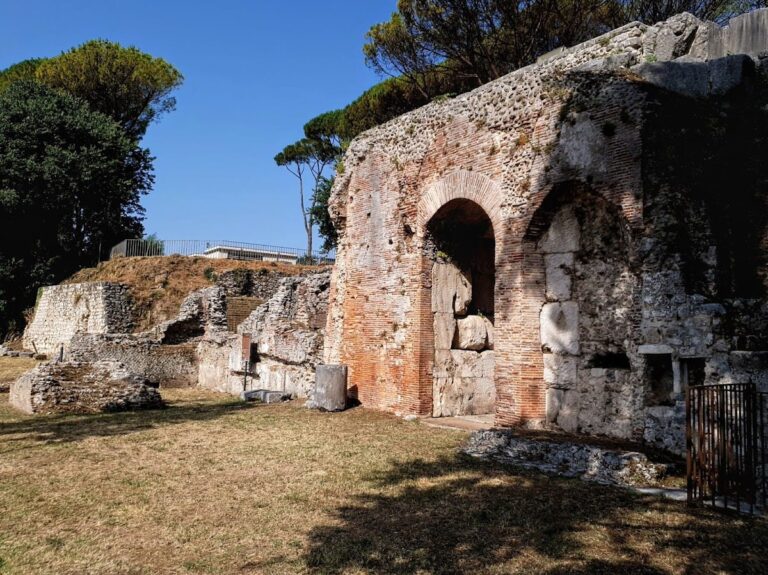
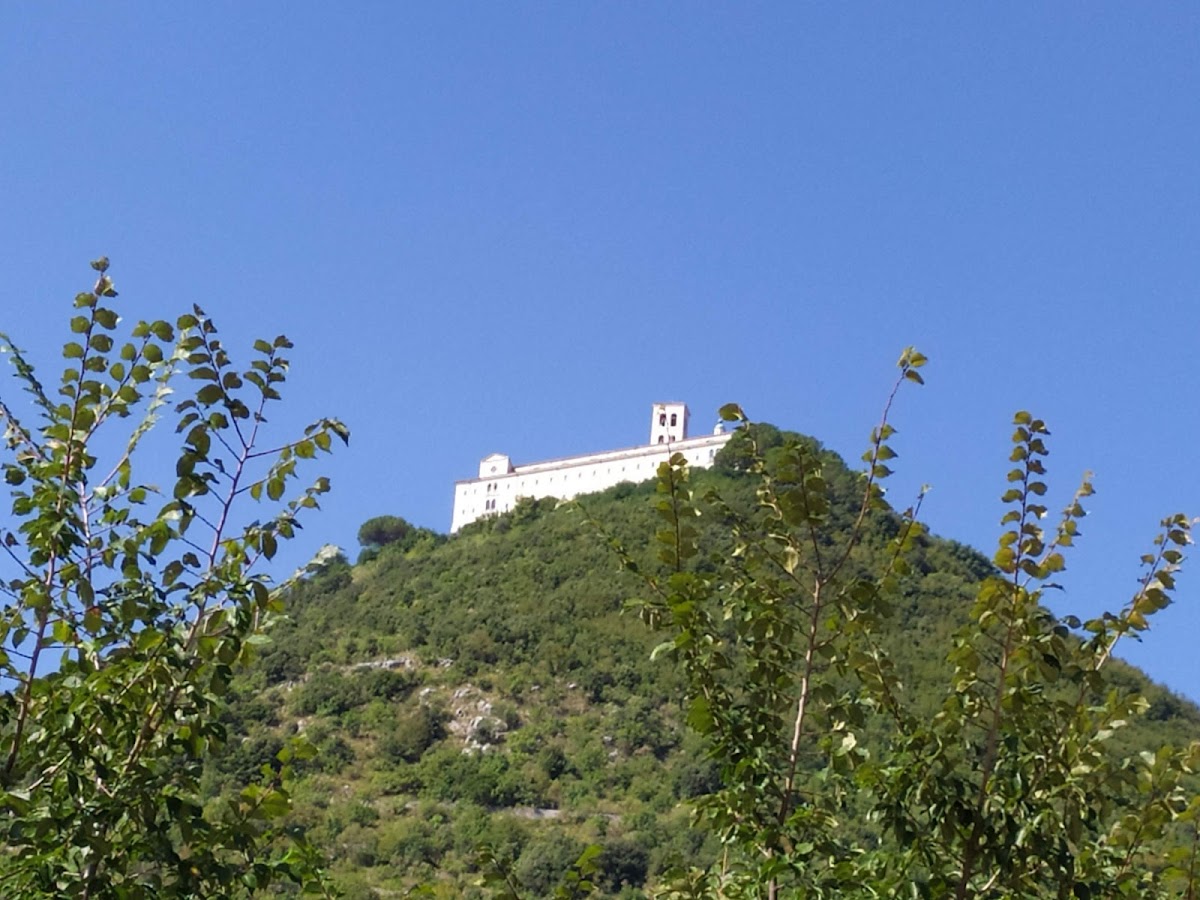
Rocca Janula stands at approximately 187 metres above sea level, below Montecassino Abbey at 516 metres. From this position it directly defended the monastery and controlled the route below the hill from the Marsica, where the road divided toward Rome, Naples, and the Tyrrhenian coast. The Second World War left the pentagonal tower, parts of the walls, and portions of the internal buildings standing. Restoration in the 2000s returned the damaged complex to a restored condition.
Name and memorial landscape
The name Rocca Janula has been linked to Janus, who was traditionally believed to have had a place of worship on the hill. Another proposed derivation connects it with a gate, or ianua, in the northern enclosure of ancient Roman Casinum, directly opposite the hill. The related word ianula can mean “small gate,” possibly referring to the fortress’s role as an entrance to Montecassino.
Near the fortress, overlooking Cassino, stands the Monument to Peace by Umberto Mastroianni. It commemorates the destruction caused by war at the site and serves as a warning against its repetition.