Castle of Mourão: A Historic Fortress in Portugal
Visitor Information
Google Rating: 4
Popularity: Medium
Official Website: www.visitmourao.pt
Country: Portugal
Civilization: Early Modern, Medieval European
Site type: Military
Remains: Castle
History
The Castle of Mourão stands on the left bank of the Guadiana River in the Évora district of Portugal. Its early history is not well documented, but the site was involved in the conflicts between Muslim and Christian forces during the Reconquest of the Iberian Peninsula. This period saw the area temporarily abandoned as control shifted.
Following the Portuguese conquest, the lands around Mourão were granted to the Knights Hospitaller. Gonçalo Egas, the Prior of this order, received the first Foral charter in 1226, a royal document granting privileges to encourage settlement and defense. The castle was either built or rebuilt during the reign of King Sancho II (1223–1248), establishing a fortified presence to secure the region.
Further Foral charters were issued by King Afonso III in 1254 and later by King Dinis in 1296, with confirmation in 1298. Under King Dinis, the castle underwent remodeling that included the addition of three towers, strengthening its defenses. During the 1383–1385 crisis, a period of civil war and political instability in Portugal, the castle and village supported the faction of the Master of Aviz, who later became King João I.
In the early 16th century, under King Manuel I (1495–1521), the castle and town were documented by Duarte de Armas around 1509. The king granted a new Foral charter and commissioned renovations led by military architects Diogo and Francisco de Arruda. This period also saw the construction of the main church within the castle’s walls, reflecting the community’s growth and religious importance.
During the Iberian Union beginning in 1580, Mourão aligned with Philip II of Spain. After Portugal regained independence in 1640, Pedro de Mendonça Furtado was among the first to raise the banner of King João IV at the castle. In the 17th century, the castle’s fortifications were redesigned by the French military engineer Nicolau de Langres. He added four bastions, ravelins (triangular defensive structures), and a moat, although only fragments of these later additions remain today.
The castle was officially recognized as a Property of Public Interest in 1957, reflecting its historical significance and preservation.
Remains
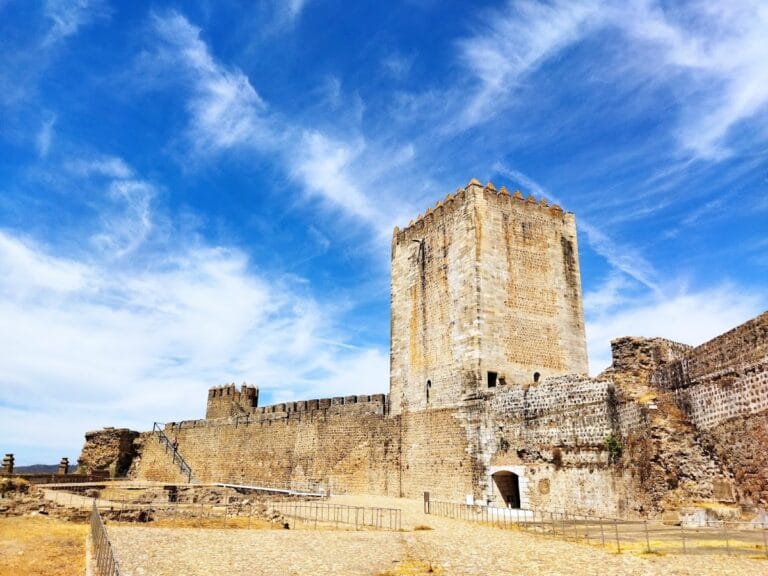
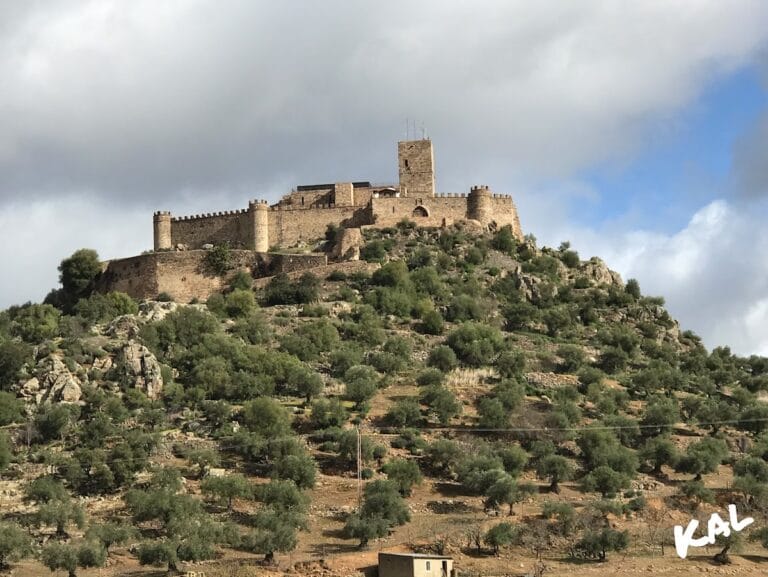
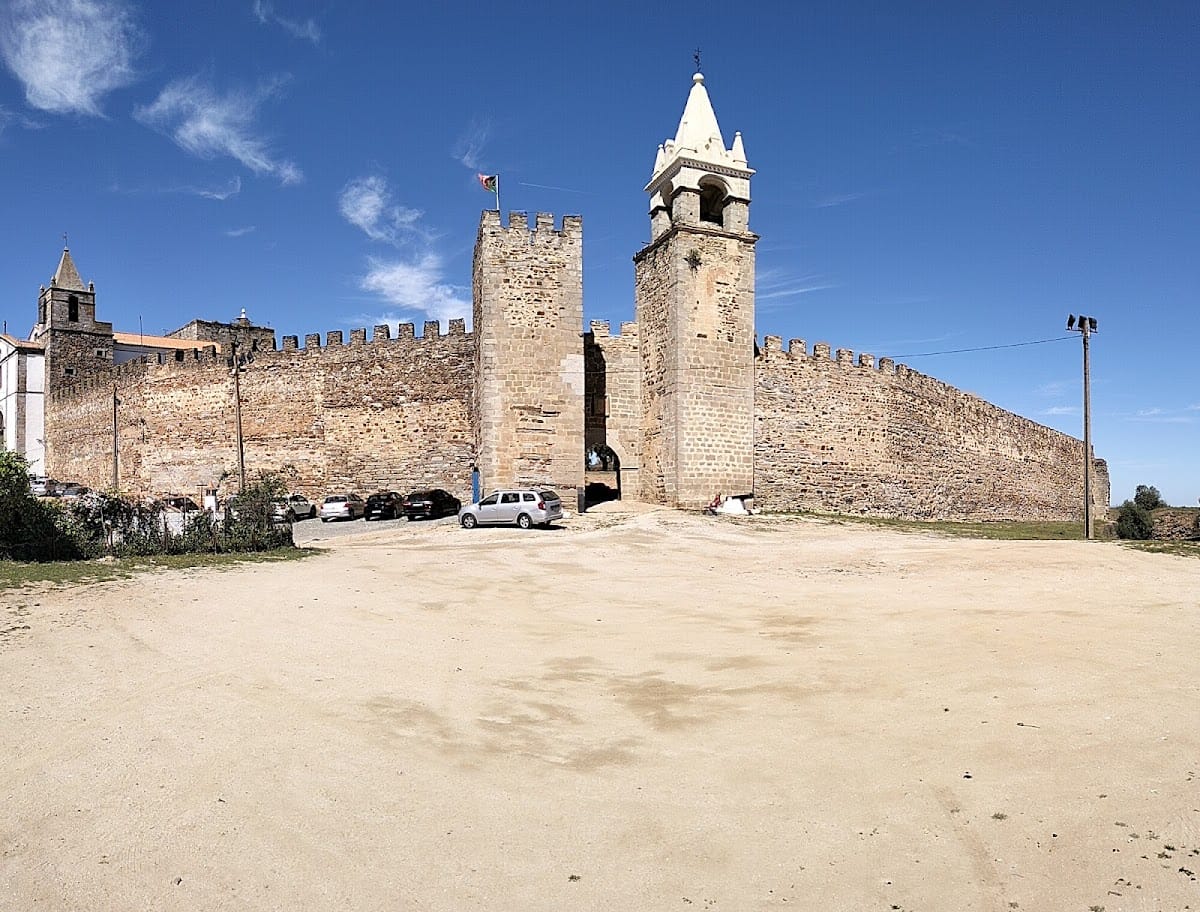
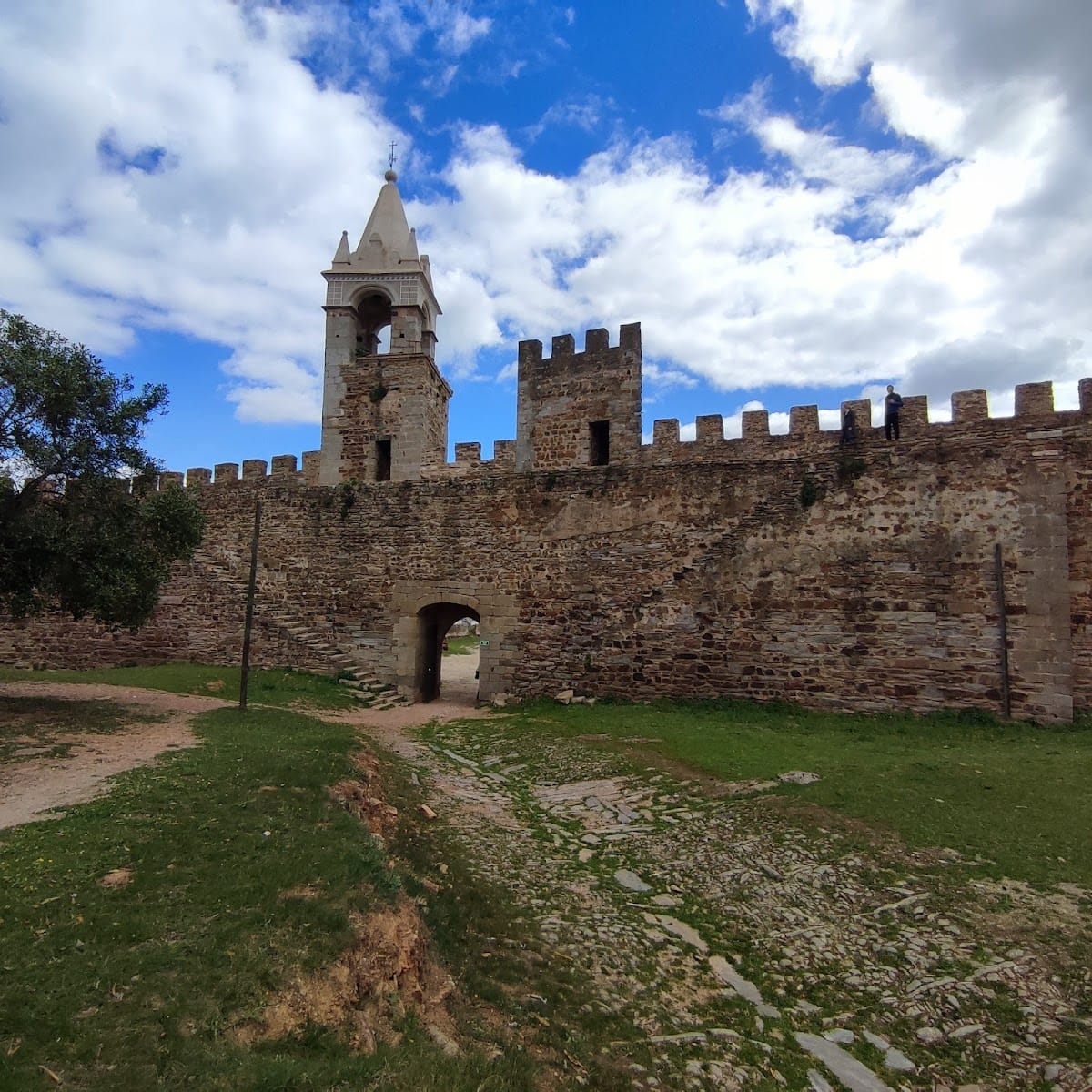
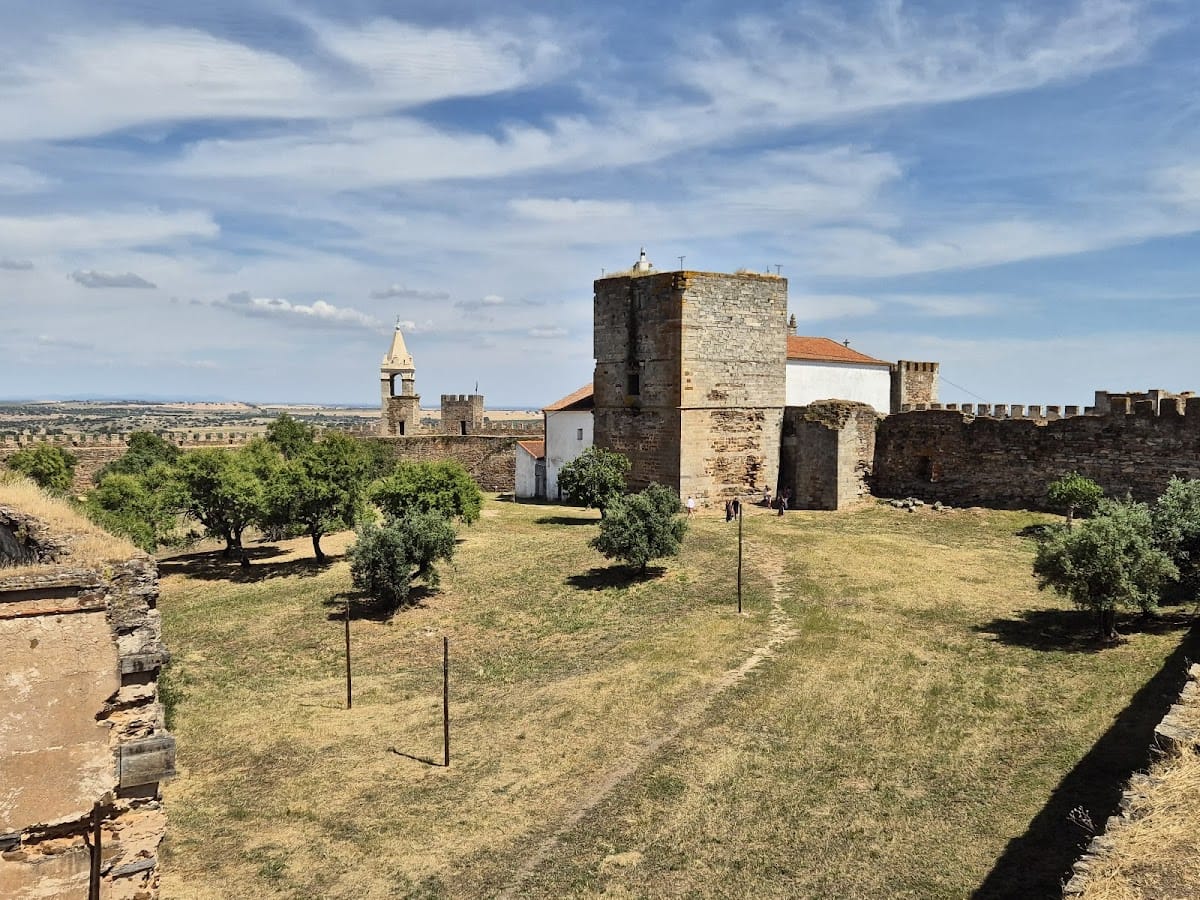
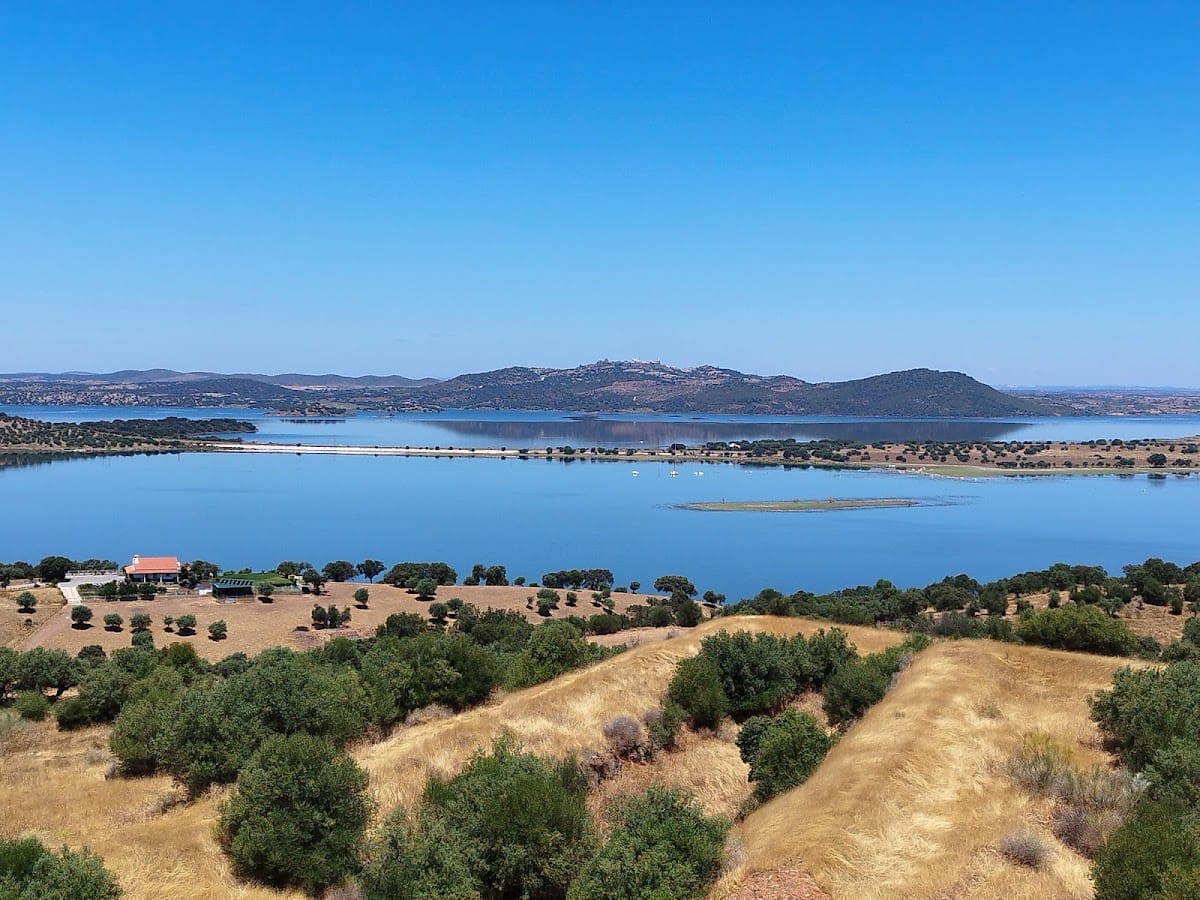
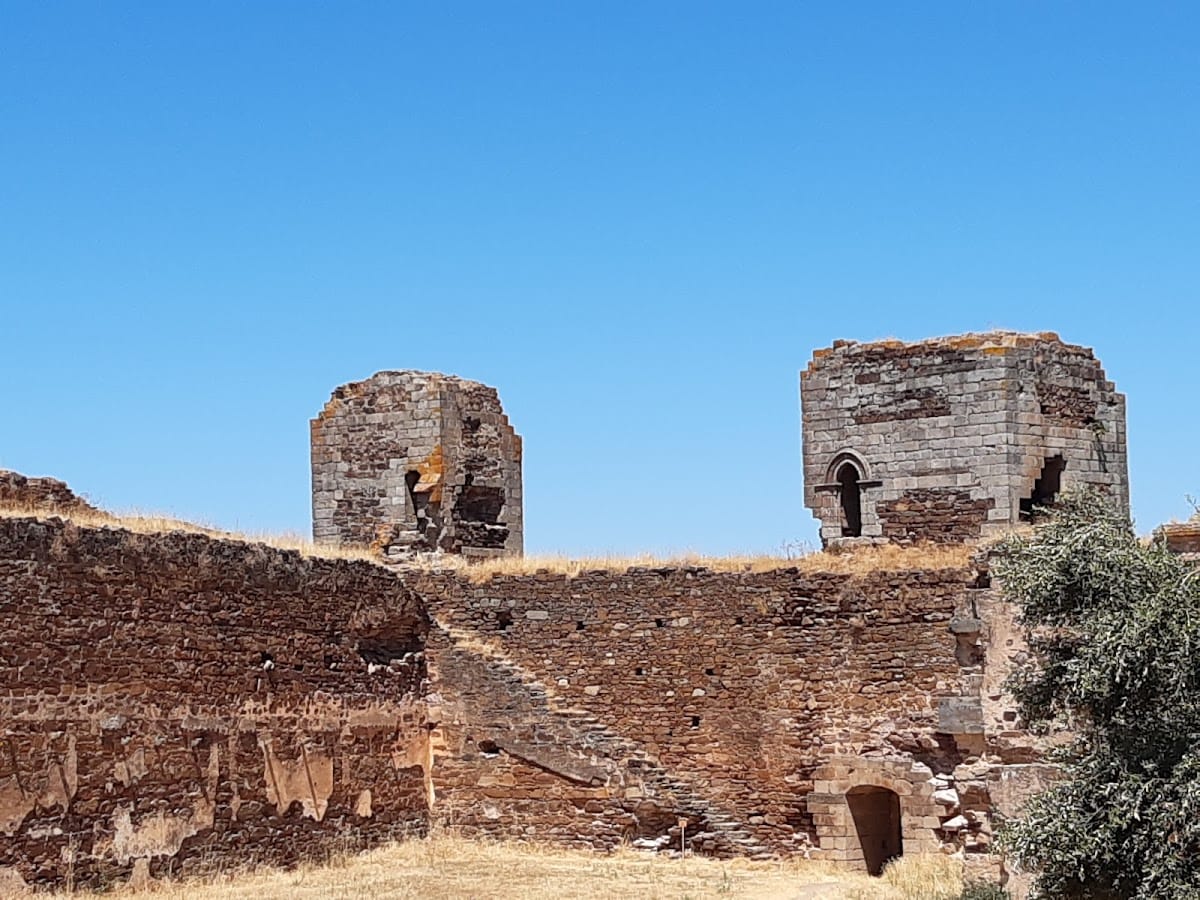
The Castle of Mourão features medieval walls built from a mix of shale, marble, and granite stones. These walls are reinforced by six square-shaped towers, providing strong defensive points around the enclosure. The layout overlooks the Guadiana River and the surrounding plains, including views toward the Castle of Monsaraz and the Spanish border.
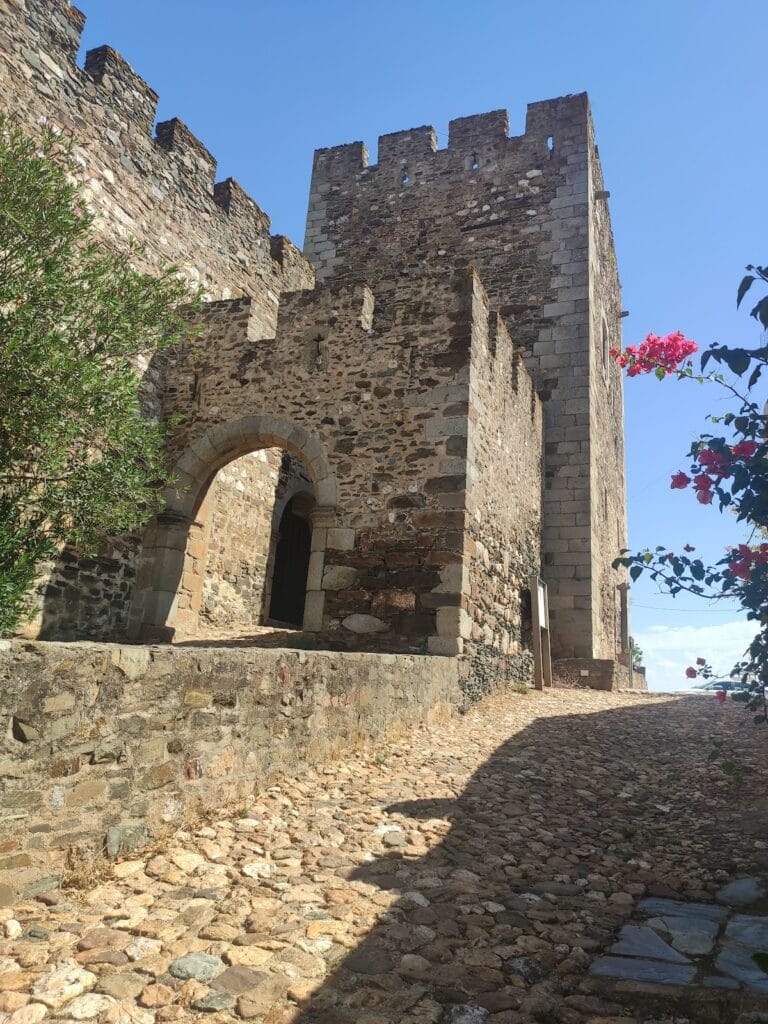
The walls include several gates, some framed by towers and featuring pointed Gothic arches, a style common in medieval architecture. The keep tower, the castle’s main stronghold, is notable for its Gothic design and has a door opening onto the main courtyard, known as the praça de armas.
Within the castle walls, there are remains of the Guardhouse (Casa da Guarda), where soldiers would have been stationed, and the former Town Hall (Paços do Concelho), indicating the site’s administrative role in the past.
Seventeenth-century modifications introduced four bastions at the corners of the walls and ravelins placed before the curtain walls, which are the main defensive walls. These additions were part of a redesign to adapt the castle to new military technologies. Today, only limited remains of these bastions and ravelins survive.
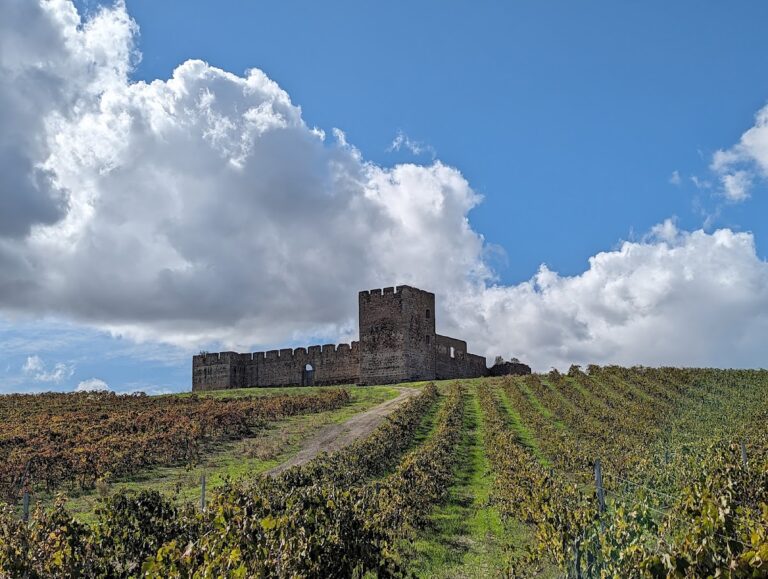
Overall, the castle is well preserved, maintaining key elements from both its medieval origins and early modern military upgrades.
Nearby sites