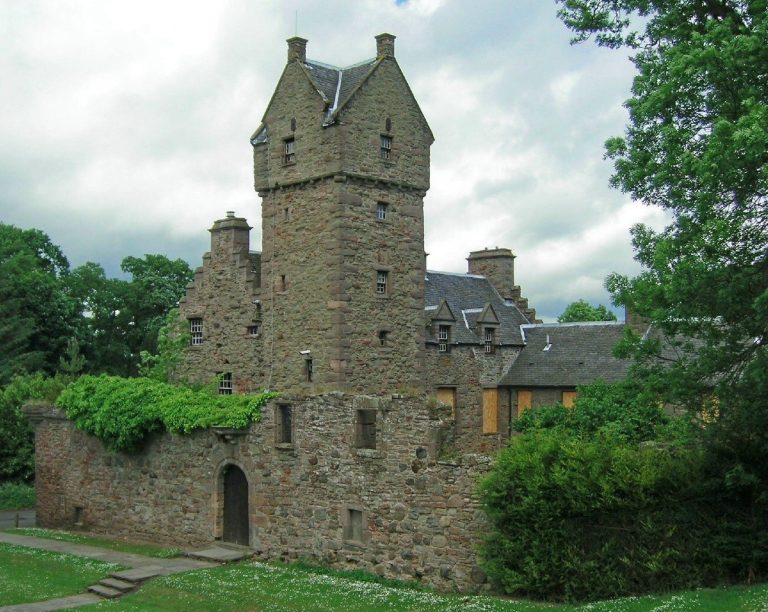
Castle Huntly: A Medieval Castle and Open Prison in Scotland
Site at a Glance
- Popularity
- Very Low
- Country
- United Kingdom
- Primary era
- Medieval
- External website
- Open
- Eras represented
- Medieval
- Civilizations
- Kingdom of Scotland
- Site type
- Military
- Remains
- Castle
On this page8 sections
History
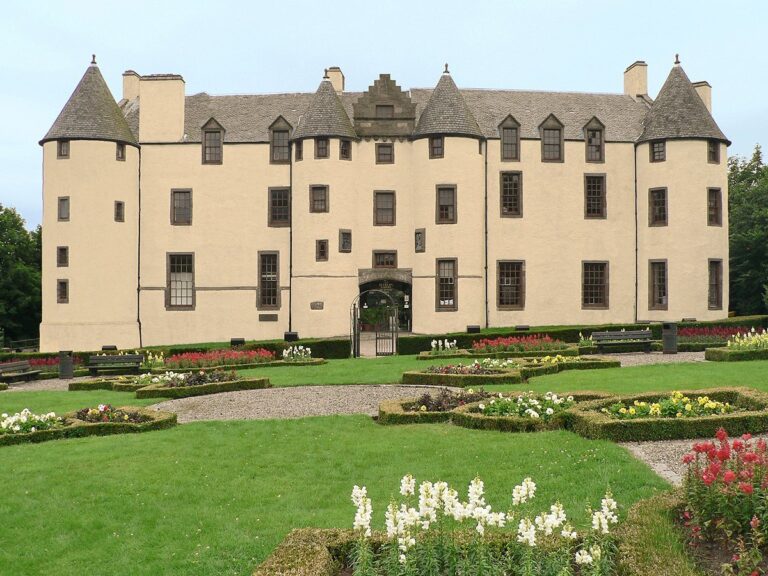
Castle Huntly is a castle near Longforgan in Scotland, United Kingdom, built around 1452 by Andrew Gray, Lord Gray of Fowlis. Gray received a licence from James II, king of Scotland. The rocky site, surrounded by marshland, probably helped determine its defensible location.
Foundation and changing ownership
In 1614, the Earl of Strathmore acquired the castle and renamed it Castle Lyon. During the late seventeenth century, painters Apollonia Kickius and Mrs Morris worked there. In the 1770s, the widow of the seventh Earl of Strathmore sold the property to George Paterson of the East India Company. He restored the name Castle Huntly.
From family ownership to prison
The Paterson family retained the castle until Colonel Adrian Gordon Paterson died in 1946. His widow then sold it to the government. Refurbished in 1947 as a borstal, an institution for young offenders, it later became a young offenders’ institution and then an open prison for adult men. HMP Castle Huntly is Scotland’s only open prison, a low-security prison with fewer restrictions than a closed prison.
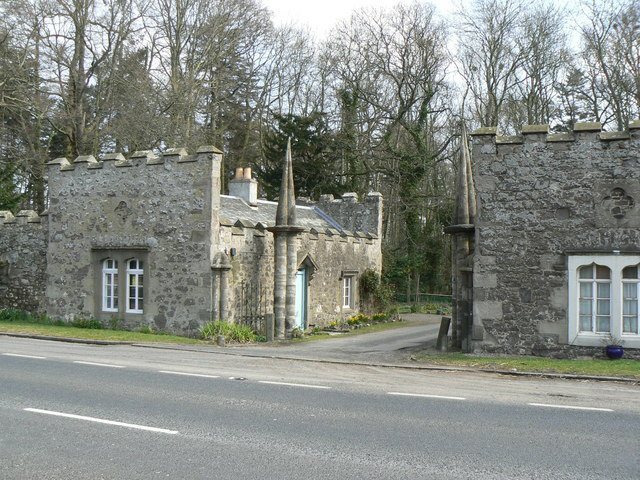
The castle, its former icehouse and the North Gate have Category A listed status, Scotland’s highest category.
Local legends
A local legend concerns a young woman of the Lyon family who was said to have lived at the castle in the seventeenth century. After her affair with a servant was discovered, she was confined, and the story says she fell to her death. The tale leaves open whether she jumped or was pushed. She was said to appear repeatedly, often at night, and was described as harmless rather than frightening.
A separate haunting tale describes a boy wearing a double-breasted sailing jacket, reportedly seen in the room associated with the White Lady. The suggestion that he was Richard, Colonel Adrian Gordon Paterson’s only son, is incorrect: Richard drowned in a boating accident on the Tay in 1939. Another local belief holds that the White Lady had somehow made the room more receptive to other spirits.
Remains
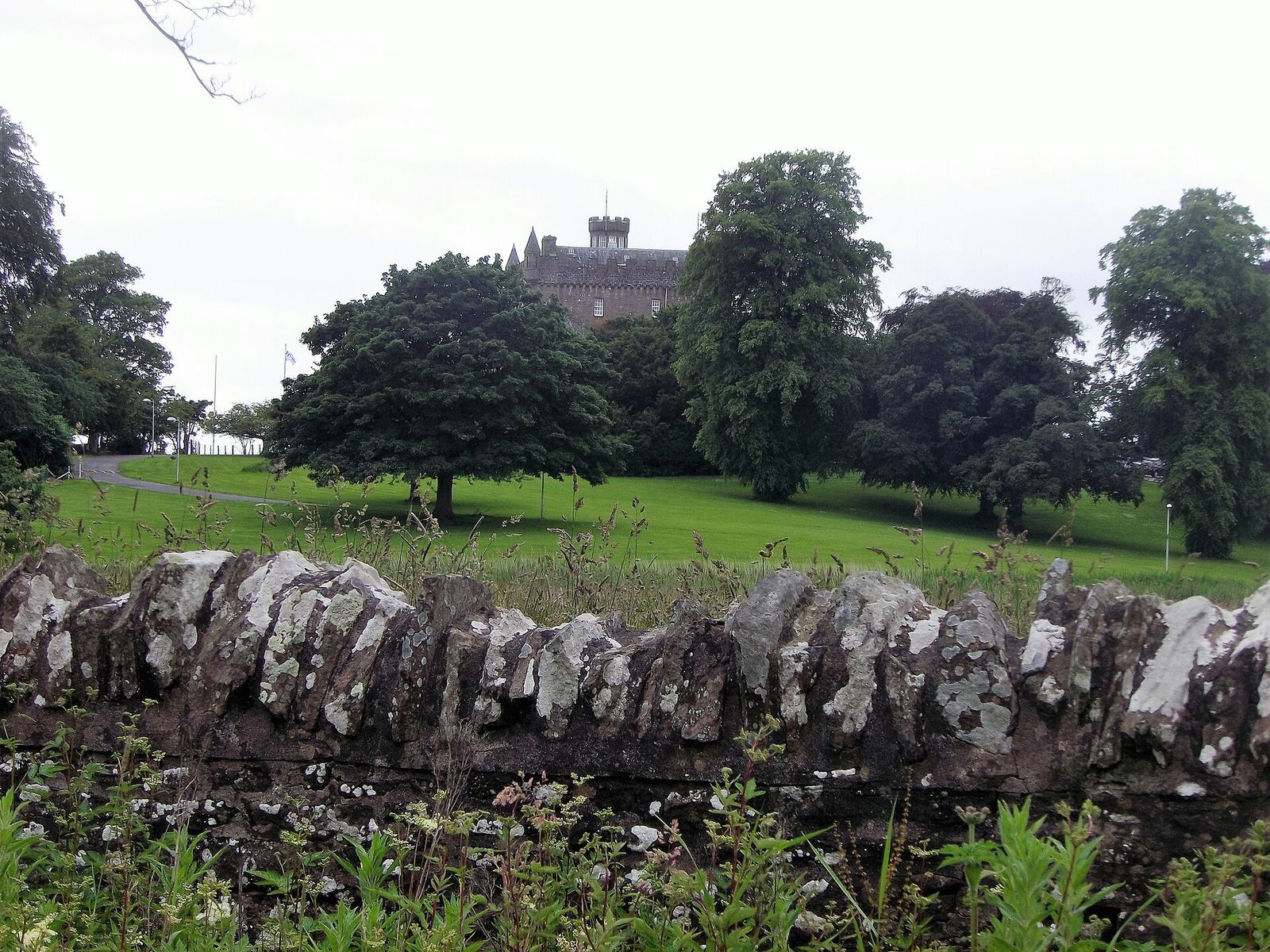
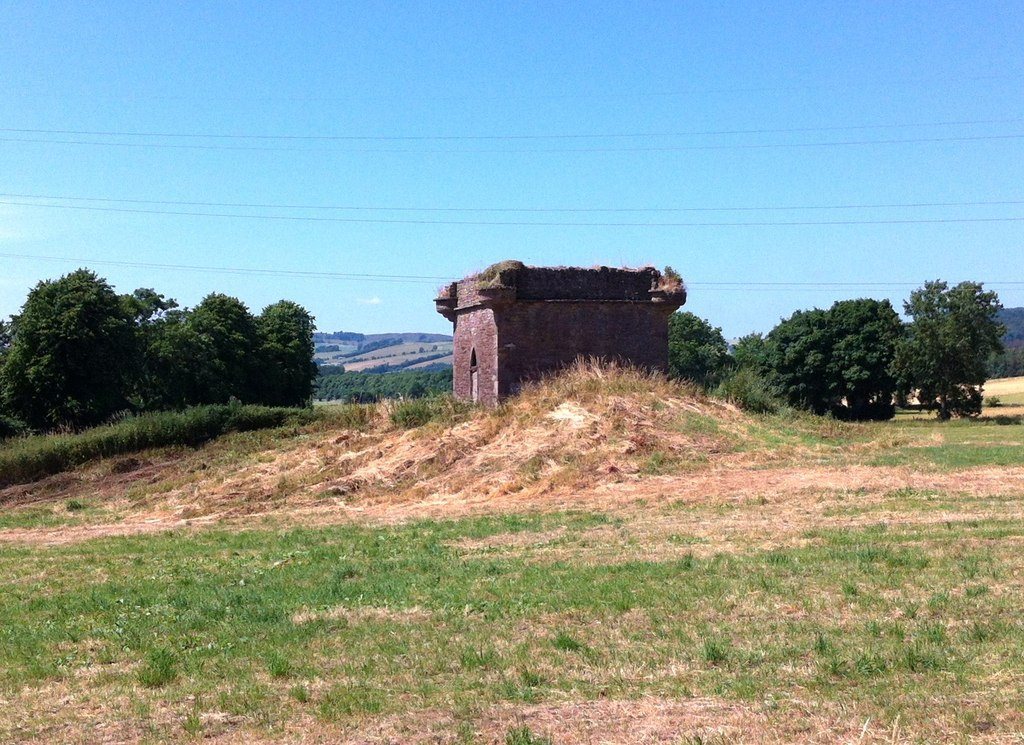
Castle Huntly stands on a rocky outcrop in the Carse of Gowrie, about 11 km west of Dundee and near the shore of the Firth of Tay, a coastal inlet. Farmland surrounds the site, and gardens surround the castle. The grounds also include a former icehouse, a North Gate and a dovecot, a structure made to house pigeons.
Castle and associated features
Tower chamber
A sleeping chamber sits high in a tower above the battlements, the protective parapets along the tops of the castle walls.
Other structures
The site includes a former icehouse, a building used to store ice, and the North Gate. A dovecot, a building designed to house pigeons, is also part of the grounds.