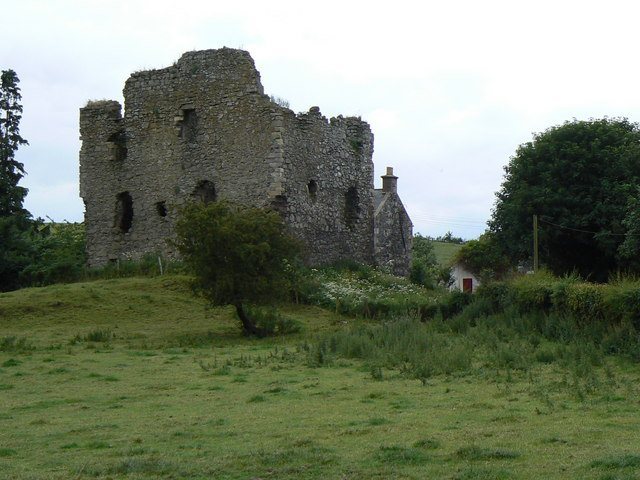
Dudhope Castle: A Tower House and Barracks in Dundee
Site at a Glance
- Country
- United Kingdom
- Primary era
- Medieval
- Eras represented
- Medieval, Early Modern
- Civilizations
- British, Kingdom of Scotland
- Site type
- Military
- Remains
- Castle
On this page10 sections
History
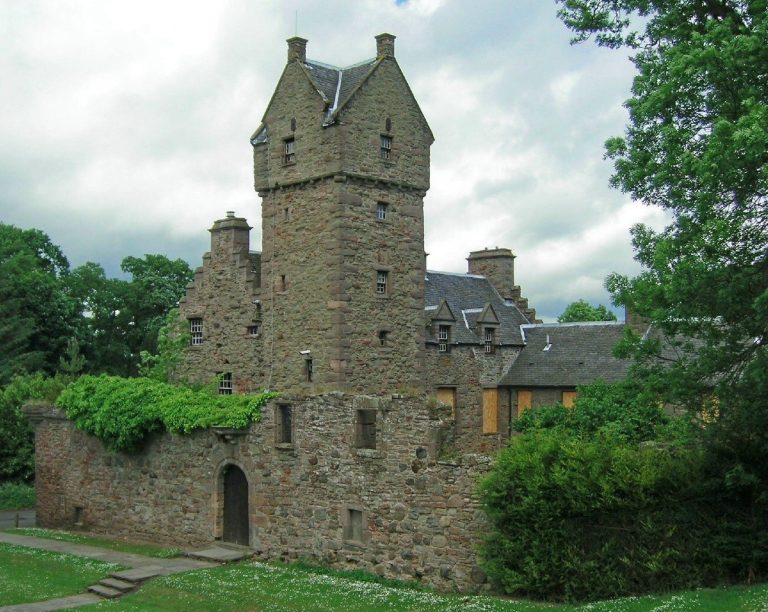
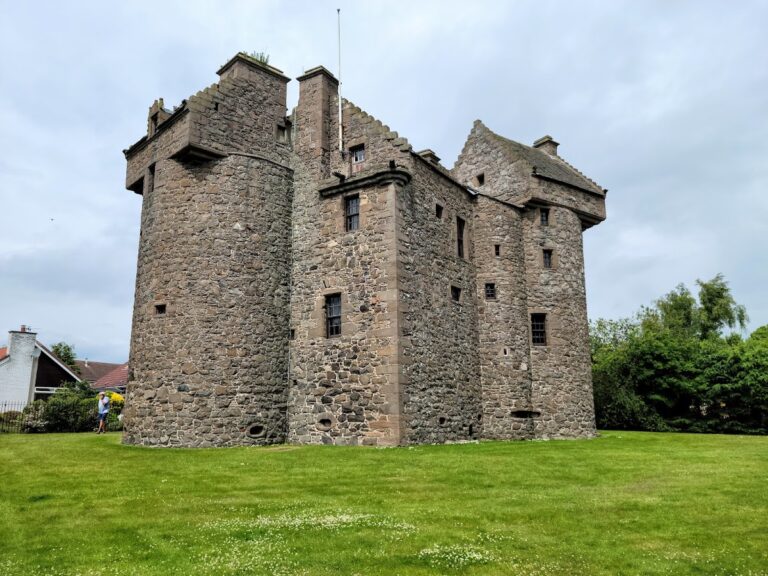
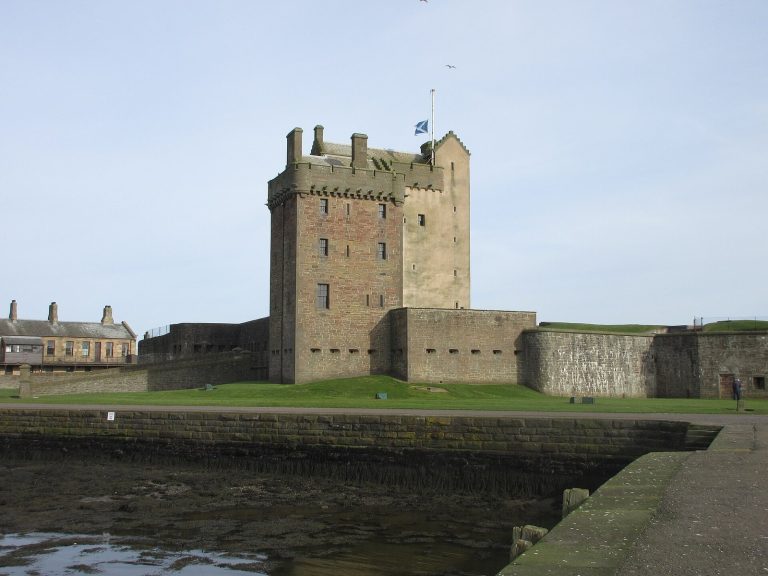
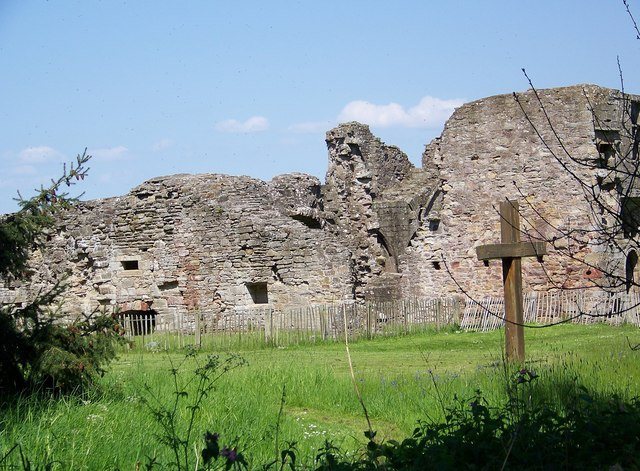
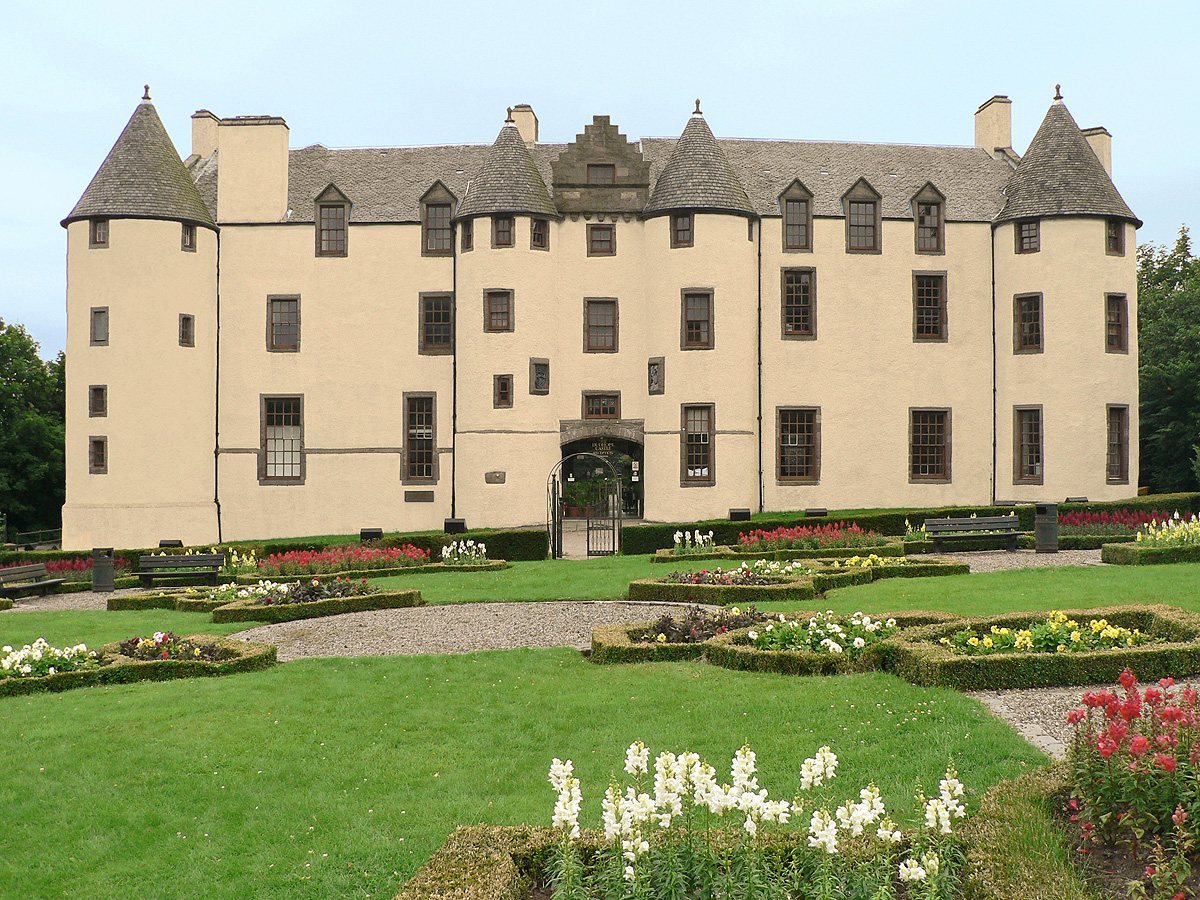
Dudhope Castle is an extended tower house from the later centuries of the Middle Ages on Dundee Law, a hill in Dundee, Scotland, United Kingdom. A tower house is a fortified residence built around a tall main block; the Scrymgeour family first built a smaller one here in the late 13th century. The family’s history at Dudhope was closely linked with Dundee. For about 370 years, the Scrymgeours held the office of constable, an official entrusted with a castle’s command or administration, though duties varied by place and period.
Scrymgeour foundations and enlargement
A charter to the Scrymgeours was signed by William Wallace, a leader in the Scottish Wars of Independence, on 29 March 1298. Robert the Bruce, later King of Scots, reaffirmed it in another charter signed on 5 December that year.
The original tower house was replaced around 1460, then enlarged in 1580 for James Scrimgeour and Magdalen Livingstone. The work included circular corner towers, which were demolished in the 18th century. James V visited in April 1540. James VI of Scotland, who also ruled England as James I, visited on 23 April 1602 and again on 20 May 1617.
Transfers between families
John Scrimgeour died in 1668 and was described as either the 13th or 14th Constable and as the first Earl of Dundee. Charles II disregarded the claim of John Scrimgeour of Kirkton, the rightful heir, and granted the castle and constable’s office to Charles Maitland, younger brother of the first Duke of Lauderdale.
Facing financial difficulty, Maitland sold Dudhope in 1684 to John Graham of Claverhouse, known as Bonnie Dundee. Graham left the castle for the Battle of Killiecrankie in 1689, a Scottish battle during the first Jacobite rising. The Jacobites won, but Graham was wounded and later died. In 1694 the Crown granted Dudhope to Archibald Douglas. The Douglas family were the last family occupants, remaining until about 1790. The castle had passed through the hands of the Scrymgeour, Maitland, Graham, and Douglas families.
Barracks and public park
A proposal to turn Dudhope into a woollen factory in 1792 was not carried out. The Board of Ordnance, a British government body responsible for military administration and supplies, leased the park and grounds in 1795 and used the castle as barracks from 1796 to 1879. It accommodated 400 soldiers, and the Board abandoned it in 1881.
Dundee’s town council took a sublease on the grounds in 1854 for recreational use, with the lease running until 1 November 1890. The Earl of Home planned to build terraced housing there, but the council acquired the grounds instead and opened them as a park on 28 September 1895.
Military use and modern adaptation
The Ministry of Works later occupied the castle, which served as military barracks during both world wars. A time gun on the grounds was fired each day at 1 p.m. Its use ended in 1916 to avoid disturbing patients at nearby Dundee Royal Infirmary who were being treated for shell shock, a historical term for psychological trauma associated with combat.
After the castle passed to Dundee Corporation, an attempt was made to demolish it in 1958. It was listed as a Category A building in 1963, Scotland’s highest listed-building category for structures of special architectural or historic importance. A redevelopment and restoration project in 1985–88 adapted it for use as offices and a conference centre. It also housed the University of Abertay Dundee’s Dundee Business School, then returned to Dundee City Council for offices and training. In 2022 it was leased to The Circle Scotland to provide affordable office space for the city’s third sector.
Remains
Castle fabric and associated features
Plan and windows
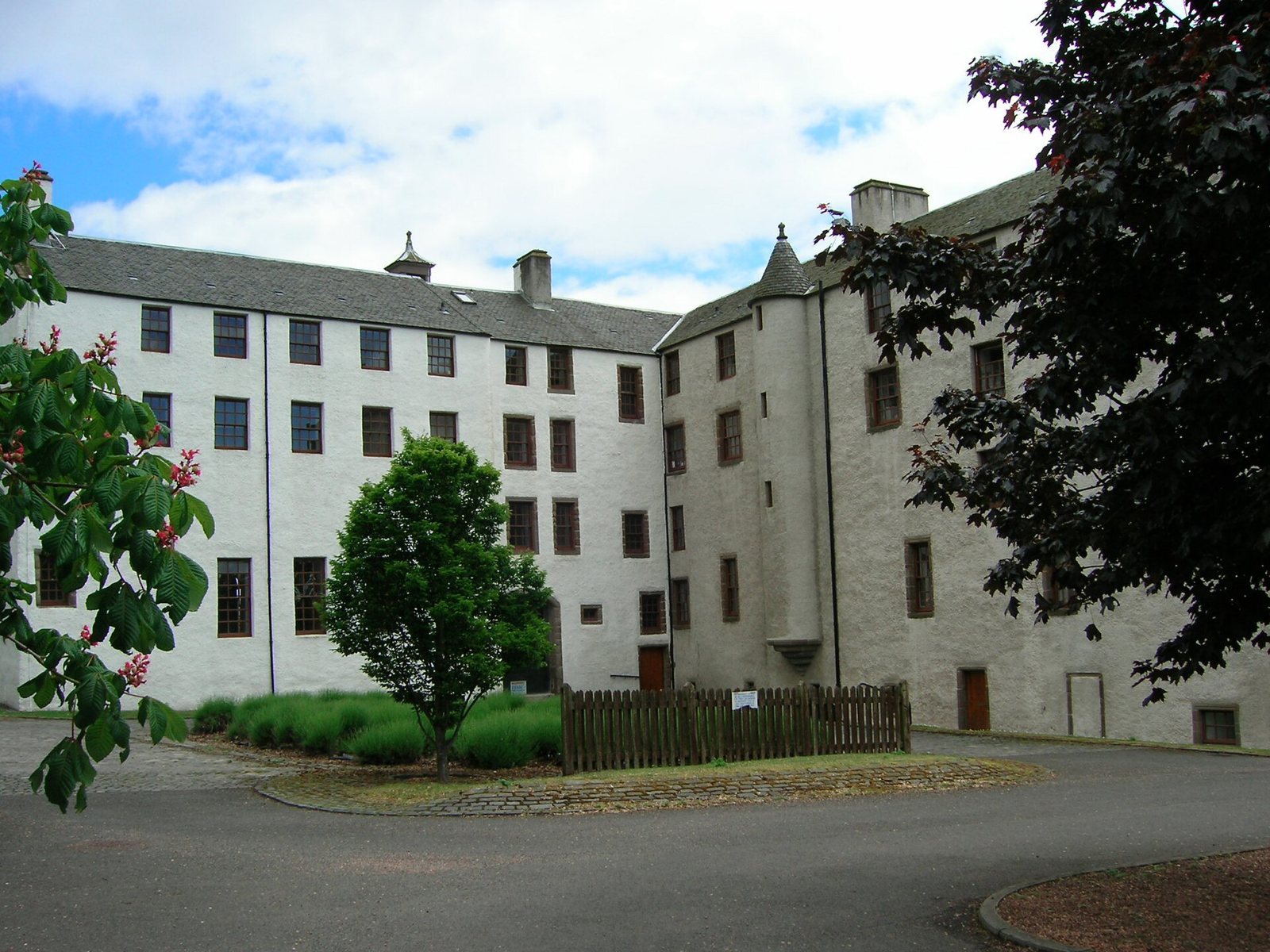
The castle has an L-shaped plan. Some dormer or storm windows have stone pediments dated 1600 and marked with the initials DML, for Dame Magdalen Livingstone.
Barracks and grounds
Additions made for barracks use included a hospital, officers’ quarters, stables, and guard rooms. A well is situated near the castle.
Restored interior
One of the main rooms is known as the Scrimgeour Room. It has wall hangings associated with the Scrymgeour family and curtains made from cloth in the Scrimgeour tartan, a patterned weave traditionally associated with Scottish clans.