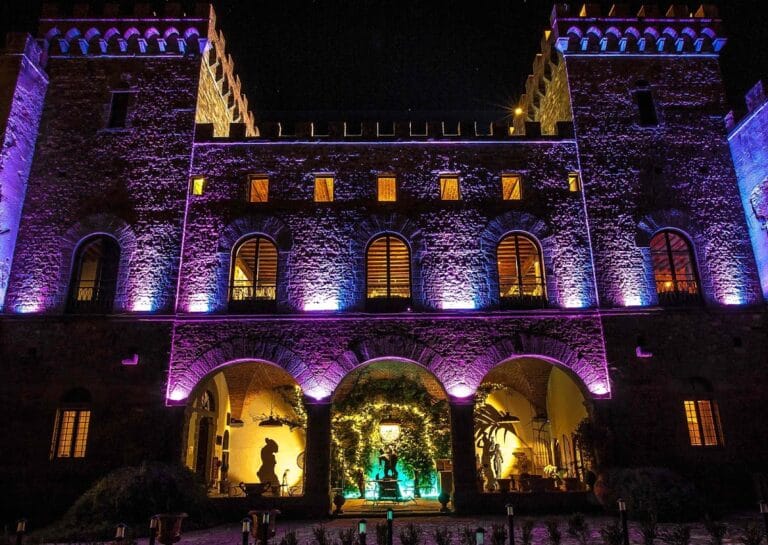
Castello Villanova: A Medieval Castle in Barberino di Mugello, Italy
Visitor Information
Google Rating: 4.5
Popularity: Very Low
Official Website: www.castellodivillanova.it
Country: Italy
Civilization: Modern
Site type: Military
Remains: Castle
History
Castello Villanova is situated in the municipality of Barberino di Mugello, Italy. It was originally established during the medieval period by local noble families active in the region.
Around the mid-13th century, the castle belonged to the noble Ubaldini family, specifically the branch known as de Villanova. At a later time, ownership passed to the Bettini family, who were connected as a cadet line of the Ubaldini. This early era positioned the castle as a small fortified settlement, which included not only defensive structures but also a community with social and administrative roles.
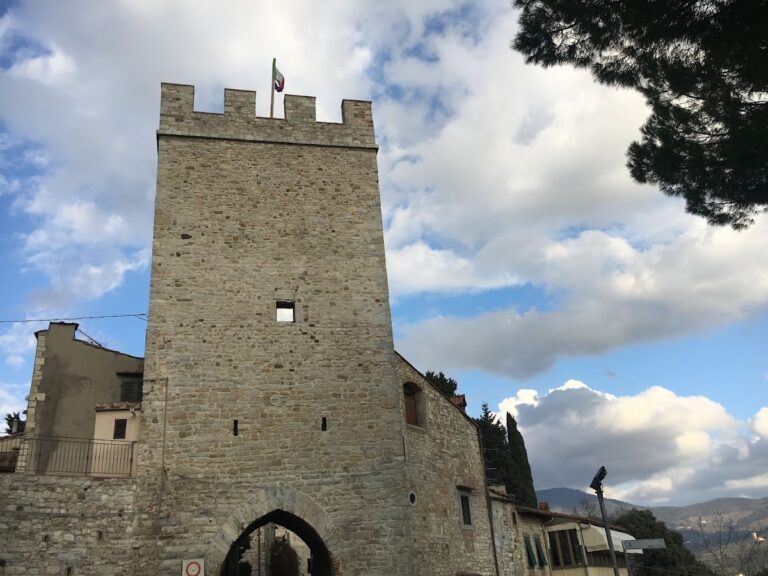
By the late 16th century, documents such as the “Piante di Popoli e Strade dei Capitani di Parte Guelfa” reveal that Castello Villanova encompassed a modest walled enclosure featuring a gate topped by a tower along with an adjoining building. Within these walls, the presence of the church dedicated to San Jacopo and a Compagnia—an organized group, possibly religious or communal—indicates a settlement with both spiritual and communal importance.
The church of San Jacopo itself was rebuilt in 1334 through the patronage of the noble Cattani family, highlighting the ongoing religious significance of the site. Later, in 1565, the church was formally linked to the curia of Santa Maria a Colle Barucci by the Archbishop of Florence, integrating it into the larger ecclesiastical administration of the area.
The local governance role of Villanova is further evidenced in a 1563 statute from the Potesteria of Barberino di Mugello, which mentions a councilor from Villanova serving in the Borsa del Consiglio. This council was responsible for regulating economic activities, indicating the castle’s involvement in regional administrative and economic affairs.
In the early 17th century, specifically 1611, the castle and its church were acquired by Marquis Ottavio Gerini. He connected them to the extensive estate of Villa Le Maschere, which stands as one of the largest rural villas in the Mugello countryside. This acquisition shifted the castle’s function to one integrated within a broader noble estate.
During the 19th century, Carlo Gerini undertook a reconstruction of the castle ruins, restoring the structure in a medieval style. His work transformed the site for new uses, including serving as a school and a convent, reflecting evolving community needs while respecting the site’s historic character.
Towards the end of the 20th century, conservation efforts began with a restoration completed in 1990 focusing on the tower, gate, and staircase to halt deterioration. In the early 21st century, plans emerged to repurpose the castle and its park for hospitality and ceremonial functions. In 2003, the site also hosted a notable national assembly for the Registro Beta Montecarlo, signaling a renewed cultural engagement with the historic location.
Remains
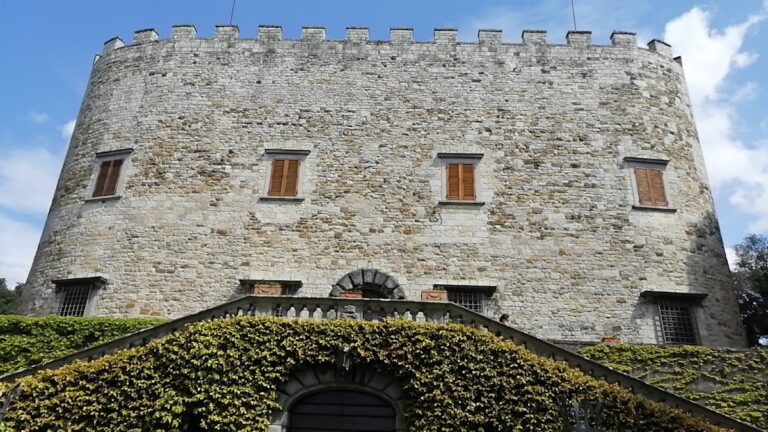
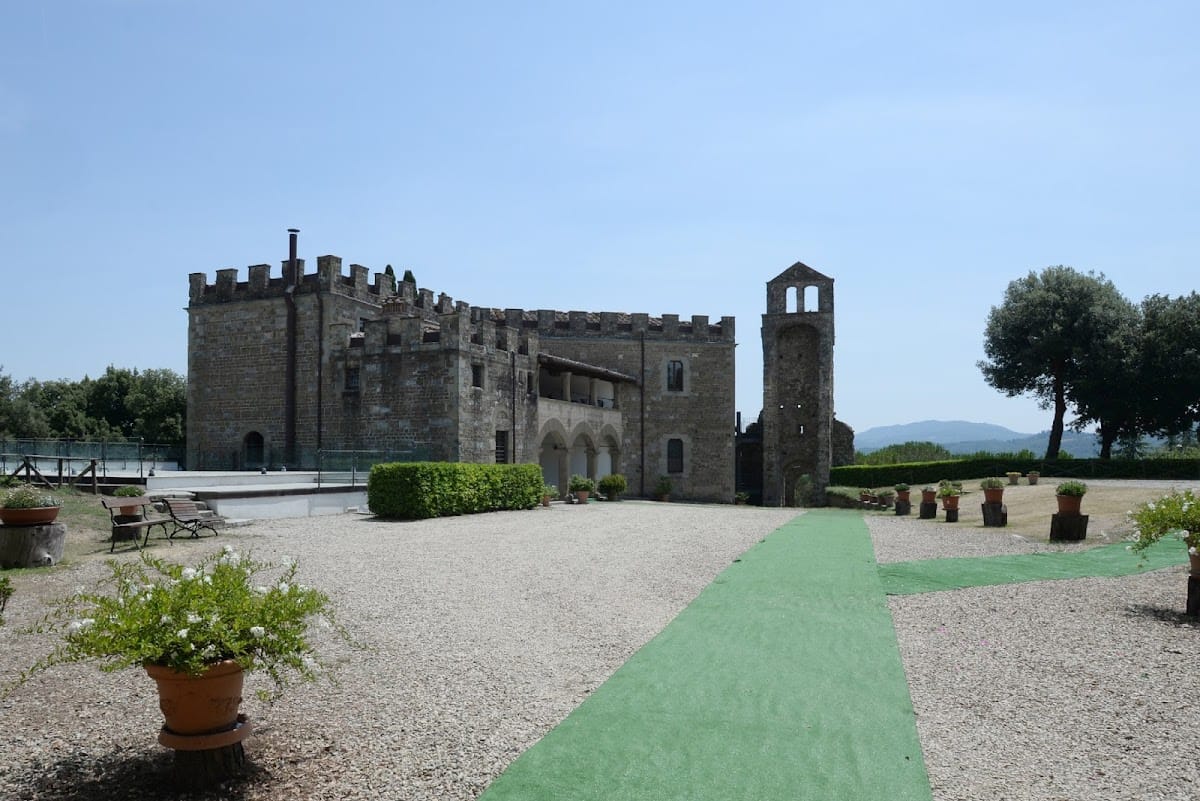
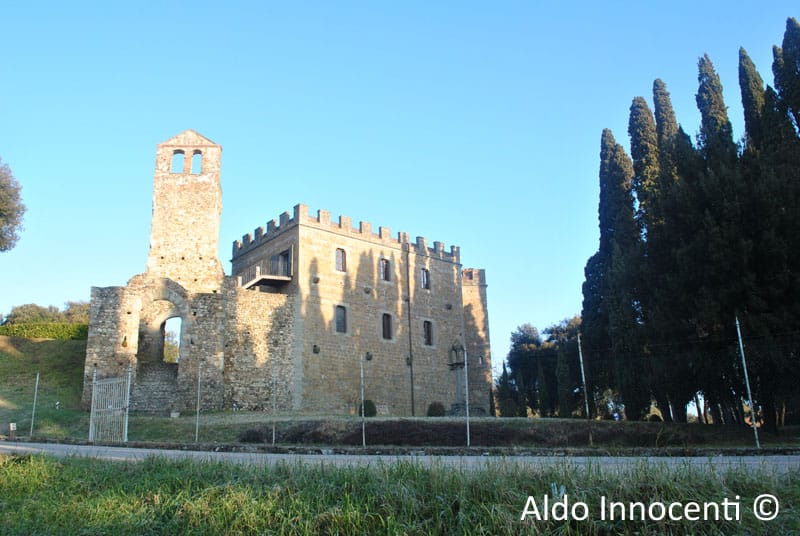
The archaeological and architectural remains of Castello Villanova reveal a small circular fortified enclosure characteristic of medieval defensive sites. The perimeter was once defined by a stone wall surrounding the settlement, with a main entrance secured by a gate crowned with a tower. The adjacent building within the walls likely served as a residential or administrative structure supporting the castle’s occupants.
Contained within the fortification was the church of San Jacopo, reconstructed in 1334. This religious building underscored the site’s dual role as both a defensive stronghold and a spiritual center. Documentation shows the church was later annexed to a larger ecclesiastical body, illustrating its sustained religious importance.
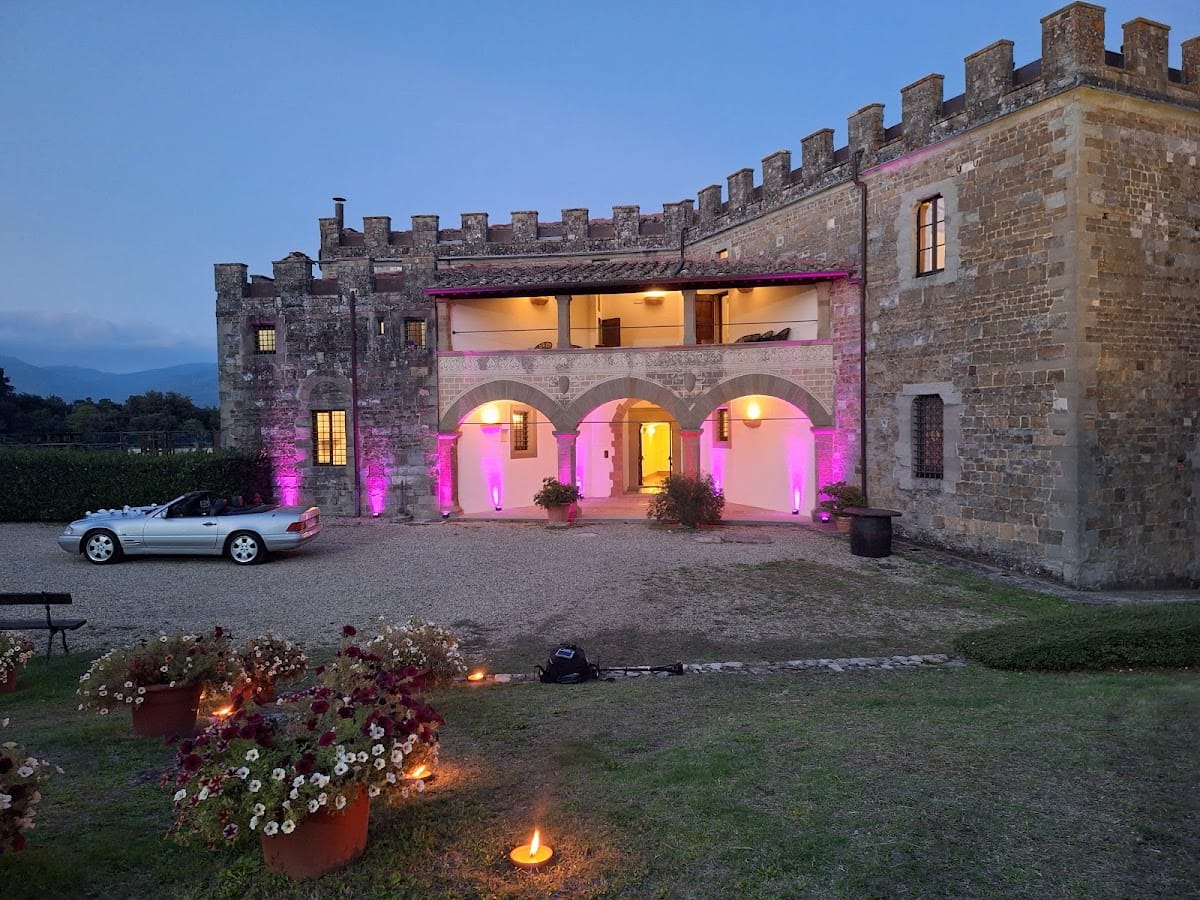
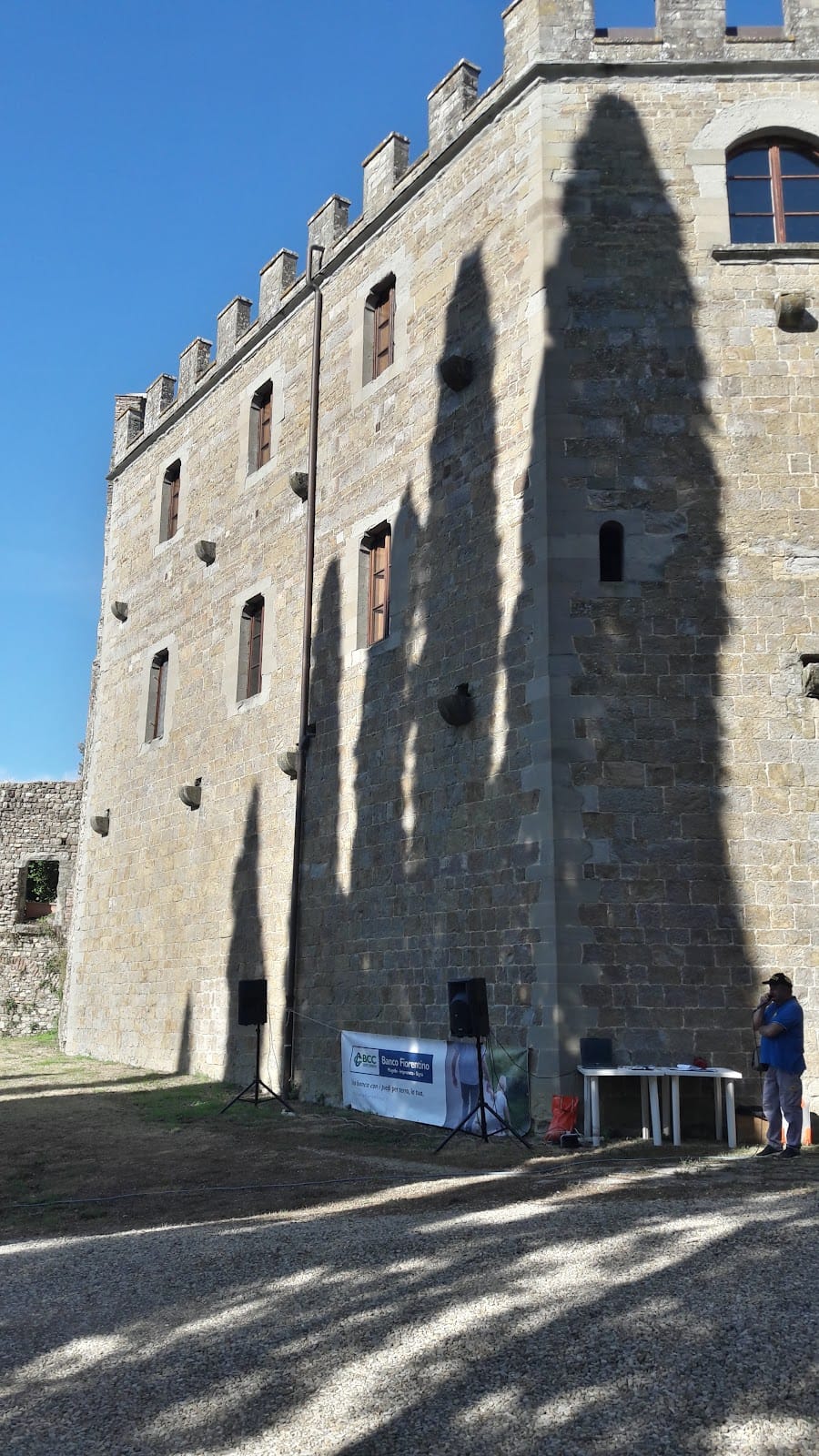
The 19th-century rebuilding by Carlo Gerini retained the medieval stylistic elements. His reconstruction preserved key features including the tower and entrance gate, as well as the external staircase that provides access to upper levels. These elements underwent a significant restoration in 1990 aimed at preventing further decay.
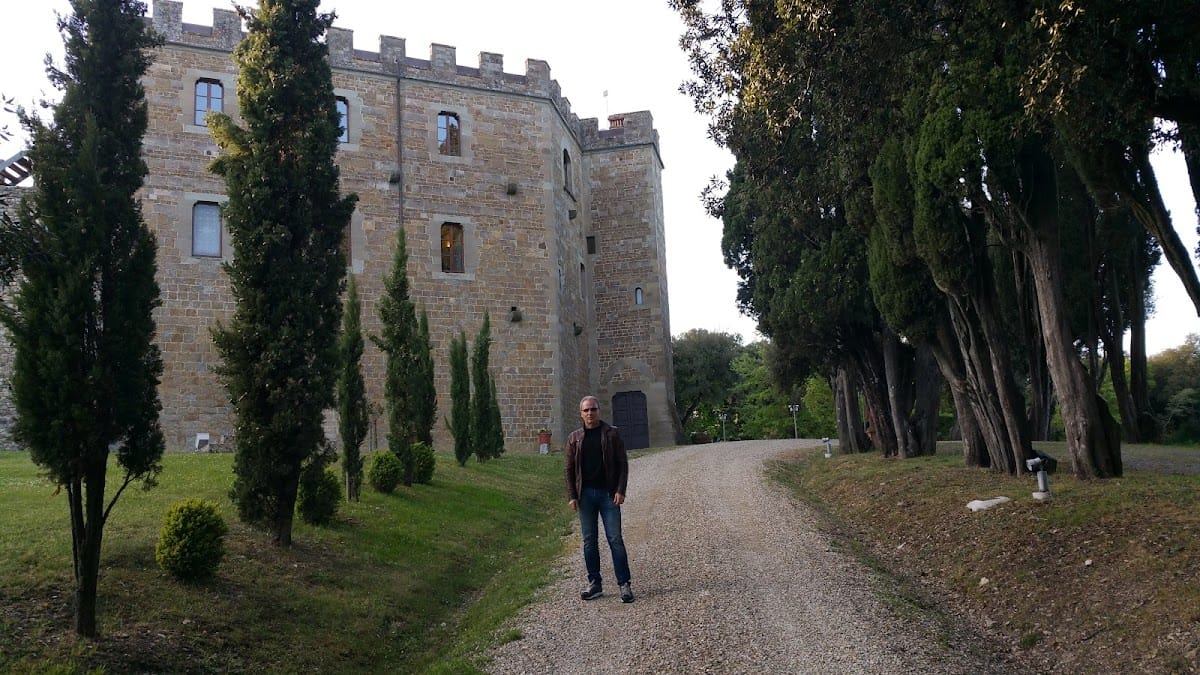
The castle sits within the grounds of Villa Le Maschere, itself notable for having one of the most extensive rural parks in the Mugello region. Photographic evidence captures an ancient portal with a staircase leading into a courtyard and highlights a tree-lined avenue that provides a formal approach to the castle’s entrance, indicating a carefully organized spatial layout.
Today, key components such as the tower, gate, and staircase have been restored and remain recognizable, providing tangible links to the castle’s medieval heritage. Plans for adaptive reuse have focused on transforming the site into a venue suitable for hosting events, school activities, and other communal functions, ensuring that the historical fabric of Castello Villanova continues to be preserved and appreciated.
Nearby sites