Castello di Mornico Losana: A Medieval Fortification in Italy


Site at a Glance
- Rating
- 4.5
- Popularity
- Low
- Country
- Italy
- Primary era
- Early Modern
- External website
- Open
- Eras represented
- Medieval, Early Modern, Modern
- Civilizations
- Holy Roman Empire
- Site type
- Domestic
- Remains
- Castle
On this page6 sections
History
Castello di Mornico Losana is a medieval fortification in Italy, built in the twelfth century to defend the hill above Mornico Losana and monitor the Po Plain. Its history is closely linked to Pavia and to the nearby castle of Montalto.
Pavian Administration and the Belcredi
In 1164, Emperor Frederick I, known as Frederick Barbarossa, granted Mornico and other fortified places to the city of Pavia. These territories had autonomous administration. Pavia later incorporated Mornico into the podesteria of Montalto, an administrative district governed by an appointed civic official, and granted it as a fief to the Belcredi, a Ghibelline aristocratic family from Pavia. The Ghibellines supported imperial authority during the medieval conflicts between the papacy and the Holy Roman Empire in Italy.
The Belcredi built the castle, or more probably rebuilt an earlier fortification, as an outpost facing the plain and associated with the main castle at Montalto. Its strategic purpose was defensive, and the elevated position allowed the site to observe the surrounding territory.
Later Lords and Transformation into a Manor
The castle endured several assaults over the following centuries. The Sforza, a major ruling dynasty particularly associated with Milan, assigned it to various families from Piacenza. Its subsequent history followed that of Montalto, passing to the Strozzi and Taverna families before returning permanently to the Belcredi during Spanish rule.
The Belcredi held the property until the first half of the nineteenth century, while the fortified settlement was gradually transformed into a manor. At the beginning of the nineteenth century, ownership passed to the Marquis Doria and then to the Brignole family. In 1880, the De Filippi family acquired it and later sold it to Professor Lorini.
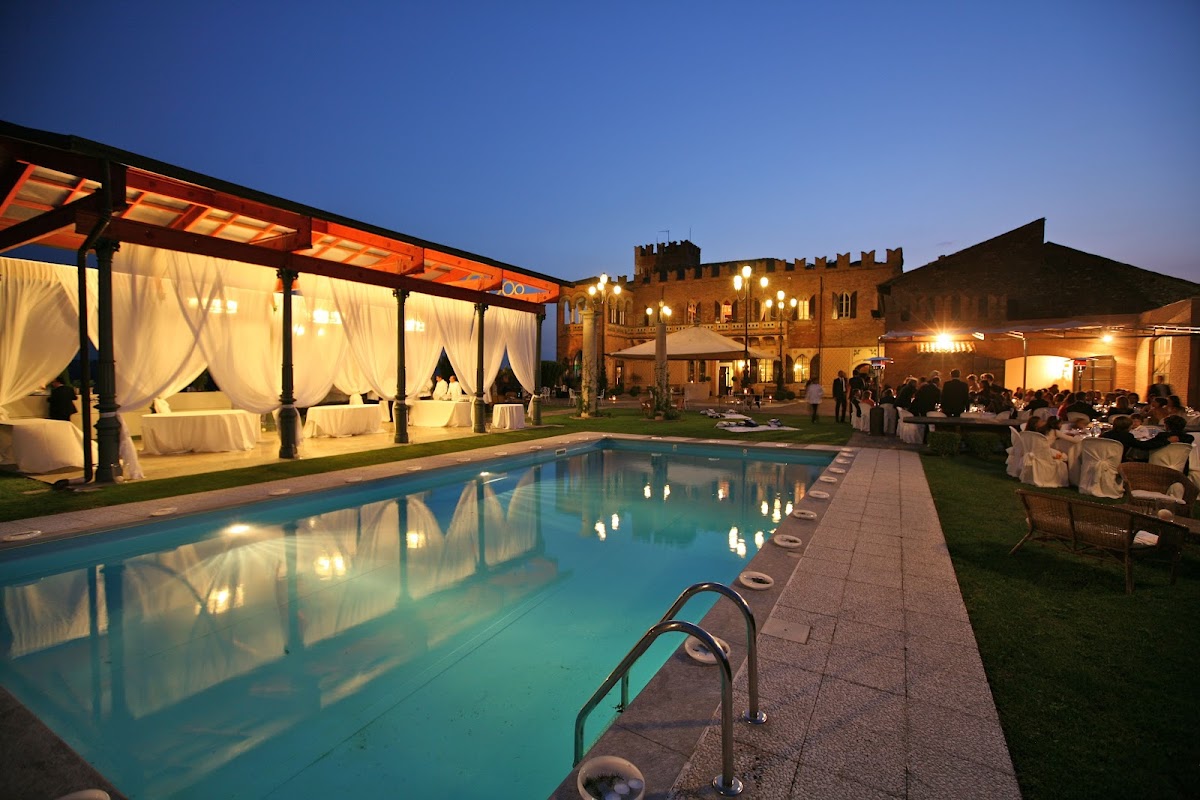
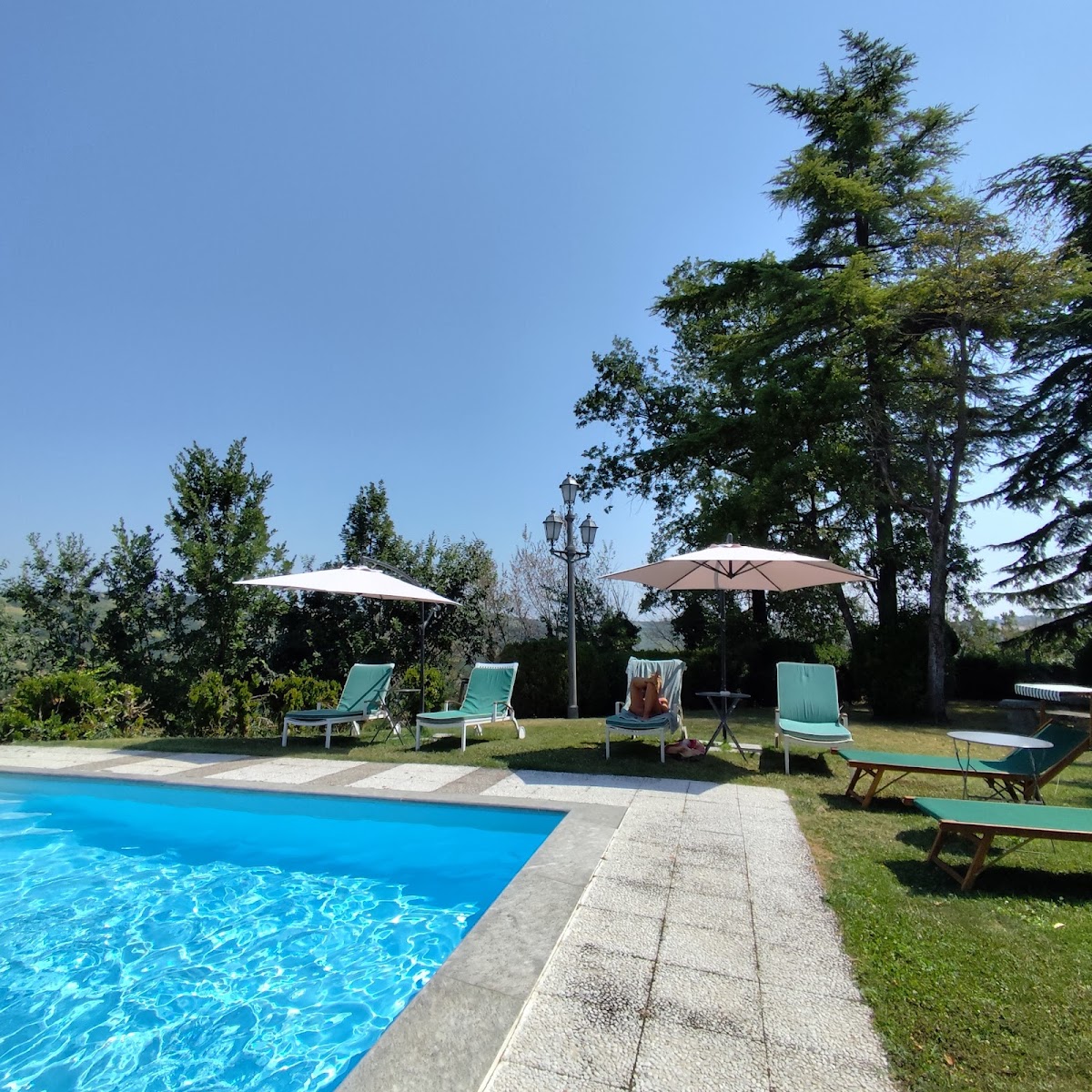
The property is now privately owned and operates as a hotel, with spaces used for wedding receptions and conferences. The change from defensive outpost to residential and hospitality complex reflects the long transformation of the site.
Remains
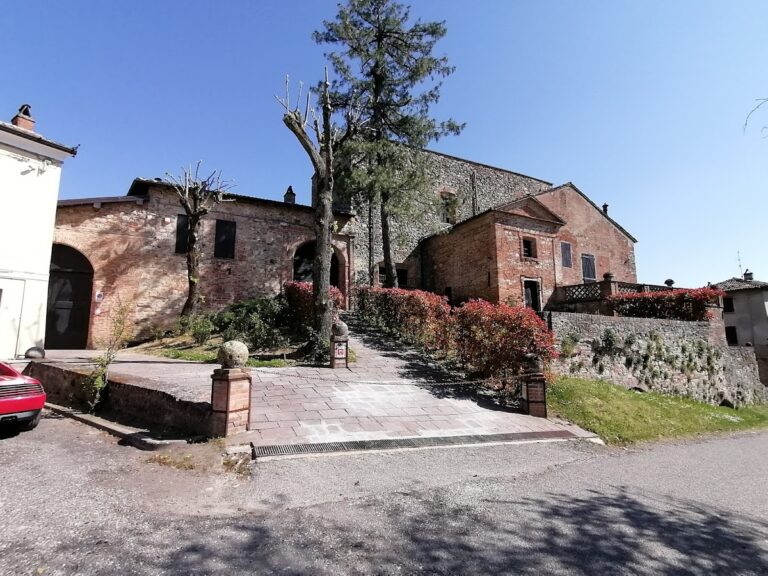
The complex stands at about 350 metres above sea level on the ridge above the village, in the Oltrepò Pavese, the part of the Province of Pavia south of the Po River. The ridge forms the watershed between the Sorda and Verzate valleys and provides broad visibility across the Po Plain. Brick and stone are the principal recorded construction materials.
Hilltop Defensive Position
The early site had only a stone watchtower. Its height supported surveillance of the Po Plain, while the main castle at Montalto was visible from the position. The medieval building fabric now survives in the perimeter foundations of the underground levels.
Residential Palace and Manor
The surviving complex has the appearance of a residential palace. It was renovated as a fortified house at the beginning of the eighteenth century and later converted into a manor. A crenellated tower dating from the end of the nineteenth century forms part of the later building, whose masonry includes small loggias and recessed sections. The present condition of the castle is good.