Rochefort-en-Valdaine Castle: A Medieval Fortified Residence in France


Site at a Glance
- Rating
- 4.6
- Popularity
- Low
- Country
- France
- Primary era
- Medieval
- External website
- Open
- Eras represented
- Medieval, Early Modern
- Civilizations
- French, Holy Roman Empire
- Site type
- Military
- Remains
- Castle
On this page8 sections
History
From Earthwork to Stone Castle
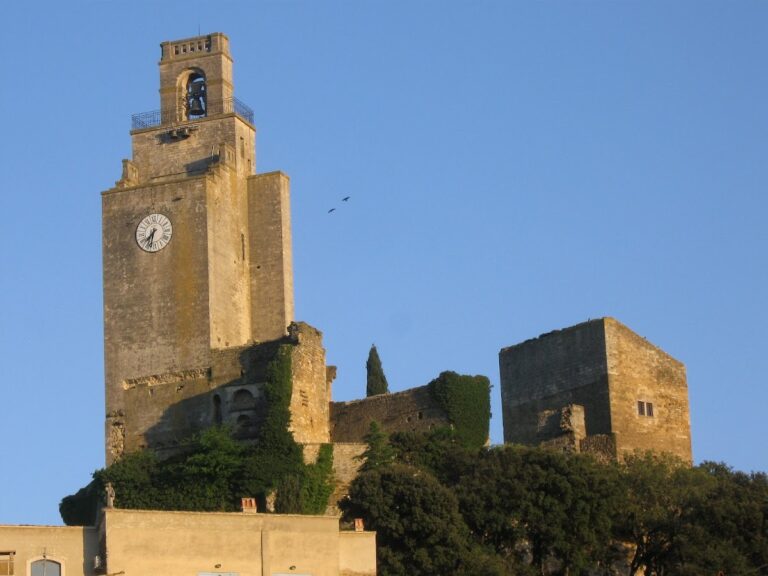
Rochefort-en-Valdaine Castle is a historic fortified site in France that originated as an earthwork castle in the late tenth or early eleventh century. Its early design centered on two raised mounds, or mottes, which were fortified earthwork cores of an early medieval castle. One of these mottes later supported the stone castle that replaced the original stronghold during the twelfth century.
The castle became the administrative center of the mandement of Rochefort, a medieval territorial jurisdiction organized around a lordly stronghold. This jurisdiction is attested in 1138. The fortifications were strengthened over several centuries, preserving evidence of changing castle architecture from the eleventh through the sixteenth century.
Medieval Development and Reoccupation
A rectangular keep, the principal fortified tower of a castle, was built around 1220–1223 on the western side of the motte. The castle’s surrounding wall was rebuilt or substantially renewed during the fourteenth century. These works formed part of the continuing development of the stronghold and its defensive enclosure.
The castle was abandoned for about a century before being occupied again and modernized in the sixteenth century. Its surviving phases therefore reflect both its medieval origins and its later adaptation to changing needs.
Preservation and Modern Use
During the twentieth century, the local association ACROCH consolidated the ruins. The castle complex now belongs to the Commune of Rochefort-en-Valdaine. An order dated 6 September 2001 listed the entire complex as a French historic monument, including its enclosure, keep, residential building, and Saint Blaise Chapel. The site is also recorded in the French Ministry of Culture’s Mérimée architectural-heritage database under reference PA26000010.
During the summer, the castle hosts exhibitions and a research center devoted to castle mottes, connecting the surviving monument with the study of early fortified sites.
Remains
The Mottes and Enclosure
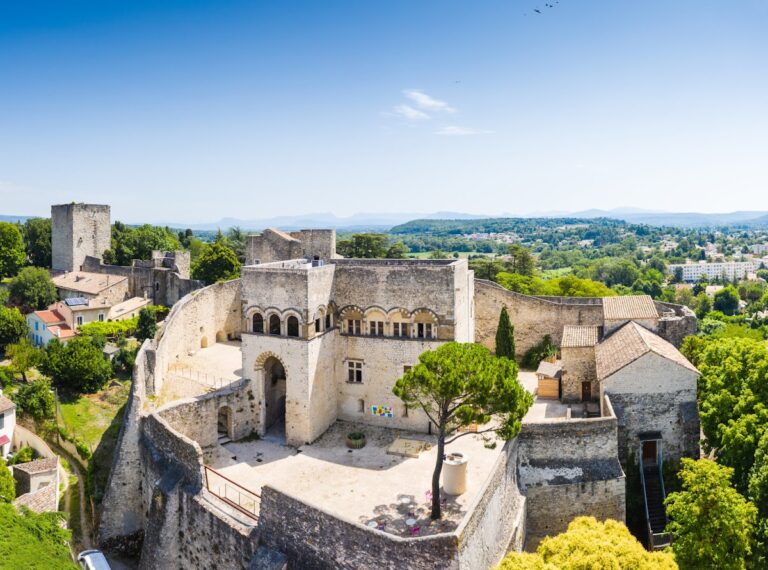
The ruins stand in the commune of Rochefort-en-Valdaine, in the Drôme department of France’s Auvergne-Rhône-Alpes region. The original castle mound was partly cut into the rock, while the later stone castle occupied one of the two original mottes. A surrounding wall encloses the surviving complex and was rebuilt or substantially renewed in the fourteenth century. The enclosure is preserved as part of the site’s ruinous remains.
The Keep
The rectangular keep stands on the western flank of the motte and dates from around 1220–1223. Its upper level contained the elite residential areas, while the lower room was used as a storeroom. The tower survives within the ruined castle complex and illustrates the combination of defensive, residential, and storage functions that could be concentrated in a principal castle tower.
Residential Building and Saint Blaise Chapel
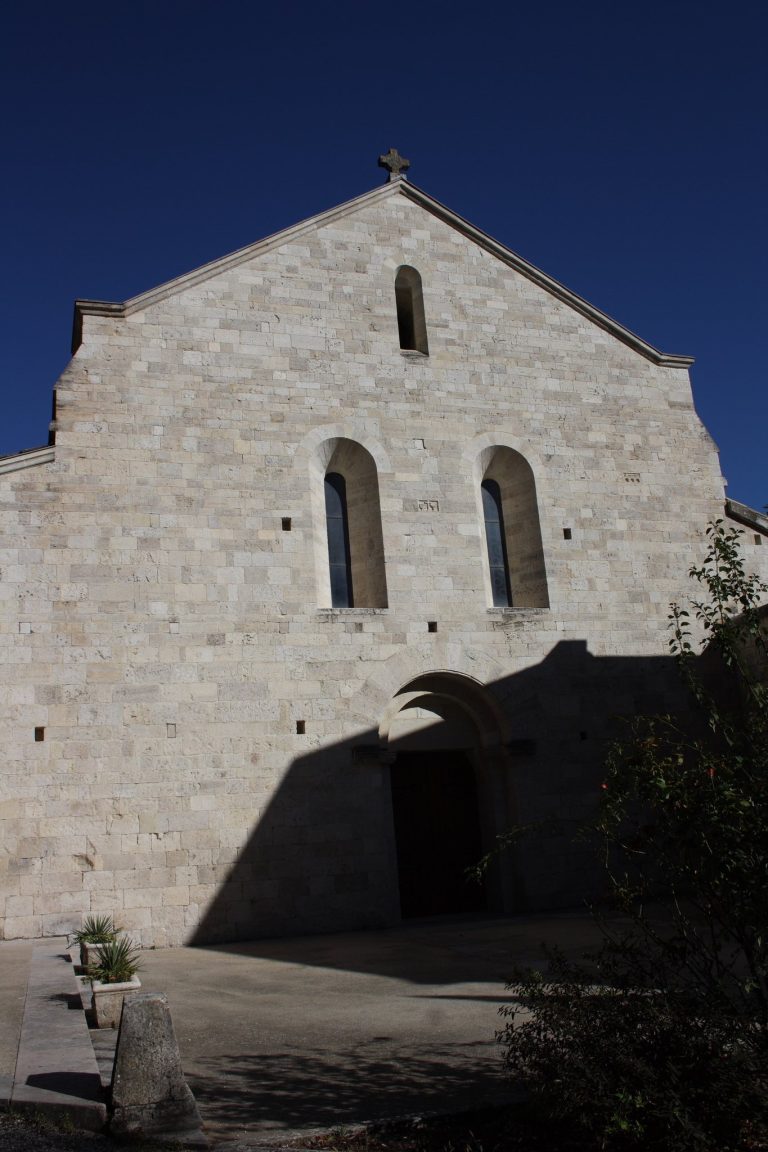
The surviving complex also includes a residential building and the Saint Blaise Chapel. The chapel is dedicated to Saint Blaise, a Christian saint traditionally associated with protection against throat ailments. Both structures form part of the preserved ruins alongside the enclosure and keep.