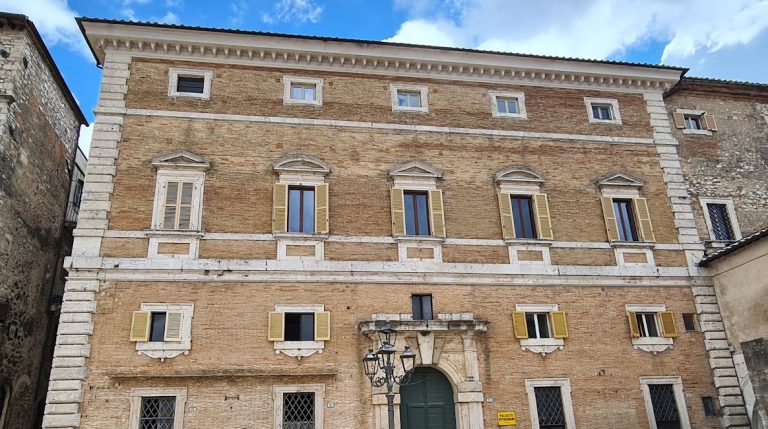
Castello di Sipicciano: A Medieval Castle in Italy


Site at a Glance
- Rating
- 4.2
- Popularity
- Very Low
- Country
- Italy
- Primary era
- Medieval
- Eras represented
- Medieval
- Civilizations
- Papal States
- Site type
- Military
- Remains
- Castle
On this page7 sections
History
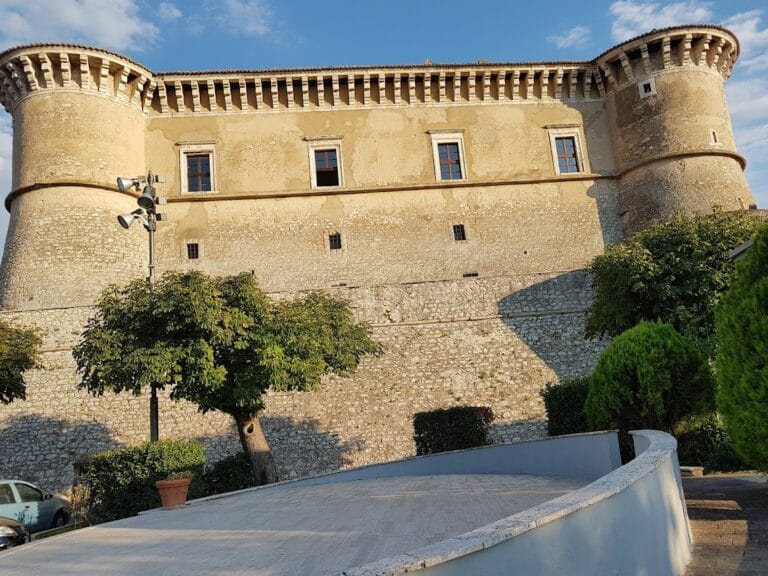
Castello di Sipicciano, also known as Castello Baglioni, is a medieval castle in Italy, located in Sipicciano in the Tiber Valley near the Umbrian border. Its octagonal towers are mentioned in a document of 1263 connected with the Selva Pagana trial, placing the fortress within the political and military history of medieval central Italy.
Medieval conflicts and papal authority
The castle was burned in 1326 and again in 1328 during conflicts between the Guelfs and Ghibellines, opposing factions broadly associated with papal and imperial authority in medieval Italy. A more peaceful period followed under Cardinal Albornoz, a fourteenth-century cardinal and papal representative.
In 1414, during the struggle against Antipope John XXIII, the fortress was granted to Angelo di Lavello, known as Tartaglia, a professional military captain, as payment for his services. After Tartaglia died, Castello di Sipicciano returned to the Holy See, the governing institution of the pope and the Roman Catholic Church.
Noble ownership
The castle was later transferred to Giordano Antonio Colonna, who sold it to Giovanni and Giacomo Pandolfo, counts of Anguillara. Around the middle of the fifteenth century, the Baglioni family reacquired the property and retained it, despite repeated difficulties, until 1633.
Pope Clement VII confiscated the castle for a period before it was returned in 1531, and it was temporarily transferred to Pietro Altemps. Francesco Baglioni, the last Baglioni proprietor, eventually sold it to Prince Taddeo Barberini. Barberini transferred the property a few years later to Prospero Costaguti. The Vanniccelli and Balestri families also owned it before its transfer to the Agrarian University of Sipicciano in 1923.
Modern administration
Since 1923, Castello di Sipicciano has been administered by the Agrarian University of Sipicciano, a local collective institution responsible for communal land and related rural resources. Under its administration, the castle was restored and converted into an archaeological museum. In 1928, Sipicciano was incorporated into Graffignano during the administrative reorganization carried out under Fascist Italy, the Kingdom of Italy under the Fascist regime.
Remains
Fortifications and interiors
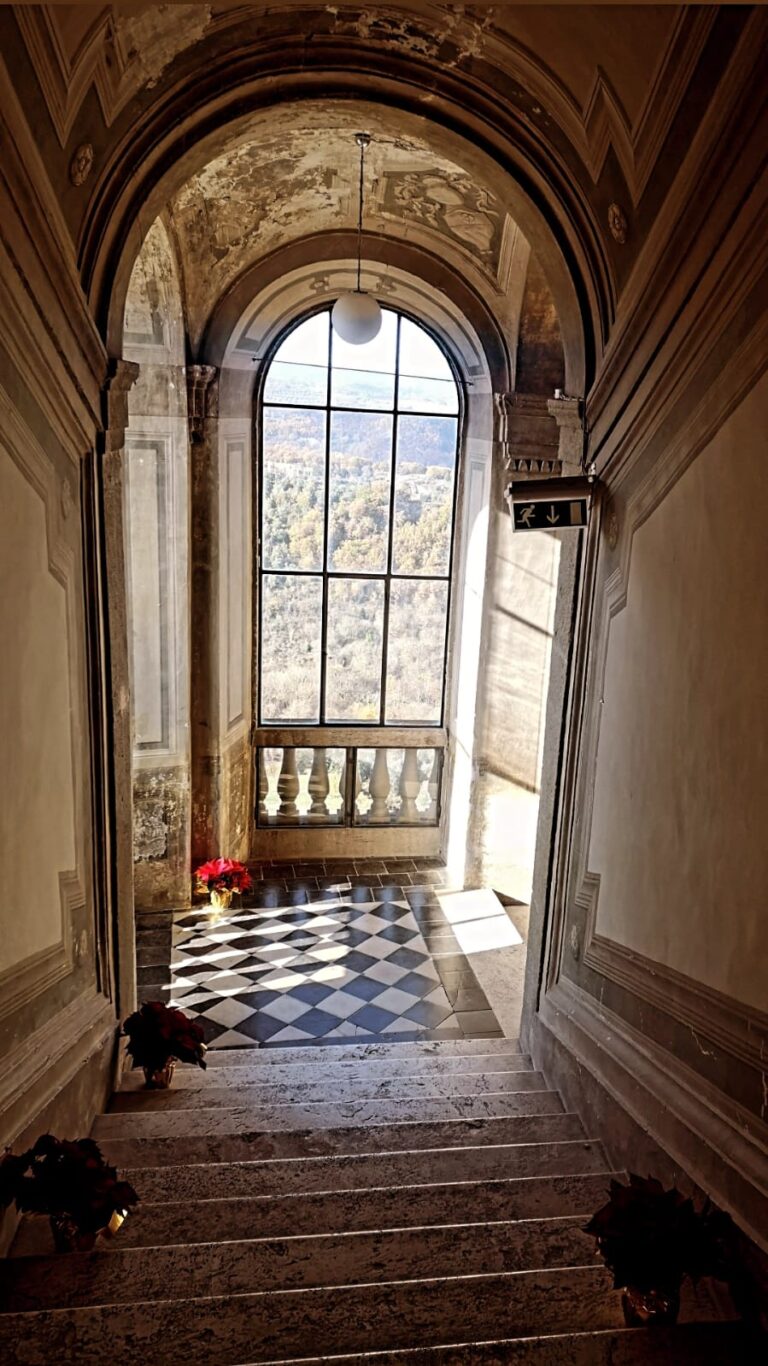
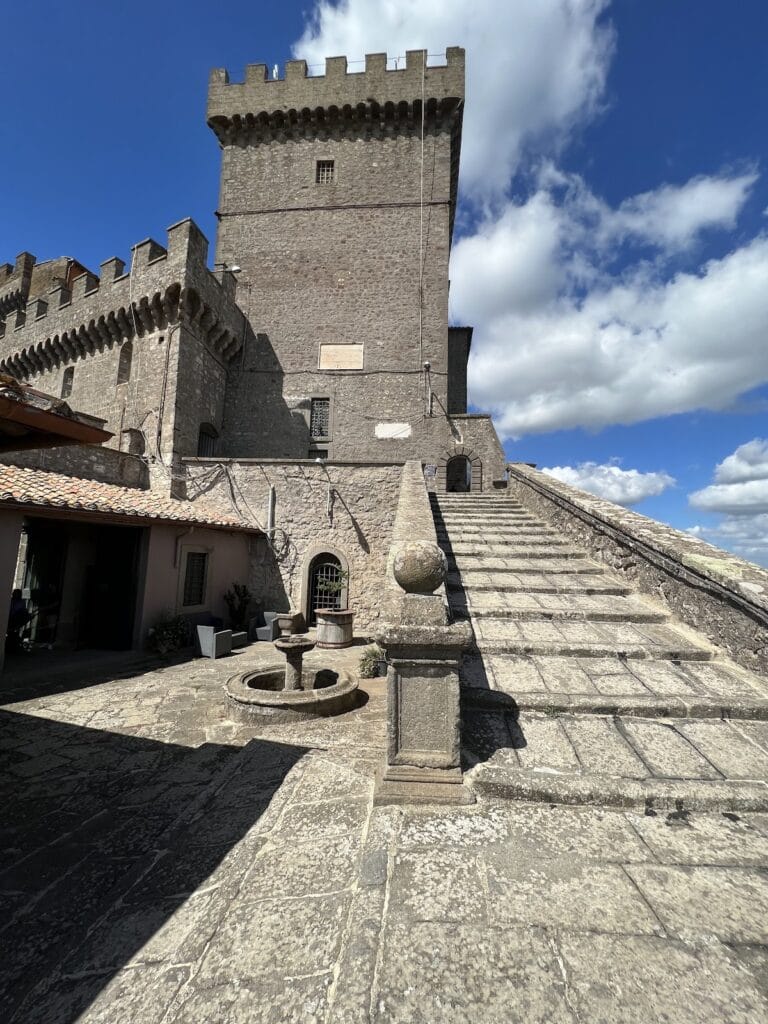
Castello di Sipicciano survives as a medieval fortified structure with octagonal towers. Its rooms contain painted friezes that form an important part of the interior decoration. Restoration has preserved the castle as an architectural setting for the archaeological museum.
Archaeological museum
The restored castle houses an archaeological museum displaying finds from a Roman villa discovered in the surrounding area in 2009. A Roman villa was an elite rural residence or estate in the Roman world, and the recovered material provides the museum’s archaeological contents within the medieval fortress.
Nearby sites