Burmalı Minare Mosque: A Seljuk Mosque in Amasya
Site at a Glance
- Popularity
- Medium
- Country
- Turkey
- Primary era
- Medieval
- Eras represented
- Medieval, Early Modern
- Civilizations
- Ottoman, Seljuk
- Site type
- Religious
- Remains
- Mosque
On this page8 sections
History
Seljuk foundation
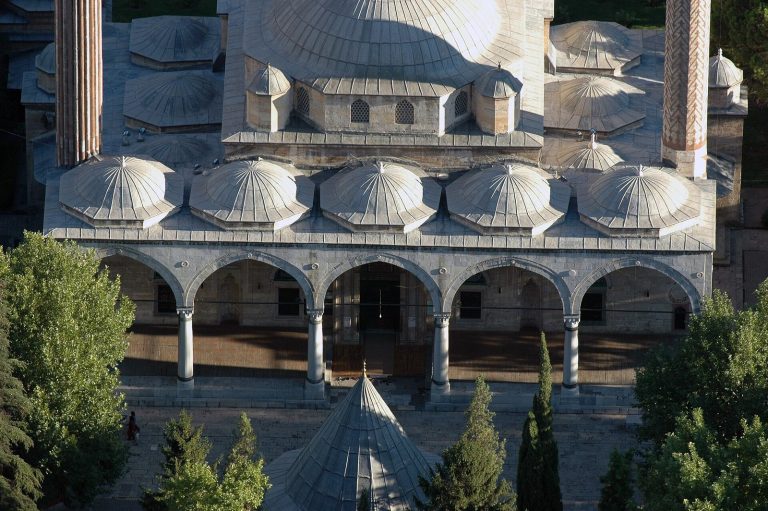
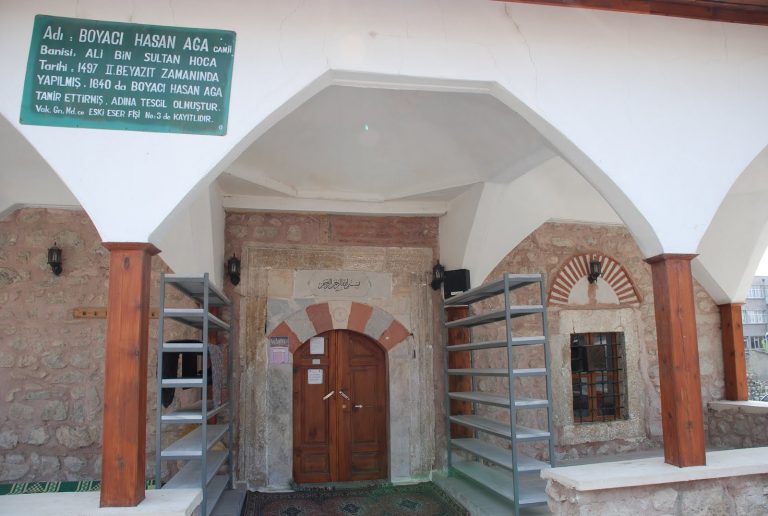
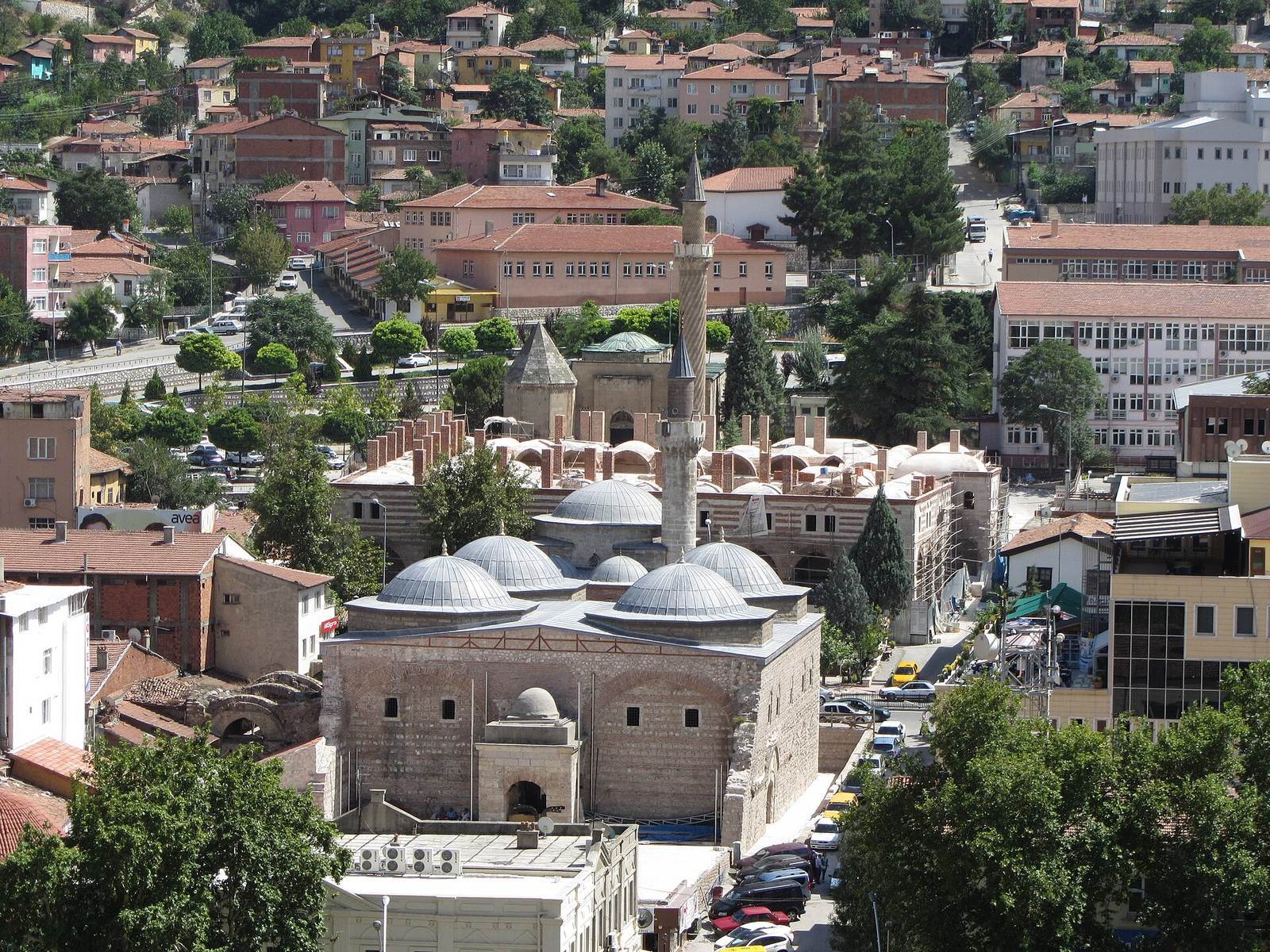
Burmalı Minare Mosque is a Seljuk mosque in Amasya, Türkiye, built under Anatolian Seljuk Sultan Kaykhusraw II. It represents the developed domed-mosque form of Seljuk architecture. Its construction is usually dated to 1237, although the date is uncertain and an alternative dating places it between 1237 and 1247. Construction is attributed to Ferruh Bey, son of Selçuk and the sultan’s vizier.
The adjoining tomb became the burial place of Ferruh Bey, who supervised the building, and his son Yusuf Bey. It also housed the mummy of Prince Cumudar, whose presence gave the tomb its popular name, Cumudar Tomb.
Damage and restoration
An earthquake in 1590 and a fire in 1602 left the mosque in ruins. A later fire, in 1730, destroyed the minaret, which was subsequently repaired and rebuilt in strong stone suited to the mosque.
A two-year restoration was completed in 2024.
Remains
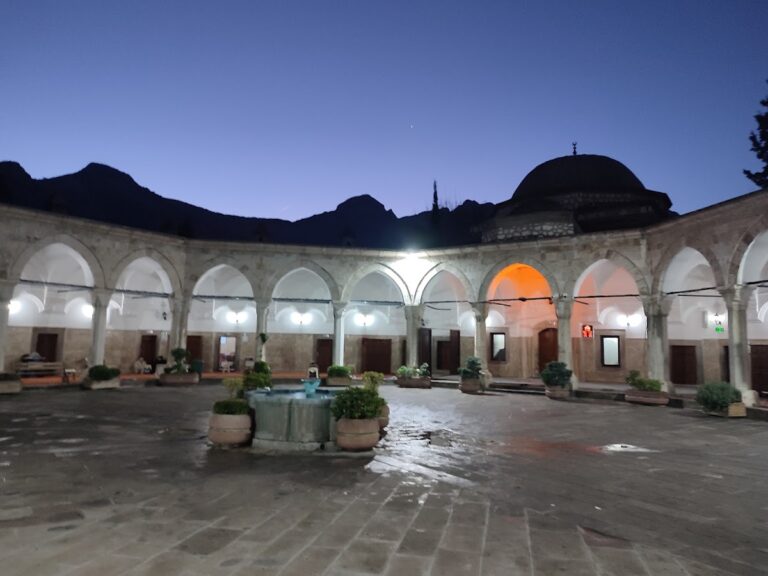
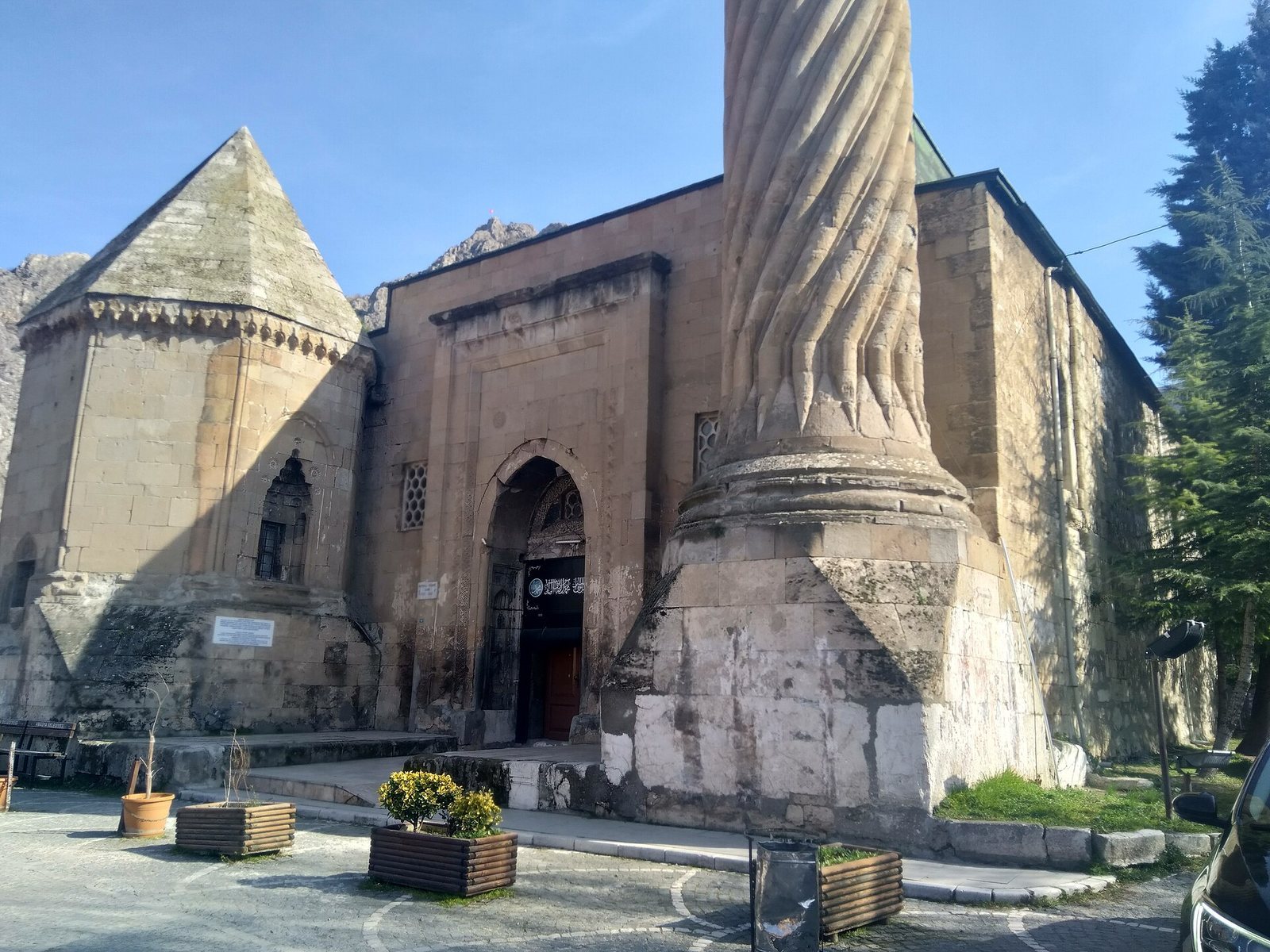
The mosque has a regular rectangular plan, enclosed by thick sandstone walls and shaped around the developed domed-mosque form of Seljuk architecture. At the entrance, the adjoining tomb and minaret interrupt the building’s otherwise regular outline.
The mosque
Entrance and minaret
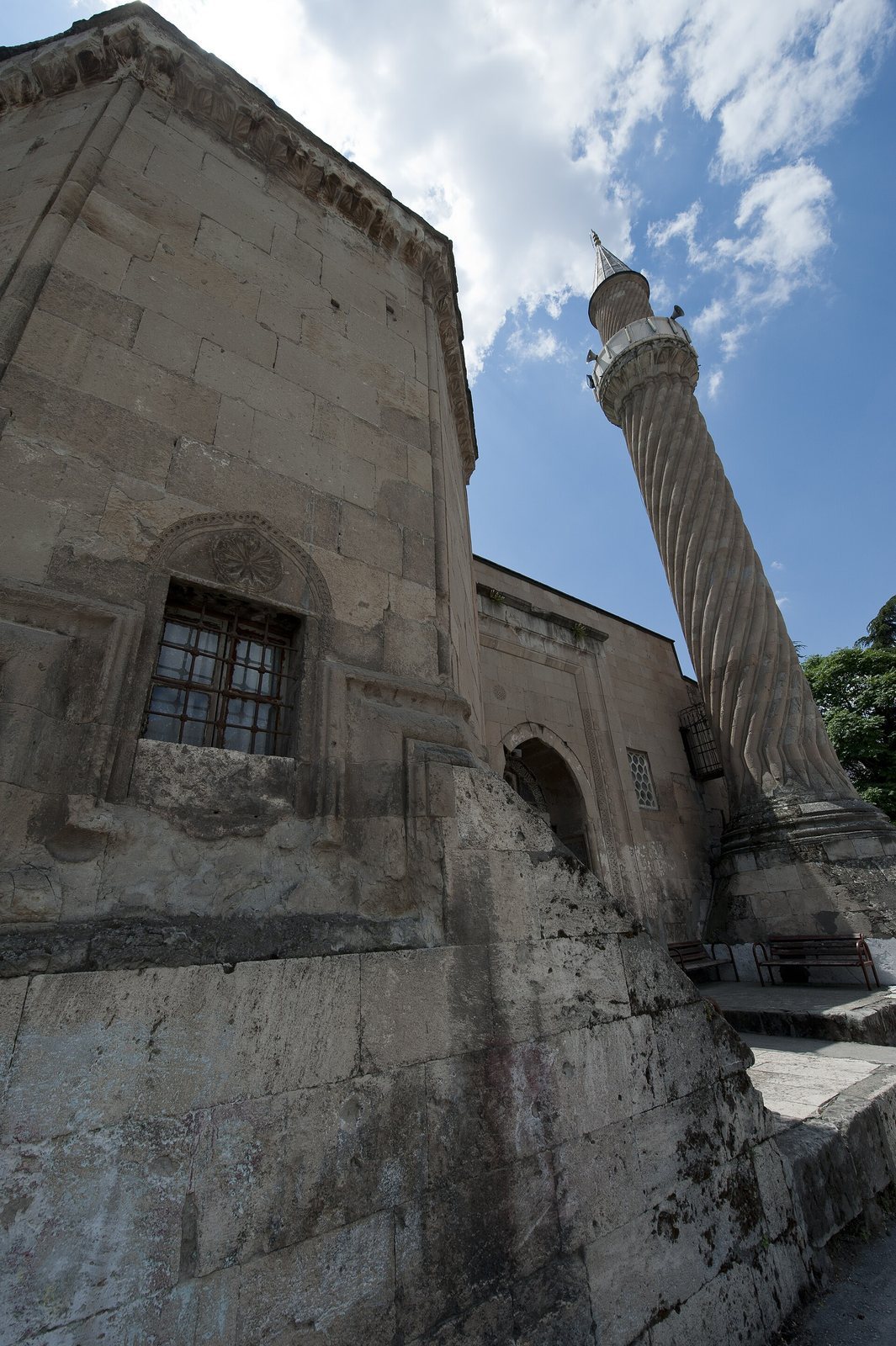
The arched doorway lies in a broad, projecting recess between the tomb and minaret. Geometric patterns and muqarnas, a tiered, niche-like form of ornament, decorate the facade. The Ottoman-period minaret has spiral grooves, the feature that gives the mosque its name.
Prayer hall
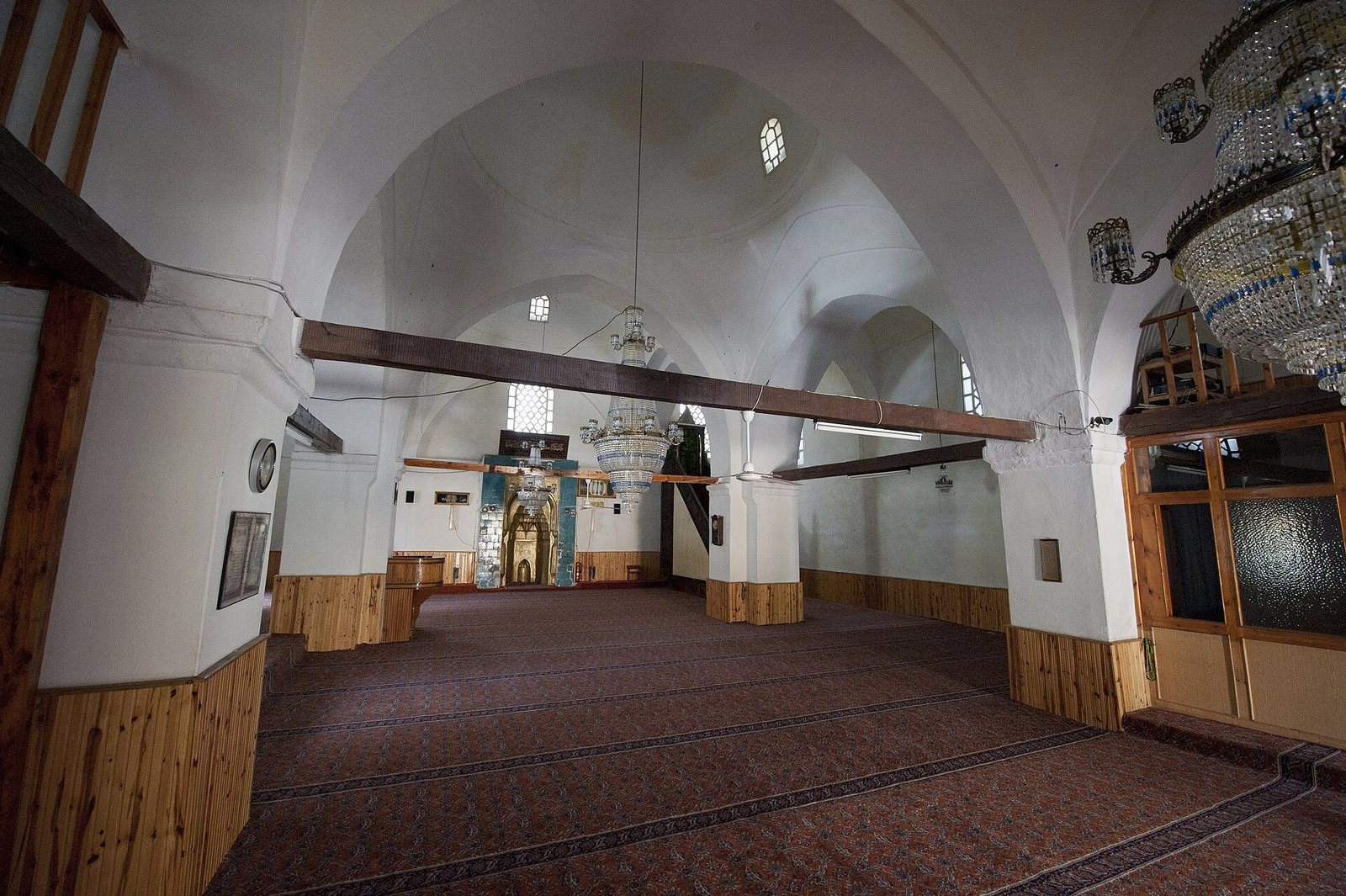
Four windows on each of the east and west sides, and three on the south side, light the interior. Three aisles are formed by three columns on either side of the mihrab (a niche marking the direction of prayer). The nine roofed compartments include three domed spaces in the middle row. Those nearest the qibla (the direction Muslims face in prayer) are sloped, while the remaining spaces have barrel vaults (continuous arched ceilings).
Adjoining tomb
The tomb adjoins the left corner of the entrance facade. Built of cut stone, it has a square base and an octagonal upper level, with two rows of sawtooth bands beneath a pyramidal roof. The upper level served as a library until recent times. Mummies were kept in the lower level and are now in Amasya Museum.