Büyük Ağa Medresesi: An Ottoman Islamic Madrasa in Amasya


Site at a Glance
- Rating
- 4.6
- Popularity
- Low
- Country
- Turkey
- Primary era
- Medieval
- External website
- Open
- Eras represented
- Medieval
- Civilizations
- Ottoman
- Site type
- Religious
- Remains
- Madrasa
On this page6 sections
History
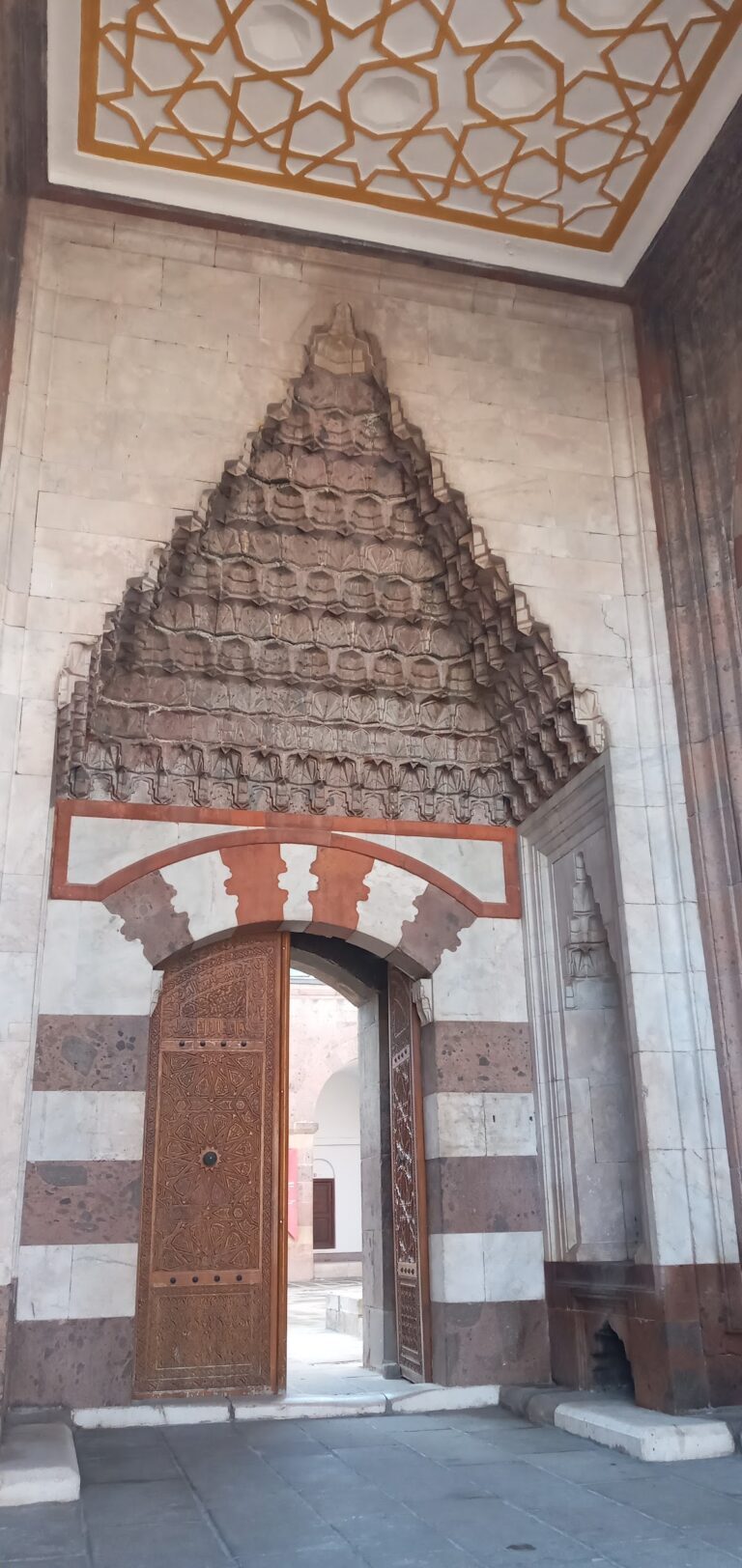
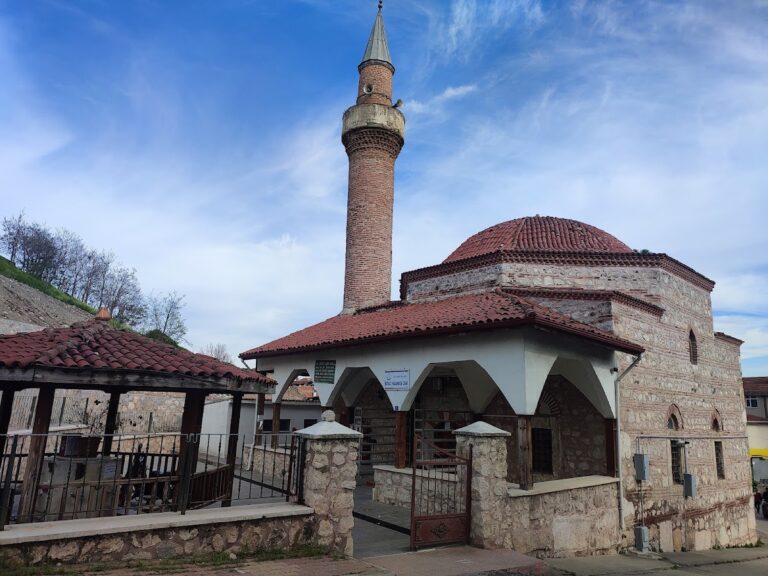
Büyük Ağa Medresesi, also known as Kapı Ağa Medresesi, is a fifteenth-century Islamic madrasa, an institution for religious and scholarly education, in Amasya, Türkiye. Built in 1488 in the Ottoman architectural tradition, it was commissioned by Hüseyin Ağa, the Kapı Ağası, or chief eunuch of the imperial harem, during the reign of Sultan Bayezid II, who ruled from 1481 to 1512.
The madrasa was affiliated with Islam and served as a place of teaching within the Ottoman world. Its largest domed room originally functioned as the main lecture hall. That room continues to have an educational role, now serving the training of local young people in memorizing the Quran.
Remains
The surviving madrasa is organized around an octagonal courtyard enclosed by columned arcades. Student rooms form the surrounding architectural group, while the largest domed room occupies a distinct place within the plan. The building’s octagonal arrangement is distinctive and is said to have been used for the first time in this building.
Courtyard and Student Rooms
Octagonal Courtyard
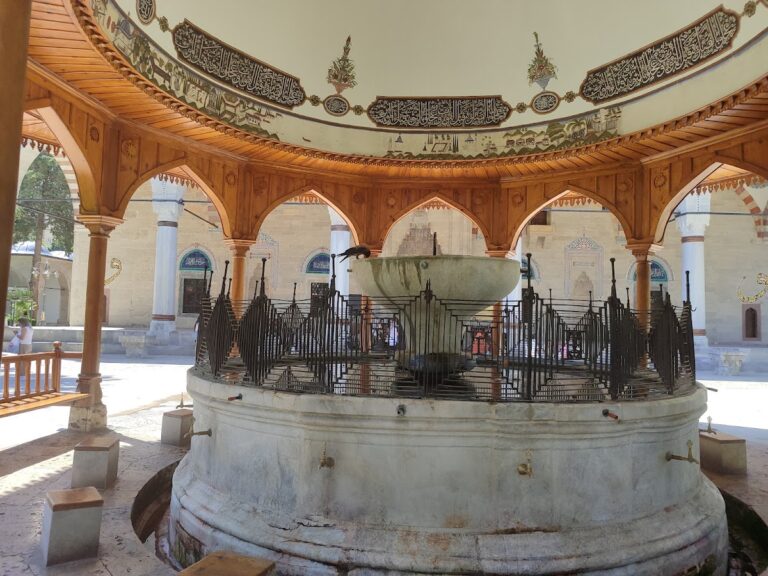
The central courtyard has an octagonal plan and is surrounded by arcades carried on columns. This geometry governs the arrangement of the madrasa and provides the organizing space for the rooms around it.
Student Rooms
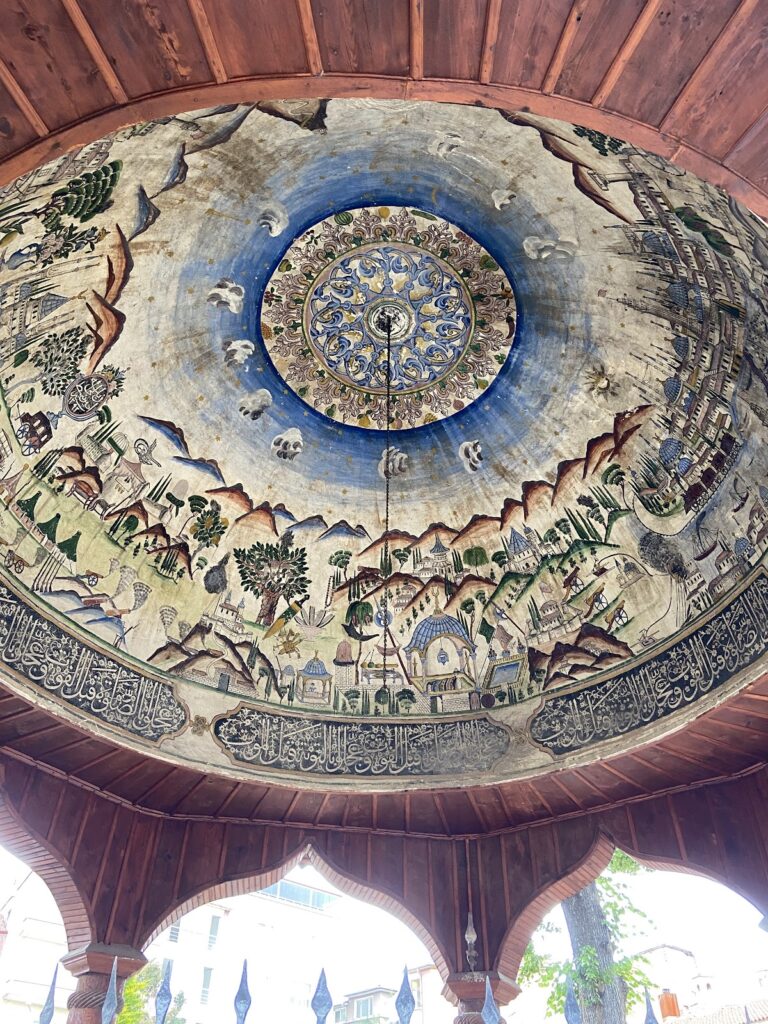
Each student room is positioned around the courtyard and covered by a small dome. Together, the rooms create the characteristic ring of spaces that defines the building’s plan.
Lecture Hall
The largest room is covered by a dome and originally served as the madrasa’s main lecture hall. Its scale distinguishes it from the smaller domed student rooms and reflects its central teaching function.