Bayezid II Mosque: A Fifteenth-Century Ottoman Mosque in Amasya


Site at a Glance
- Rating
- 4.9
- Popularity
- Low
- Country
- Turkey
- Primary era
- Medieval
- Eras represented
- Medieval
- Civilizations
- Ottoman
- Site type
- Religious
- Remains
- Mosque
On this page5 sections
History
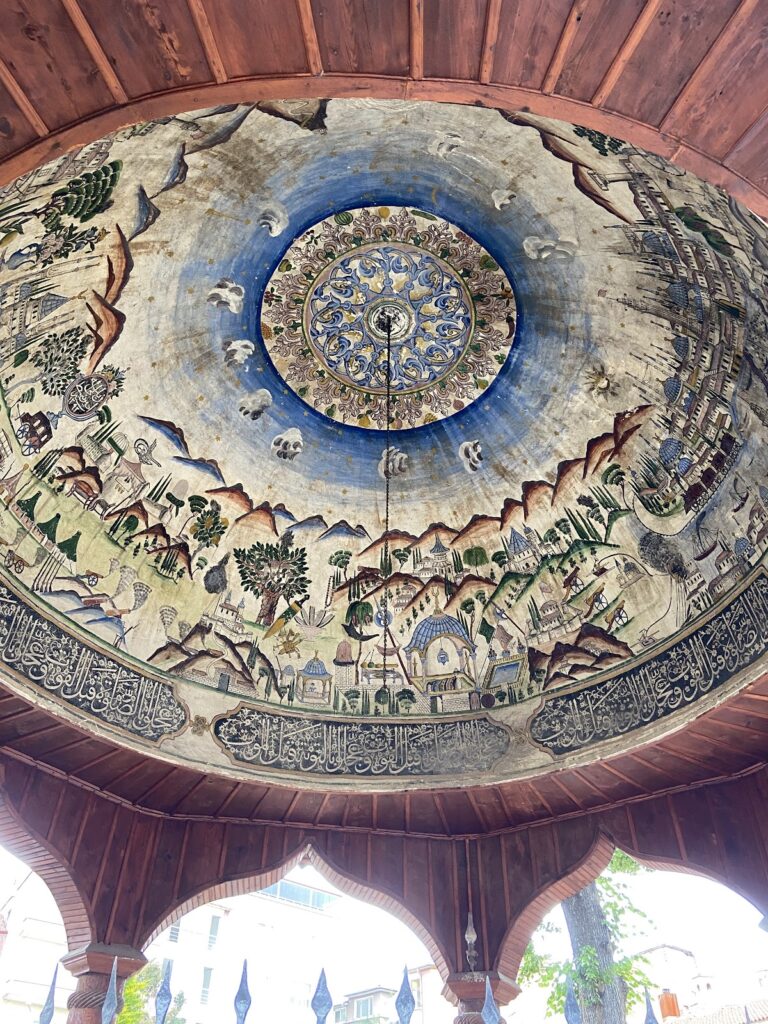
Bayezid II Mosque is a fifteenth-century Ottoman mosque in Amasya, Türkiye, completed in 1486 on the order of Sultan Bayezid II, who ruled the Ottoman Empire from 1481 to 1512. It forms the religious center of the largest külliye in Amasya, an Ottoman complex combining a mosque with educational, charitable, and social institutions. The building remains in use as a mosque and is affiliated with Islam.
The wider complex was planned to support several aspects of communal life. Alongside worship, it included a madrasa, an Islamic educational institution, a fountain, an imaret, or public charity kitchen, and a library. These associated facilities placed the mosque within an integrated religious and charitable setting rather than as an isolated building.
Remains
Architectural Layout
Prayer Hall and Portico
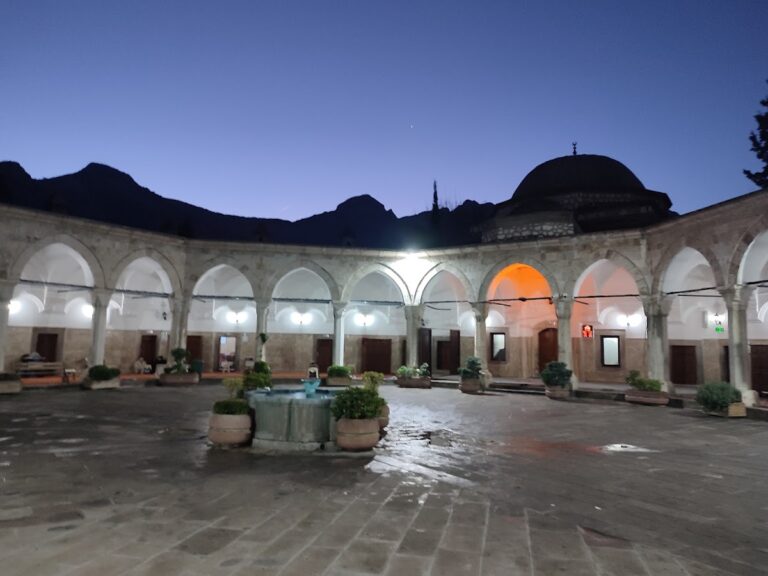
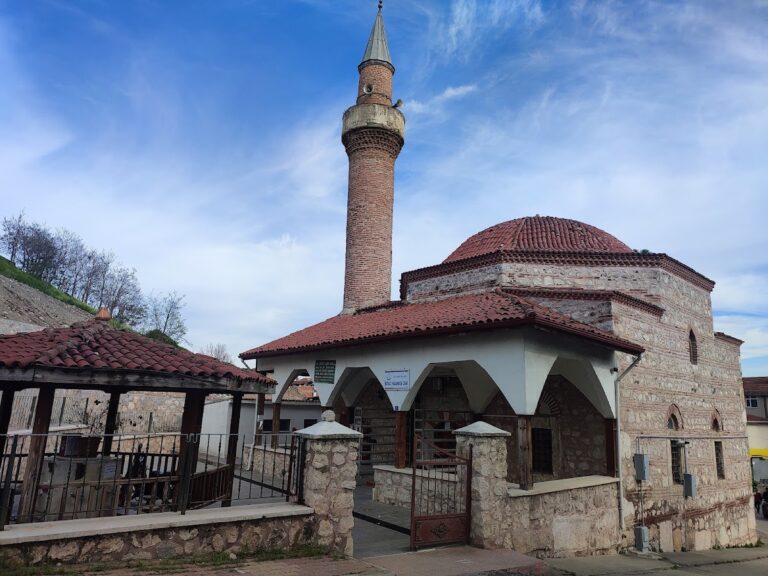
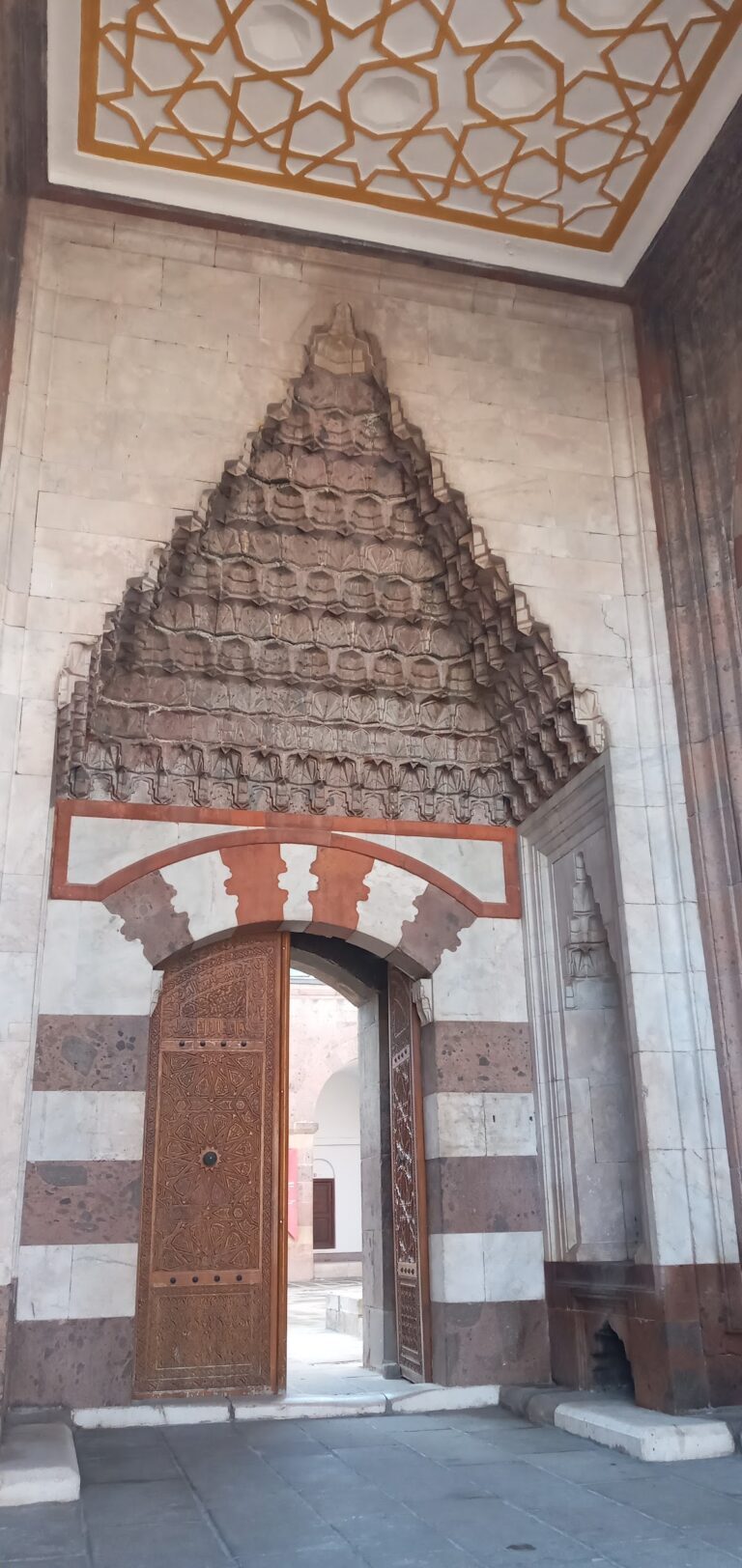
The mosque follows the inverse-T plan associated with Bursa-type Ottoman mosques. In this arrangement, the central prayer space and adjoining vaulted or domed areas create a T-shaped layout, with the main axis meeting a transverse section. The prayer hall is covered by two domes, while the entrance portico has five domes. Two minarets and one balcony complete the mosque’s principal architectural features.
Külliye Institutions
The surrounding külliye includes the madrasa, fountain, public charity kitchen, and library. Together, these buildings and facilities express the complex’s combined religious, educational, and charitable functions.