Bastion Parlascio: A Defensive Fortification in Pisa
Site at a Glance
- Country
- Italy
- Primary era
- Early Modern
- Eras represented
- Medieval, Early Modern
- Civilizations
- Republic of Florence, Republic of Pisa
- Site type
- Military
- Remains
- Fort
On this page5 sections
History
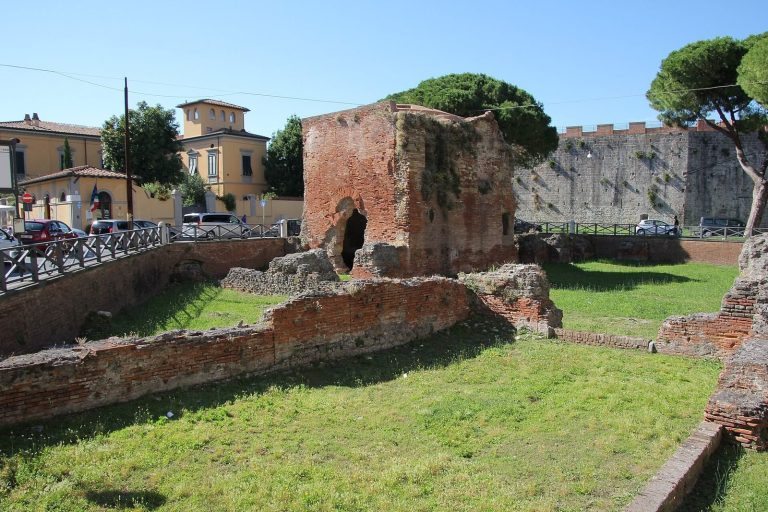
Bastion Parlascio, a projecting fortification that strengthens a defensive perimeter, stands in Pisa, Italy. Architect Nanni Unghero built it in 1543 in the modern style of fortification. It was among Italy’s earliest examples of this approach to defensive construction.
Early defenses of the gate
The fortification of Porta del Parlascio, one of Pisa’s most important gates, began with a gate tower built in 1320 by Jacopo di Ridolfo. During Florence’s first period of political control over Pisa, a counter-gate, or secondary gate reinforcing a fortified entrance, was added in the first half of the fifteenth century. The work is attributed to Filippo Brunelleschi, a Florentine architect and engineer of the early Renaissance.
The bastion and changing military role
Unghero’s bastion formed a later stage in the defenses. A subsequent expansion led to the permanent closure of Porta del Parlascio, and Porta a Lucca was opened nearby.
In 1781, as Pisa’s defensive needs declined after the city became part of the Grand Duchy of Tuscany, an early modern state in central Italy, the House of Lorraine began selling military properties to private owners. By the late eighteenth century, the bastion had been converted into an icehouse, a use that continued until 1900.
Wartime use and restoration
The bastion served as an air-raid shelter during the Second World War. After the war, its spaces were divided among three properties and sold to private owners. A workshop occupied an opening on the inner side of the walls, while a bar operated at the corner of Via Contessa Matilde and Largo del Parlascio until 2021.
The Municipality of Pisa bought the bastion in May 2013. Interior restoration began in late 2021 and was completed on 12 July 2024.
Remains
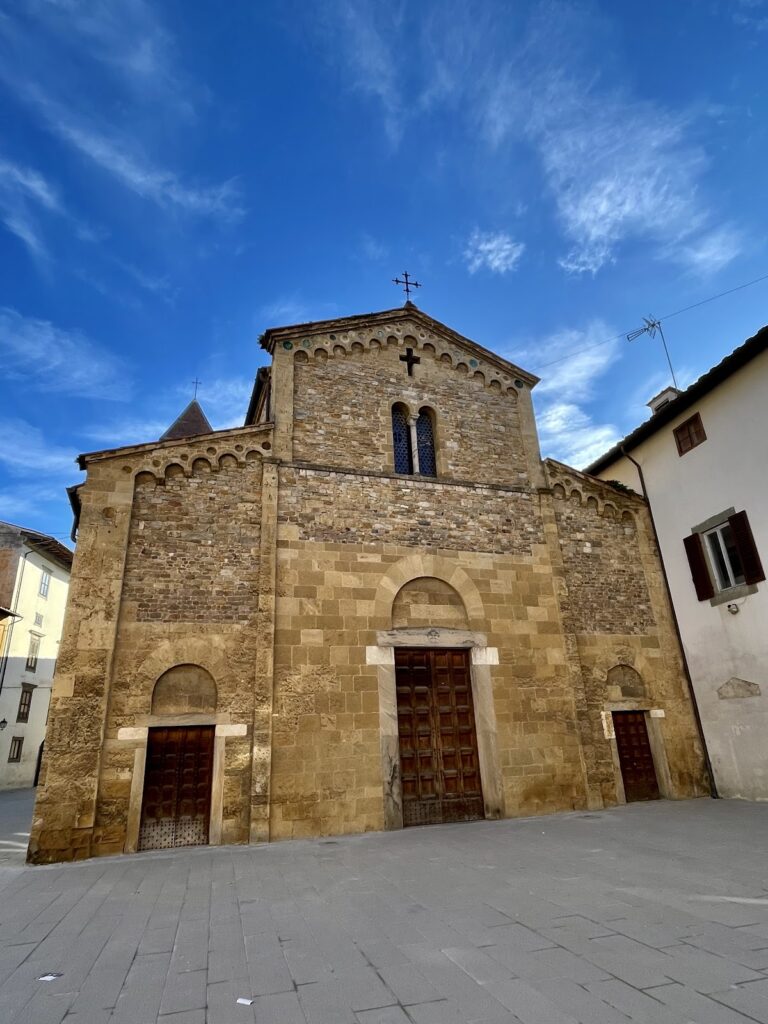
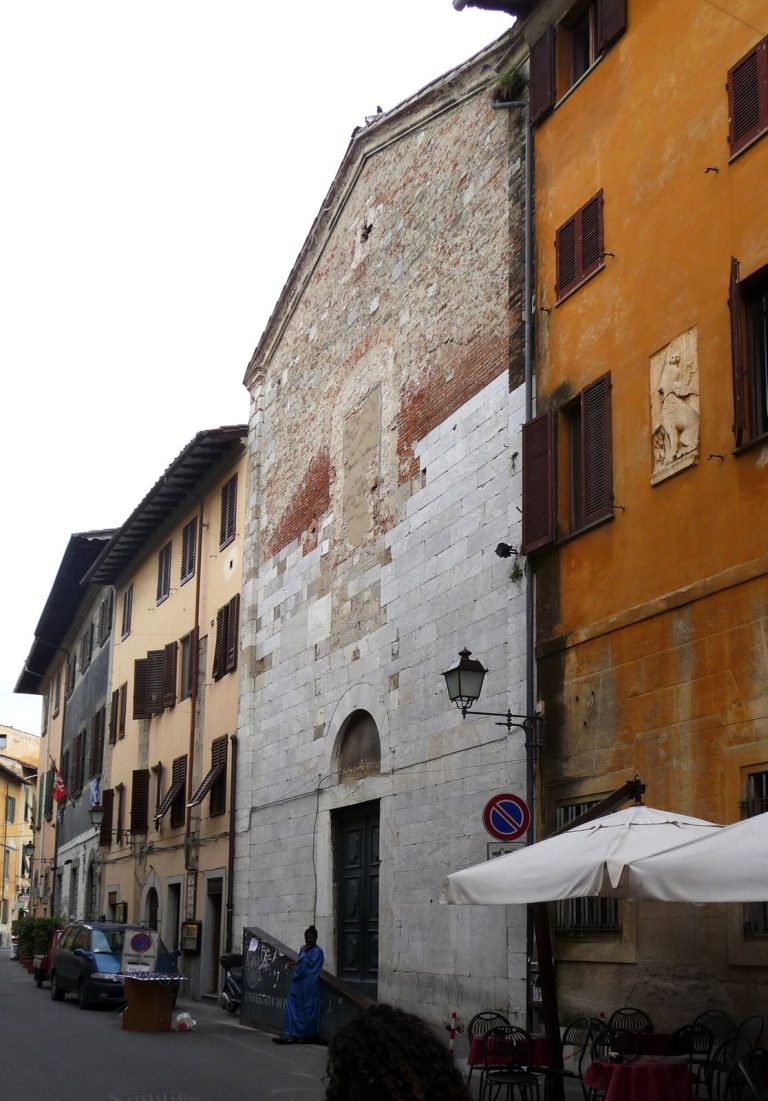
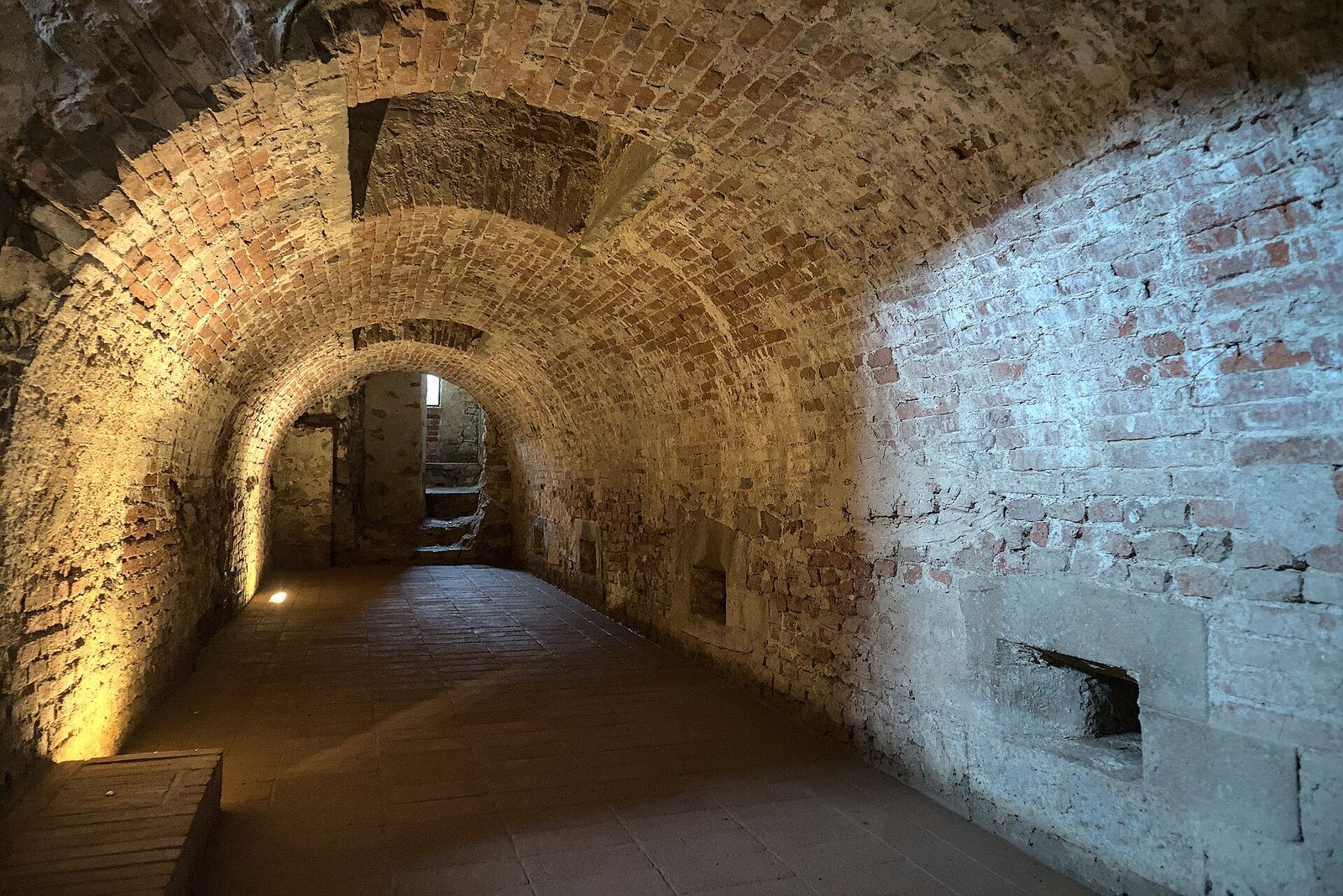
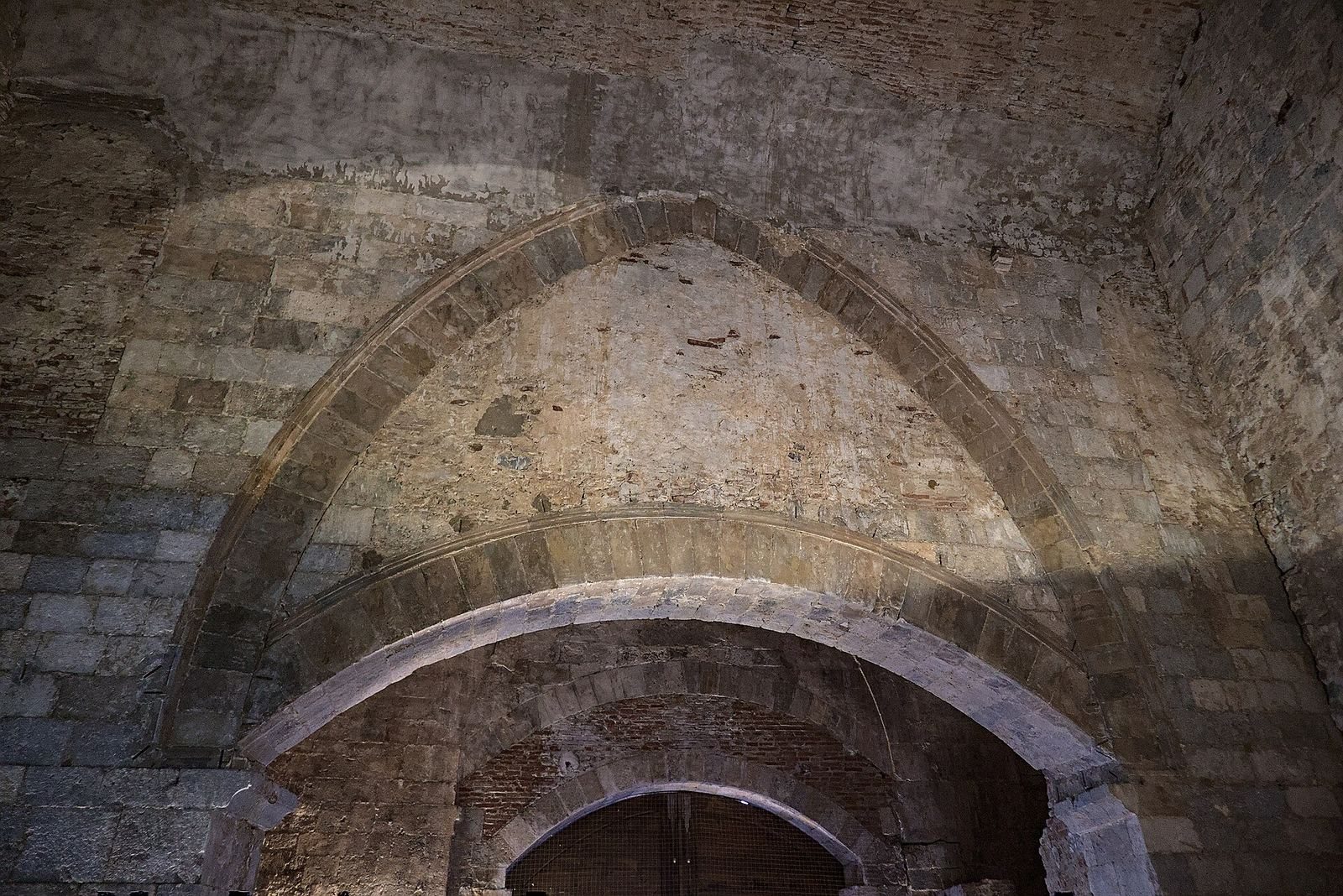
The bastion stands outside Pisa’s city walls, beside present-day Porta a Lucca. Its inner entrance is Porta del Parlascio, linking the surviving fortification with the earlier gate. The visible structure preserves an interior where different construction phases remain legible.
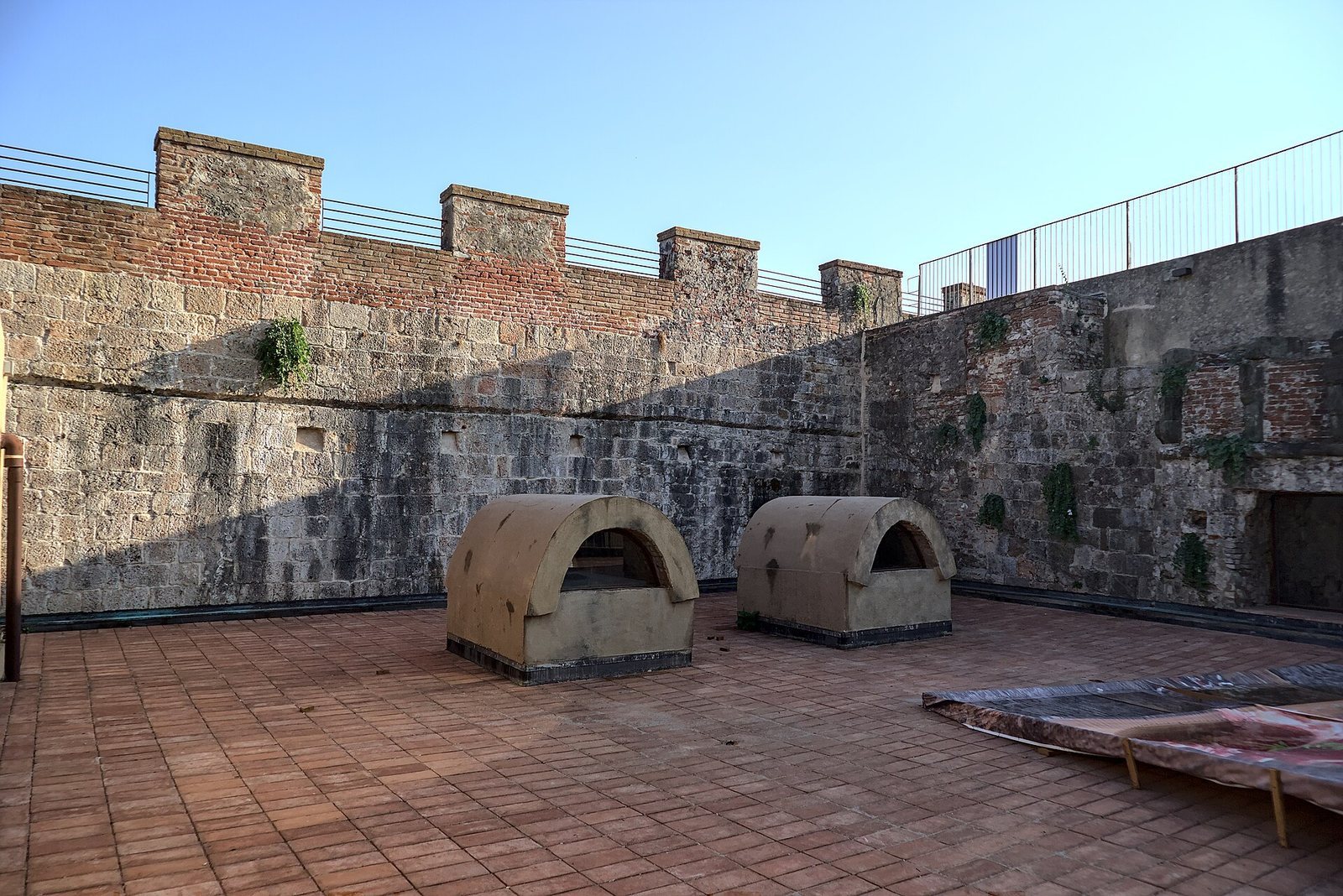
The restored interior contains a virtual museum and provides access to the wall walk, a walkway along the defensive walls.