Barco Borghese: A Roman Archaeological Complex in Italy
Site at a Glance
- Popularity
- Low
- Country
- Italy
- Primary era
- Classical
- Eras represented
- Classical
- Civilizations
- Roman
- Site type
- Domestic
- Remains
- Villa
On this page8 sections
History
Roman foundations and imperial estate
Barco Borghese is a Roman-period archaeological complex at Monte Porzio Catone, Italy, near Rome. Its large foundations date to around the middle of the first century BC and are traditionally attributed to a Roman villa, a country residence or estate. The site later became part of an imperial estate, land held as the Roman emperor’s property.
Hunting grounds and garden
In 1567, the Altemps family began turning the area into a hunting enclosure. The grounds were expanded and used as a hunting estate in the seventeenth century; a reserve of about two hectares lay within the surface grounds. The Borghese family later reshaped the area as an Italian-style garden, a formal design organized around geometric layouts and planned views. It formed part of the Villa Mondragone and Burghesianum complex.
Reuse and recovery
After a long period of abandonment, the complex was recovered. Restoration and study continue, and the work has brought underground spaces and archaeological remains into view.
Remains
Roman platform and underground complex
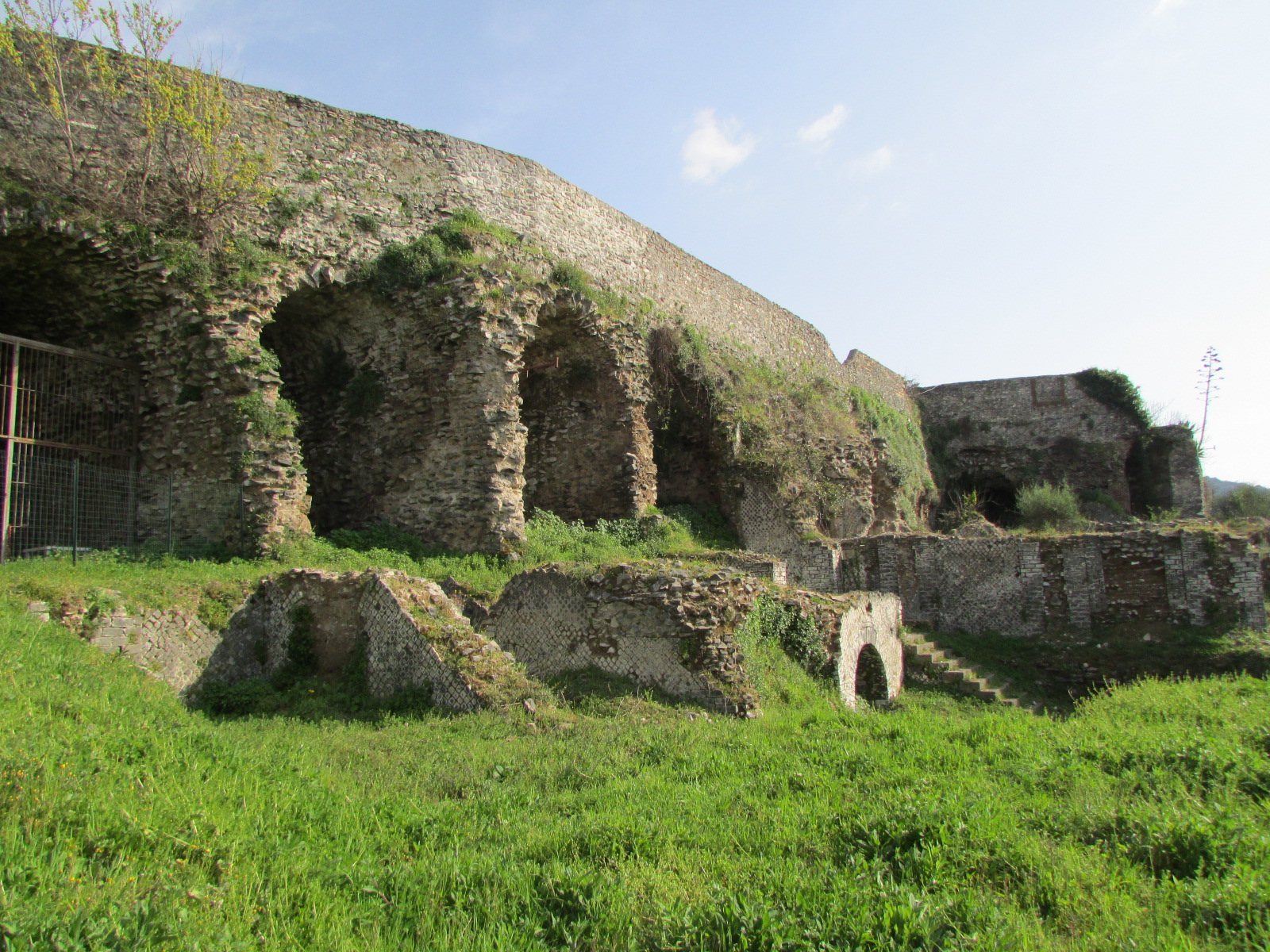
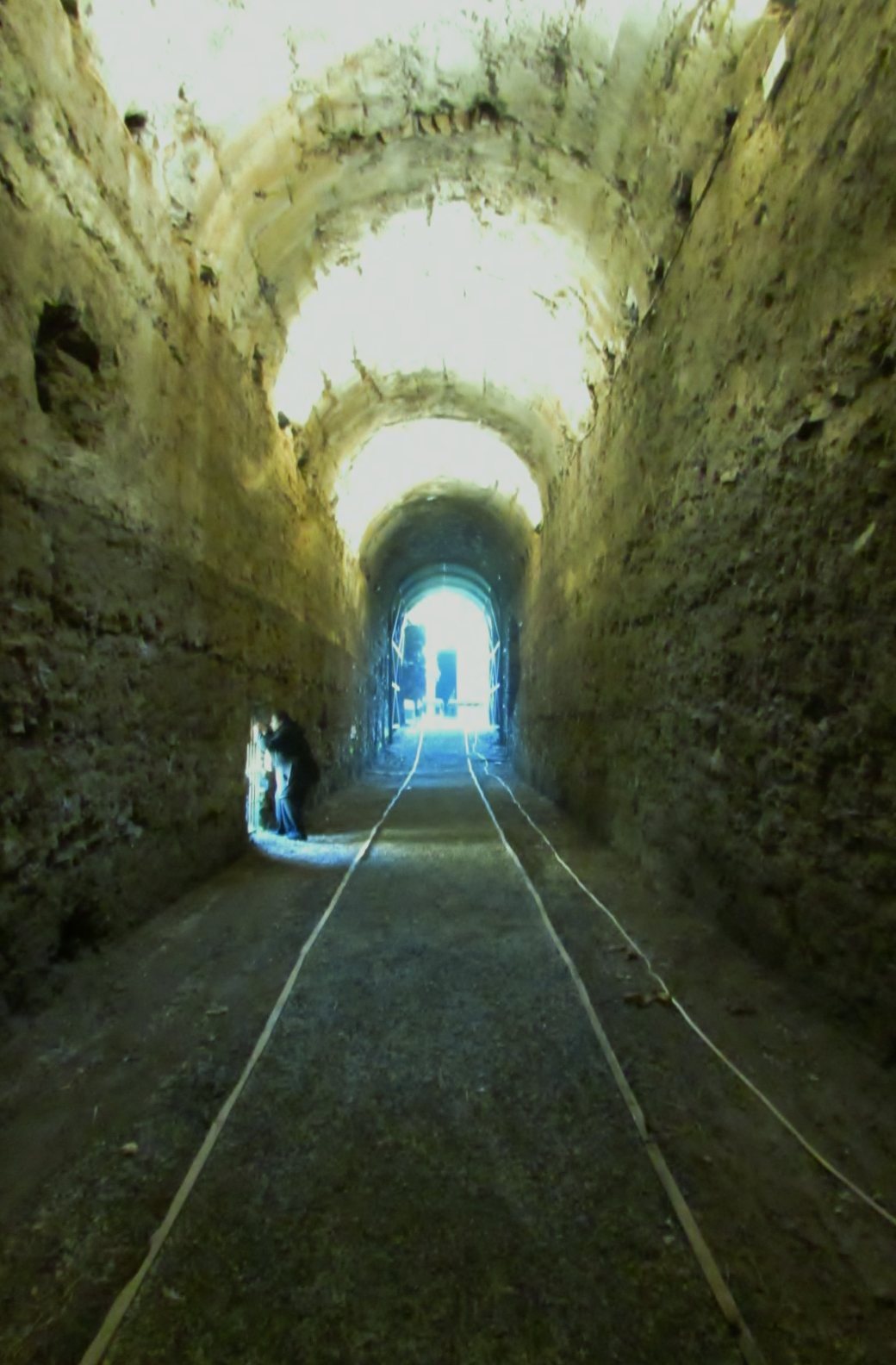
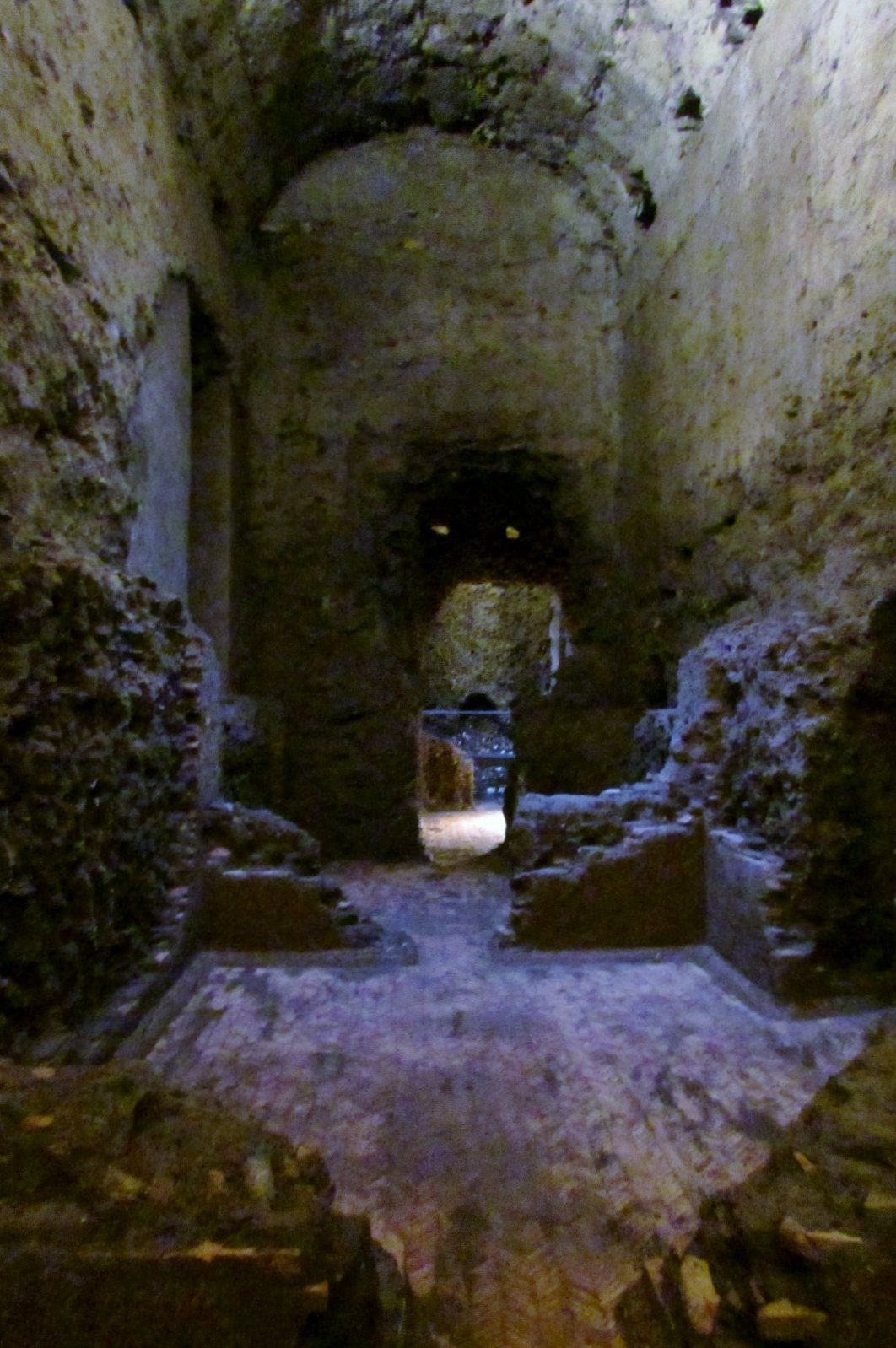
The site covers about 54,000 square metres, with a broad, quadrangular esplanade overlooking Rome. Much of the complex lies below ground, beneath a platform whose construction includes at least 180 vaulted concrete chambers. A central underground corridor connects with a group of spaces that includes cisterns, a warehouse and other rooms.
Esplanade and frontage
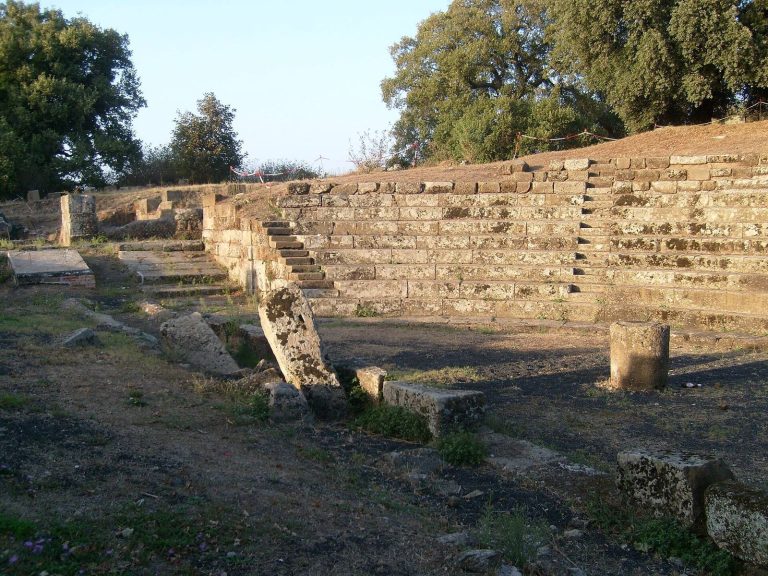
The Roman platform has a monumental, articulated frontage. One side of it served as a backdrop for open-air performances. These features form part of the complex’s broad surface layout.
Underground rooms and inscriptions
The vaulted chambers and other underground spaces include openings made by mushroom gatherers, who reused the rooms until the 1970s. The complex also contains inscriptions on durable surfaces. Restoration has made these subterranean spaces and other archaeological remains visible.