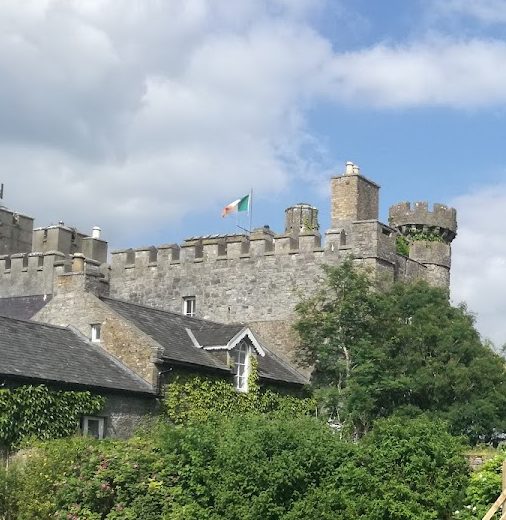
Cullahill Castle: MacGillapatrick Tower House in Ireland


Site at a Glance
- Rating
- 4.5
- Popularity
- Very Low
- Country
- Ireland
- Primary era
- Medieval
- Eras represented
- Medieval
- Civilizations
- Irish
- Site type
- Military
- Remains
- Castle
On this page6 sections
History
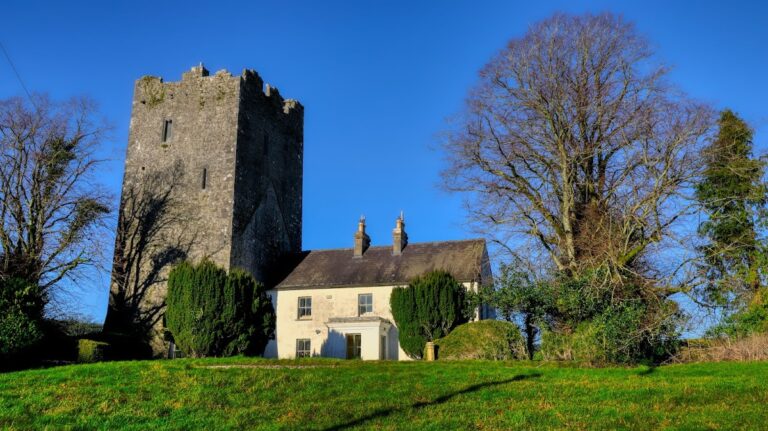
Cullahill Castle, also known as Cullohill Castle, is a five-storey tower house in Ireland, built around 1425 by the MacGillapatricks, an Irish noble lineage. It stood as the principal stronghold of the MacGillapatricks of Upper Ossory, a historic lordship associated with their dynasty in the region now corresponding mainly to County Laois and nearby parts of Ireland.
The MacGillapatrick Stronghold
The castle was probably built by Finghin MacGillapatrick. As a tower house, it combined a fortified residence with vertically arranged domestic and defensive spaces. Its name derives from an ancient forest that covered Cullahill Mountain and extended down towards Cullahill village.
Attacks and Destruction
Cullahill Castle was attacked several times by the “sovereign and citizens of Kilkenny,” who reportedly acted in return for rewards from the English crown. Attacks are recorded in 1441 and 1517, with the latter taking place during the reign of Henry VIII.
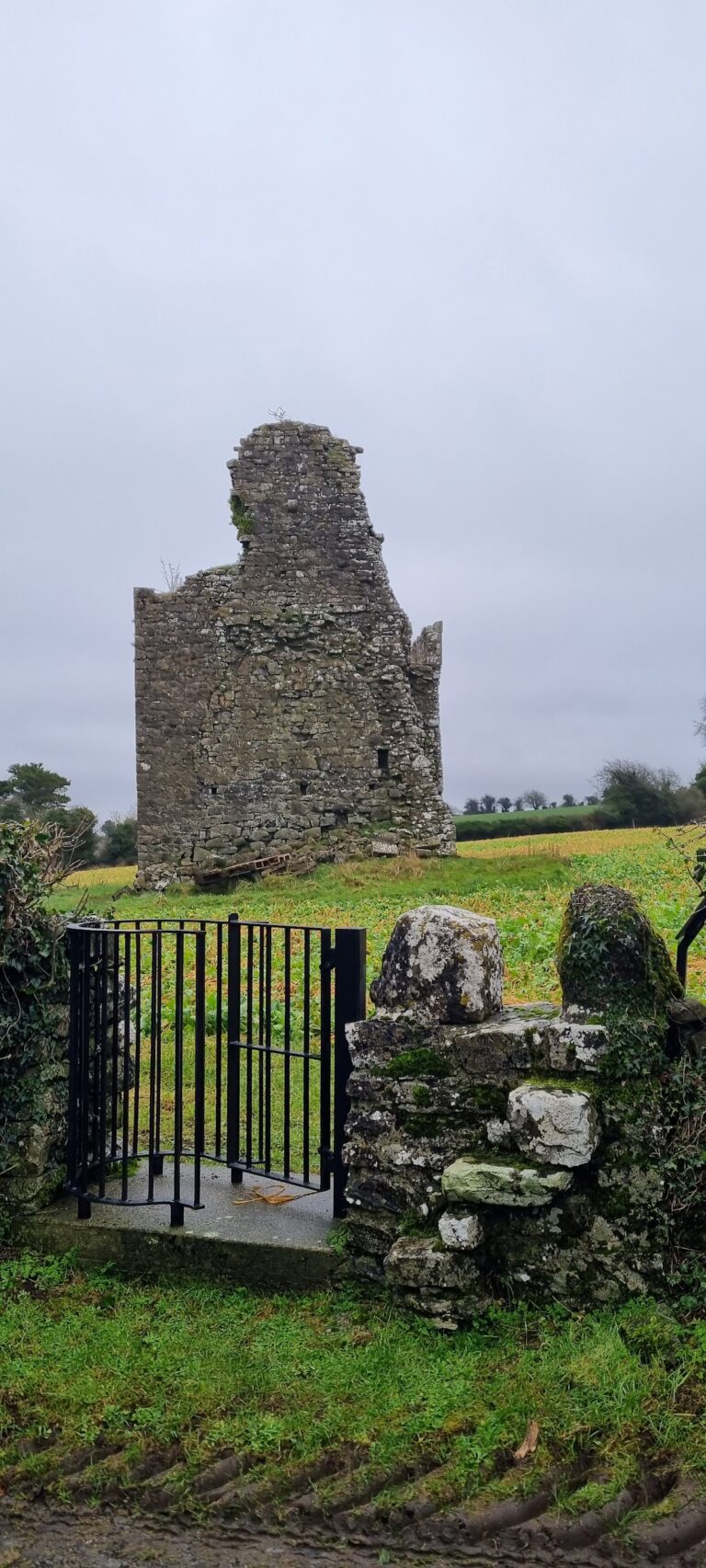
Around 1650, forces commanded by Oliver Cromwell, an English Parliamentarian military and political leader, attacked the castle. The assault probably involved cannon placed on a nearby hill and partially destroyed the stronghold. By 1657, Cullahill Castle was described as ruinous and uninhabited.
Remains
The Tower House
Cullahill Castle stands on a hill beside Cullahill village, approximately 100 metres from the road. Built from rubble stone, the tower rises through five storeys. The ground floor has a vaulted ceiling, while the external walls contain mural passages and chambers. A straight mural staircase runs upwards through the building to the higher floors.
The upper storeys retain the remains of mullioned windows. A Sheela-na-Gig, a carved figure with a grotesque face and exaggerated genitalia, is mounted on the outer wall behind the chimney. Such sculptures were placed on Irish castles as protective imagery against evil forces.
The Chapel
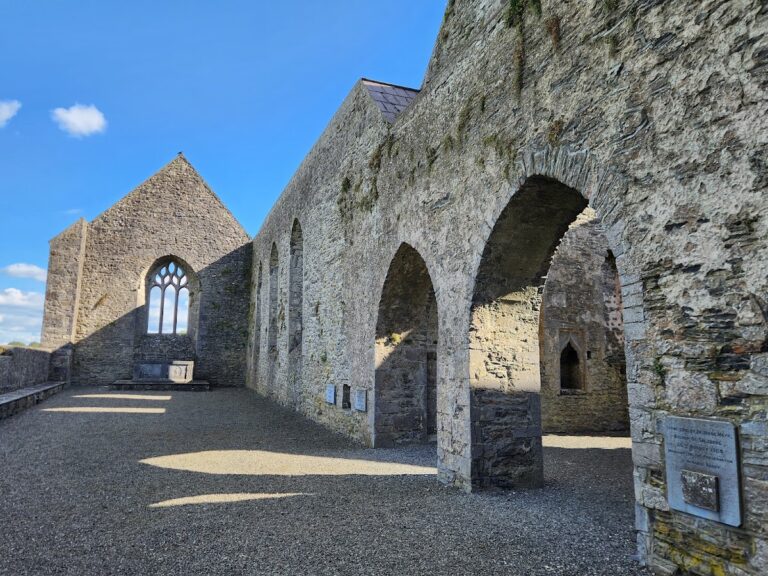
Across the road are the ruins of the castle chapel. It served as the private chapel of the Catholic lords of Upper Ossory, linking the fortified residence with the religious life of the MacGillapatrick lordship.
Nearby sites