Bagh-e Qushkhaneh Minaret: An Ilkhanid Mosque Tower in Isfahan
Site at a Glance
- Rating
- 4.1
- Popularity
- Low
- Country
- Iran
- Primary era
- Medieval
- Eras represented
- Medieval
- Civilizations
- Ilkhanate
- Site type
- Religious
- Remains
- Minaret
On this page8 sections
History
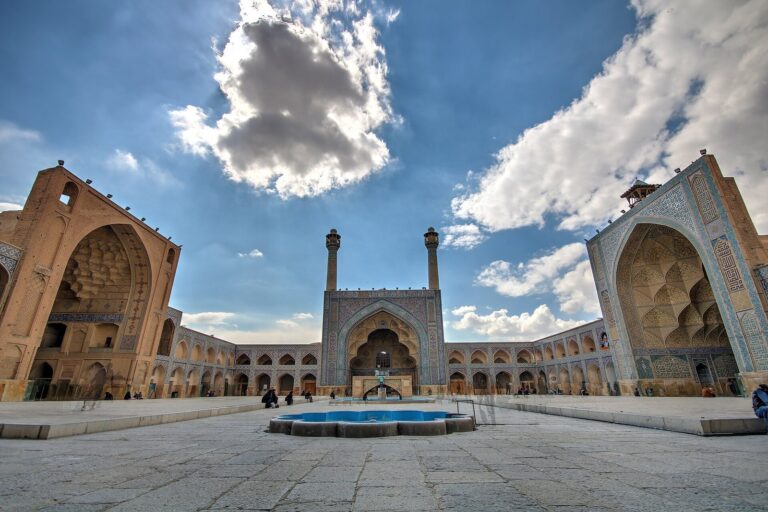
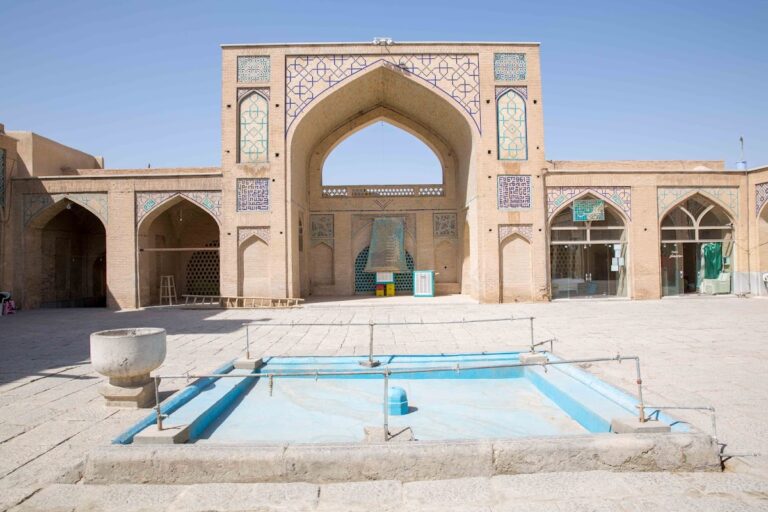
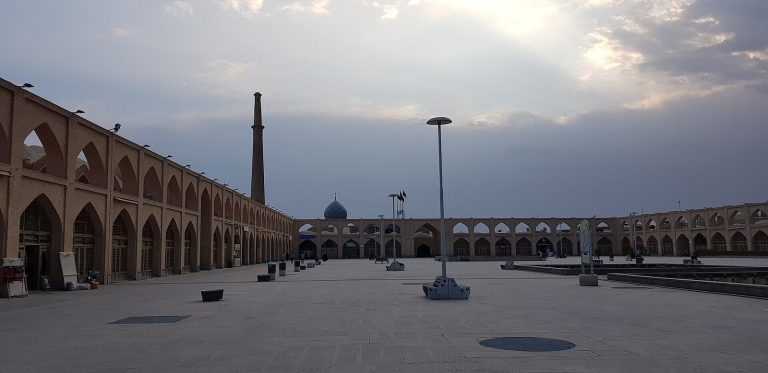
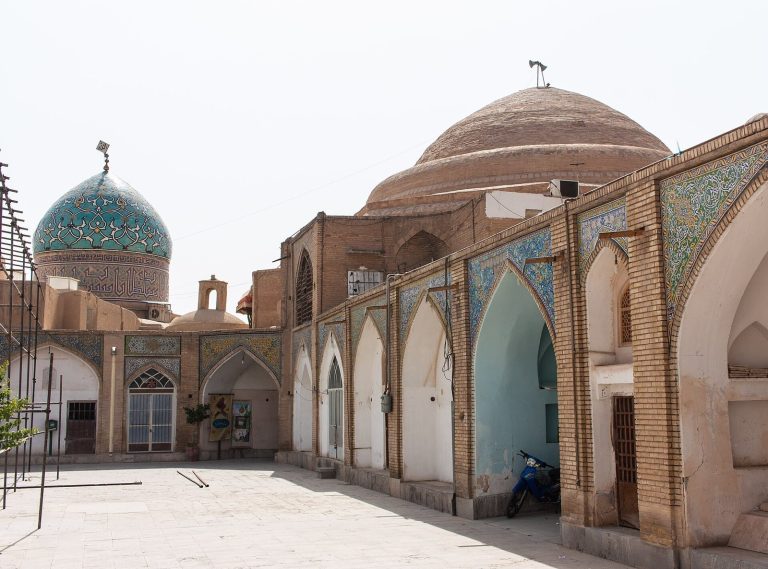
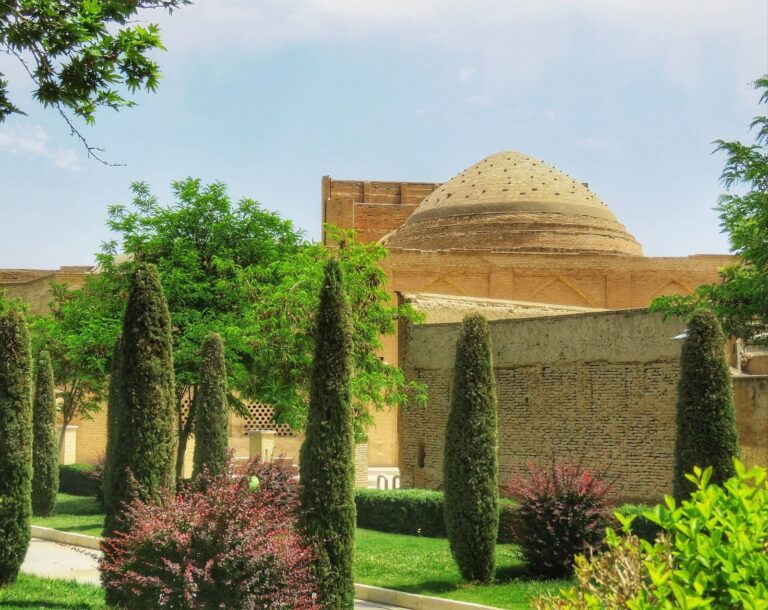
The Bagh-e Qushkhaneh Minaret stands northwest of the Juybareh quarter in Isfahan, Iran, and is dated by its architectural style and ornament to the fourteenth-century Ilkhanid period. The Ilkhanids were a Mongol dynasty that ruled Iran in the medieval era. The tower is classified in the Azari style, an Iranian architectural tradition associated with the medieval period. It was one of a pair of minarets flanking a mosque.
The mosque and its setting
The mosque was known by several names, including Baba Sookhteh, Musalla, the Mosque of Omar, and the Mosque of Sultan Abu Sa’id Bahadur Khan. Musalla means a place for prayer, while Abu Sa’id Bahadur Khan was an Ilkhanid ruler. The minaret is also called the Qushkhaneh, Toqchi, and Ali ibn Sahl minaret, names tied to nearby landmarks.
Bagh-e Qushkhaneh, the royal garden beside the tower, was associated with Shah Abbas I, a ruler of Iran’s Safavid dynasty, which governed from 1501 to 1736. Royal hunting birds were kept in the garden. The Toqchi name refers to the nearby old gate, while Ali ibn Sahl refers to a nearby mausoleum for the Sufi mystic associated with Isfahan.
Descriptions and conservation
French architect and orientalist Eugène Flandin drew and described the mosque. He noted that its tiled exterior was already badly damaged, with brick exposed beneath the covering.
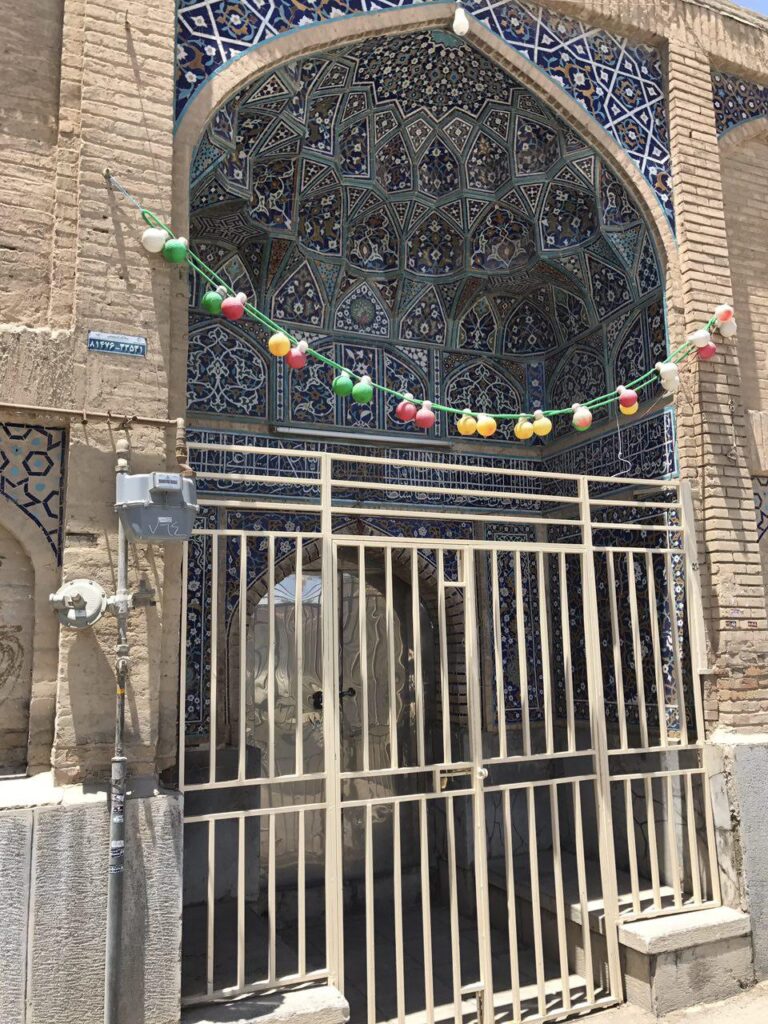
A later conservation campaign strengthened the tower and addressed its muqarnas, tiered, niche-like architectural forms, as well as its dome, windows, tiles, and staircase. The minaret entered Iran’s National Heritage List in 1938 under registration number 313.
Remains
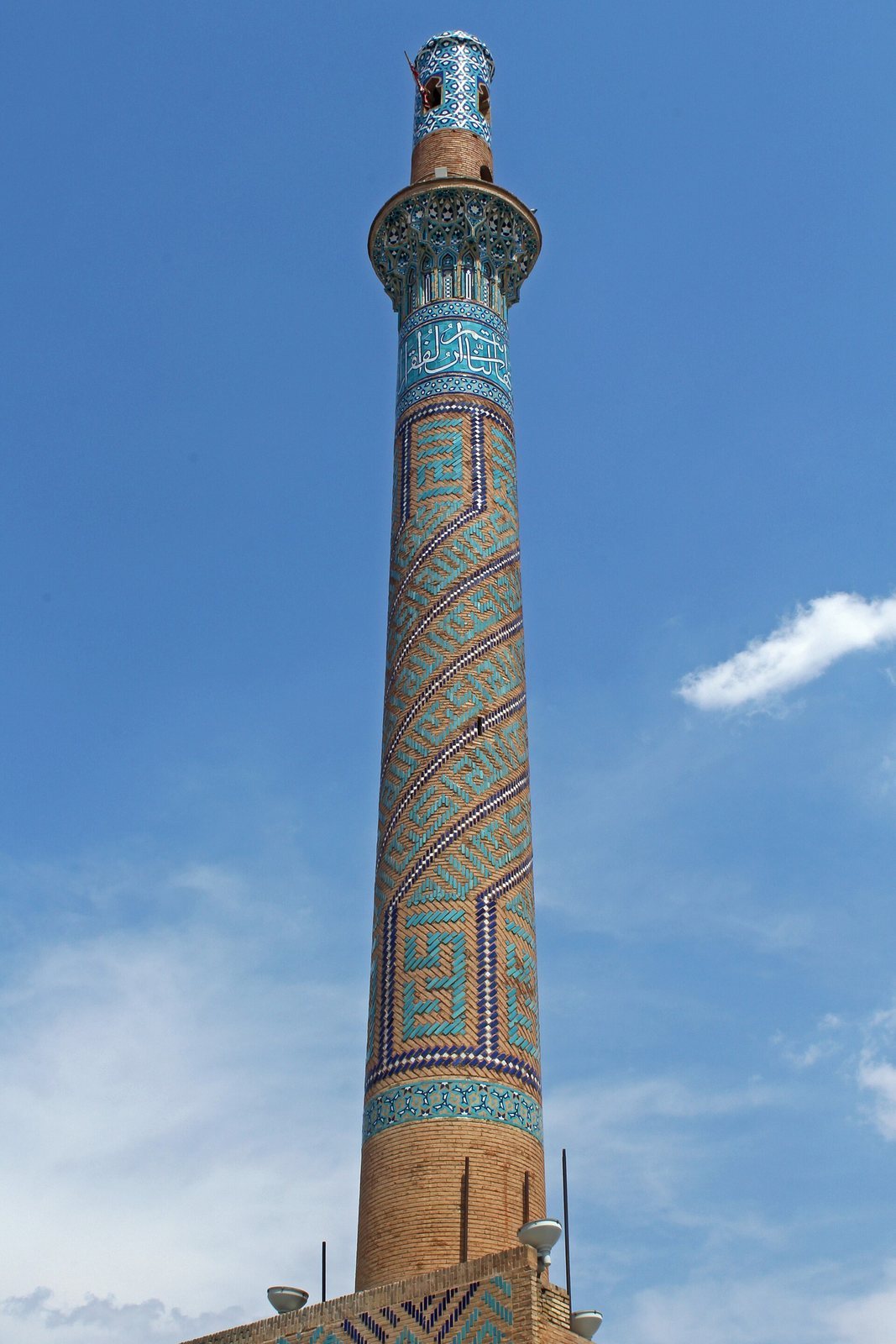
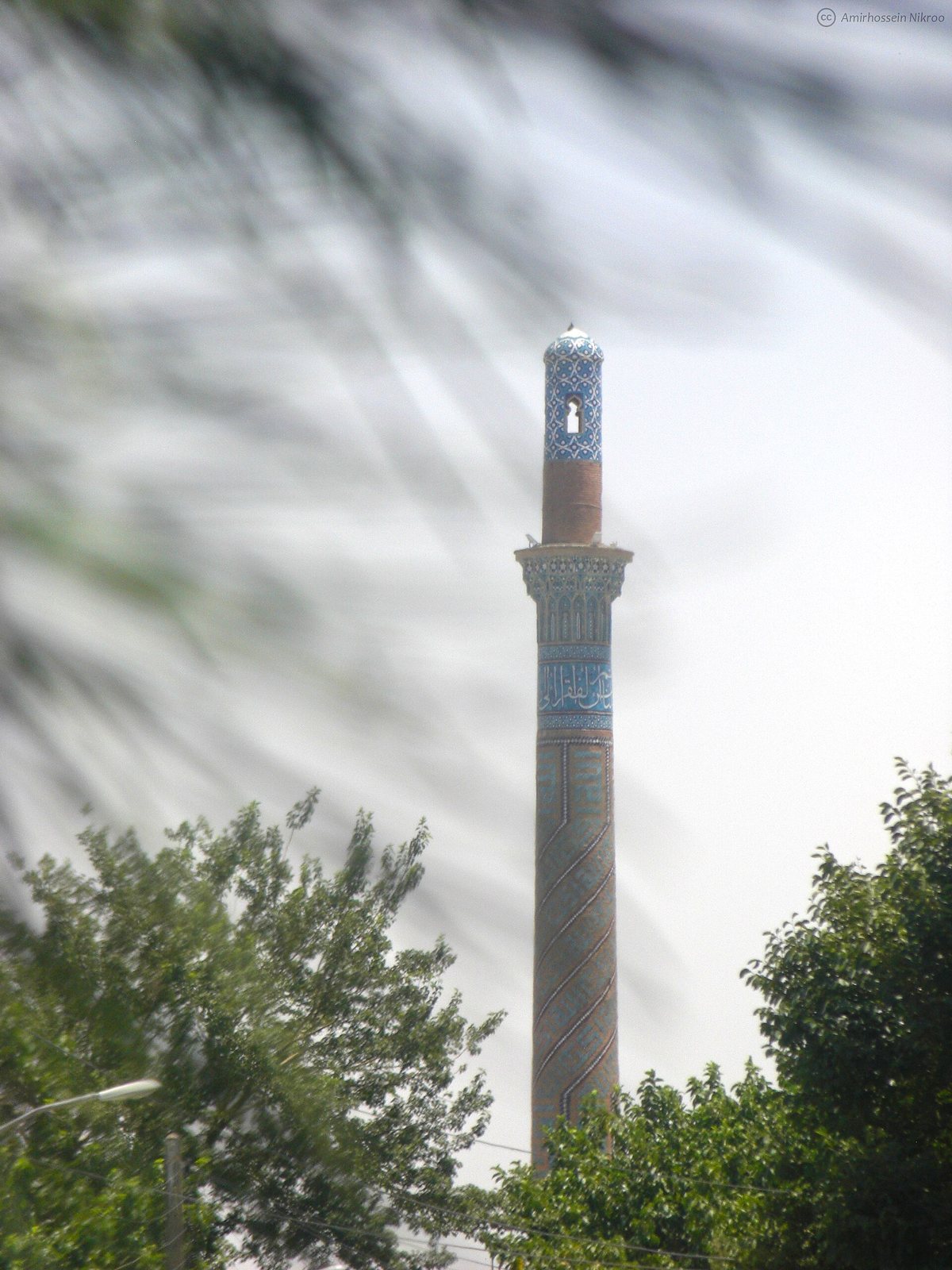
The surviving tower rises about 38 metres beside Bagh-e Qushkhaneh, near the old Toqchi gate and the Ali ibn Sahl mausoleum. It has a conventional staircase and a brick surface bearing tile decoration. The summit and parts of the tilework are damaged, with some sections collapsed.
Decoration and associated features
Calligraphy and inscriptions
Five spiralling repetitions of Allahu akbar, meaning “God is greatest,” decorate the tower in turquoise Kufic, an angular Arabic script. The lettering uses banna’i, a method combining glazed tile with brickwork, and is accompanied by arabesque patterns of interlaced plant forms and stylized floral designs known as khata’i. The tower’s ornamental and geometric designs are rare.
Traces of inscriptions remain on the shaft and base. A necklace-shaped inscription uses white Thuluth, a flowing Arabic calligraphic style, in mosaic against a brick ground decorated with floral and leaf forms. The inscription is severely damaged.
Glazed surfaces
Flandin described intertwined green-and-white spiral designs on the minaret’s glazed surface. His description also records tilework on the mosque’s dome and exterior, made with mina’i, a Persian enamel-painting technique. The dome’s decoration included large green and white stars on a lapis-blue ground, together with a circular band of white lettering on green between blue borders.
Stone lions from the Toqchi gate
Two stone lions from the old Toqchi gate now stand at the approaches to Khaju Bridge.