Maqsud Beyk Mosque: A Safavid Shia Mosque in Isfahan


Site at a Glance
- Rating
- 4.1
- Popularity
- Very Low
- Country
- Iran
- Primary era
- Early Modern
- External website
- Open
- Eras represented
- Early Modern
- Civilizations
- Safavid
- Site type
- Religious
- Remains
- Mosque
On this page8 sections
History
Maqsud Beyk Mosque is a historic Shia mosque in Iran, built under the Safavid dynasty in Isfahan between 1601 and 1602 in the Safavid and Isfahani architectural styles. The Safavids ruled Iran from the early sixteenth to the eighteenth century and established Twelver Shia Islam as the state religion. The mosque was founded on the orders of Maghsoudbeyk, a wealthy steward of Shah Abbas I, and officially opened in 1602.
Foundation under Shah Abbas I
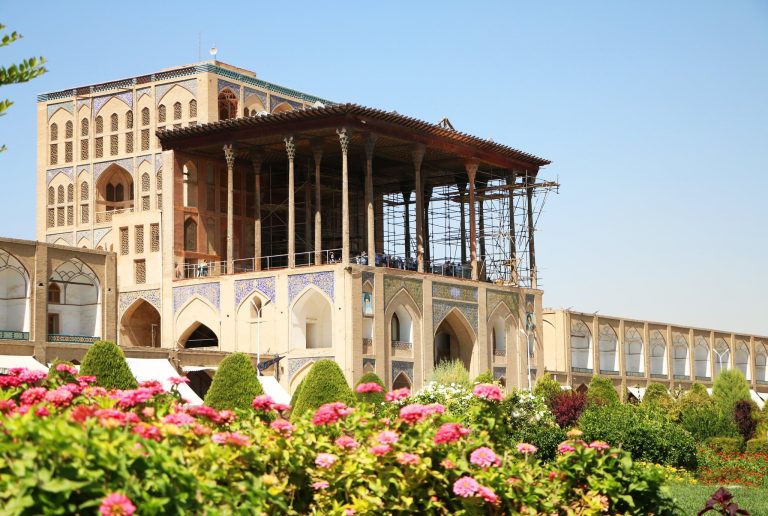
The mosque was established during the reign of Shah Abbas I, a Safavid ruler associated with major building and urban-development projects in Isfahan. It is also known as Maghsoudbeyk Mosque and Zolamat Mosque. The building remains an active mosque, continuing its religious function within the historic city.
Calligraphers and commemorative traditions
The mihrab inscription is attributed to Ali Reza Abbassi, a prominent Persian calligrapher of the Safavid period. Tradition holds that Shah Abbas I was so pleased with the work that he later commissioned Abbassi to produce the inscriptions for the Sheikh Lotfollah Mosque. Mir Emad, Abbassi’s artistic rival and another leading Safavid calligrapher, was buried in a small chamber behind the mosque’s entrance hall.
Remains
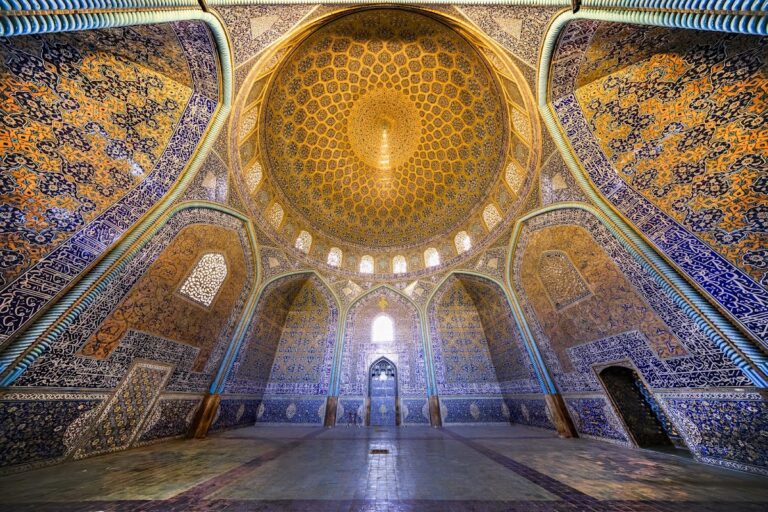
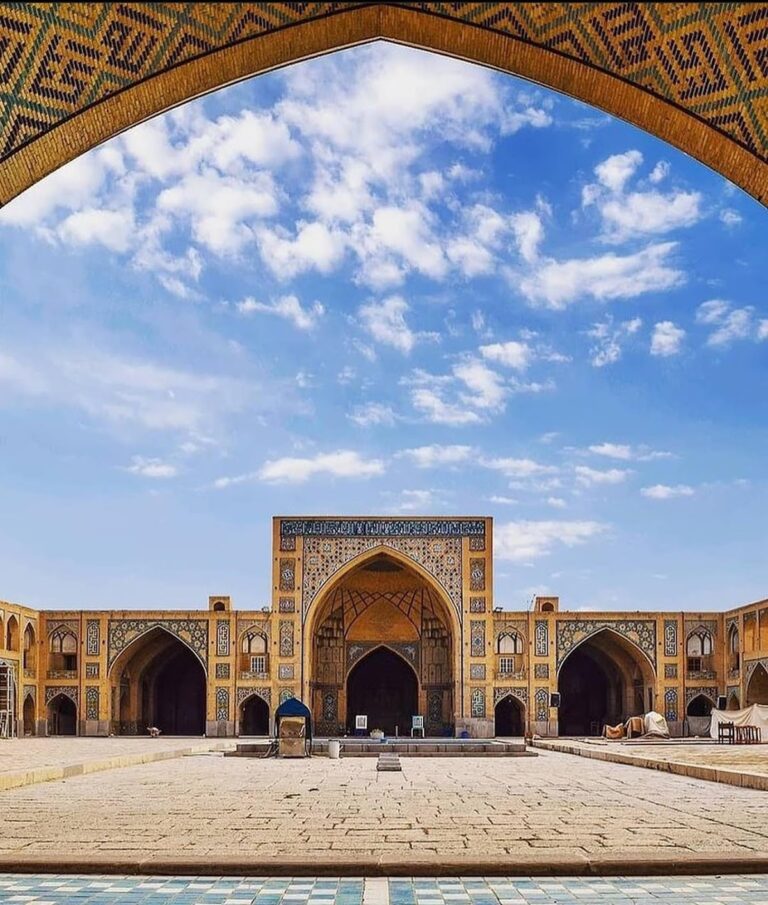
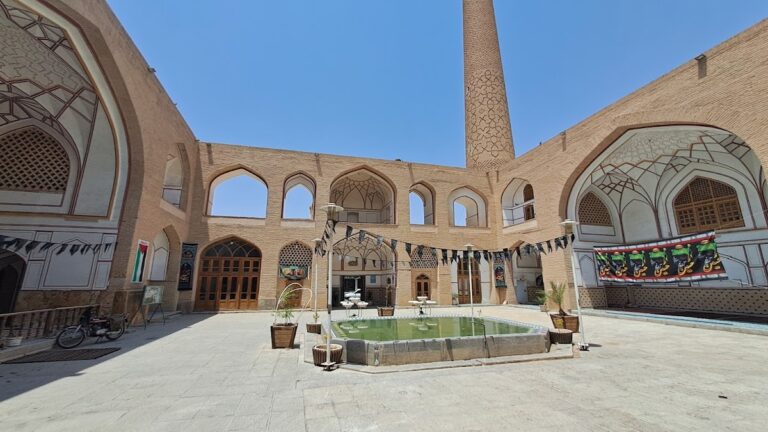
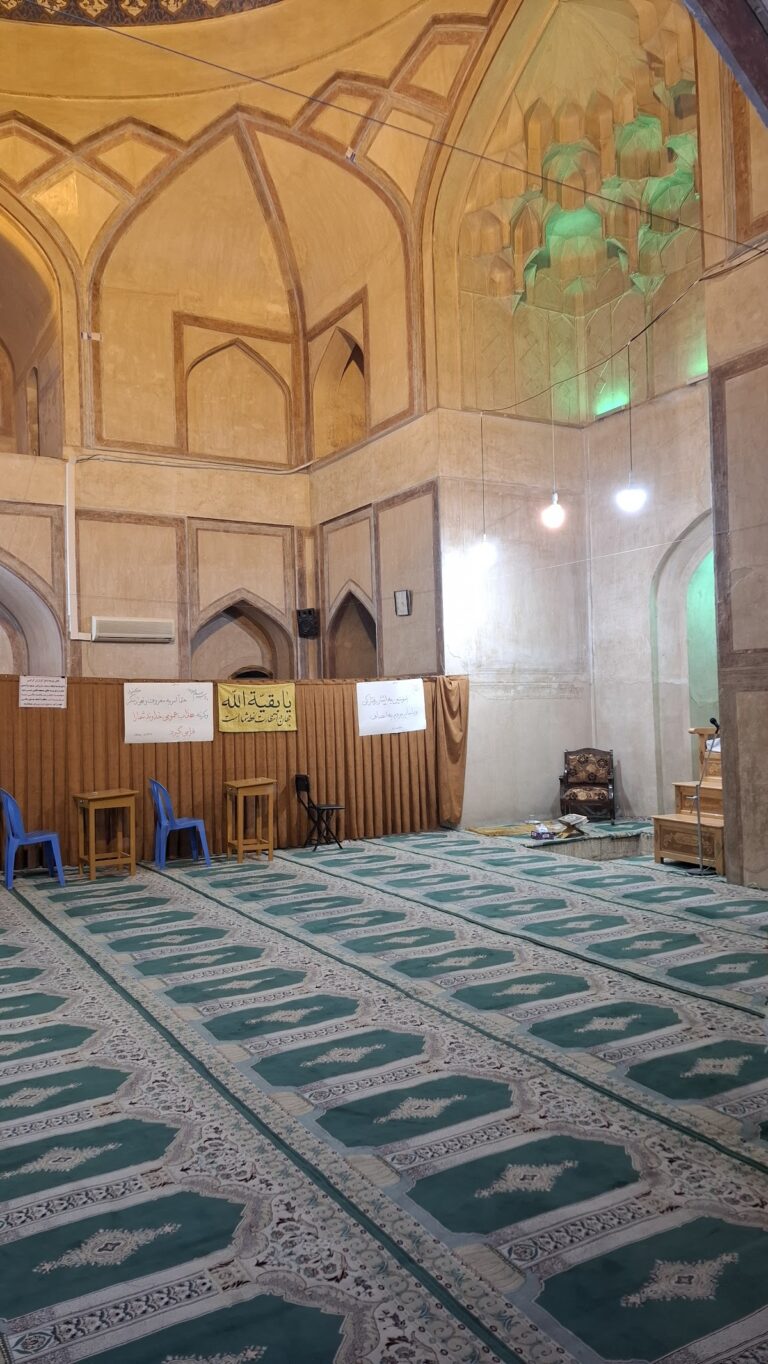
Maqsud Beyk Mosque stands on Zolamat Alley near the northeastern corner of Naqsh-e Jahan Square. Its plan centers on a domed shabestan, a covered prayer hall in Islamic architecture, with ceramic tilework serving as both a principal building material and a major form of decoration. The entrance portal, the southern prayer hall, the mihrab, and Mir Emad’s tomb form the principal surviving features described within the mosque.
Entrance portal and tomb chamber
Entrance inscription
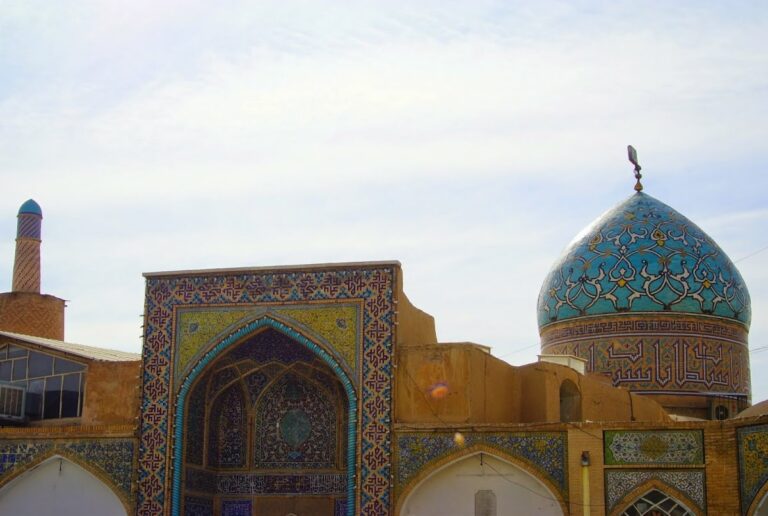
The decorative entrance portal is faced with ceramic tiles. An inscription dated to 1601–1602 appears in Suls, a formal style of Persian and Islamic calligraphy, on a white and azure background. Jafar Ali Emami, a Safavid-era calligrapher, wrote the text, which mentions Shah Abbas I and Maghsoudbeyk.
Mir Emad’s tomb
A small chamber behind the entrance hall contains Mir Emad’s tomb. The tomb itself has no inscription, while a vertically mounted marble slab on the wall carries Persian poems and invocations for the Fourteen Infallibles in Suls and Nastaliq calligraphy. The Fourteen Infallibles are Muhammad, his daughter Fatima, and the twelve Imams, who hold a central place in Twelver Shia belief. Nastaliq is a distinct Persian calligraphic style.
Prayer hall and mihrab
The southern shabestan is decorated with tilework, and the mosque has one listed dome, although the total number of domes is uncertain. Its large mihrab, the niche indicating the direction of prayer, is slightly damaged. The mihrab inscription dates to 1602–1603 and is written in white Suls calligraphy against an azure background.