Ahlhorner Kellersteine: Two Neolithic Megalithic Tombs in Germany
Site at a Glance
- Popularity
- Very Low
- Country
- Germany
- Primary era
- Stone Age
- Eras represented
- Stone Age
- Civilizations
- Unclassified
- Site type
- Burial
- Remains
- Tomb
On this page5 sections
History
The Ahlhorner Kellersteine are two Neolithic megalithic tombs in Ahlhorn, part of Großenkneten in Germany. They date to between 3500 and 2800 BCE and are attributed to the Funnel Beaker culture, a prehistoric European culture named for its funnel-shaped pottery. The Neolithic was the later part of the Stone Age. The tombs belong to Nordic megalithic architecture, the prehistoric stone-building traditions of northern Europe.
Pottery finds place the tombs in the older to middle phase of the Funnel Beaker culture’s western group, a regional subdivision. The western and eastern tombs are also known as Erdmannsteine I and Erdmannsteine II, respectively. The Kellersteine name is also used for two other tomb groups in the Wildeshauser Geest, the Steinloger and Holzhauser Kellersteine.
Remains
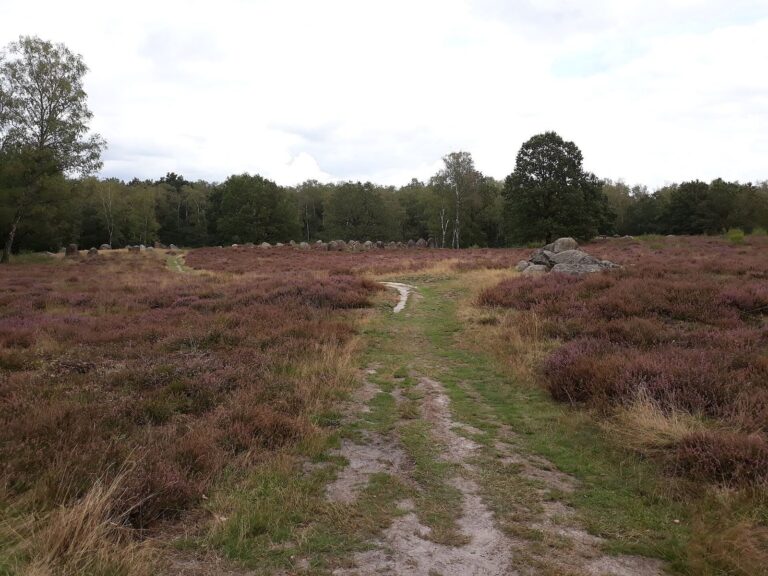
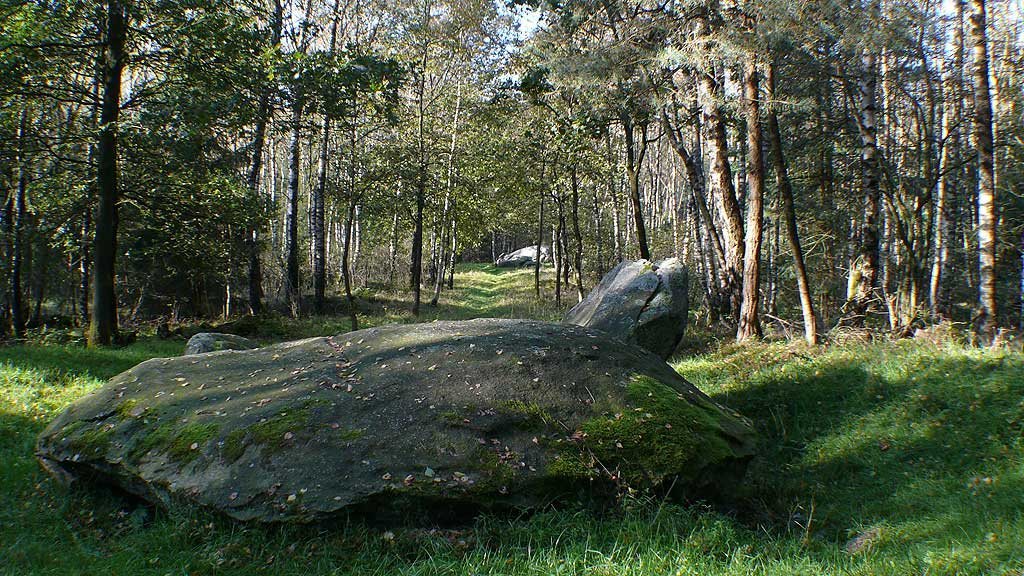
The tombs stand in woodland clearings about 50 metres apart. Their stone chambers have trapezoidal plans and different alignments: the western tomb runs northwest to southeast, while the eastern one runs east to west. The site lies about 350 metres south of the A1 motorway and 250 metres north of the Aue, a sandy lowland stream. The Bäken der Endeler und Holzhauser Heide nature reserve extends along the stream to the south. The Visbeker Bräutigam and Heidenopfertisch tombs near Endel are about 1,100 metres to the west-southwest.
Chambers and stonework
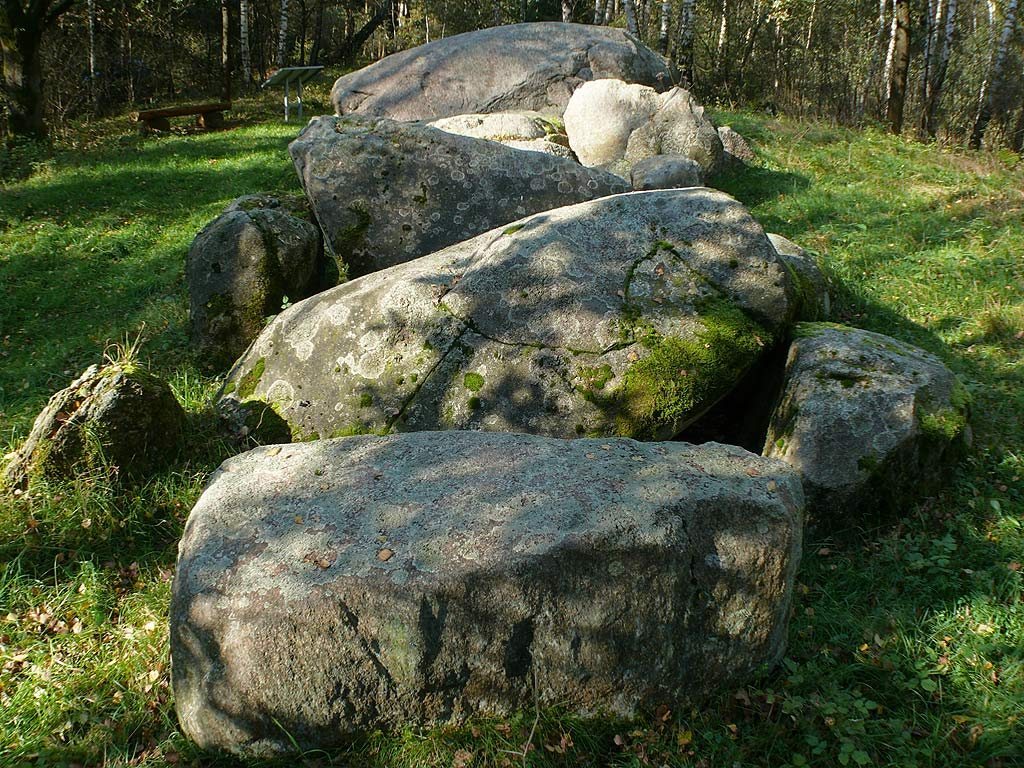
Erdmannsteine I, the western tomb
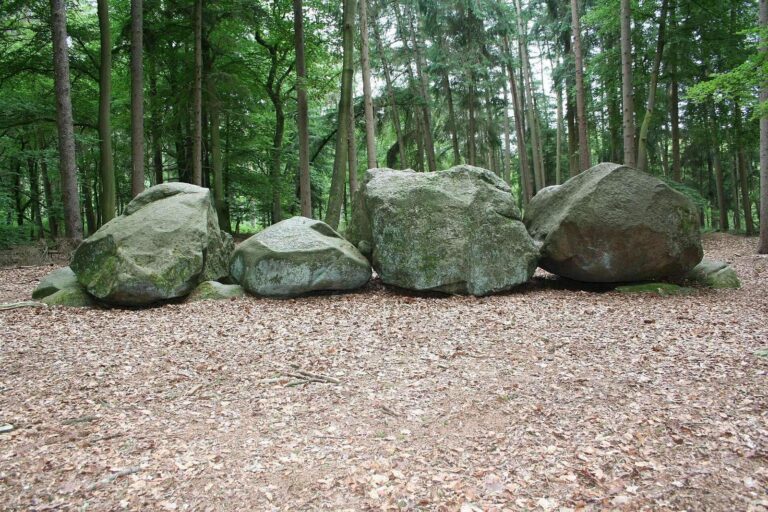
This 11-metre-long passage grave has a burial chamber and a structurally distinct side passage. It belongs to the regional Emsland chamber type. The chamber narrows from 3.0 to 2.3 metres in width. Fifteen of its original 17 supporting stones survive: seven on the northeast side, six on the southwest side, and the two end stones. All five capstones are present, although two are broken; the largest measures 4.5 by 2.1 by 1 metre. The entrance is thought to have been beneath the south side of the broken middle capstone.
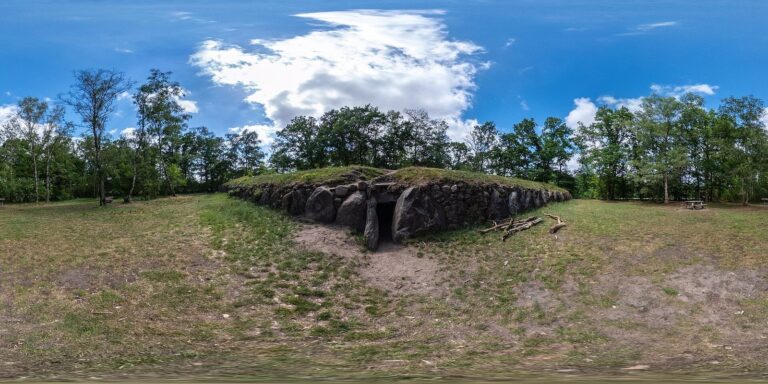
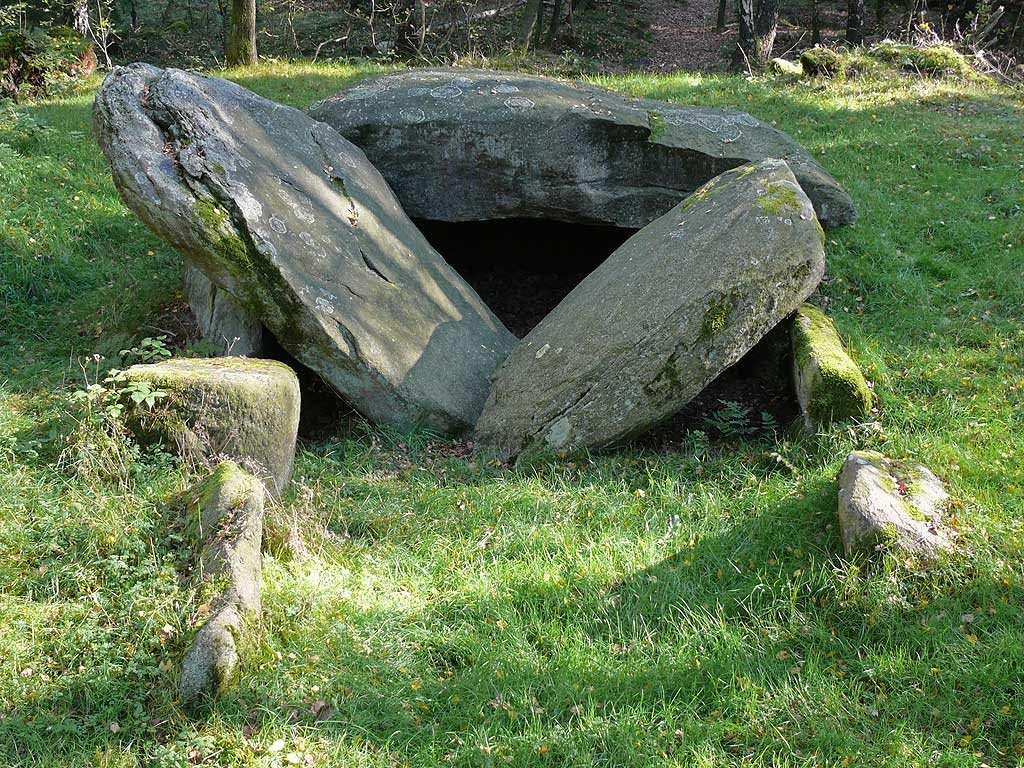
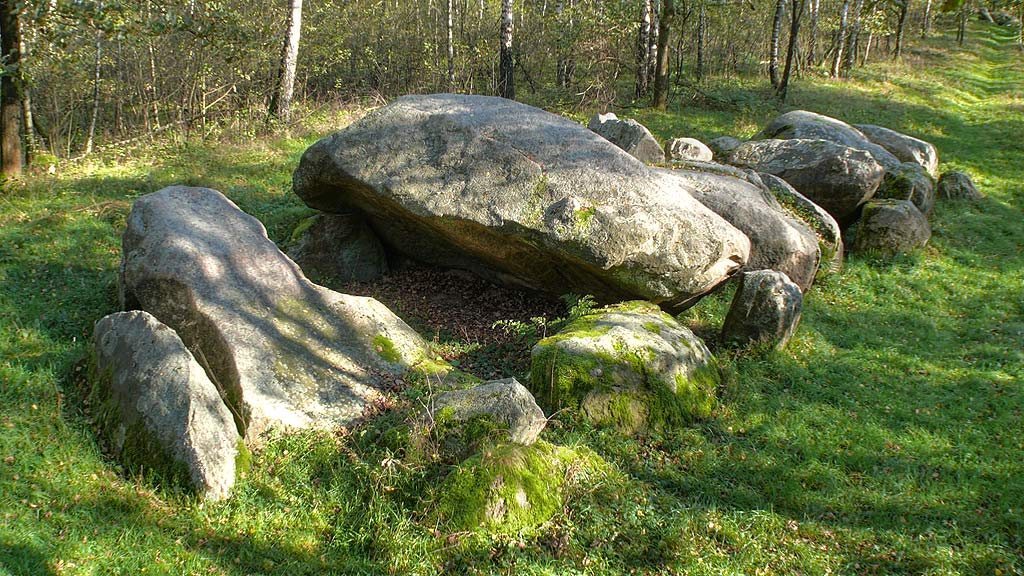
Erdmannsteine II, the eastern tomb
This chamber is 6 metres long and narrows from 2.5 to 2.0 metres in width. Four supporting stones line each long side, and one end stone is preserved. The chamber sits within the remains of a circular mound 14 metres across. At least three capstones originally covered it; two survive, one still in place and the other broken and fallen inward, its fractured face turned toward the chamber. The tomb may represent a locally rare form of large, roofed stone burial chamber, though that identification remains tentative.