Steinerne Hütte: A Neolithic Megalithic Tomb in Germany
Site at a Glance
- Popularity
- Very Low
- Country
- Germany
- Primary era
- Stone Age
- Eras represented
- Stone Age
- Civilizations
- Unclassified
- Site type
- Burial
- Remains
- Tomb
History
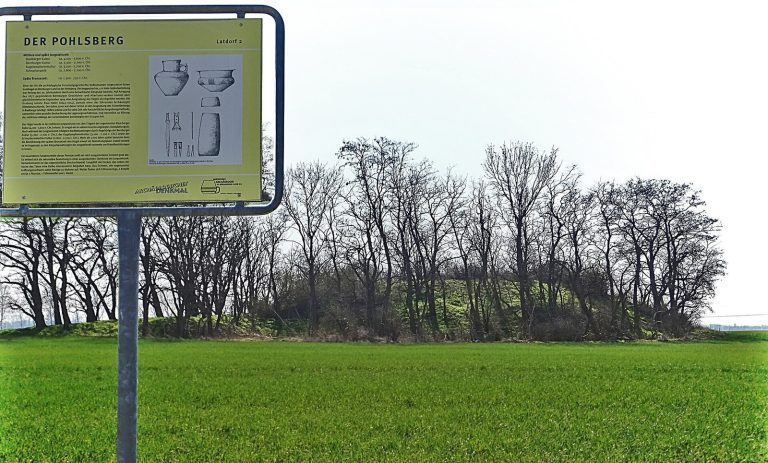
The Steinerne Hütte is a Neolithic megalithic tomb near Latdorf in Germany, built during the later part of the Stone Age. Its slightly trapezoidal plan is characteristic of tombs associated with the Walternienburg and Bernburg cultures, archaeological cultures of Neolithic central Germany. However, the pottery and flint recovered from the chamber do not securely establish the tomb’s cultural affiliation.
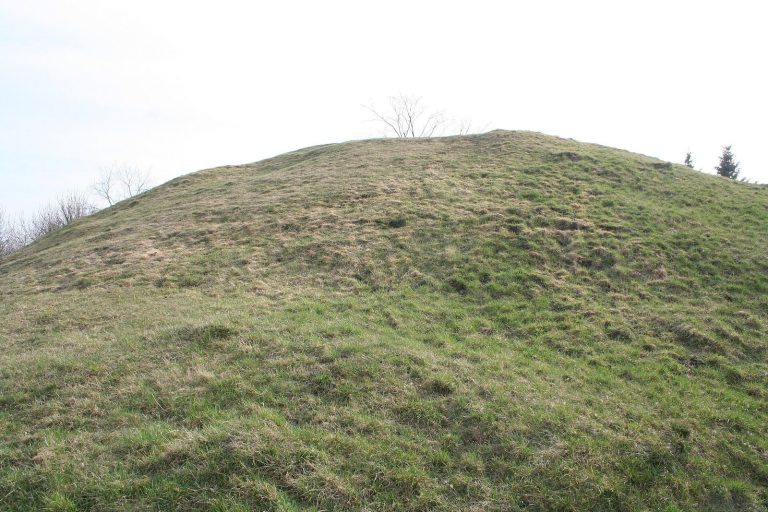
The tomb probably once stood beneath an earthen mound, which had been removed well before the 19th century. A proposed link between the mound’s removal and the construction of a military camp in 1644, during the Thirty Years’ War (1618–1648), has not been substantiated.
Remains
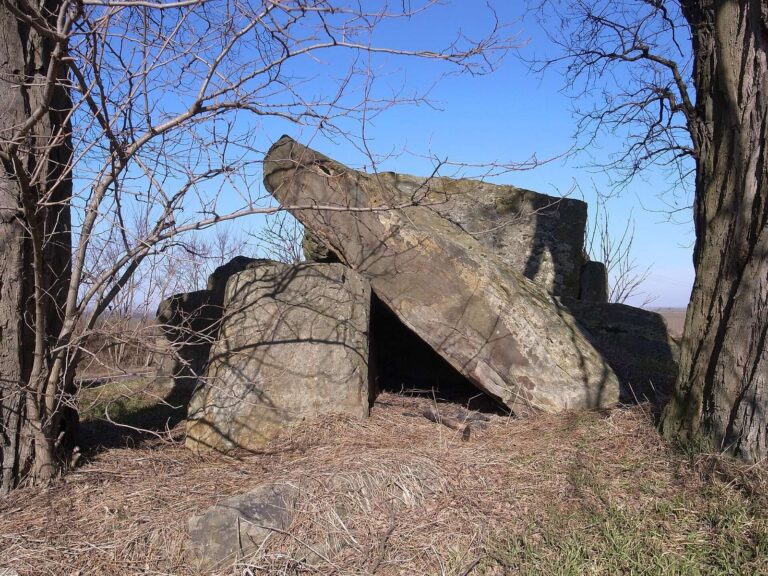
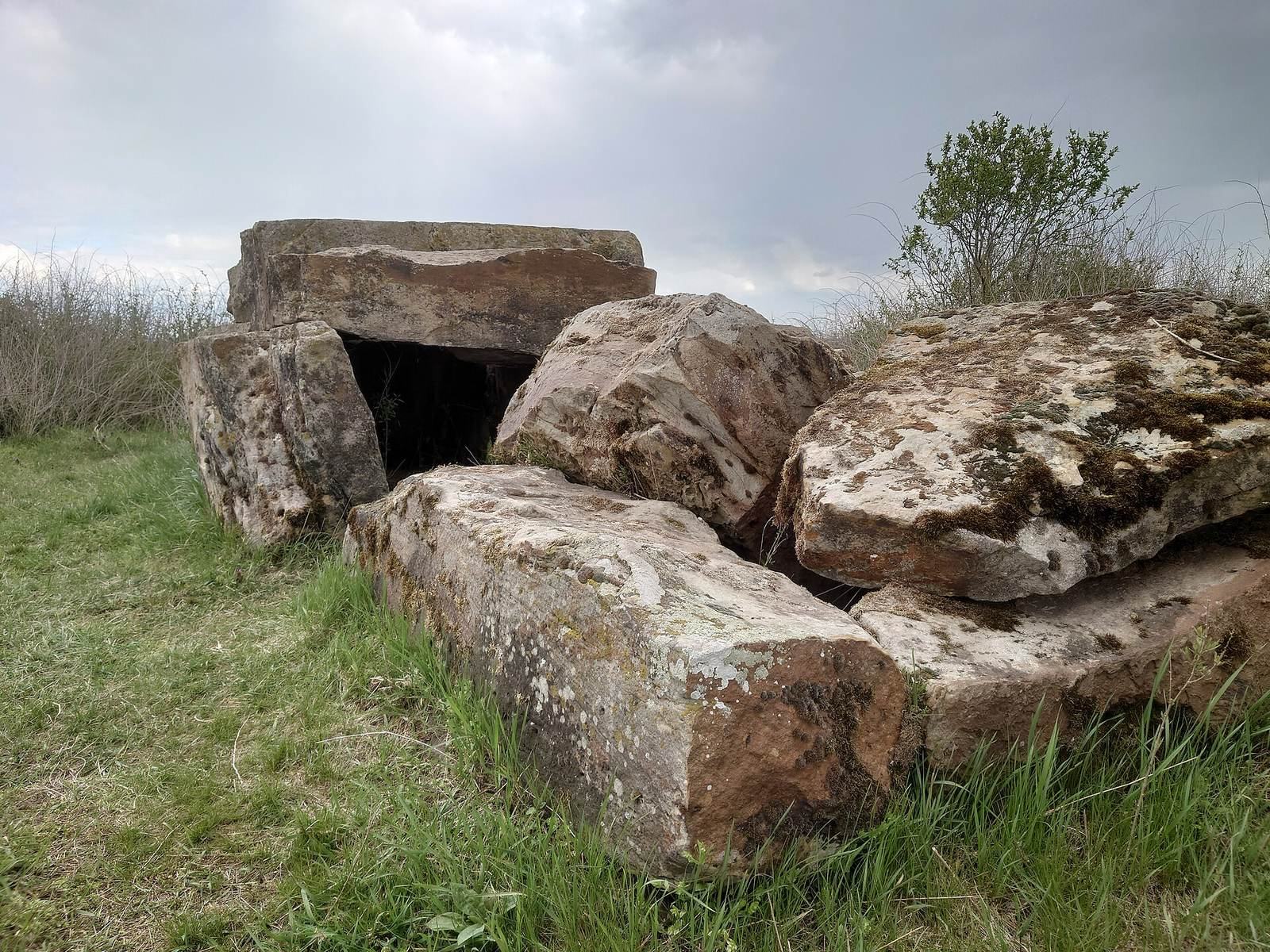
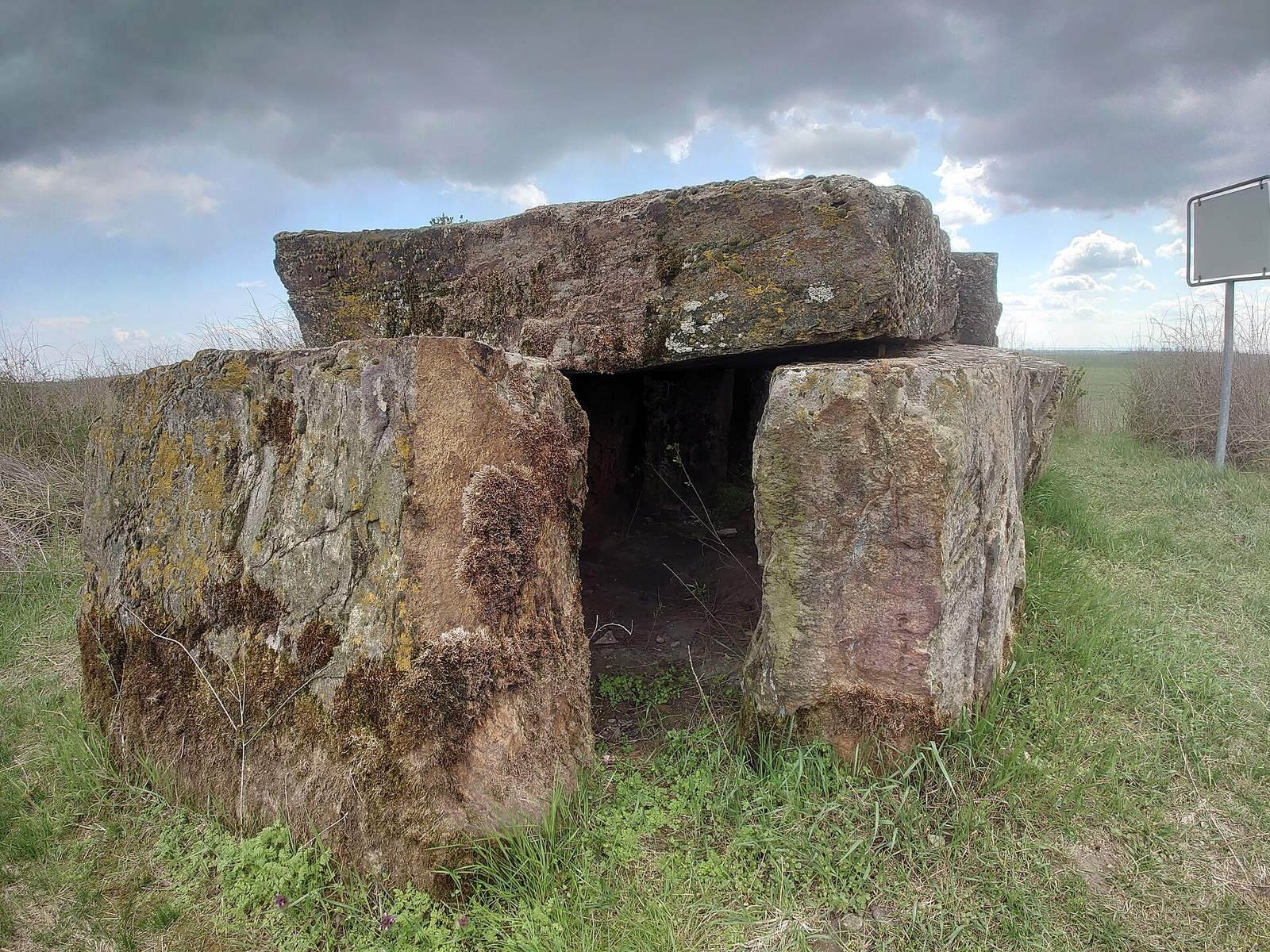
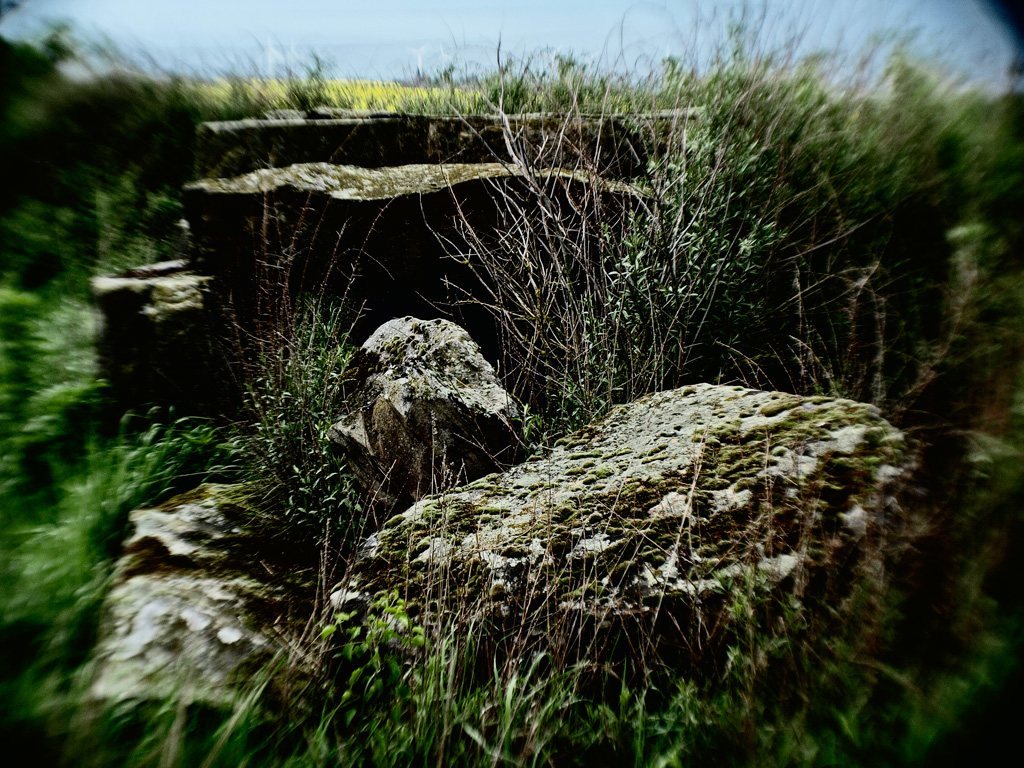
The tomb lies between Latdorf and Borgesdorf, south of State Road 73 and immediately east of a field track. Its chamber runs northeast to southwest and has a slightly trapezoidal plan. Measuring about 7 m long by 2.5 m wide, it is built from sandstone slabs.
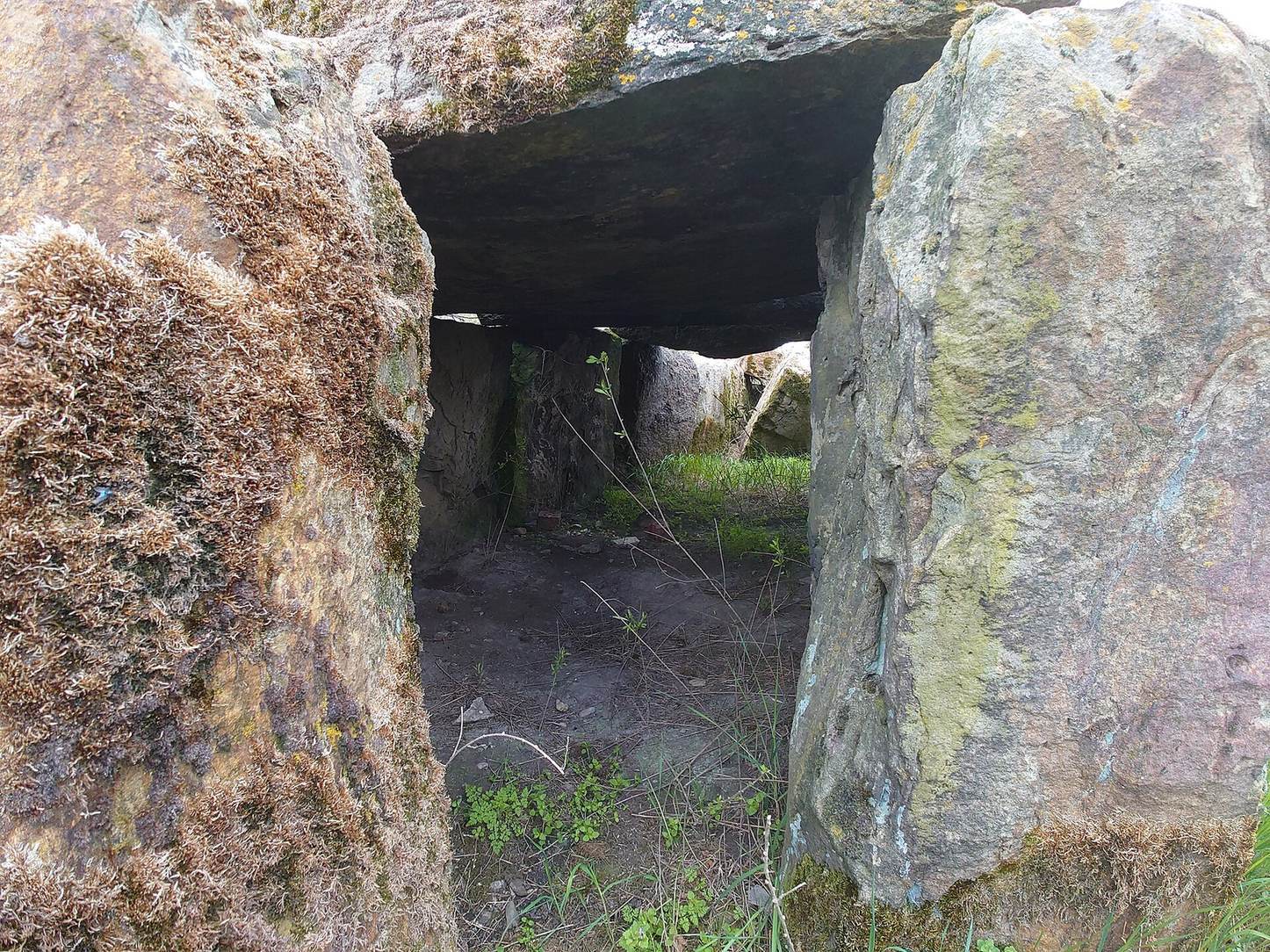
The chamber’s wall stones largely survive. Three large slabs form the northwest long side, while the southeast side has two large slabs and three smaller ones. A large closing slab stands at each short end. Of the covering stones, one large slab remains at the northeast end, together with two smaller slabs; other fragments lie scattered nearby.
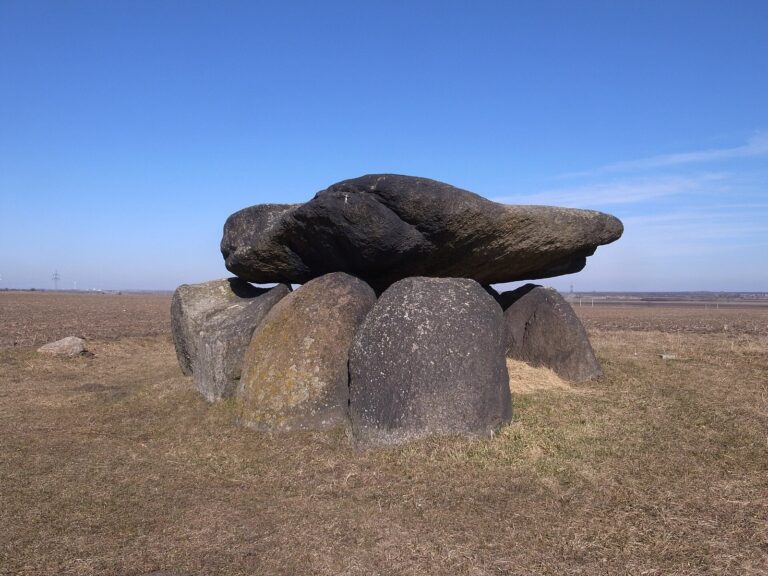
Inside the chamber, paving remains alongside a row of upright limestone slabs set parallel to the northwest side. The tomb is classified as a large dolmen, a type of megalithic burial chamber. Several pottery fragments and a flint flake were found in the chamber’s middle.