Medieval Islamic Sites: Explore Citadels, Mosques, Madrasas and Caravanserais
Explore more than 900 medieval Islamic sites, including citadels, palaces, bathhouses, mosques, madrasas, caravanserais and bridges. The collection spans North Africa, the Middle East, Anatolia and parts of Europe and the Caucasus. Its examples include defended palace courts, heated bathing rooms, a mosque with an adjoining hospital, student accommodation and merchants’ lodging.
Primary Function: All
Type: All
Civilization: All
Country: All
Popularity: All
Rating: All

Ostrožac Castle developed from a thirteenth-century noble stronghold into an Ottoman fortress and later a Romantic-style residence. Its protected…

Mithymna Castle, also known as Molyvos Castle, occupies the ancient acropolis of Methymna on Lesbos. Its surviving walls combine ancient Greek…
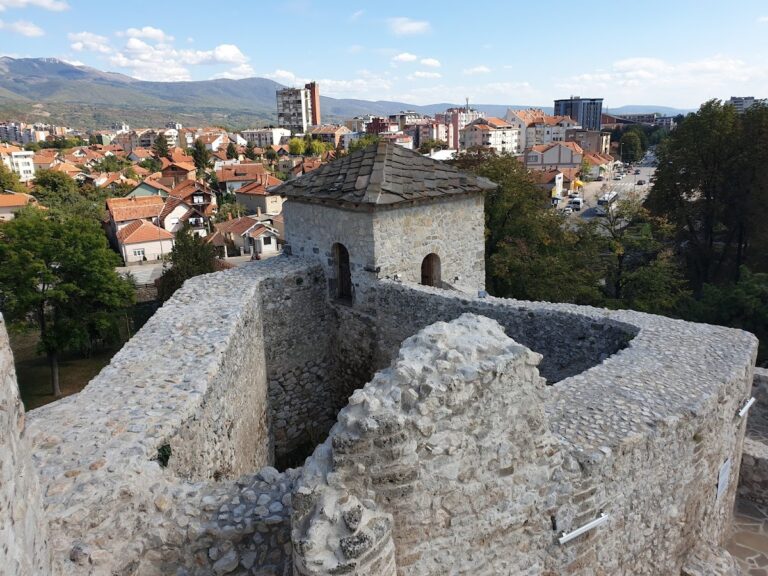
Pirot Fortress in Serbia developed from a Roman stronghold beside the Via Militaris into a complex shaped by Byzantine, Bulgarian, Serbian, and later…
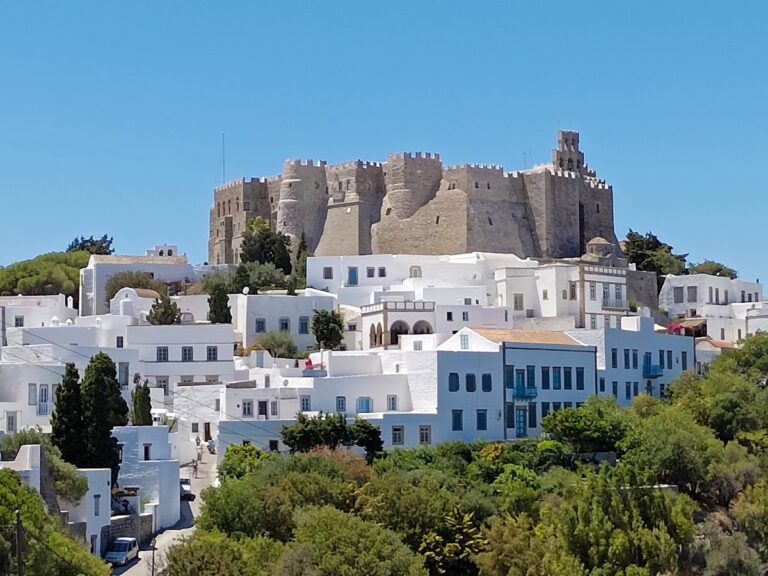
Founded in 1088 by Christodoulos the Latrinos under the patronage of Emperor Alexios I Komnenos, the Monastery of Saint John the Theologian developed…
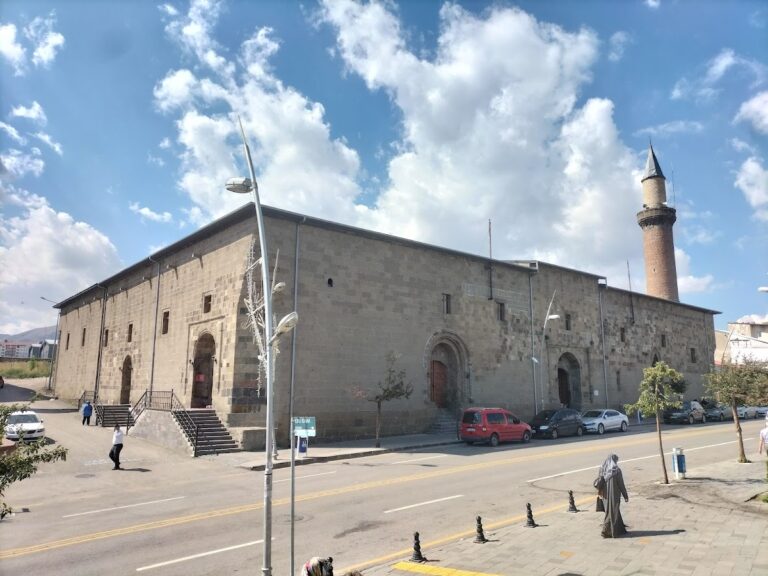
Erzurum Mosque, also known as Erzurum Grand Mosque, is a major 12th-century Saltuklu monument whose history reflects the development of Turkish rule…
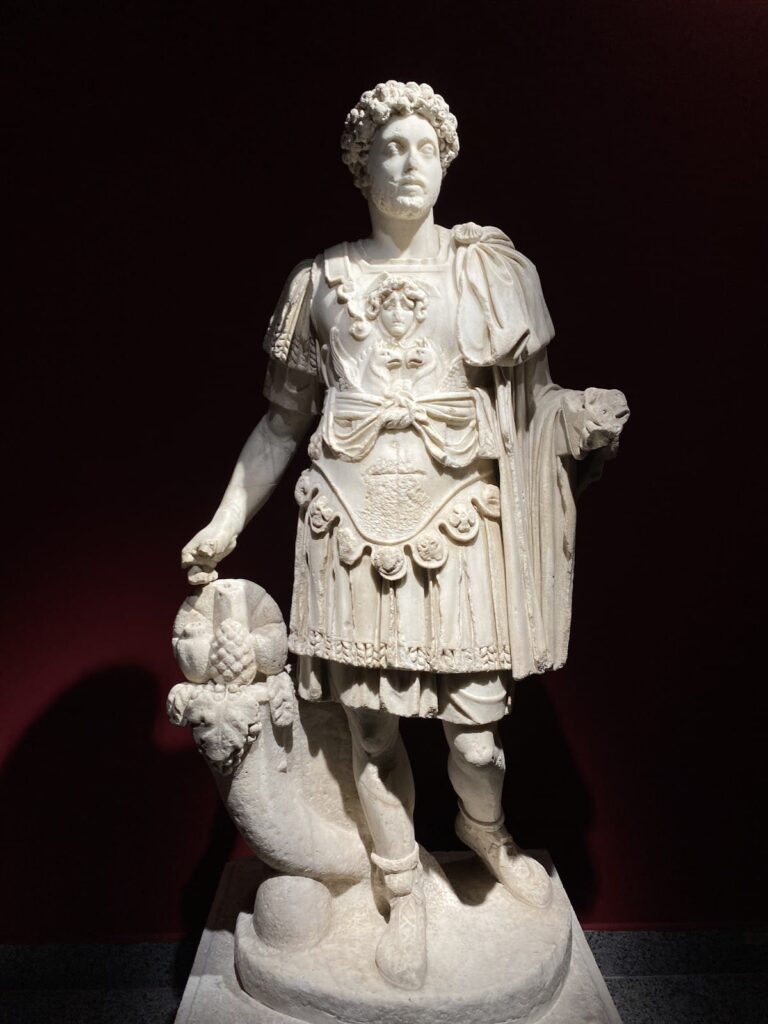
Founded in 1892, the Greco-Roman Museum in Alexandria preserves archaeological material spanning ancient Egyptian, Greek, Roman, Coptic, and…
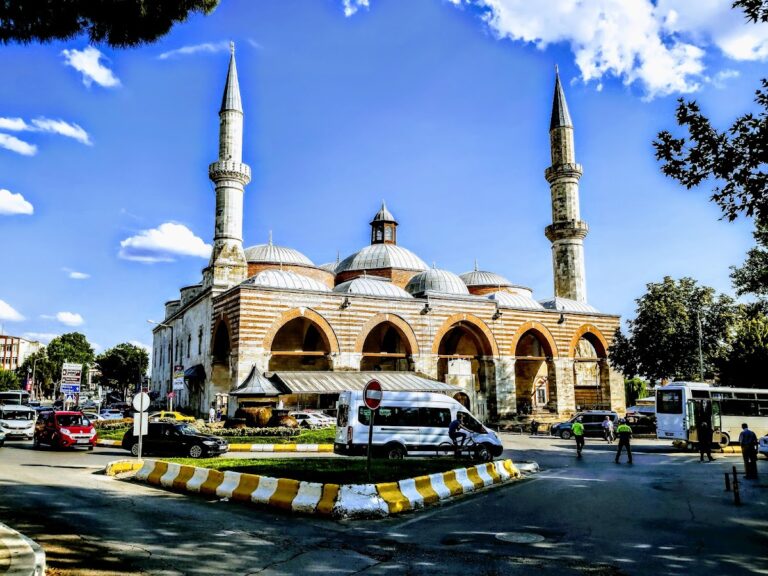
Old Mosque in Edirne is an early Ottoman mosque built between 1402 and 1414 during the empire’s dynastic crisis and completed under Sultan Mehmed I.…
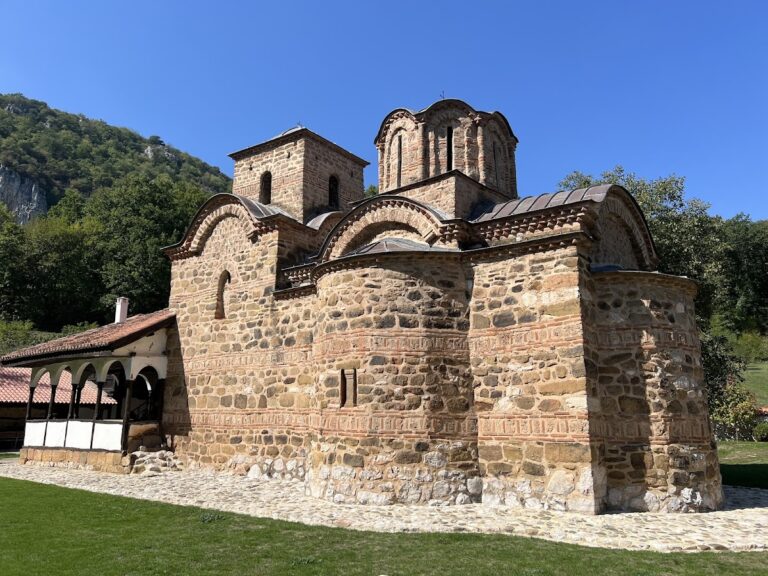
Poganovo Monastery, dedicated to Saint John the Theologian, was established in 1395 and developed into an important late medieval center of Serbian…
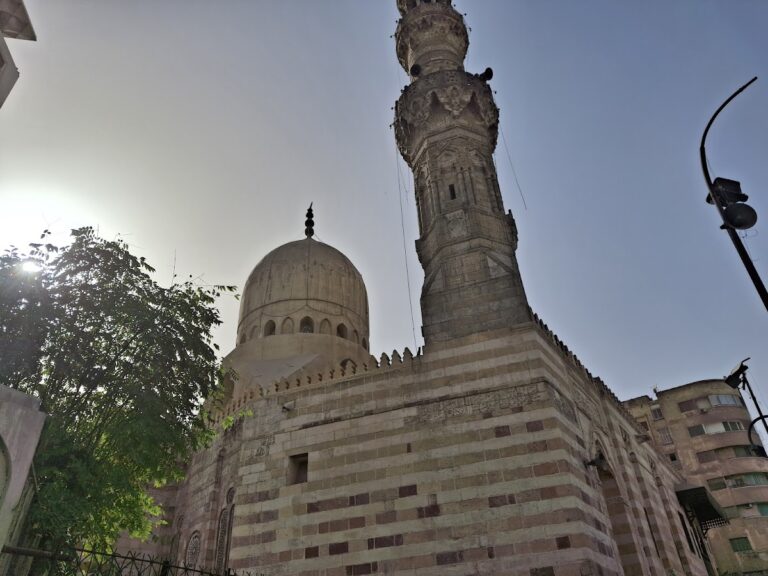
Abu al-'Ila Mosque in Bulaq, Cairo, was founded around 1485 by the merchant Nur al-Din 'Ali ibn Qanish al-Burullusi for the Sufi shaykh Husayn Abu…
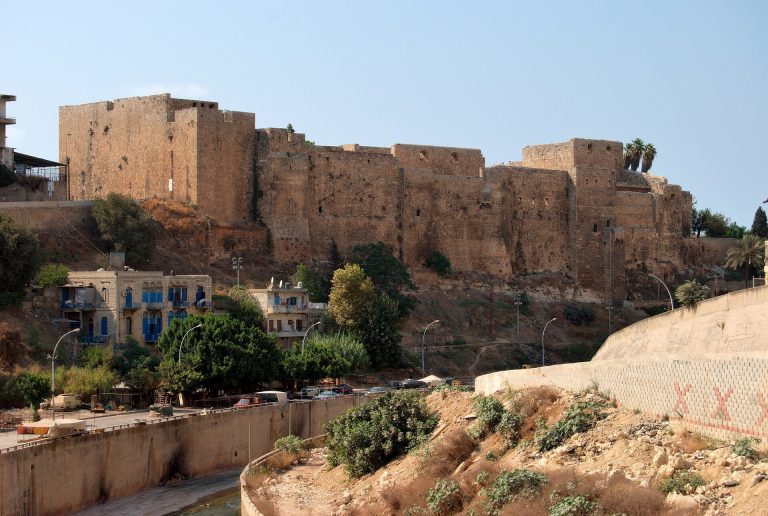
The Citadel of Tripoli reflects successive Persian, Islamic, Crusader, Mamluk, and Ottoman phases, with surviving defenses, water systems, earlier…
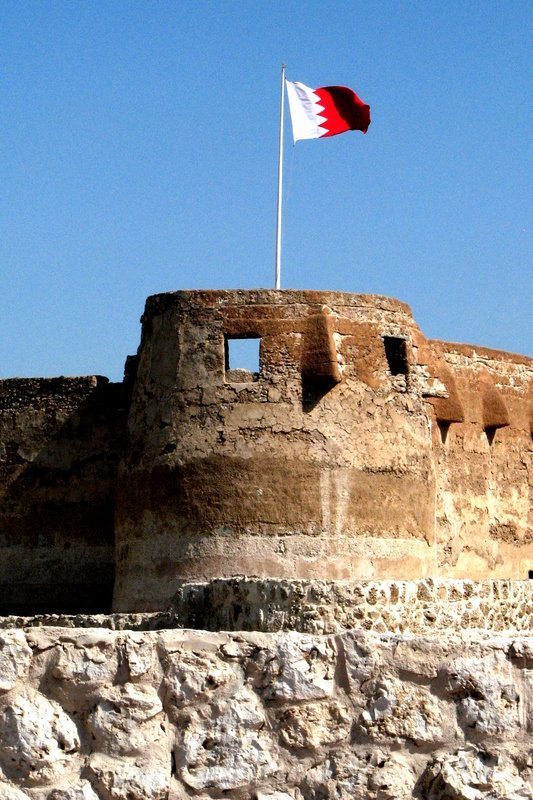
Arad Fort is a fifteenth-century defensive stronghold in Bahrain, associated with Omani occupation, Portuguese military activity, and the maritime…

Castell de Xivert is a fortified mountain complex in Castellón with occupation from the Bronze Age through the seventeenth century. Its remains…
For details on how to use the maps, which sites are included, how popularity and ratings are determined, and how sites are classified, see the help page.
On this page7 sections
Citadels and fortified palaces
The Alcazaba of Málaga in Spain rises above the city and harbour in successive walled enclosures. Towers and bent entrances control the ascent towards the upper complex. Within those defences, courts, pools and residential rooms formed the palace, separating the ruler’s accommodation from the heavily protected approach.
The site developed through several Andalusi phases, including substantial Nasrid work. Reused Roman columns and other stone elements were incorporated into its buildings. Later repair and reconstruction have maintained parts of the palace and defences, while the lost lower enclosure once extended the fortress farther towards the city.
Bathhouses and water systems
Hammam al-Sarah in Jordan belonged to the Umayyad estate at Qasr al-Hallabat. A rectangular reception hall adjoins a bathing suite with changing, warm and hot rooms. The arrangement preserves the sequence through which the bathers moved, alongside the facilities required to heat and supply the building.
A furnace, well and raised tank formed part of that service system. Dressed stone walls and carved door surrounds survive with restored sections, including the hot-room dome. The bathhouse illustrates the continuation of heated bathing in an early Islamic rural estate, with modern conservation needed to recover its form after extensive stone removal.
Mosques, hospitals and minarets
The Great Mosque and Hospital of Divriği in Turkey combine two institutions within a single thirteenth-century complex. The mosque has a prayer hall divided by piers and covered with vaults of different forms. Beside it, the hospital contains a central hall with a pool, opening into vaulted spaces and smaller rooms.
The entrances carry exceptionally dense stone carving, including geometric patterns, projecting leaves and deep recesses. The hospital has its own portal, distinguishing its approach from the mosque’s entrances. These surviving rooms and doorways show how religious patronage could accommodate medical care within the same architectural foundation.
At Al-Hakim Mosque in Cairo, Egypt, massive square enclosures surround the lower parts of earlier minarets. The protected inner towers retain Fatimid decoration, while the visible upper sections reflect Mamluk rebuilding after an earthquake. One minaret was incorporated into Cairo’s expanded city walls in the eleventh century.
The mosque’s broad courtyard and prayer spaces have undergone extensive modern reconstruction. The minarets therefore provide a more specific view of its medieval construction history than treating the whole present interior as unchanged Fatimid work.
Madrasas and teaching courtyards
The Sırçalı Madrasa in Konya, Turkey, was built in 1242 under the Anatolian Seljuks. Student rooms surround an open court, with a large vaulted teaching space facing the entrance. Domed rooms beside it provided more enclosed areas suited to use in cold weather.
Blue, turquoise and darker tiles survive around the principal hall and other parts of the interior. A prayer niche connects teaching with religious use, while the patron’s tomb chamber occupies a position near the entrance. Restoration has repaired damaged vaults and replaced some materials without removing the main divisions of the plan.
Caravanserais and merchants’ accommodation
The Multani Caravanserai in Baku, Azerbaijan, takes its name from merchants arriving from Multan. An enclosed courtyard and vaulted accommodation provided a base for travellers within the old commercial district. Lower spaces served the movement and keeping of animals, with stairs linking them to the lodging areas above.
Stone bridges and river crossings
The Çeşnigir Bridge in Turkey carries a stone crossing over the Kızılırmak River. Its rising central section spans the main channel, with smaller arches alongside it. The bridge originated in the Seljuk period and underwent later Ottoman repairs. Its sequence of openings accommodates the river while supporting a continuous route across it.
Explore the collection
Explore sites on the map or in the grid. Map icons indicate each site’s primary function, helping you identify different kinds of places at a glance. Narrow the results by country, primary function, site type or one of the civilizations included in this collection, with additional filters for popularity and rating. Select a map marker to view the site’s details and open its article, or open the article from its grid entry.