Medieval Islamic Sites: Explore Citadels, Mosques, Madrasas and Caravanserais
Explore more than 1,000 medieval Islamic sites, including citadels, palaces, bathhouses, mosques, madrasas, caravanserais and bridges. The collection spans North Africa, the Middle East, Anatolia and parts of Europe and the Caucasus. Its examples include defended palace courts, heated bathing rooms, a mosque with an adjoining hospital, student accommodation and merchants’ lodging.
Primary Function: All
Type: All
Civilization: All
Country: All
Popularity: All
Rating: All
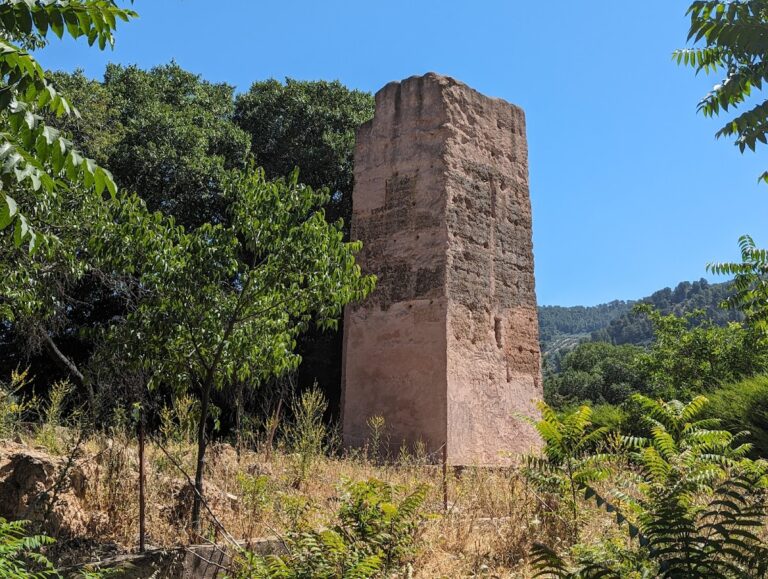
Castillo de Peñolite is a ruined fortified enclosure near Puente de Génave in Jaén, Spain, possibly associated with the Almohad period. Its surviving…
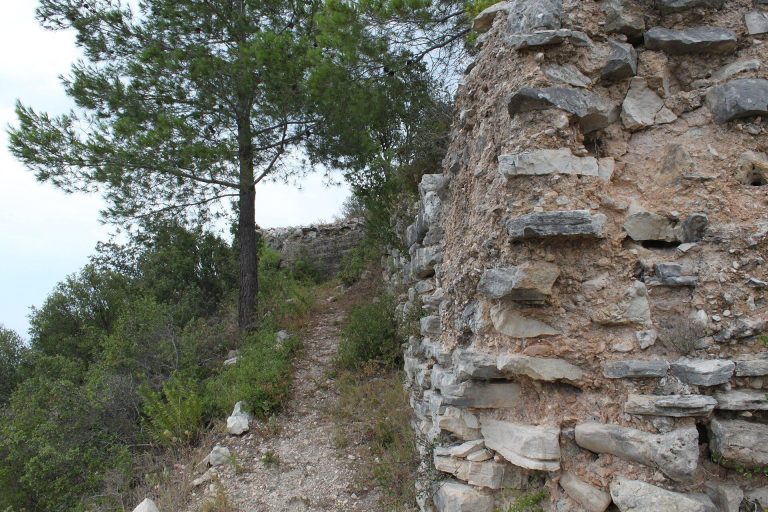
Castle of Carbonera was an Islamic-origin frontier stronghold that controlled settlements in the Albaida Valley and remained strategically important…
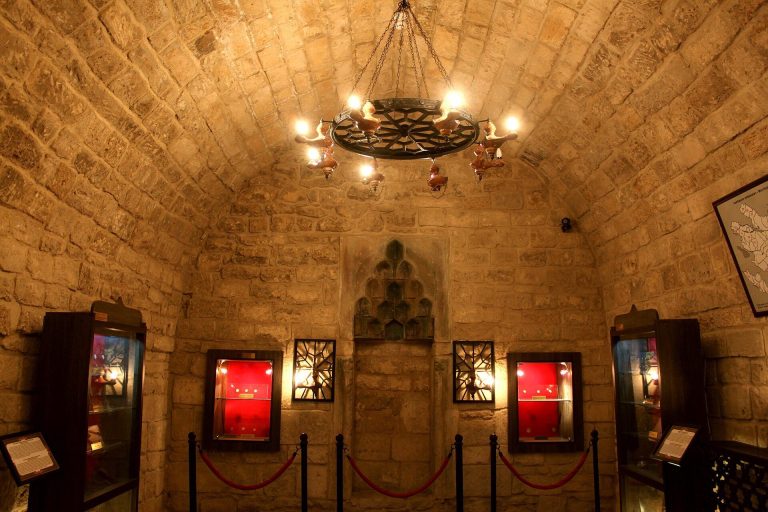
Chin Mosque in Baku’s Old City was built in 1375 and restored in the eighteenth century. Its former prayer space now preserves coins and exhibits…
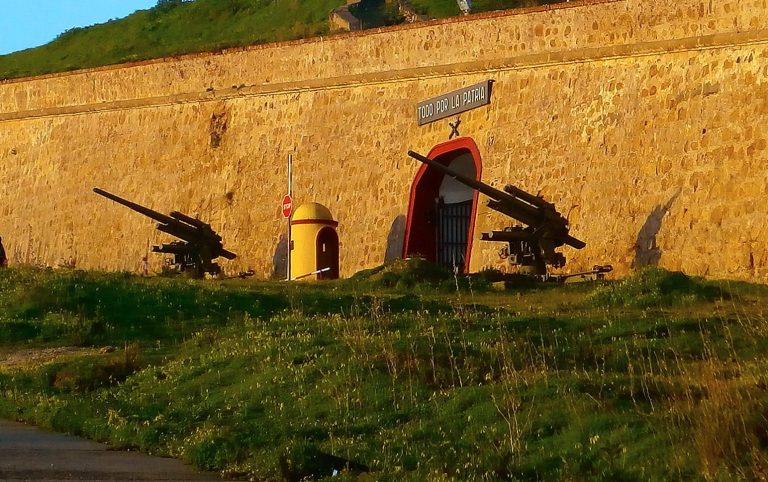
The Fort of Monte Hacho in Ceuta developed from an ancient and Byzantine military site into a major fortified complex, a prison, and a modern…
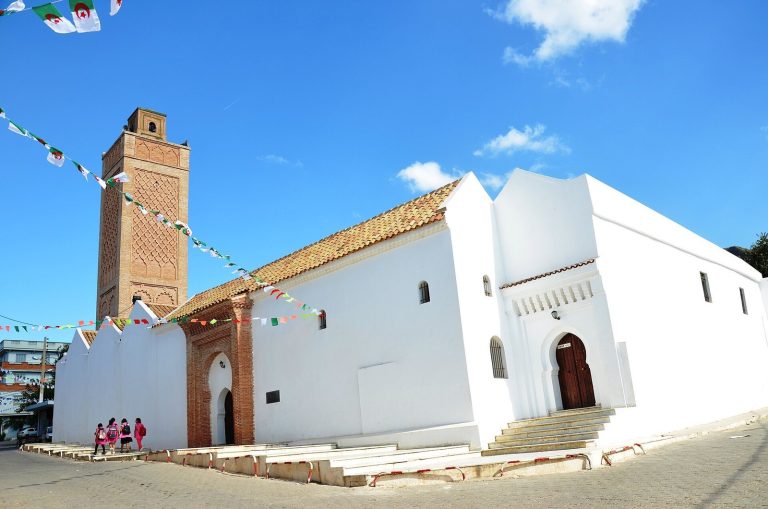
The Great Mosque of Nedroma, established in 1145, preserves an early Almoravid minbar and a later minaret linked to the architectural traditions of…
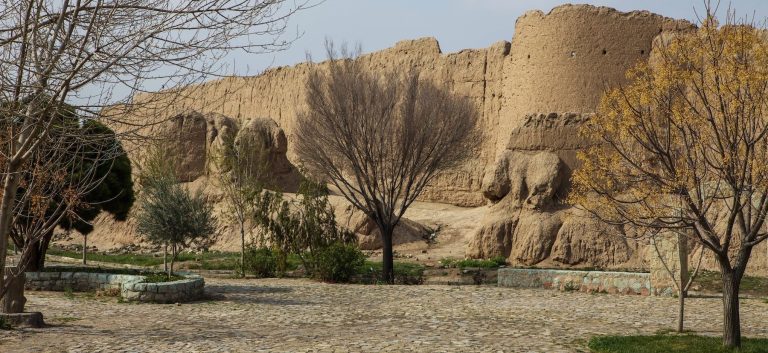
Jalali Castle is an eleventh-century Seljuk fortress in Kashan, Iran. Its walls, towers, gates, moat, and earthen structures formed part of the…
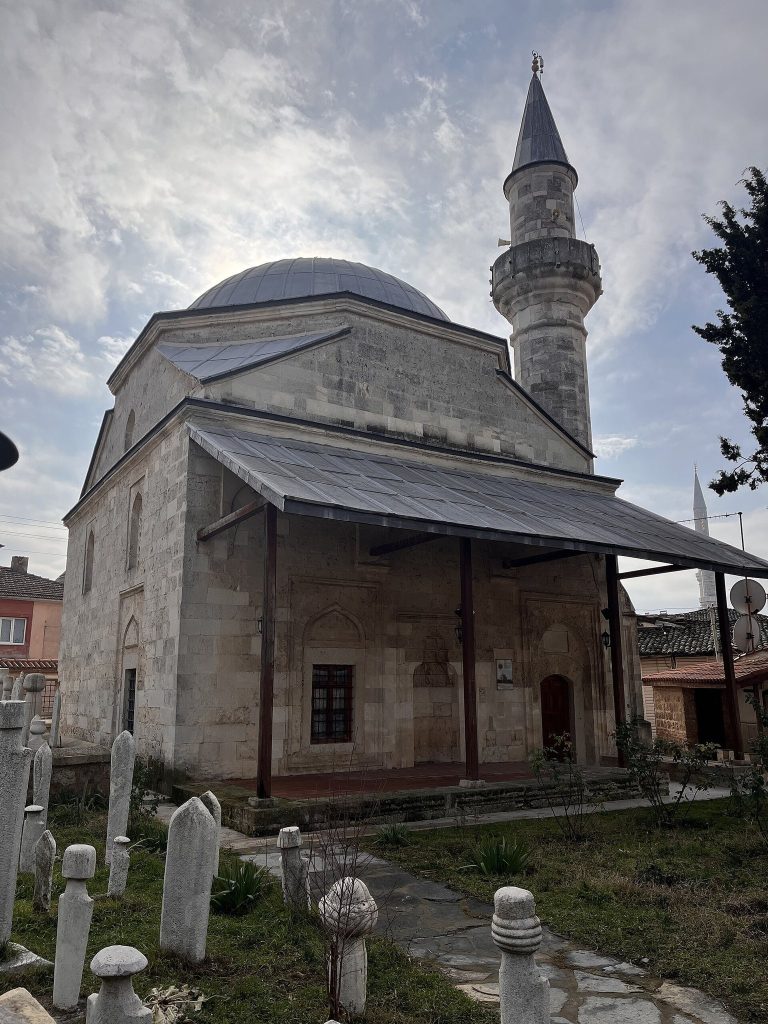
Kuşçu Doğan Mosque is an active early 15th-century Ottoman mosque in central Edirne, founded by Janissary Agha Kuşçu Doğan and distinguished by its…
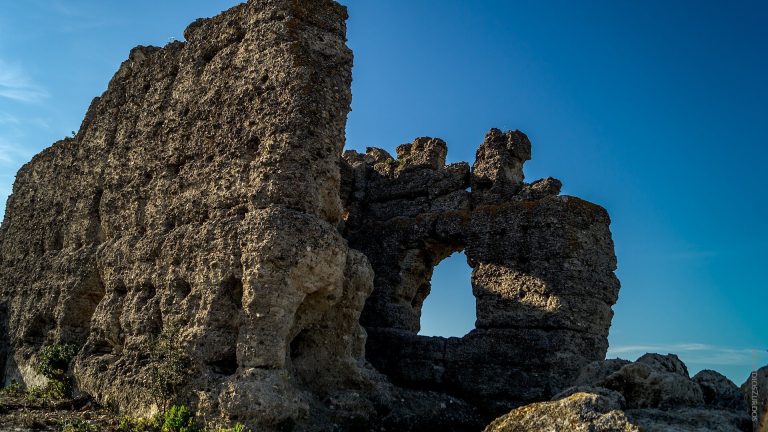
Torre Cera is a ruined medieval watchtower and fortress near Jerez de la Frontera, associated with the area’s thirteenth-century defensive system and…
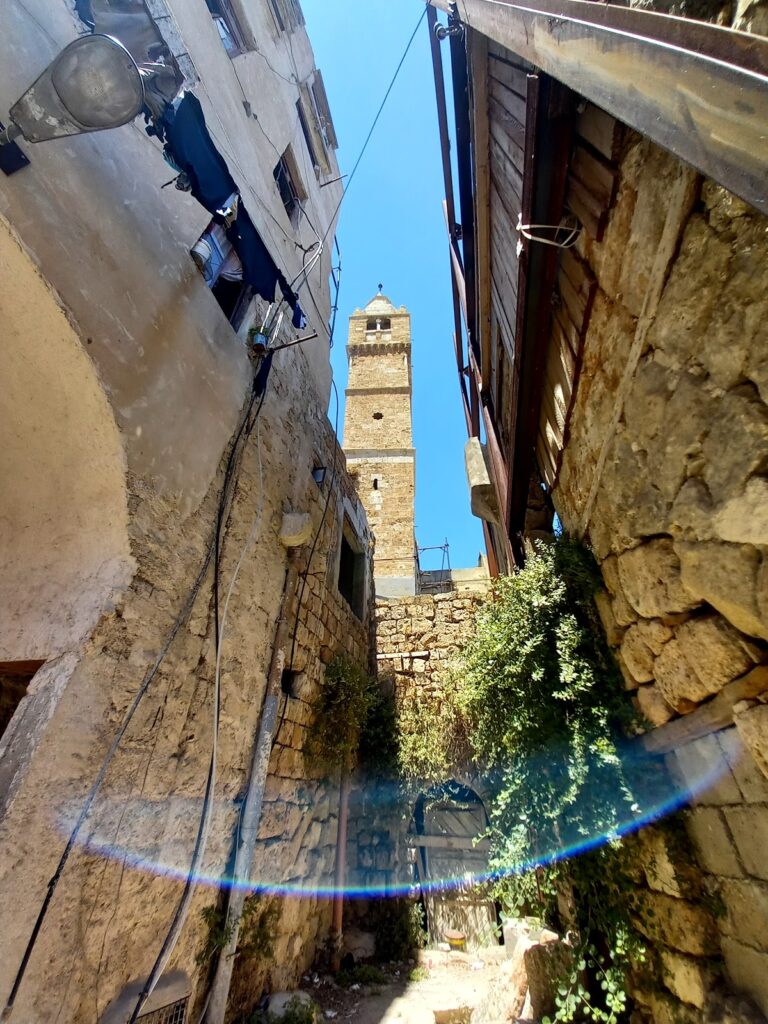
Al-Attar Mosque is a fourteenth-century Sunni congregational mosque in Tripoli, Lebanon. Its disputed origins, Mamluk architecture, endowment,…
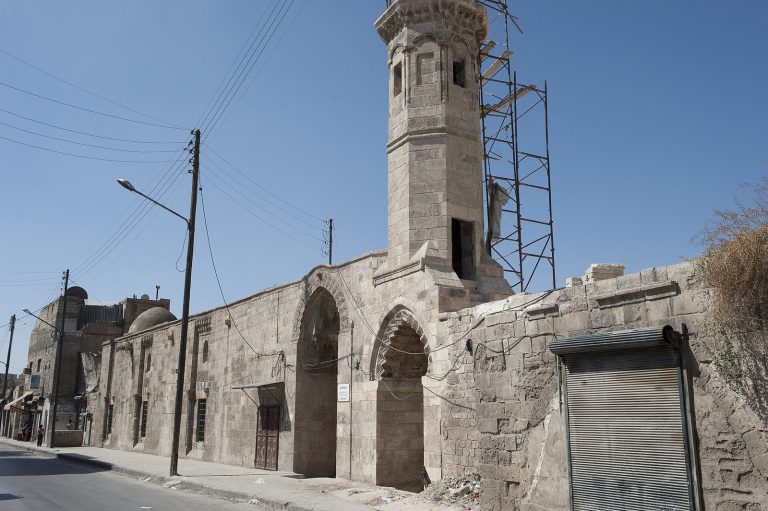
Al-Tawashi Mosque is a fourteenth-century Mamluk mosque in Aleppo’s Ancient City, later enlarged in 1537 and distinguished by its stone construction,…
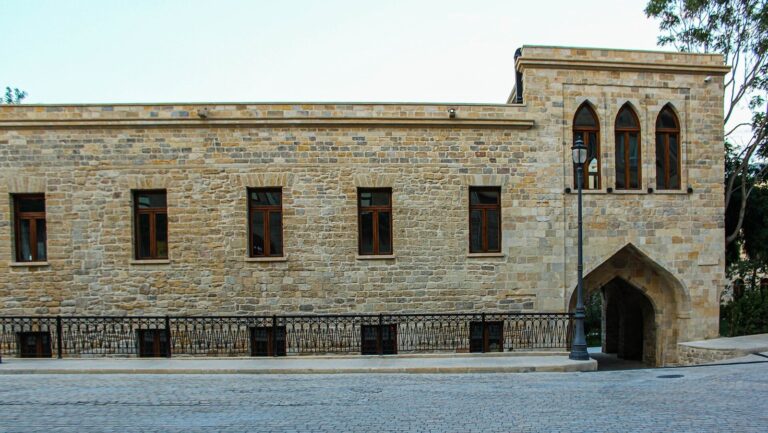
Begun in 1754, Baku Khans' Palace served the ruling family of the Baku Khanate and later became a Russian garrison and commandant's residence. Its…

Castillo de Cirat is a Muslim-origin castle overlooking the Mijares River in Castellón. Its history includes medieval transfers of ownership, the…
For details on how to use the maps, which sites are included, how popularity and ratings are determined, and how sites are classified, see the help page.
On this page7 sections
Citadels and fortified palaces
The Alcazaba of Málaga in Spain rises above the city and harbour in successive walled enclosures. Towers and bent entrances control the ascent towards the upper complex. Within those defences, courts, pools and residential rooms formed the palace, separating the ruler’s accommodation from the heavily protected approach.
The site developed through several Andalusi phases, including substantial Nasrid work. Reused Roman columns and other stone elements were incorporated into its buildings. Later repair and reconstruction have maintained parts of the palace and defences, while the lost lower enclosure once extended the fortress farther towards the city.
Bathhouses and water systems
Hammam al-Sarah in Jordan belonged to the Umayyad estate at Qasr al-Hallabat. A rectangular reception hall adjoins a bathing suite with changing, warm and hot rooms. The arrangement preserves the sequence through which the bathers moved, alongside the facilities required to heat and supply the building.
A furnace, well and raised tank formed part of that service system. Dressed stone walls and carved door surrounds survive with restored sections, including the hot-room dome. The bathhouse illustrates the continuation of heated bathing in an early Islamic rural estate, with modern conservation needed to recover its form after extensive stone removal.
Mosques, hospitals and minarets
The Great Mosque and Hospital of Divriği in Turkey combine two institutions within a single thirteenth-century complex. The mosque has a prayer hall divided by piers and covered with vaults of different forms. Beside it, the hospital contains a central hall with a pool, opening into vaulted spaces and smaller rooms.
The entrances carry exceptionally dense stone carving, including geometric patterns, projecting leaves and deep recesses. The hospital has its own portal, distinguishing its approach from the mosque’s entrances. These surviving rooms and doorways show how religious patronage could accommodate medical care within the same architectural foundation.
At Al-Hakim Mosque in Cairo, Egypt, massive square enclosures surround the lower parts of earlier minarets. The protected inner towers retain Fatimid decoration, while the visible upper sections reflect Mamluk rebuilding after an earthquake. One minaret was incorporated into Cairo’s expanded city walls in the eleventh century.
The mosque’s broad courtyard and prayer spaces have undergone extensive modern reconstruction. The minarets therefore provide a more specific view of its medieval construction history than treating the whole present interior as unchanged Fatimid work.
Madrasas and teaching courtyards
The Sırçalı Madrasa in Konya, Turkey, was built in 1242 under the Anatolian Seljuks. Student rooms surround an open court, with a large vaulted teaching space facing the entrance. Domed rooms beside it provided more enclosed areas suited to use in cold weather.
Blue, turquoise and darker tiles survive around the principal hall and other parts of the interior. A prayer niche connects teaching with religious use, while the patron’s tomb chamber occupies a position near the entrance. Restoration has repaired damaged vaults and replaced some materials without removing the main divisions of the plan.
Caravanserais and merchants’ accommodation
The Multani Caravanserai in Baku, Azerbaijan, takes its name from merchants arriving from Multan. An enclosed courtyard and vaulted accommodation provided a base for travellers within the old commercial district. Lower spaces served the movement and keeping of animals, with stairs linking them to the lodging areas above.
Stone bridges and river crossings
The Çeşnigir Bridge in Turkey carries a stone crossing over the Kızılırmak River. Its rising central section spans the main channel, with smaller arches alongside it. The bridge originated in the Seljuk period and underwent later Ottoman repairs. Its sequence of openings accommodates the river while supporting a continuous route across it.
Explore the collection
Explore sites on the map or in the grid. Map icons indicate each site’s primary function, helping you identify different kinds of places at a glance. Narrow the results by country, primary function, site type or one of the civilizations included in this collection, with additional filters for popularity and rating. Select a map marker to view the site’s details and open its article, or open the article from its grid entry.