Japanese Historic Sites: Explore Castle Keeps, Temples and Shrines
Explore more than 900 sites associated with Japanese history, including burial mounds, timber castle keeps, Buddhist temples and Shinto shrines. The collection spans Yamato traditions, the Kamakura and Ashikaga shogunates, the Toyotomi regime and Tokugawa rule. The examples range from early burial monuments to medieval sacred images and early modern buildings, with restoration distinguished from surviving historic material.
Primary Function: All
Type: All
Civilization: All
Country: All
Popularity: All
Rating: All
Ōdate Castle was a medieval stronghold of the Iwaki clan in present-day Iwaki, Fukushima. Its archaeological remains preserve fortified enclosures,…
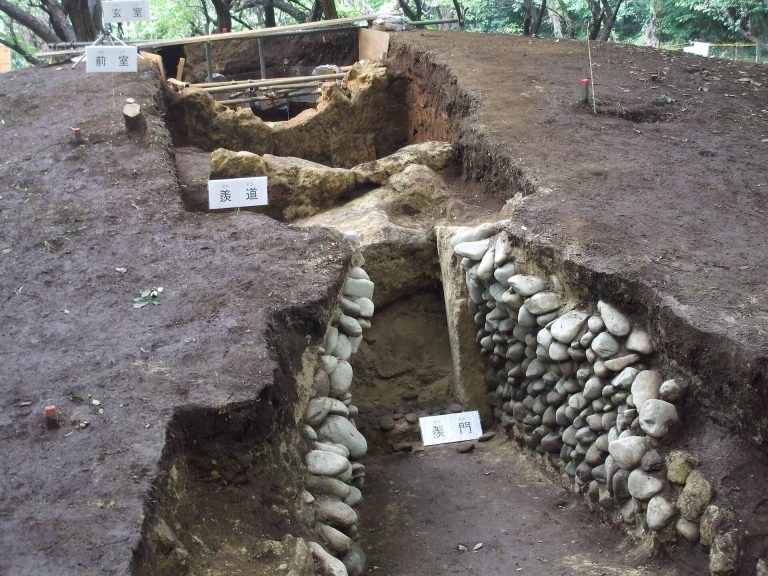
Tenmondai-Kōnai Kofun is a seventh-century burial mound in Mitaka, Tokyo, known for its rare square-base circular form and multiple-room horizontal…
Hinokuma Castle was a sixteenth-century hill castle beside the Mikuma River in Hita, Japan. Built under the Toyotomi regime, it became a contested…
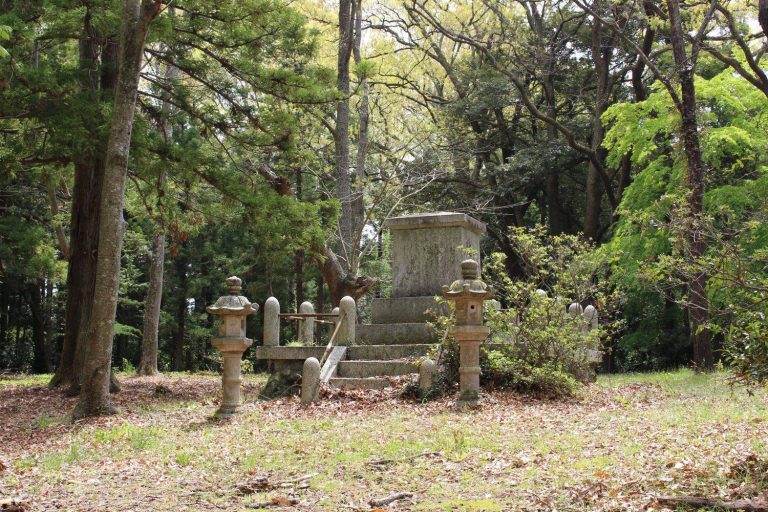
Jōurugami Kofun is a late sixth-century burial mound in Gose, Nara, associated with the Koseyama Kofun Cluster. Its large horizontal stone chamber…
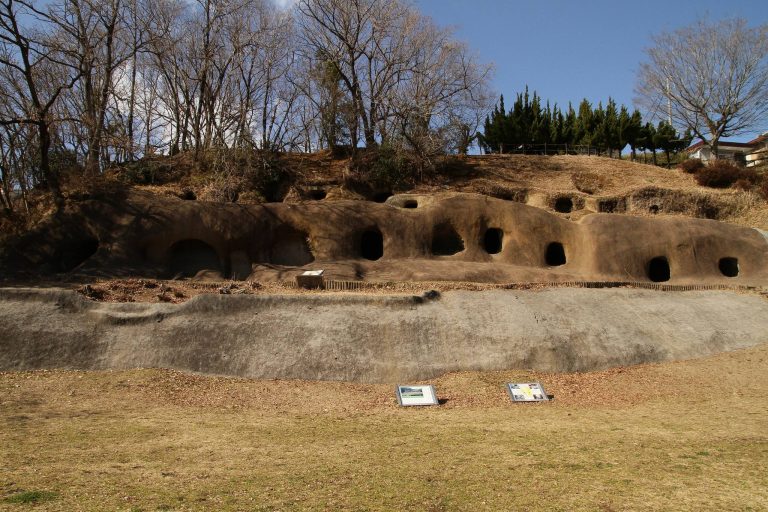
The Kashiya Cave Tombs in Shizuoka preserve part of a necropolis created from the late sixth to late eighth centuries, illustrating changing funerary…
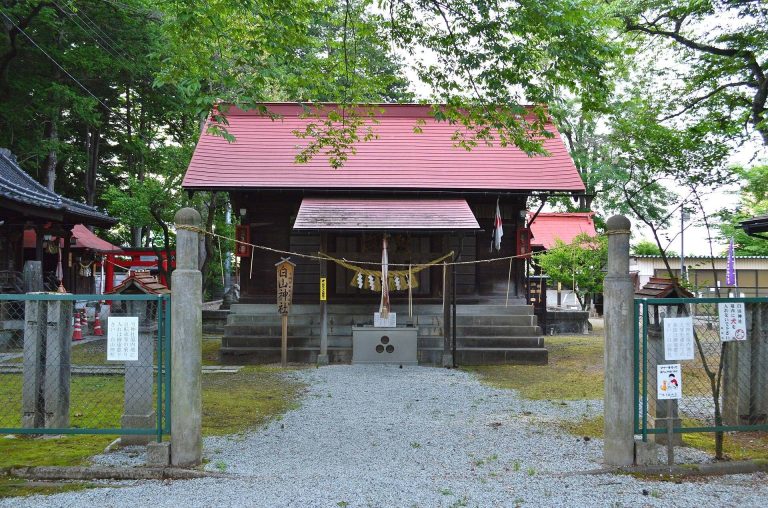
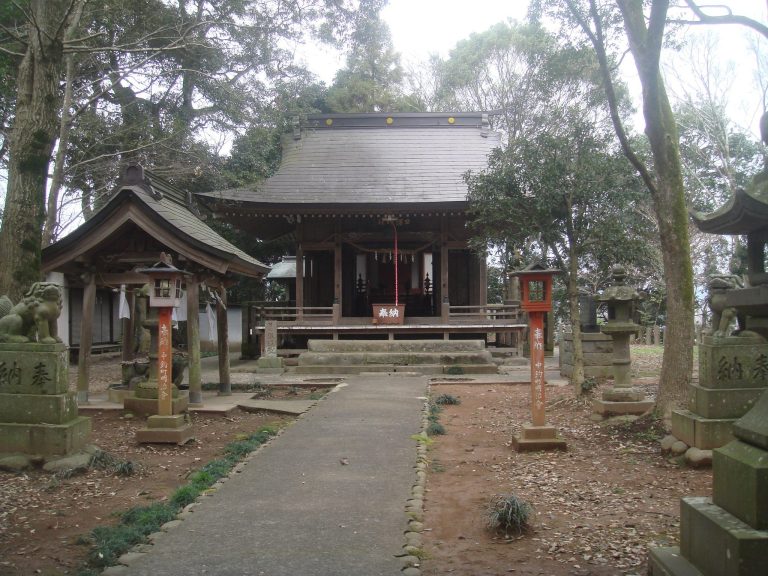
Kinoshita Hakusan Shrine stands within the precincts of Mutsu Kokubunji in Sendai. Its history is linked to Hakusan worship, the Kokubun clan,…
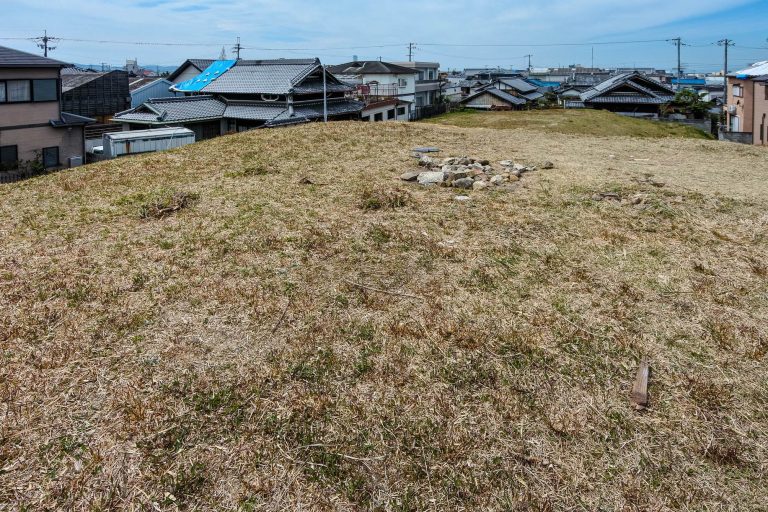
Maruyama Kofun is a late fourth-century burial mound in Kaizuka, Osaka. Its unusual haniwa, including a rare crown-shaped example, and its…
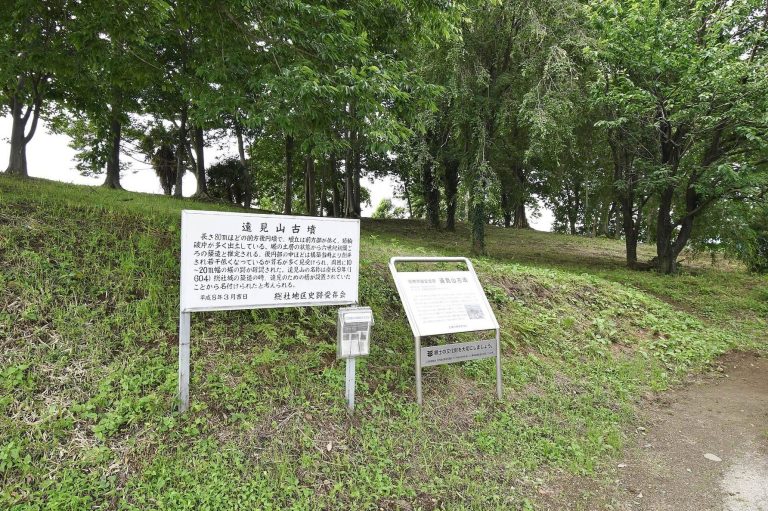
Tomiyama Kofun is the oldest known mound in the Sōja Kofun Cluster at Maebashi, offering evidence for the rise of the Sōja area as a political and…
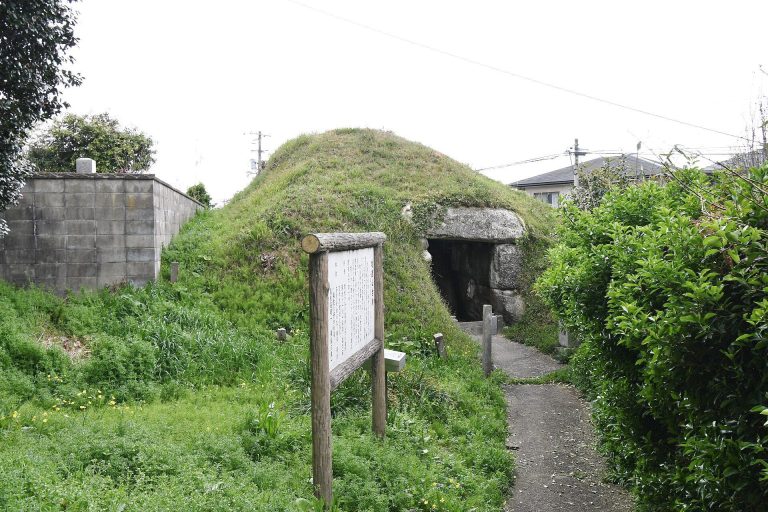
Kamienya Jizōyama Kofun is a seventh-century burial mound in Izumo’s Tsukiyama Kofun Cluster, known for its carved-stone chamber and two distinctive…
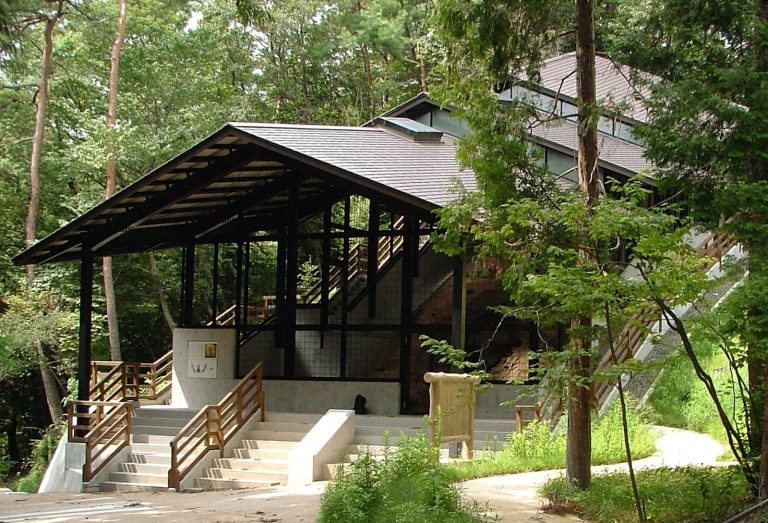
The Konagasō Pottery Kiln ruins in Seto, Japan, preserve a semi-underground medieval anagama kiln and evidence of its brief Edo-period reuse,…
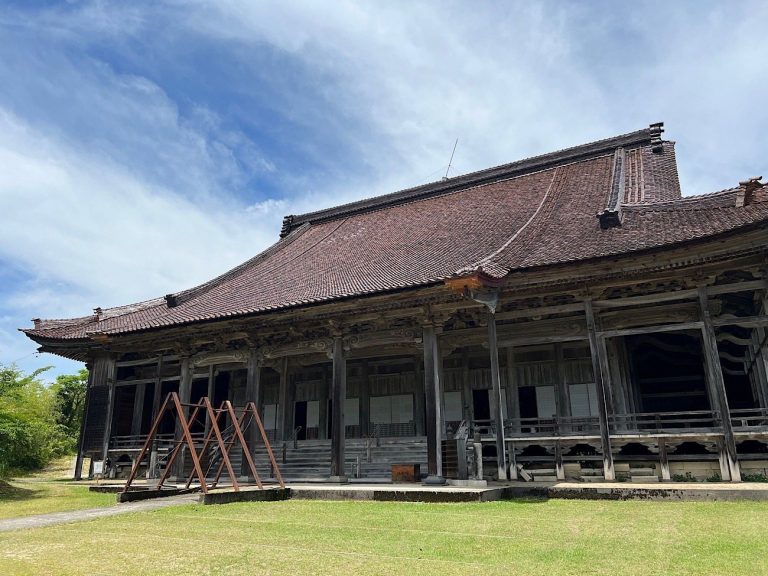
Matsuoka-ji Temple developed from fifteenth-century Jōdo Shinshū foundations in Kaga and became one of the Three Kaga Temples. Its history includes…
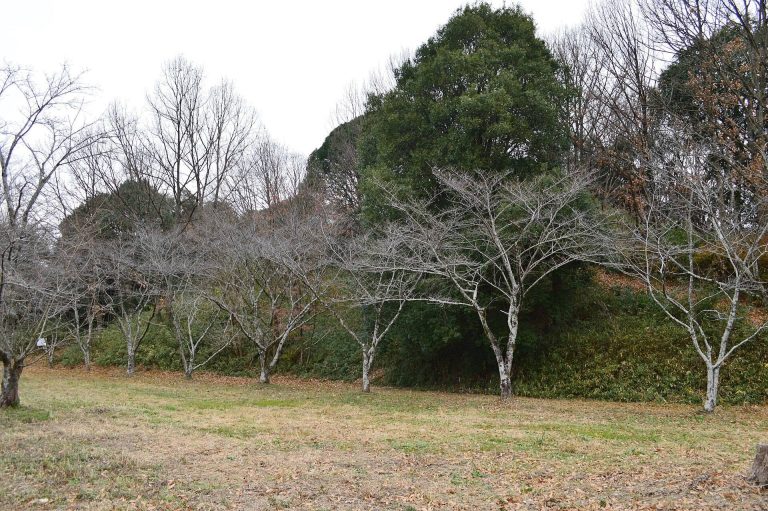
Nishinorikura Kofun is a large fifth-century burial mound in Tenri, Nara, and the second-largest mound in the Somanouchi Kofun Group. Its form,…
For details on how to use the maps, which sites are included, how popularity and ratings are determined, and how sites are classified, see the help page.
On this page6 sections
Timber keeps beside rivers and on mountain ridges
Inuyama Castle stands above the Kiso River. Its surviving main keep combines a broad lower structure with a smaller watchtower above. The exterior roof stages do not correspond directly to the internal floors, which accommodated storage, arms and upper chambers.
The tower preserves late-sixteenth-century fabric and alterations made under the Owari Tokugawa administration in the early seventeenth century. Much of the wider castle has disappeared, leaving the keep, stone walls and earthworks to indicate the former sequence of descending enclosures. Its cliffside setting protected one side while the castle extended towards lower ground on the other.
Bitchū Matsuyama Castle occupies a mountain ridge above Takahashi. Its compact two-storey keep belongs to a castle rebuilt in the seventeenth century under the Tokugawa governing order. Terraced enclosures descend from the summit, with walls fitted closely to the natural rock.
The keep, another two-storey tower and a short original wall survive alongside conserved remains. The lord’s principal residence and administrative buildings stood below the summit, separating daily government from the elevated stronghold. Modern repairs preserved the remaining timber structures after a period of abandonment.
Izumo and Yasaka: different shrine arrangements
The main sanctuary at Izumo Taisha was built in 1744. Its raised timber floor, heavy supporting pillars and large cypress-bark roof form a tall, compact structure inside successive fences. A steep covered stair approaches an entrance offset from the centre.
The sanctuary’s form belongs to a much older building tradition, but its standing timber has its own construction and repair history. Other halls within the precinct date from separate rebuilding campaigns. Their arrangement preserves different spaces for worship, ritual and the shrine’s administration.
At Yasaka Shrine in Kyoto, the principal building combines the sanctuary and worship hall beneath one large roof. Rebuilt in 1654 by order of the Tokugawa shogunate, it uses an arrangement influenced by Buddhist hall architecture. Gates, a performance stage, smaller shrines and storage buildings occupy the surrounding precinct. The large shared roof provides a markedly different structure from Izumo’s elevated, separately enclosed sanctuary.
Zenkō-ji’s deep timber hall
The present main hall of Zenkō-ji Temple in Nagano was completed in 1707. Its roof has a T-shaped ridge arrangement, with two major roof sections meeting at right angles. A surrounding lower roof gives the impression of a second storey, although the hall is structurally a single-storey building.
The interior extends through successive worship areas towards an innermost sanctuary. This unusually deep plan accommodates different degrees of access within the same timber building. The main hall survived the destructive earthquake and fires of 1847, while other structures in the temple precinct were rebuilt later.
The Great Buddha at Kōtoku-in
Kōtoku-in Temple in Kamakura preserves a monumental bronze image of Amitābha, associated with the casting begun in 1252. The hollow seated figure now stands outdoors. Large stones around it mark remains attributed to the hall that formerly enclosed the statue.
The bronze image and the lost timber hall have very different survival histories. Traces of gilding remain on the figure, while later repairs strengthened its structure and base after earthquake damage. The standing monument preserves the scale of a medieval sacred image even though its original architectural shelter has disappeared.
Goshikizuka’s reconstructed burial mound
Goshikizuka Kofun near Kobe was built around the late fourth or early fifth century. A square-fronted section joins a circular rear mound to form its keyhole plan. Three tiers rise above the surrounding moat, with stone facing on the slopes.
The modern presentation reconstructs the mound’s form using archaeological evidence. Replica cylindrical clay figures, called haniwa, line its terraces and summit. The occupant remains unidentified; the large burial monument is associated with the political world of the Yamato period without securely naming a particular emperor or local ruler.
Explore the collection
Explore the map or grid by country, primary function, site type and era. The civilization filter narrows the included Japanese historical groups, with additional choices for popularity and rating. Map icons show primary functions, and both markers and grid entries provide access to individual site articles.