Kinoshita Hakusan Shrine: A Shinto Shrine in Sendai
Site at a Glance
- Rating
- 4
- Popularity
- Very Low
- Country
- Japan
- Primary era
- Early Modern
- External website
- Open
- Eras represented
- Early Modern
- Civilizations
- Tokugawa
- Site type
- Religious
- Remains
- Sanctuary
On this page10 sections
History
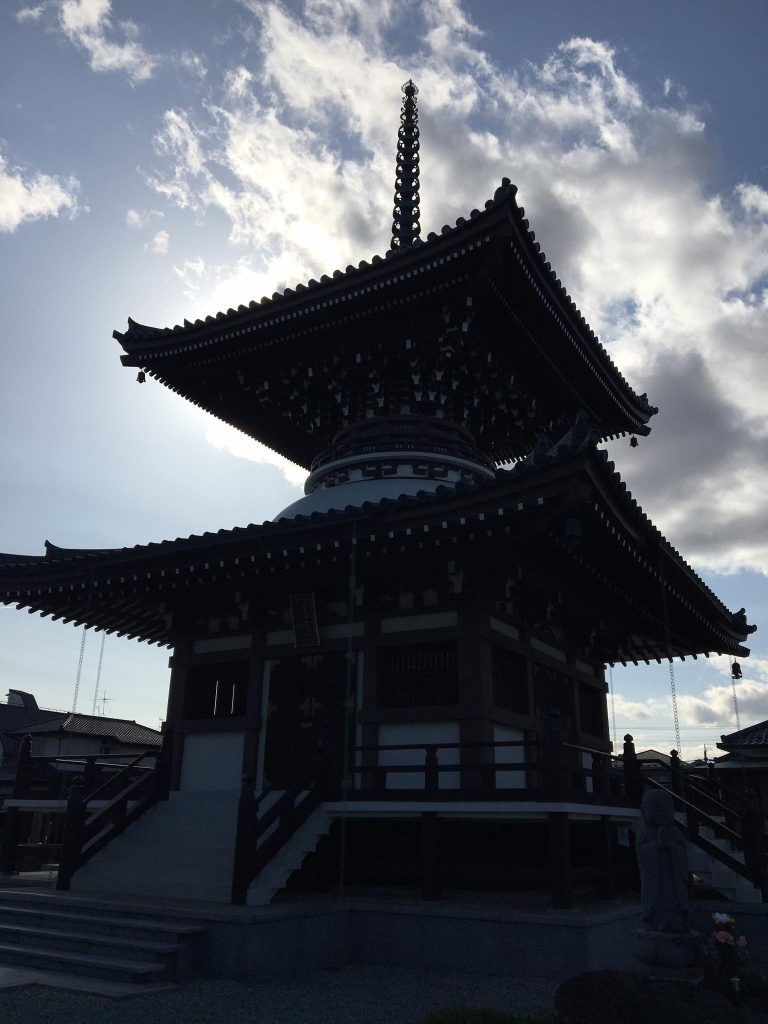
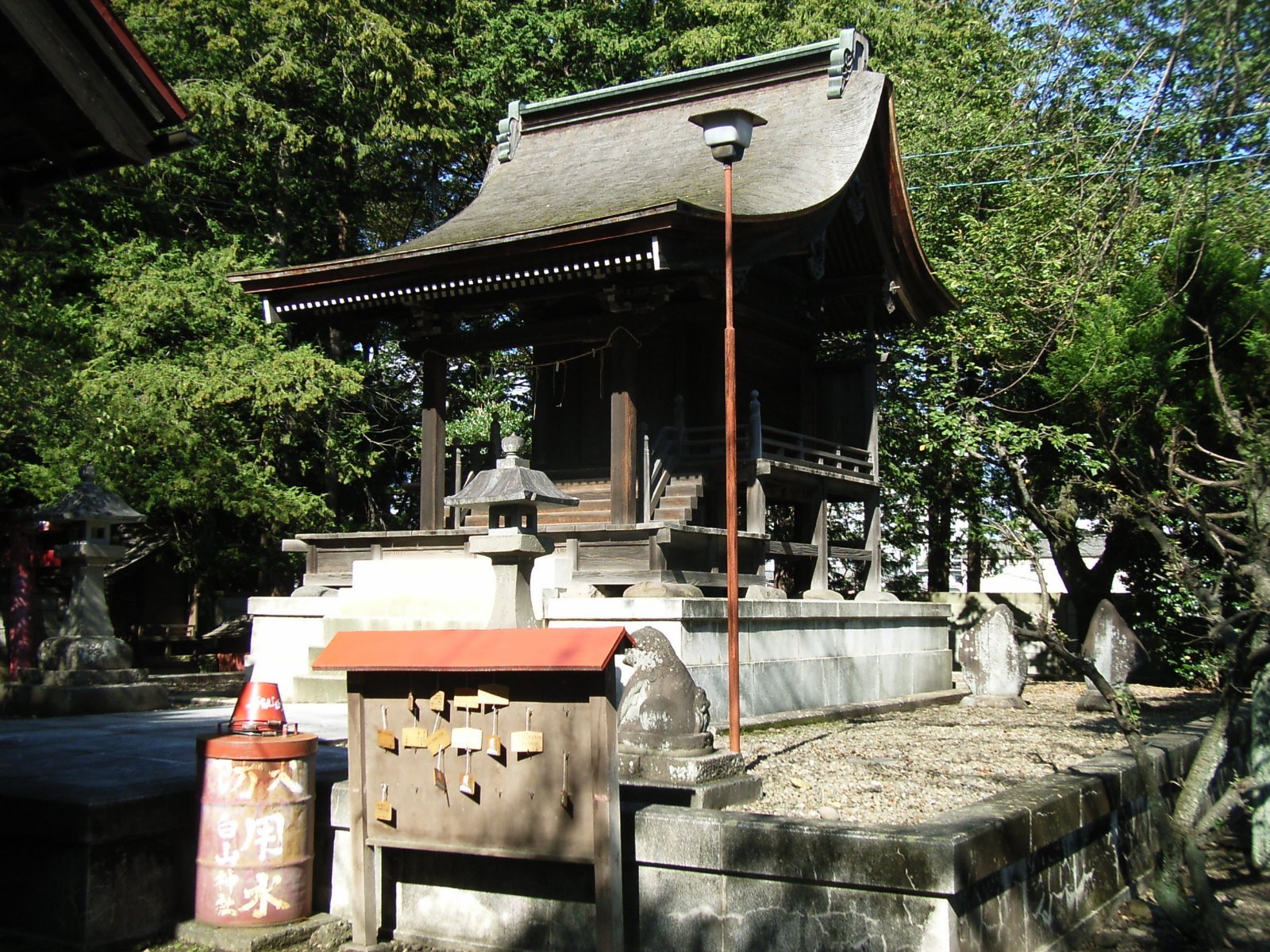
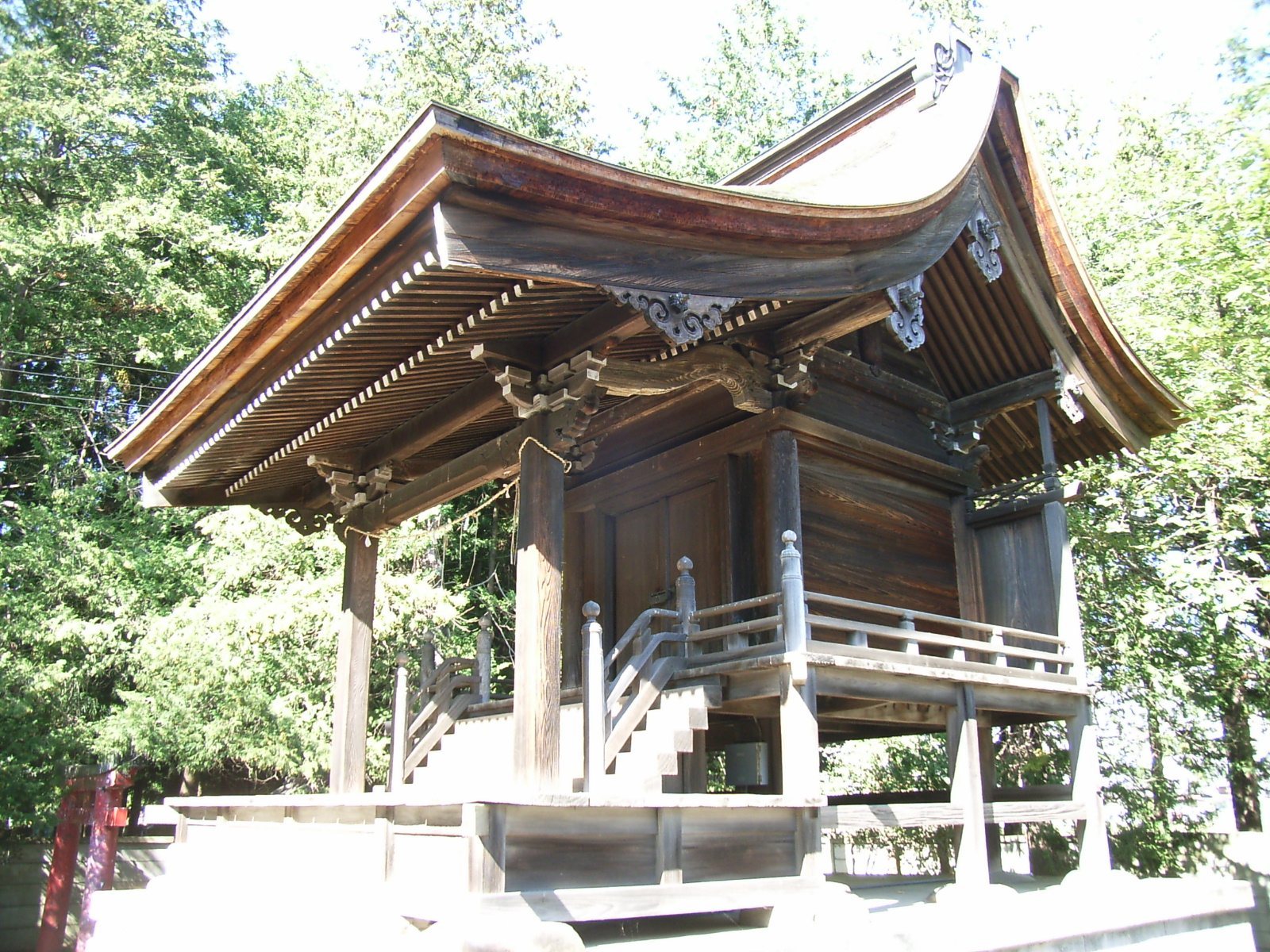
Kinoshita Hakusan Shrine is a Shinto shrine in Sendai, Japan, whose principal sanctuary was built in 1640 in the nagare-zukuri style, a traditional shrine form with a flowing roof. The shrine stands within the precincts of Mutsu Kokubunji, a provincial Buddhist temple established under the imperial government in the Nara period.
Origins and medieval tradition
The foundation date of Hakusan Shrine, also known as Kinoshita Hakusan Shrine, is unknown. Hakusan worship is a Japanese mountain-related religious tradition associated with Hakusan Hime Shrine in present-day Ishikawa Prefecture. Its principal deity is commonly identified as Kikuri-hime-no-kami.
Local tradition maintains that the shrine was already worshipped before Mutsu Kokubunji was founded and that its deity lent the land for the temple’s establishment. Another tradition holds that the shrine burned with the temple during the Oshu War of 1189, the conflict in which the imperial government extended its control over northeastern Japan. The shrine’s history cannot, however, be securely traced to that period.
The Kokubun clan and the Edo period
Hakusan Shrine appears in surviving records from the Edo period onward. Its protection by the Kokubun clan, regional lords during the Warring States period, is certain. Reconstruction during the Tensho era in the latter part of the sixteenth century is attributed either to Kokubun Munemasa or to Kokubun Morishige.
During the Edo period, former Kokubun retainers living across Sendai domain and townspeople from Kokubuncho and Futsukamachi served the shrine’s festivals. Tradition connects these two urban districts with communities relocated from the area around Mutsu Kokubunji and the shrine during the construction of Sendai. They consequently regarded Hakusan Shrine as their tutelary shrine.
The principal festival was held on the third day of the third month. Monks of Mutsu Kokubunji directed its proceedings, while former Kokubun retainers traveled from distant places to perform hereditary duties. The central rite was yabusame, ritual mounted archery in which riders shoot at targets while galloping.
From the middle of the Edo period, mounted archers came from the Morita, Kitame, and Tsurugaya families, all former Kokubun retainers. Members of the Horie family supervised the target. Participants began ritual abstinence on February 25, purified themselves by entering the sea, and then secluded themselves in the horse-ground headquarters of Mutsu Kokubunji.
Two farmers from Shimoayashi Village carried the target boards, while farmers from Nagakijo Village and Arai Village retrieved the arrows. On the festival morning, the target bearers entered the head monk’s quarters at Mutsu Kokubunji while armed and continued their duties until the next day. A former Kokubun retainer named Takahashi recited the norito, a formal Shinto prayer, and Horie raised a gold fan to signal three mounted archers to shoot in succession. The target was first a deer’s head and later a board made of Japanese cypress.
After the archery, young men from Nagamachi and Haramachi competed to seize the used target in an event called matohayai. The group that obtained it was believed to receive a good harvest. The ceremony then moved to the Yakushido of Mutsu Kokubunji. Monks wearing armor and holding drawn swords performed Taiheiraku, while shrine functionaries wore masks and performed the dances Ryo-o and Nasori.
The festival attracted large crowds, with sideshows and stalls around the grounds. Sendai-domain lords, including Date Tadamune, sometimes attended as spectators. Sendai Castle town generally prohibited theatrical and sumo performances, but six temporary grounds for sacred events were exempted, including Hakusan Shrine. In 1811, the wrestler Raiden Tameemon held a sumo performance there.
Modern changes and continuing worship
The main sanctuary was built by Date Tadamune, the seventeenth-century lord of the Sendai domain. In 1871, the shrine was classified as a village shrine, a village-level category in Japan’s modern shrine-ranking system. At the beginning of the Meiji period, it was the only shrine in Sendai and its vicinity ranked at that level or above, although the newly established Aoba Shrine was later designated a prefectural shrine.
The shrine’s yabusame continued until approximately the middle of the 1960s and is no longer performed. Its present annual festival takes place on the third Sunday of April, with Tanba-style Hakusan kagura, a ritual performance using music and dance, as its principal rite.
The sanctuary was dismantled and repaired in 1967 because of decay. It became a Miyagi Prefecture tangible cultural property on March 25, 1955, while two wooden bugaku masks were designated Sendai City tangible cultural properties on February 7, 2002. Bugaku is a court-derived Japanese performing art accompanied by instrumental music and often performed with masks.
Hakusan shrines are generally associated with Kikuri-hime-no-kami and regard Hakusan Hime Shrine in Kaga as their head shrine. An Edo-period theory proposed that Kinoshita Shrine had once been Shiwahiko Shrine and changed identity after its former name was forgotten, but the circumstances remain uncertain.
Remains
Shrine buildings and precinct layout
Main sanctuary
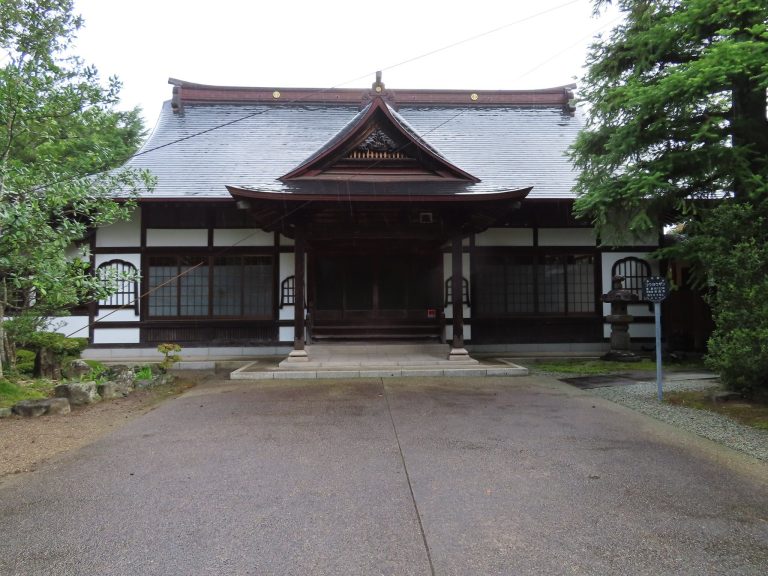
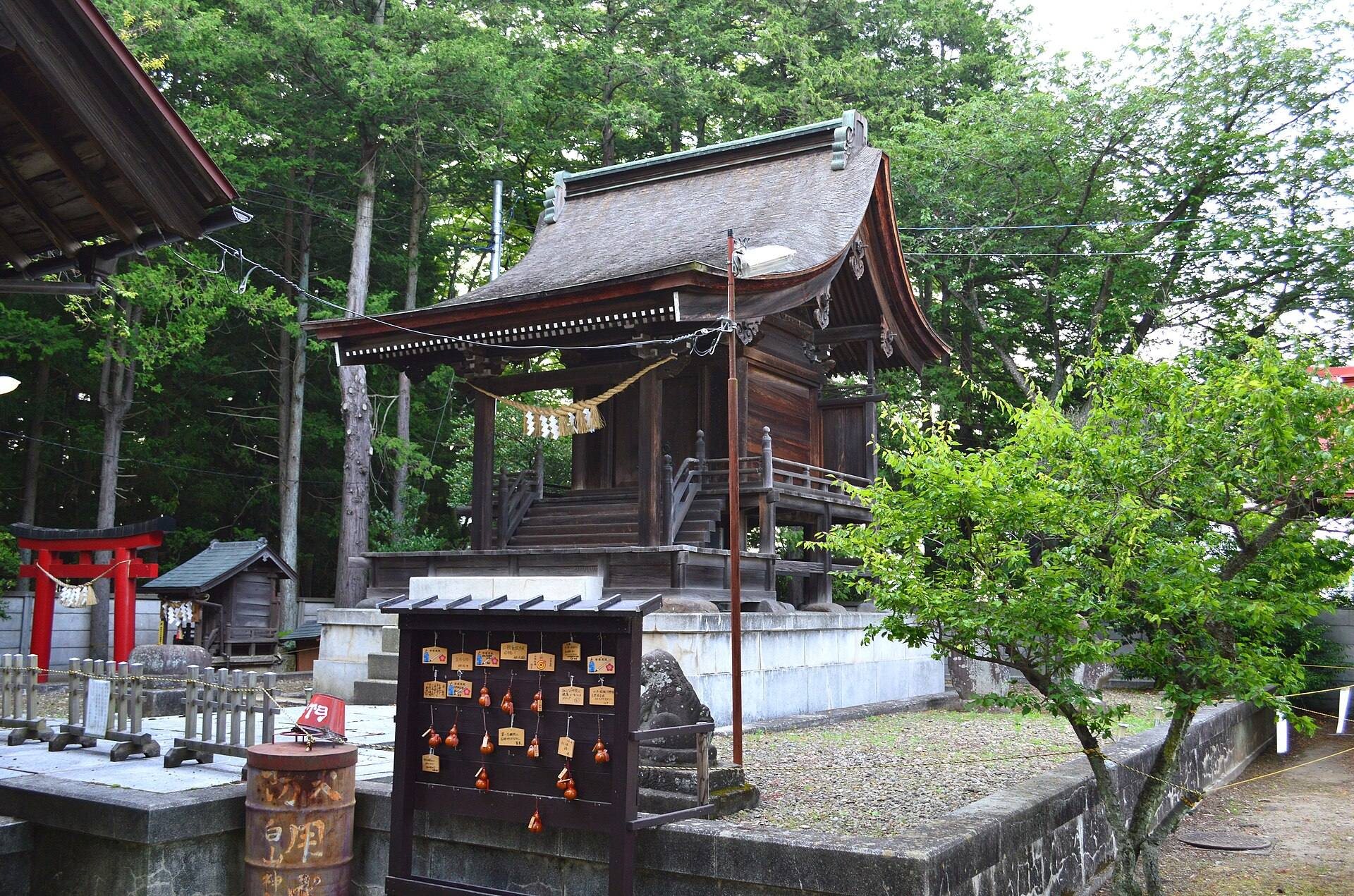
The main sanctuary is a one-bay nagare-zukuri building with a strongly curved roof covered in cypress bark shingles. Verandas extend across the front and along both sides. A projecting worship porch and a front platform complete its principal exterior features. The building was near its present position in the early Edo period, but it was apparently moved within the surrounding area afterward. For a time, it stood on the site of Mutsu Kokubunji’s former seven-story pagoda.
Worship hall and subsidiary shrines
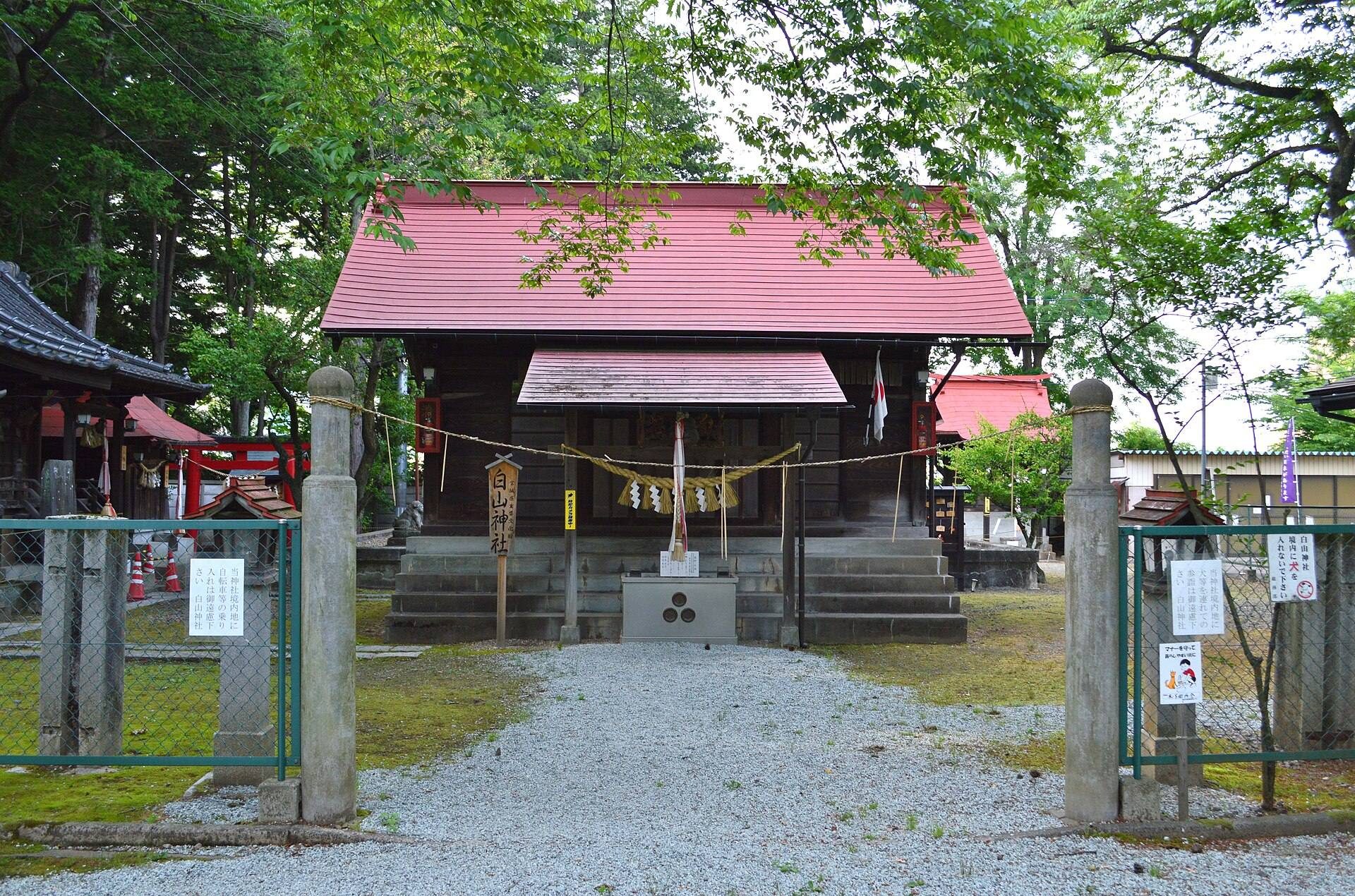
The sanctuary stands behind a worship hall with a gabled roof and an entrance facing the gable. A connecting offering hall existed between the two buildings during the latter half of the twentieth century and was later removed. Small subsidiary shrines are arranged on both sides of the sanctuary and worship hall. On the left when viewed from the front are Suga Shrine, Hachimangu, and Raijin Shrine, aligned toward the right. Farther back stands Inari Shrine, facing forward, while Tenmangu is positioned at the rear right and also faces forward.
Bugaku masks
Ryo-o and Nasori masks
The shrine’s two associated wooden masks represent Ryo-o and Nasori, named masked bugaku dances offered during the annual festival. They are traditionally said to have been transferred from Risshakuji in Yamagata and attributed to Gyoki, an influential Buddhist monk of the Nara period who was traditionally credited with religious foundations and public works.
The masks are now considered to date from between the Muromachi period and the beginning of the Edo period rather than from Gyoki’s lifetime. Their surfaces show partial losses, flaking, and later additions. They are described as the only surviving traditional bugaku masks in Sendai.