Danish Historic Sites: Explore Castles, Cathedrals and Denmark–Norway Fortresses
Explore more than 200 sites associated with Danish history and Denmark–Norway, including royal residences, fortified manor houses, cathedrals and artillery works. The collection extends beyond modern Denmark into Norway, Sweden, Germany and Estonia. Buildings in these countries retain their own local histories, including periods when their towns or regions belonged to different kingdoms.
Castles and churches account for much of the collection, but their forms vary considerably. Some castles are compact residences with defensive entrances; others combine court rooms with extensive ramparts. The examples below also include a cathedral assembled through successive building campaigns and fortresses whose designs responded to very different ground conditions.
Primary Function: All
Type: All
Civilization: All
Country: All
Popularity: All
Rating: All
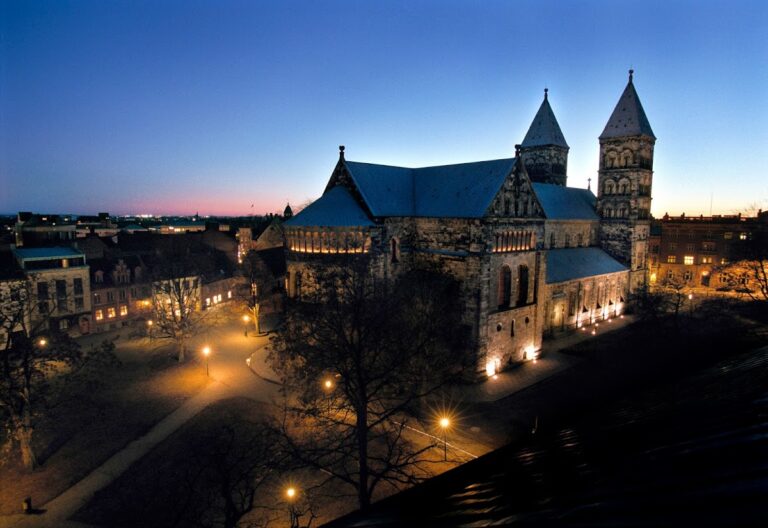
Lund Cathedral developed from an 11th-century Catholic foundation into the seat of the medieval archbishopric for the Nordic countries. Its…
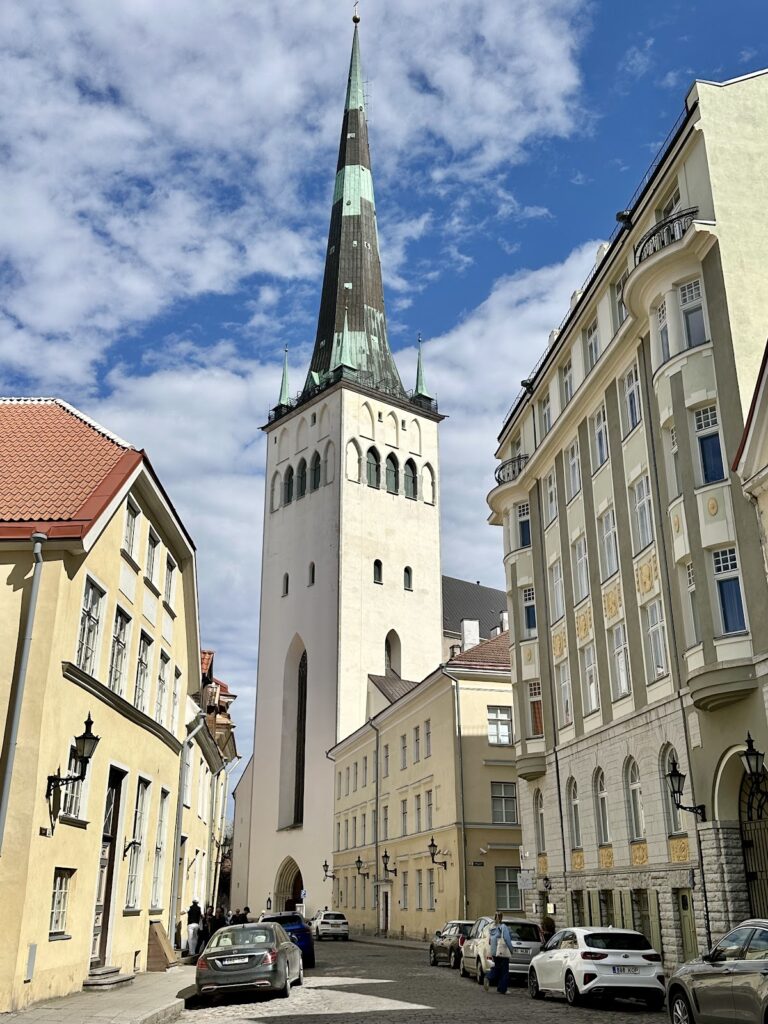
St. Olaf's Church in Tallinn developed from a medieval Scandinavian merchants' parish into a major Lutheran and Baptist center. Its Gothic…
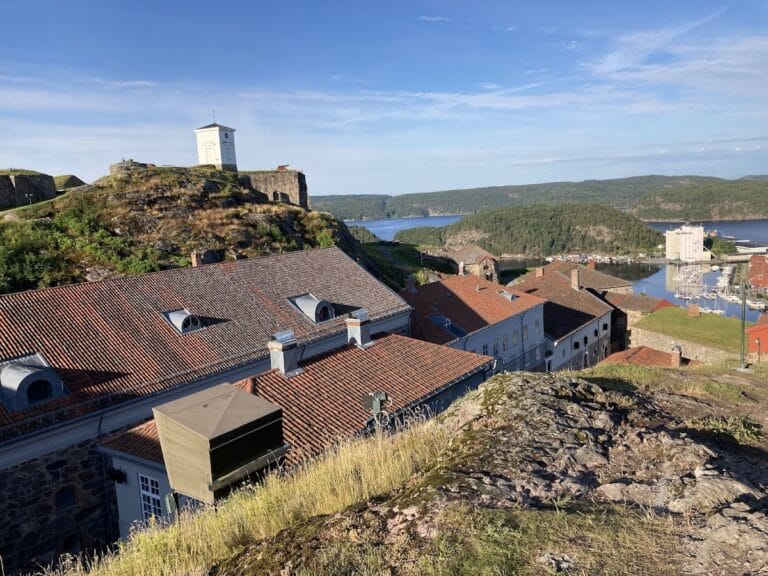
Fredriksten is a seventeenth-century military fortress in Halden, Norway, built by Denmark–Norway and shaped by conflicts with Sweden from 1658…
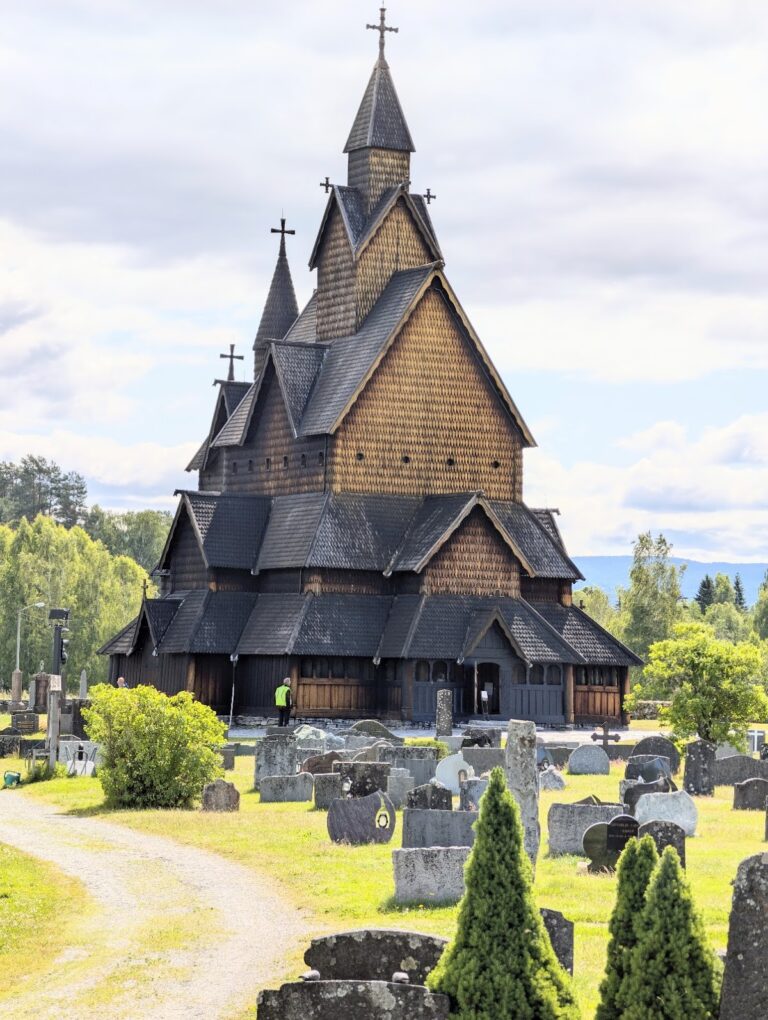
Heddal Stave Church in Notodden is a medieval wooden parish church traditionally dated to around 1200. It remains an active church and preserves…
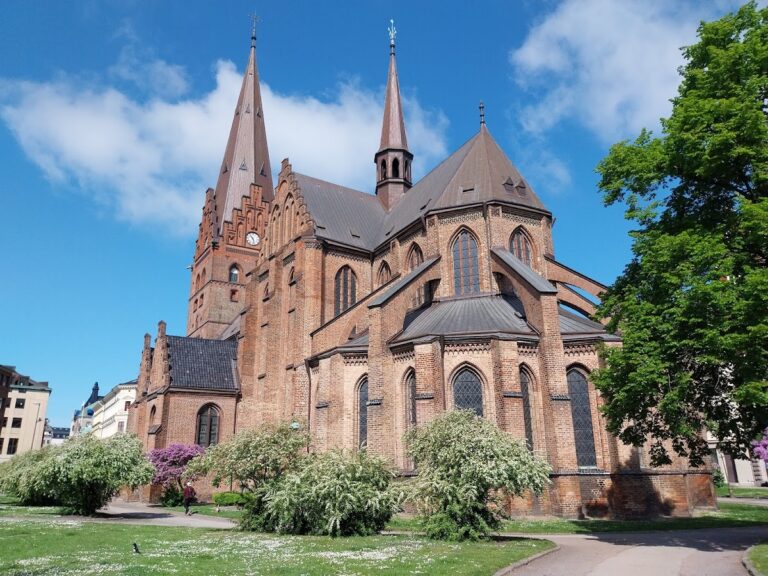
Saint Peter’s Church is Malmö’s oldest church and oldest surviving building, tracing its origins to the early fourteenth century. Its Gothic brick…
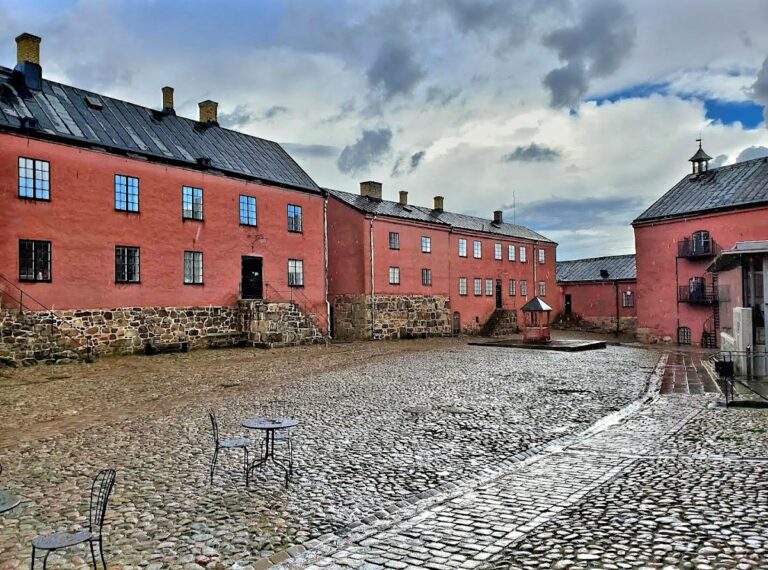
Varberg Fortress in Sweden developed from a medieval stronghold into a Danish early-modern fortress, later serving as a prison and museum. Its…

Rakvere Castle developed from a prehistoric stronghold into a Danish and Livonian Order fortress, a Russian frontier base, and a Swedish military…
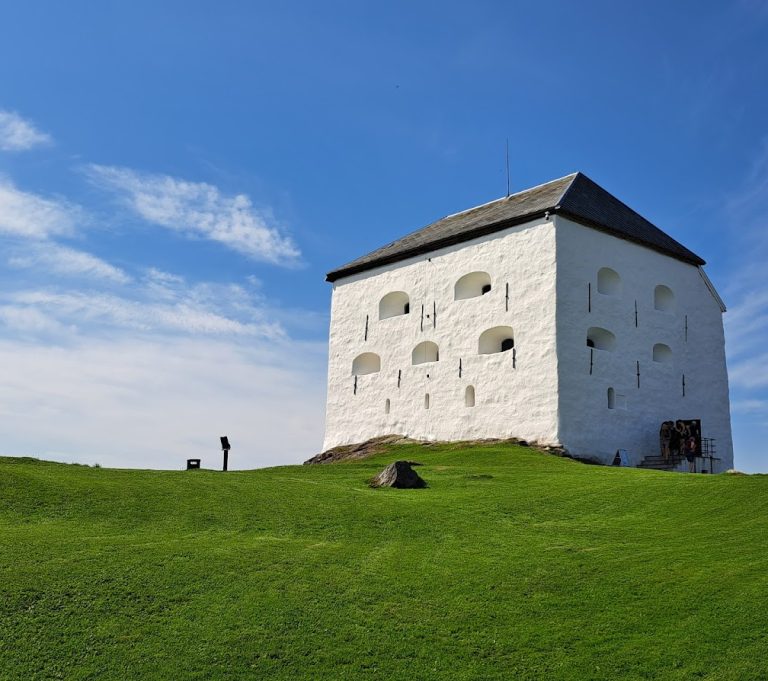
Kristiansten Fortress was built after Trondheim’s 1681 fire to defend the city from attacks from the east. It later played a role in the 1718 Swedish…
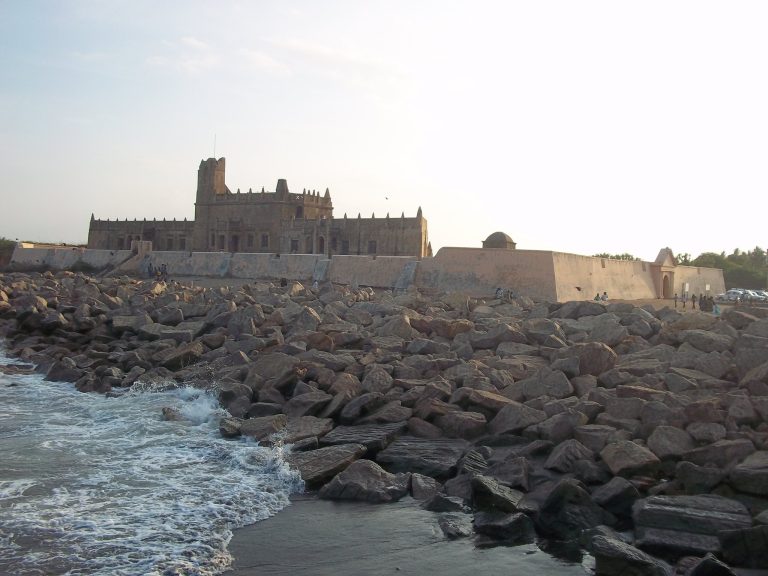
Fort Dansborg in Tharangambadi was built in 1620 as the headquarters of the Danish settlement on the Coromandel Coast. It later housed a Protestant…
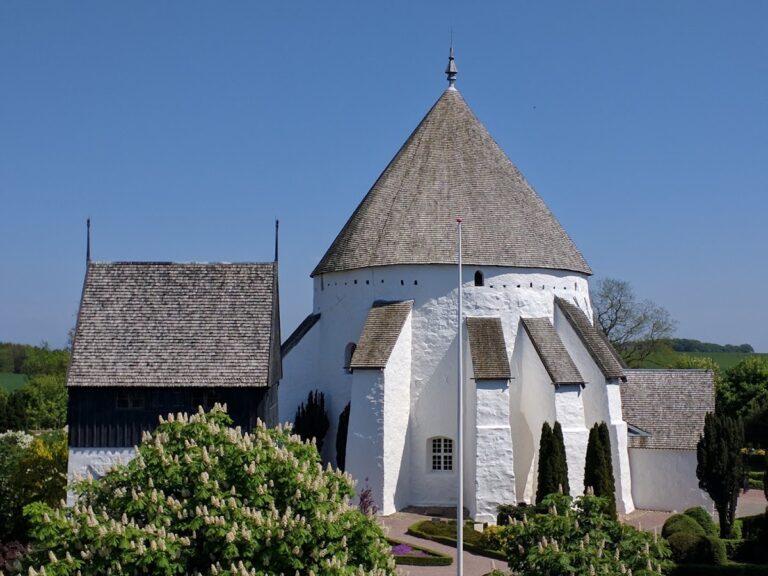
Østerlars Church on Bornholm is Denmark’s largest medieval round church, combining religious use with defensive spaces, Romanesque masonry, medieval…
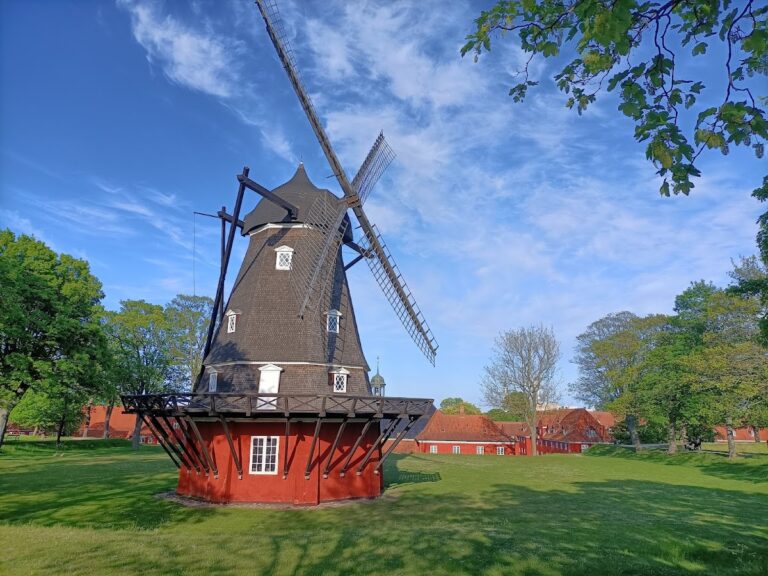
Kastellet is a seventeenth-century citadel in Copenhagen, Denmark, developed from coastal defenses into a pentagonal fortress. It remains an active…
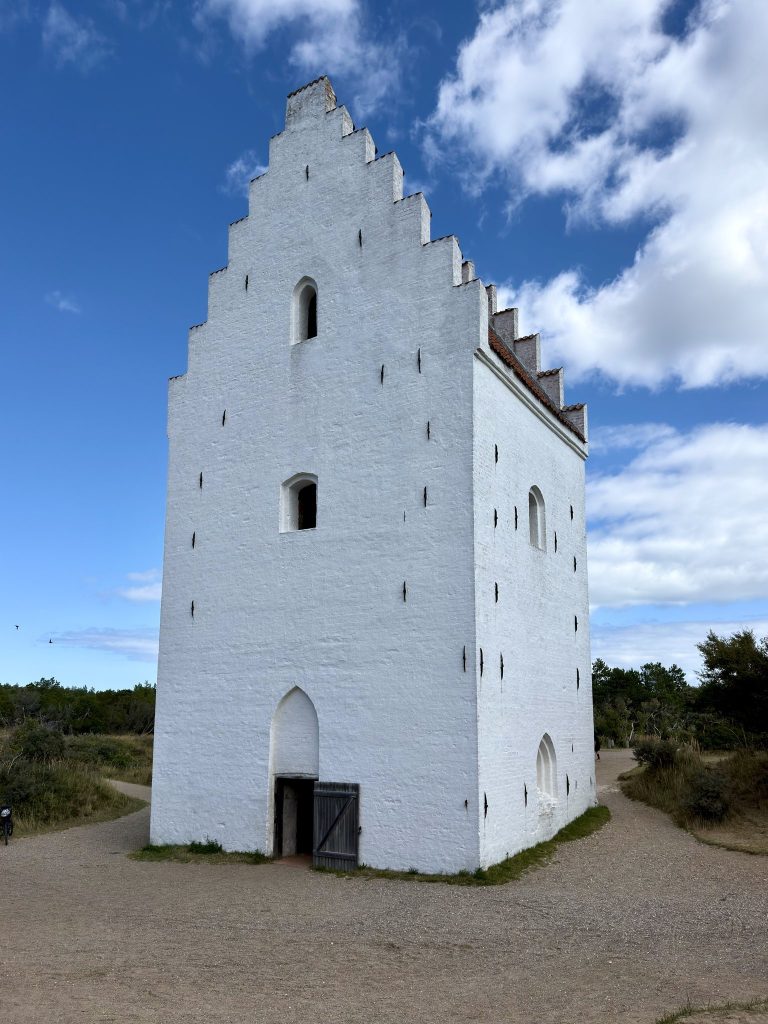
The Sand-Covered Church near Skagen was a late fourteenth-century Catholic church dedicated to Saint Lawrence. Advancing sand buried the surrounding…
For details on how to use the maps, which sites are included, how popularity and ratings are determined, and how sites are classified, see the help page.
On this page6 sections
Royal rooms at Rosenborg
Rosenborg Castle, Copenhagen, began as Christian IV’s summer residence in the early seventeenth century. The building was enlarged and raised in stages, acquiring towers and a stair turret around its principal residential block. Its moat and garden setting frame a compact palace rather than a sprawling fortified settlement.
The Long Hall occupies the upper floor. Originally intended for dancing, it later served for royal receptions and banquets. This change of use is legible within an interior arranged for gatherings on a scale quite different from the private rooms below. The castle’s sequence of additions also explains why its towers and roofline are more elaborate than those of the first residence.
Danish castles in present-day Sweden
Malmö Castle preserves a Renaissance royal stronghold built when the town belonged to Denmark. A moat, ramparts and large corner towers formed its sixteenth-century defences. Firing galleries linked the principal building to the surrounding works, joining accommodation and military protection within one complex. Later prison use and conversion into a museum substantially changed parts of the courtyard.
Glimmingehus presents a more concentrated design: a tall rectangular stone residence on a moated island in Skåne. Four storeys fit within thick masonry walls. Defended openings and controlled circulation made the single building itself the principal stronghold. Its smaller footprint provides a useful comparison with Malmö’s larger combination of royal residence and perimeter defences.
Ribe Cathedral’s changing materials
Ribe Cathedral, Denmark, combines imported stone with later brick construction. Its Romanesque church used tufa brought from Germany, reflecting the difficulty of obtaining suitable local building stone. Semicircular arches and the older basilica arrangement remain important parts of its architectural character.
Repairs and enlargement after fire introduced substantial brickwork and Gothic vaulting. The expanded aisles and differing upper structures preserve those changes. Carved figures and reliefs decorate the Cat’s Head Portal, adding detailed stone sculpture to the cathedral’s surviving architecture.
Copenhagen’s bastioned citadel
Kastellet forms a five-bastioned earthwork within Copenhagen’s former defensive system. Its low, spreading layout belongs to artillery warfare. The projecting bastions allowed defenders to cover adjoining stretches of the perimeter, while the enclosed area accommodated the garrison’s buildings.
The King’s Gate faces the city and the Norway Gate the outer approaches. Both combine formal architectural treatment with guarded access through the defensive circuit. Rebuilding in the early 1660s followed the Swedish siege of Copenhagen. The resulting citadel connected protection of the capital and harbour with a carefully organised military enclosure.
Kristiansten above Trondheim
Kristiansten Fortress, Norway, was built after Trondheim’s fire of 1681, during the Denmark–Norway period. Its hilltop position addressed an exposed eastern approach to the town. The dominant building is a four-storey artillery tower containing fighting positions, quarters and storage.
Walls and additional defensive works developed around this central tower. Unlike Copenhagen’s broadly spreading bastions on lower ground, Kristiansten depends on an elevated site and a compact central strongpoint. The comparison shows how fortifications serving the same monarchy could take different forms according to the terrain and the approaches they needed to defend.
Explore the collection
Explore sites on the map or in the grid. Map icons reflect each site’s primary function, helping you identify different kinds of places at a glance. Narrow the results by country, primary function, site type or era, or filter by civilization within this collection, with additional filters for popularity and rating. Select a map marker to view the site’s details and open its article, or open the article from its grid entry.