Historic Sites in Thailand: Explore Temples, Royal Palaces and Kilns
Thailand’s historic sites include Khmer sanctuaries, the Buddhist monuments of Sukhothai and Ayutthaya, royal residences and pottery-production remains. Their buildings reflect several kingdoms and religious settings across modern national borders. The collection explains both the structures that survive and the later restoration that has made many archaeological plans easier to follow.
Primary Function: All
Type: All
Civilization: All
Popularity: All
Rating: All
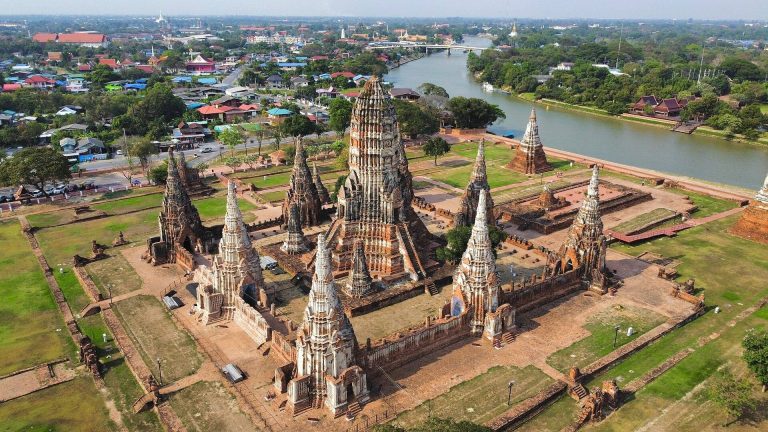
Wat Chaiwatthanaram is a seventeenth-century royal temple founded by King Prasat Thong in 1630. Its brick ruins preserve an elaborate Buddhist…
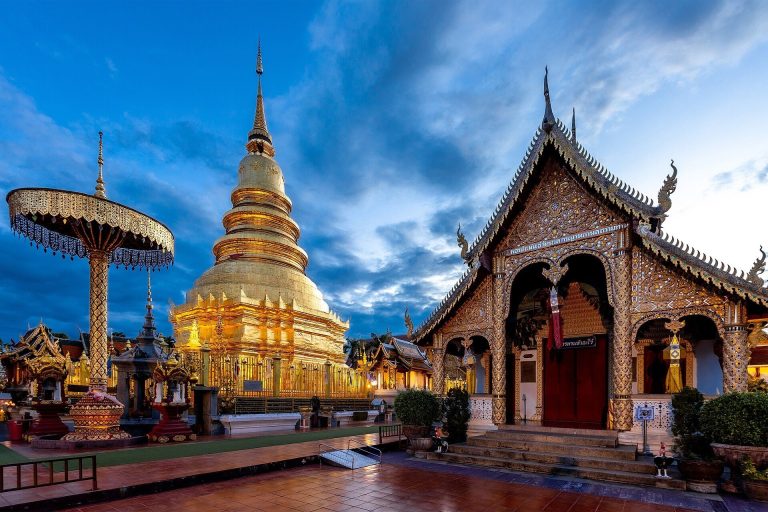
Wat Phra That Hariphunchai is a major Theravada Buddhist royal temple in Lamphun, associated with the ancient Mon kingdom of Hariphunchai and later…
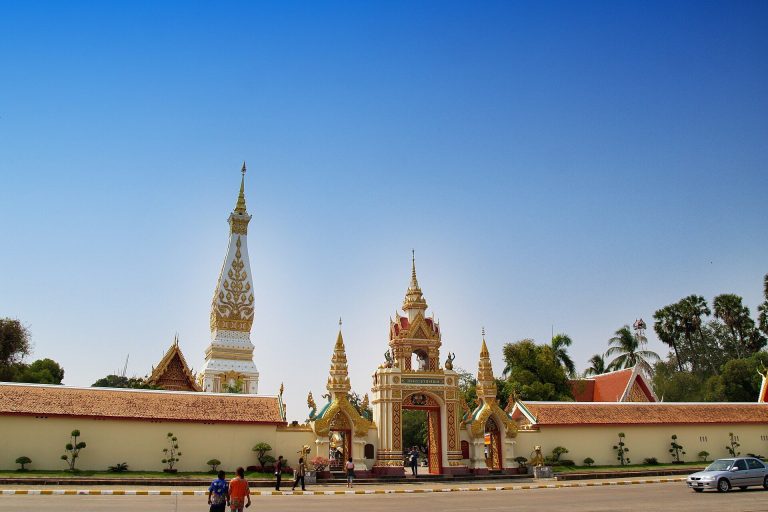
Wat Phra That Phanom is a major Theravada Buddhist shrine near the Lao border, centered on a stupa traditionally believed to contain a relic of the…
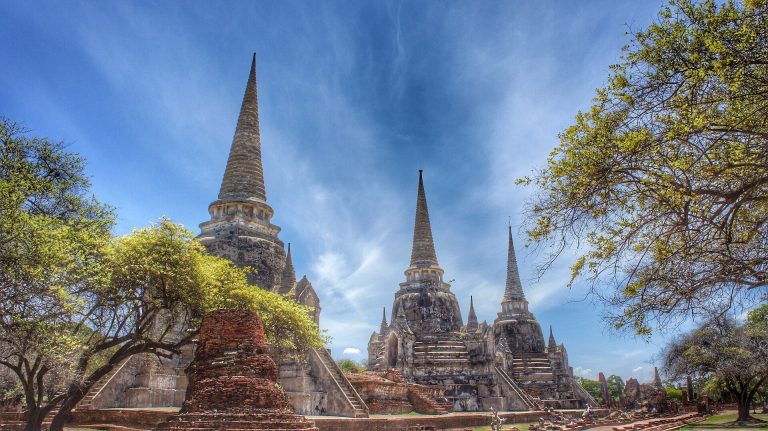
Wat Phra Sri Sanphet was Ayutthaya’s royal temple, reserved for state ceremonies and centered on three restored chedis. Its ruins preserve the layout…
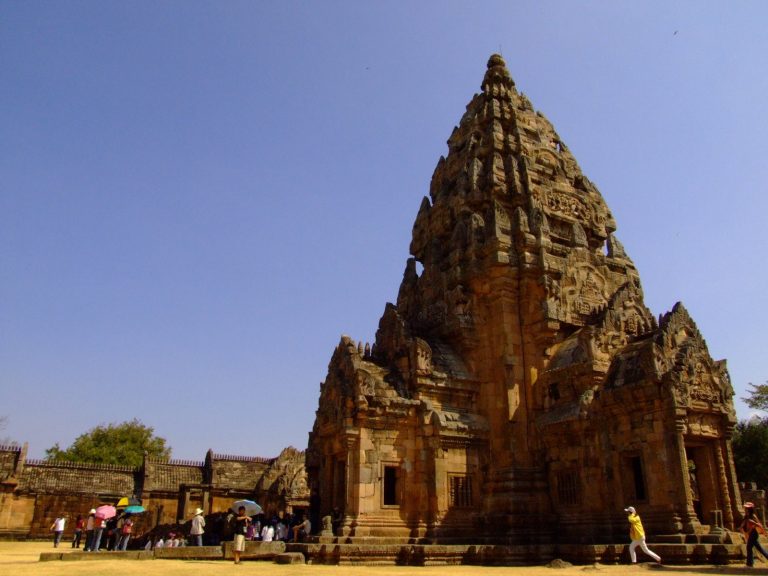
Phanom Rung Historical Park is a Khmer temple complex in Buriram Province, developed between the 10th and 13th centuries as a Shaivite sanctuary and…
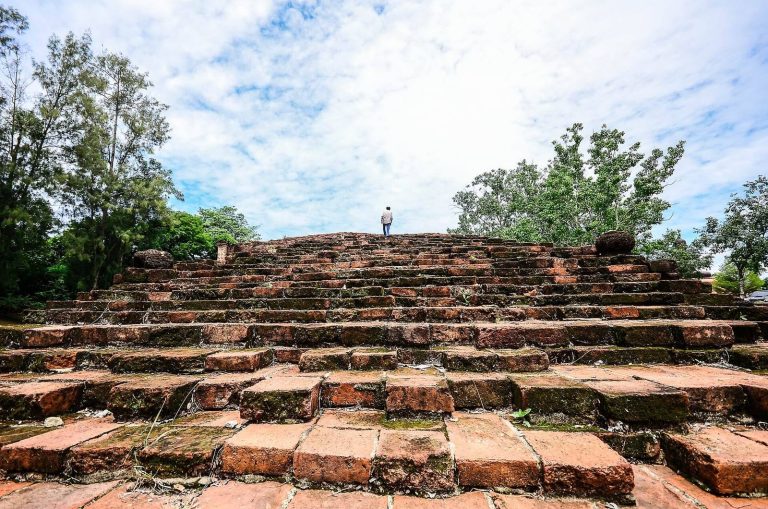
Khu Bua was a major Dvaravati center associated with Buddhist traditions and regional trade. Its moats, earthen ramparts, brick religious buildings,…
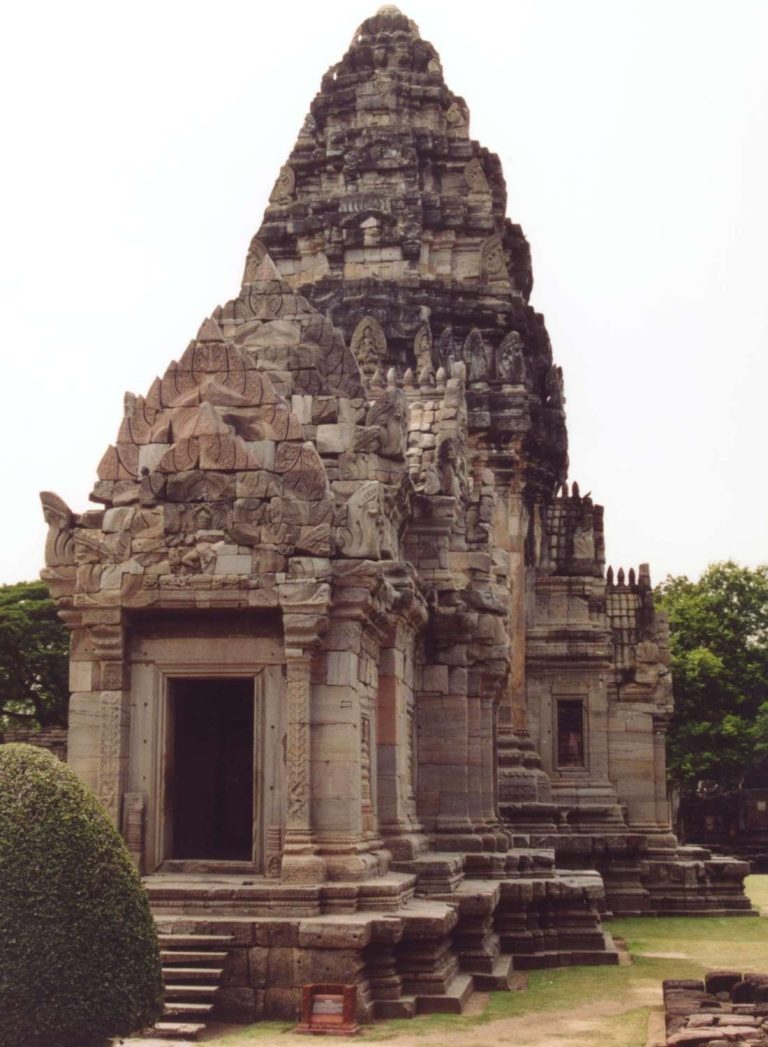
Phimai Historical Park preserves the ancient Khmer city of Vimayapura and Prasat Hin Phimai, a major temple complex connected to the road and…
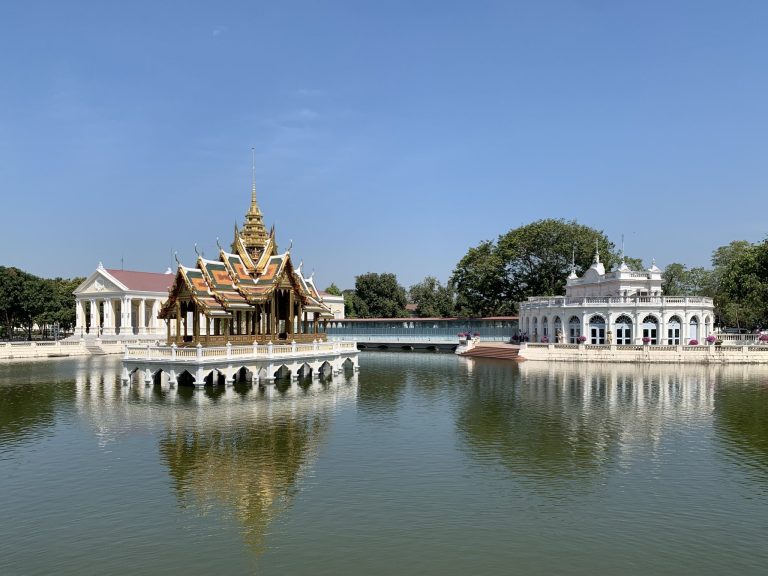
Bang Pa-In Royal Palace in Thailand began as an Ayutthaya royal residence in 1632 and was revived in the nineteenth century with Thai, Western, and…
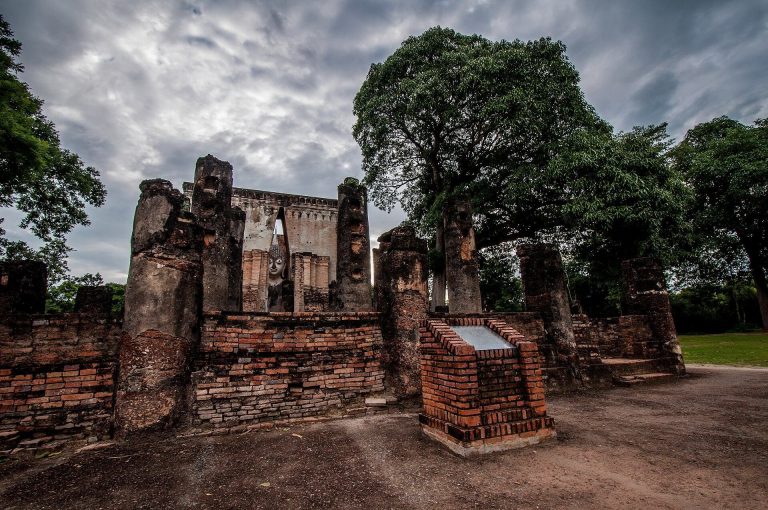
Wat Si Chum is a Sukhothai-period temple ruin known for its monumental Phra Atchana Buddha, double-walled mandapa, Buddhist slate panels, and…
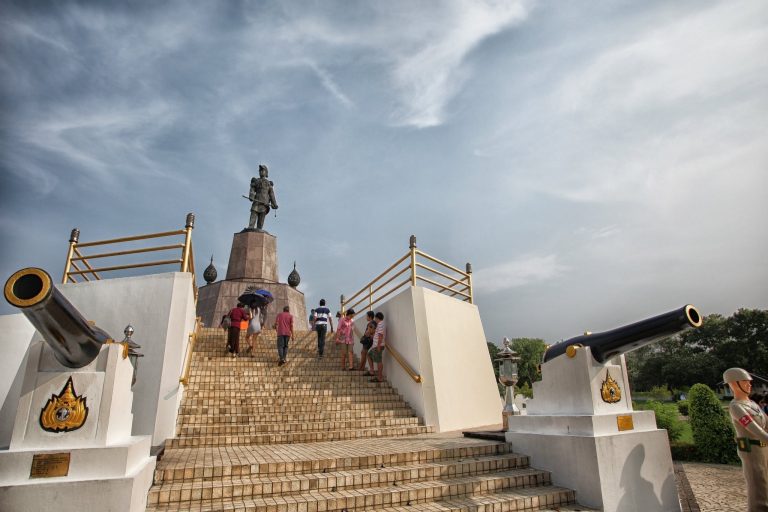
Chulachomklao Fort is a late nineteenth-century Siamese coastal fortress built with Western artillery technology. Its history includes the 1893…
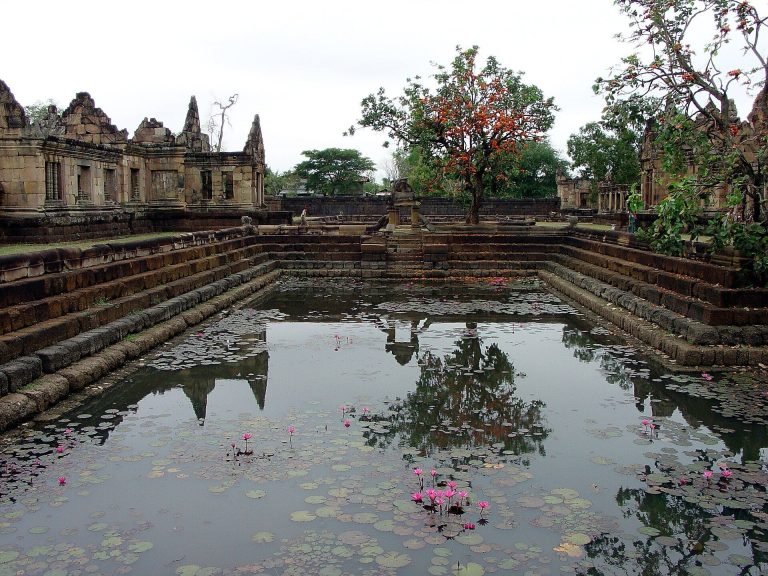
Prasat Muang Tam is an eleventh-century Khmer Hindu temple in Buri Ram Province, Thailand, known for its concentric plan, surrounding ponds, brick…
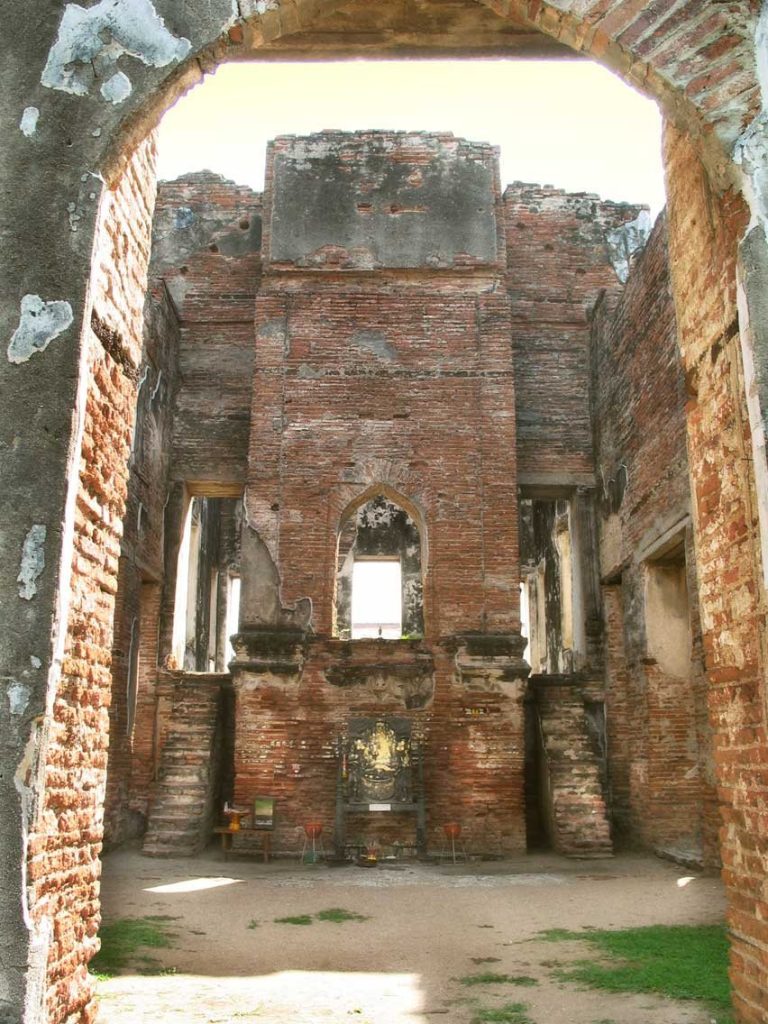
King Narai's Palace in Lopburi was a major royal residence of the Ayutthaya Kingdom, later restored by King Mongkut and incorporated into the Somdet…
For details on how to use the maps, which sites are included, how popularity and ratings are determined, and how sites are classified, see the help page.
On this page4 sections
Khmer sanctuaries at Phanom Rung and Phimai
Phanom Rung occupies the summit of an extinct volcano in northeastern Thailand. An extended approach, stairways and bridges with naga-serpent balustrades lead toward its central sanctuary. Built in successive phases, the complex served Hindu worship associated with Shiva.
Its rising processional route made the terrain part of the architecture. Sandstone doorways, reliefs and towers mark stages in the approach, while the temple’s setting above the surrounding plain contributes to the relationship between mountain and sanctuary.
Phimai combines a major Khmer temple with remains of an enclosed town. Galleries and gateways organize the temple around its central sanctuary. Its main orientation is toward the south, in the direction of the route to Angkor, rather than the eastward alignment common at many Khmer temples.
The site’s Buddhist history distinguishes it from Phanom Rung’s principal Hindu dedication. Both belong to the wider Khmer architectural world, but their religious use and individual development require separate explanation.
Buddhist monuments at Sukhothai and Ayutthaya
At Wat Si Chum, Sukhothai, a monumental seated Buddha fills a square masonry chamber. The original roof has disappeared, leaving the image open to the sky. Thick enclosing walls and a narrow internal stair passage survive around it.
The relationship between the image and its chamber is the central architectural feature: the Buddha occupies much of the interior and is framed by the entrance. The adjoining hall survives less completely, so foundations help explain the wider temple arrangement.
Wat Chaiwatthanaram, founded at Ayutthaya in 1630, uses a different composition. A tall central prang, or tower, stands with smaller corner towers on a raised platform. Surrounding chapels and the remains of a connecting gallery define the sacred enclosure.
The gallery has lost much of its superstructure, while the central towers remain prominent. Its plan connects Ayutthaya Buddhist architecture with forms developed in the region’s earlier temple traditions.
King Narai’s Palace at Lopburi
King Narai’s Palace was built in the seventeenth century as a royal residence in Lopburi. Walled divisions separate outer, central and inner areas. The outer courts contain the remains of water installations, storehouses and elephant stables, showing some of the practical facilities needed to support a royal household.
The complex includes buildings from later periods as well as Narai’s reign. Its site article distinguishes those additions from the ruined seventeenth-century structures and explains how residence, storage and state business occupied different parts of the enclosure.
Pottery production at the Thuriang Kilns
The Thuriang Kilns, outside Sukhothai’s old city, preserve a district devoted to pottery production. Surviving kiln remains include firing chambers, spaces for the pottery and outlets that carried hot air toward a chimney.
Their construction controlled the movement of heat through the kiln. These industrial remains add evidence of manufacture to a collection otherwise rich in royal and religious buildings. Use the map and individual articles to explore each site’s plan, surviving fabric and historical setting.