Bang Pa-In Royal Palace: A Thai Royal Summer Residence
Site at a Glance
- Rating
- 4.5
- Popularity
- Medium
- Country
- Thailand
- Primary era
- Modern
- Eras represented
- Early Modern, Modern
- Civilizations
- Unclassified
- Site type
- Domestic
- Remains
- Palace
On this page13 sections
History
Bang Pa-In Royal Palace is a former royal summer residence in Thailand, beside the Chao Phraya River in Bang Pa-In District, Ayutthaya Province. King Prasat Thong of Ayutthaya ordered its original construction in 1632. The palace served the kings of Ayutthaya until the kingdom fell in 1767.
From Ayutthaya foundation to royal revival
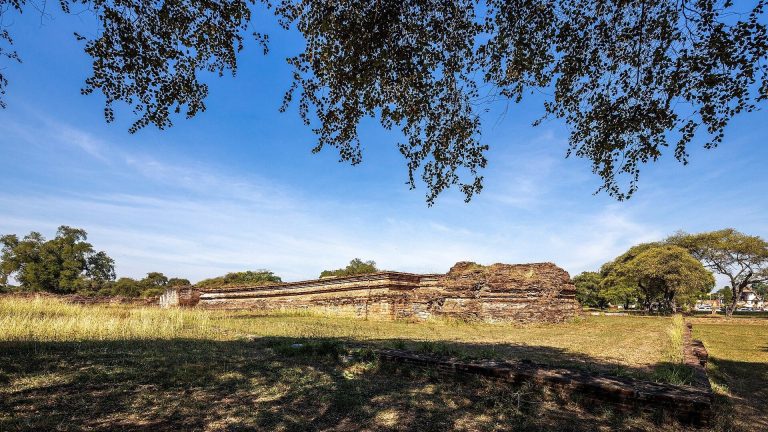
After the fall of Ayutthaya, the complex fell into disuse and became overgrown during the late eighteenth and early nineteenth centuries. King Mongkut, or Rama IV, who ruled from 1851 to 1868, began restoring Bang Pa-In during the nineteenth-century revival of royal building activity.
Most of the buildings visible today were constructed between 1872 and 1889 under his son and successor, King Chulalongkorn, or Rama V. During Chulalongkorn’s reign, the palace received many royal visitors and became an active setting for court life and formal occasions.
Royal ceremonies and later use
On 31 May 1880, a royal barge procession carrying Chulalongkorn and his wives travelled to Bang Pa-In. The steamship Sarawan collided with the royal barge carrying Queen Sunanda Kumariratana and their daughter, Princess Kannabhorn Bejaratana. Both drowned, and Chulalongkorn later commissioned a marble memorial at the palace.
Princess Srivilailaksana died on 26 October 1904 at the age of 36. Her funeral ceremony took place in the Aisawan Thiphaya-At Pavilion, while her cremation was held at Wat Niwet Thammaprawat. Her half-sister, Princess Chandra Saradavara, died on 21 February 1905 from an illness contracted while paying her respects at Bang Pa-In.
King Vajiravudh, or Rama VI, conducted the royal wedding of Prince Prajadhipok and Princess Rambai Barni at the Warophat Phiman Throne Hall on 26 August 1918. Prajadhipok later became King Prajadhipok, or Rama VII, and Rambai Barni became queen.
The palace is now largely open to visitors and is used only occasionally by the Thai royal family for official receptions, banquets, special events, and ceremonies. Its surviving buildings reflect the successive royal revivals and varied architectural influences that shaped the complex.
Remains
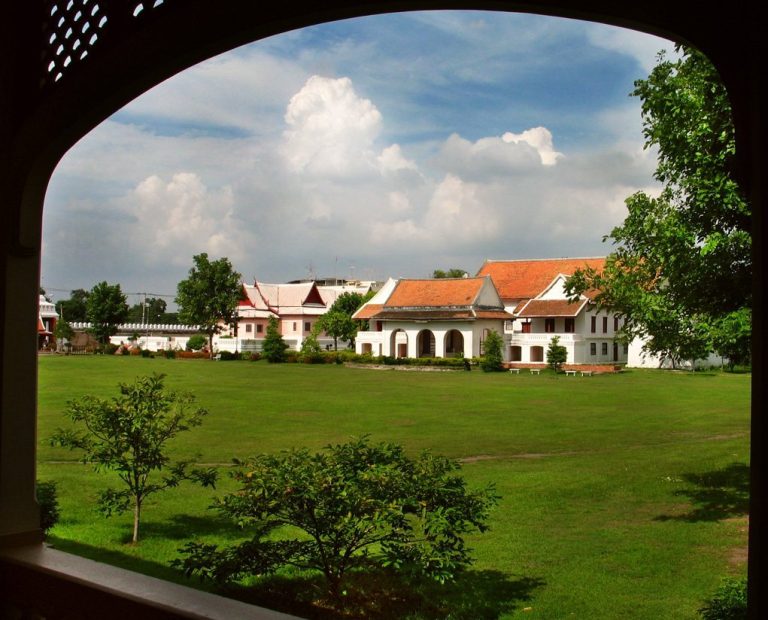
The palace occupies a landscaped setting beside the Chao Phraya River. Its buildings combine Thai, Western, and traditional Chinese forms, with brick and timber among the stated materials. Residential halls, ceremonial buildings, a pond pavilion, a lookout tower, and a royal temple form the principal surviving groups within the complex.
Royal halls and pavilions
Warophat Phiman Throne Hall
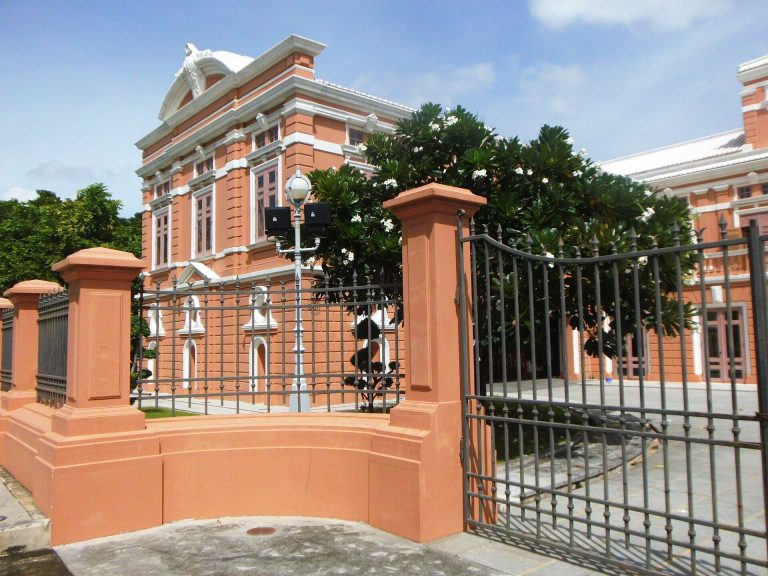
The Warophat Phiman Throne Hall is an Italianate royal residence and throne hall. Italianate architecture is a nineteenth-century style inspired by Italian Renaissance and related Italian building forms. The building served both residential and ceremonial purposes within the palace.
Aisawan Thiphaya-At Pavilion
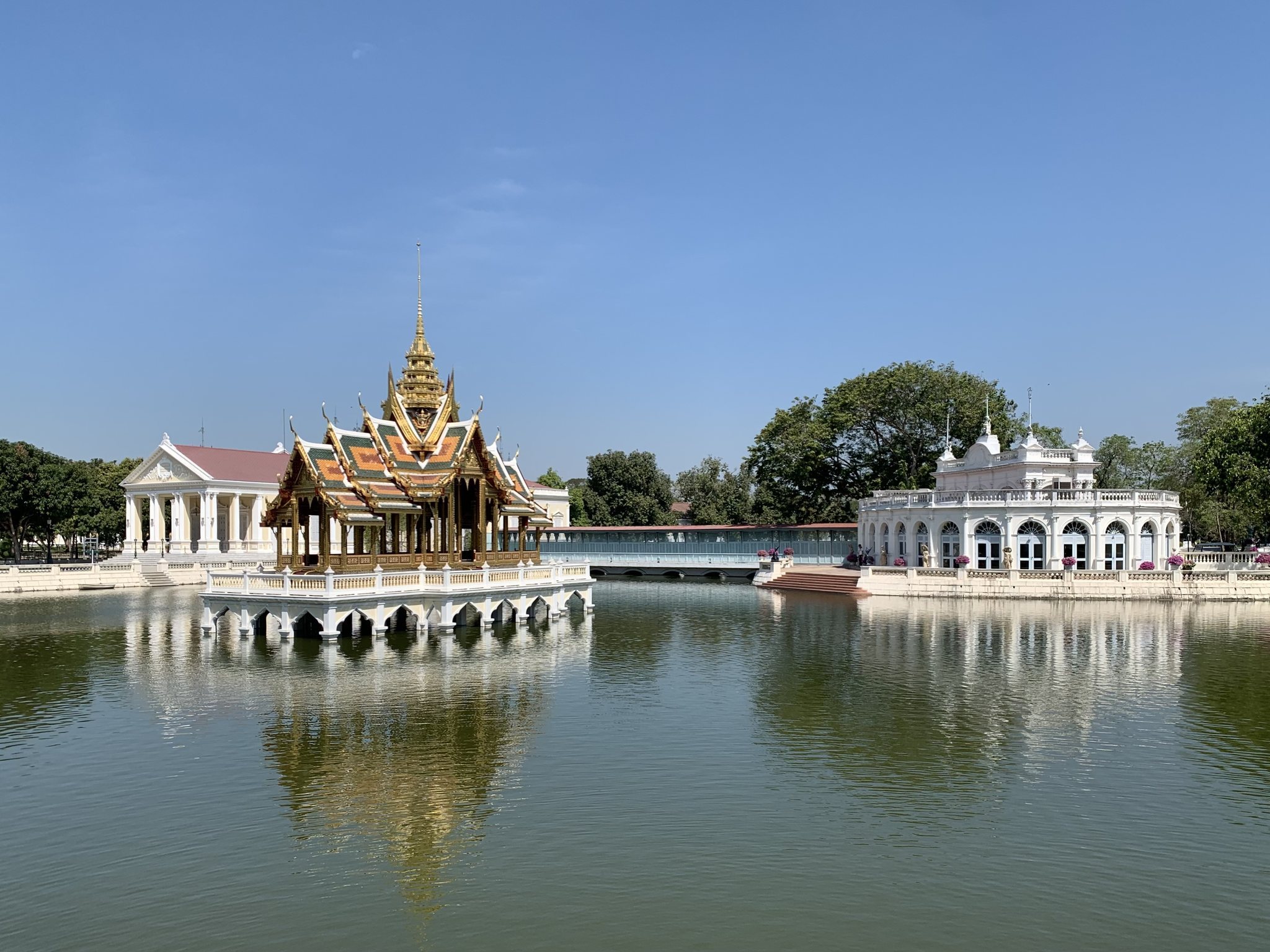
The Aisawan Thiphaya-At Pavilion stands in the middle of a pond and is also described as a floating pavilion. This relatively open, freestanding building contains a bronze statue of King Chulalongkorn.
Wehart Chamrun
Wehart Chamrun, meaning “Heavenly Light,” is a Chinese-style royal palace and throne room. It was built entirely with materials imported from China and formerly served as a royal residence.
Residential halls
The Saphakhan Ratchaprayun and Uthayan Phumisathian are residential halls within the palace complex. They belong to the group of royal buildings that give Bang Pa-In its combination of domestic, ceremonial, and courtly functions.
Lookout, temple, and memorial
Ho Withun Thasana
Ho Withun Thasana, or “Sages’ Lookout,” is a brightly painted lookout tower within the palace grounds.
Wat Niwet Thammaprawat
Wat Niwet Thammaprawat is the palace’s royal temple. It was built in the Neo-Gothic style, a nineteenth-century revival of medieval Gothic forms characterized by pointed arches, vertical emphasis, and elaborate decoration.
Marble memorial
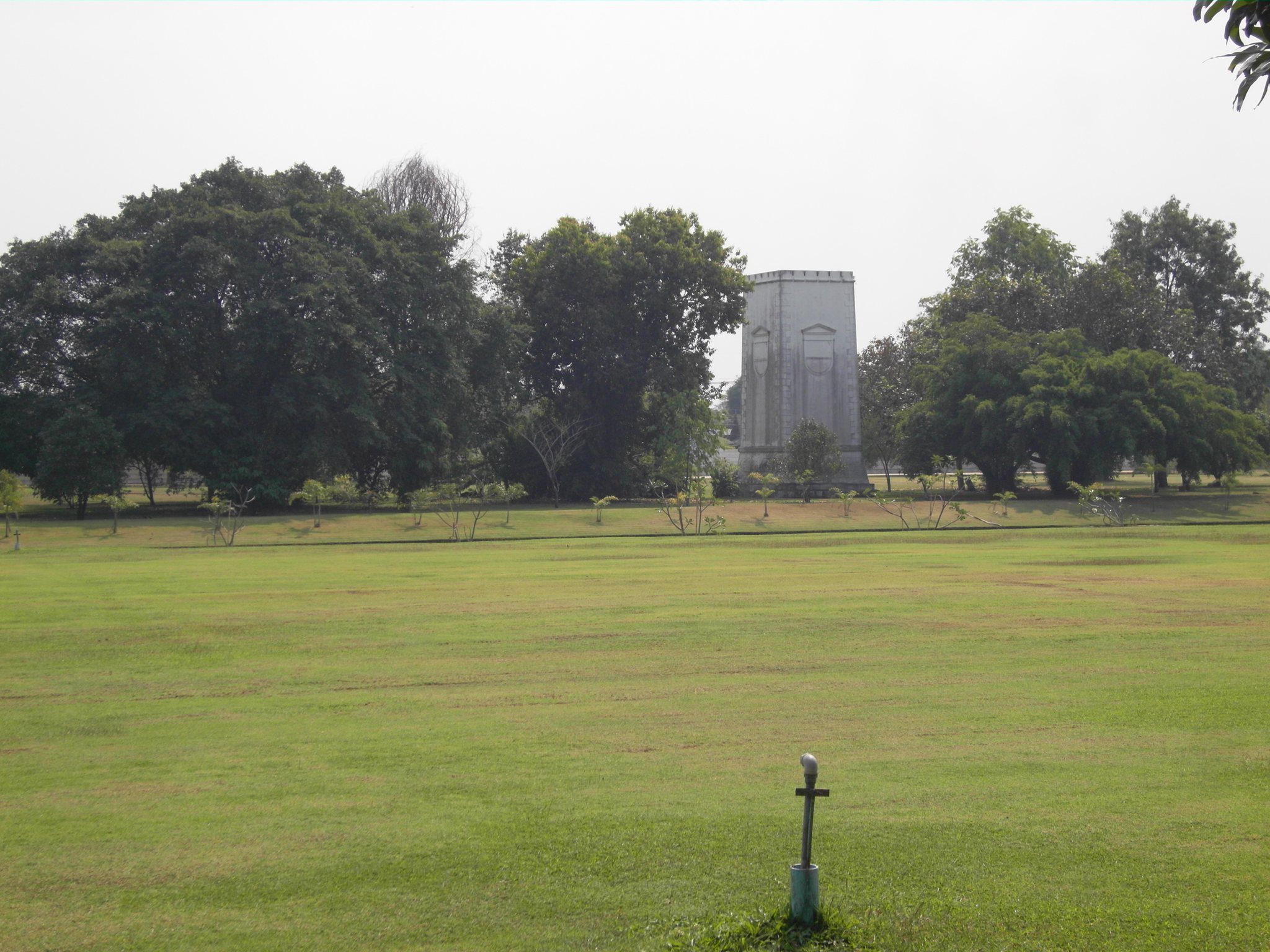
A marble memorial at the palace commemorates Queen Sunanda Kumariratana and Princess Kannabhorn Bejaratana. It forms part of the physical remains associated with the royal family’s history at Bang Pa-In.