Historic Sites in Sweden: Explore Castles, Royal Palaces and Medieval Churches
Explore more than 100 historic sites in Sweden, including medieval castles, Renaissance royal residences, palace theatres, cathedrals and monastic church ruins. The collection includes both standing religious interiors and roofless buildings with substantial walls. Examples from Kalmar, Gripsholm, Drottningholm, Lund and Visby show defensive enclosures, royal rooms and successive church plans.
Primary Function: All
Type: All
Civilization: All
Popularity: All
Rating: All
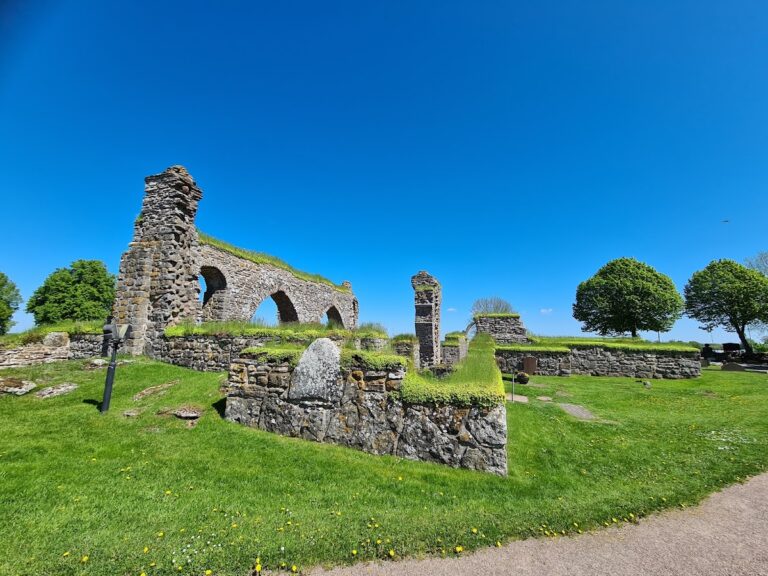
Gudhem Abbey was a Benedictine and later Cistercian nunnery founded in the 12th century. Its ruins beside Gudhem Church preserve evidence of a royal…
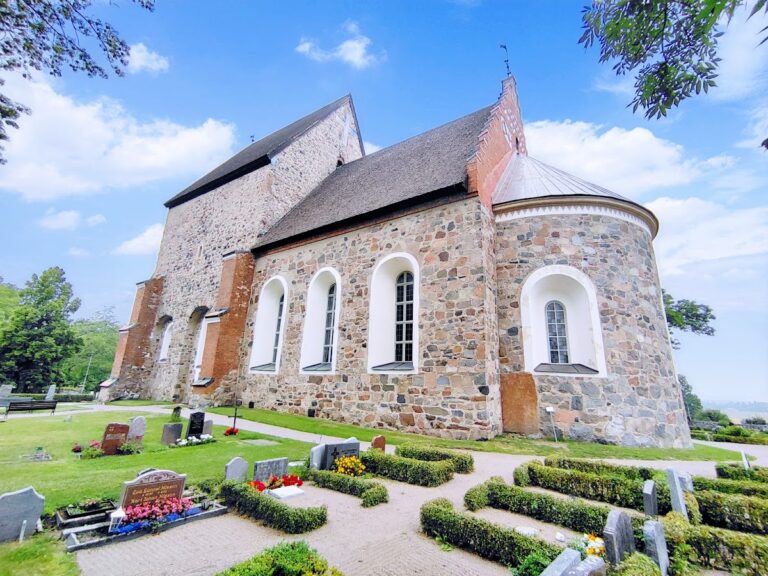
Old Uppsala Church preserves the remains of a twelfth-century Romanesque cathedral beside Gamla Uppsala’s royal burial mounds. Its history reflects…
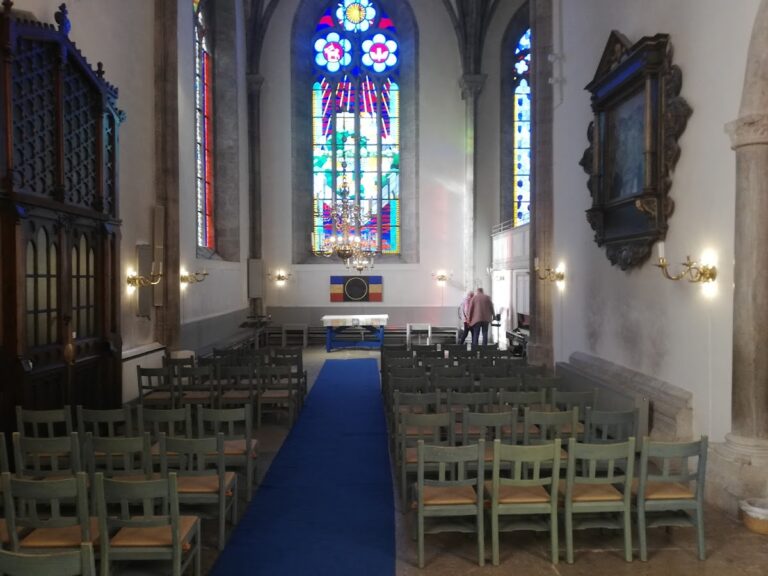
Visby Cathedral began as a church for German merchants in the medieval Baltic port of Visby. Expanded from a Romanesque basilica into a Gothic hall…
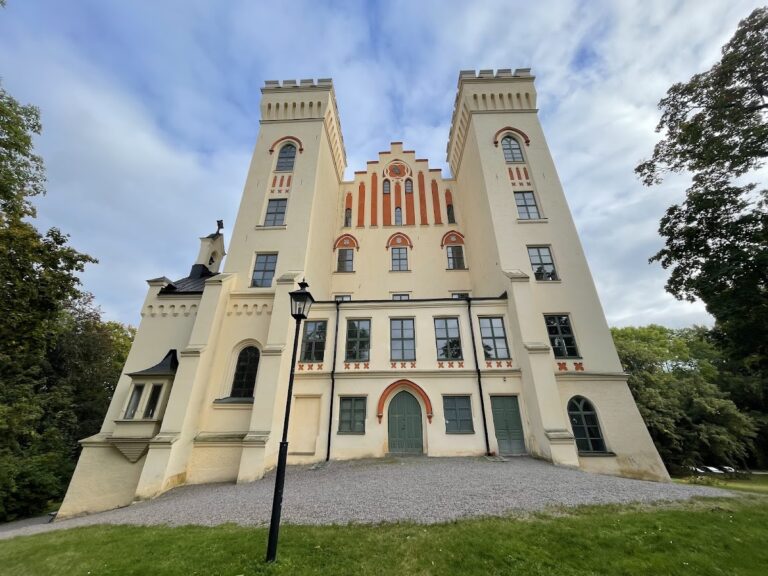
Bogesund Castle near Stockholm developed from a seventeenth-century manor into a Gothic-style aristocratic residence before becoming a protected…
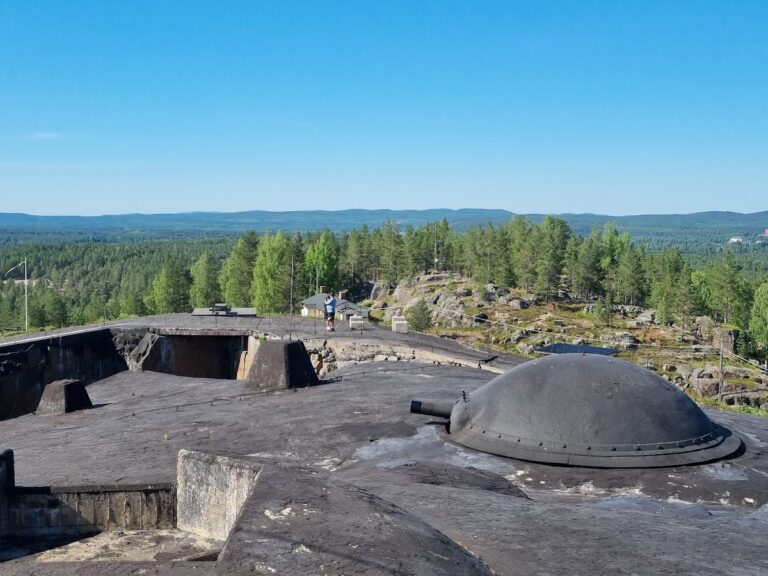
Boden Fortress was built in northern Sweden between 1900 and 1908 to defend railway links, river crossings, and approaches from the east. Its forts,…
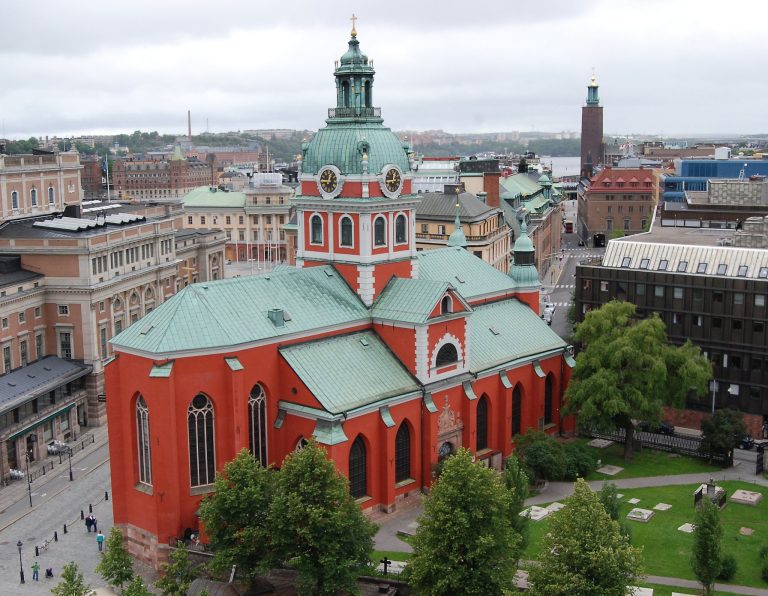
Saint James's Church in central Stockholm developed from a medieval chapel into a Renaissance and Baroque church, with later Gothic, Classical, and…

Borgeby Castle developed from a Viking-period ring fortress into a medieval castle of the Archbishops of Lund and later an aristocratic estate. Its…
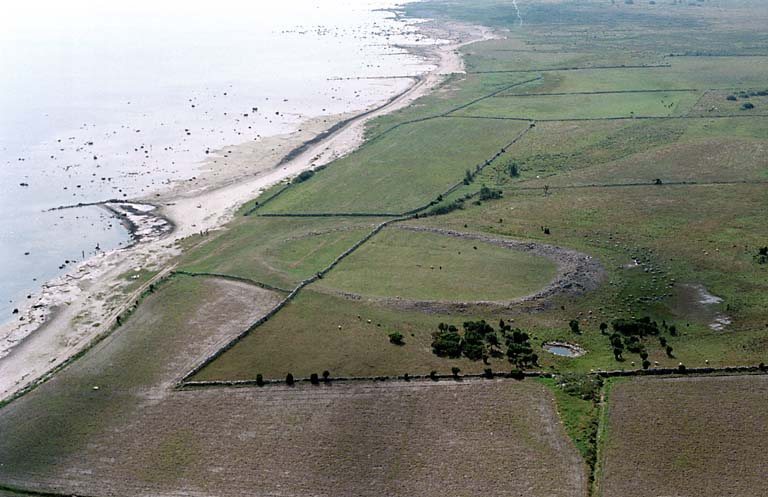
Sandby borg is a late fifth-century ringfort on Öland associated with a mass killing during the Migration Period. Its stone enclosure, radial houses,…

Tidö Castle near Västerås was commissioned by Axel Oxenstierna and Anna Åkesdotter Bååt and built between 1625 and the 1640s. Its late Renaissance…
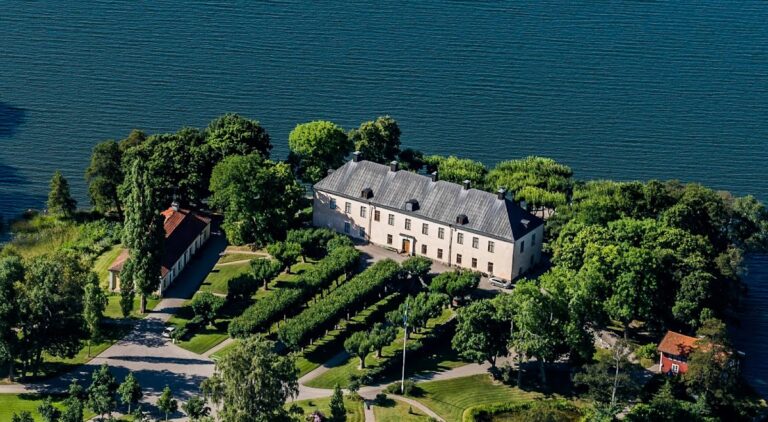
Grönsö Castle on Grönsö Island in Lake Mälaren developed from a medieval village into a manorial estate established by Johan Skytte in the early…
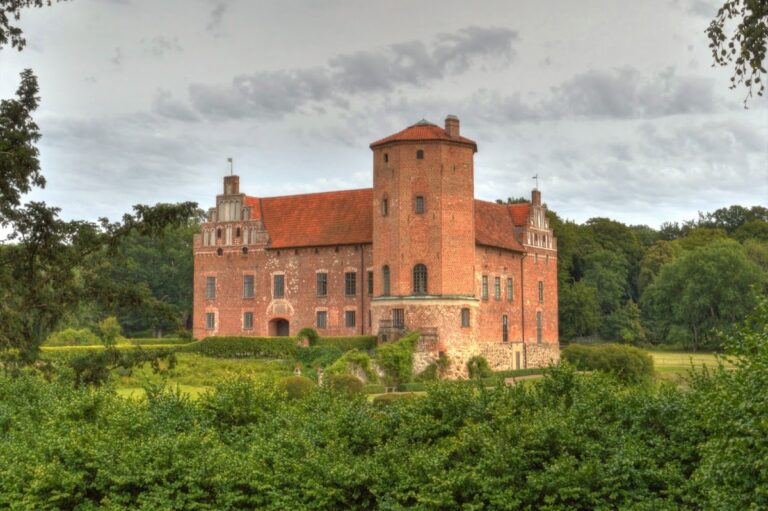
Torup Castle in Scania developed from a medieval fortified estate into a Renaissance residence. Its history includes Danish and Swedish rule, an 1811…
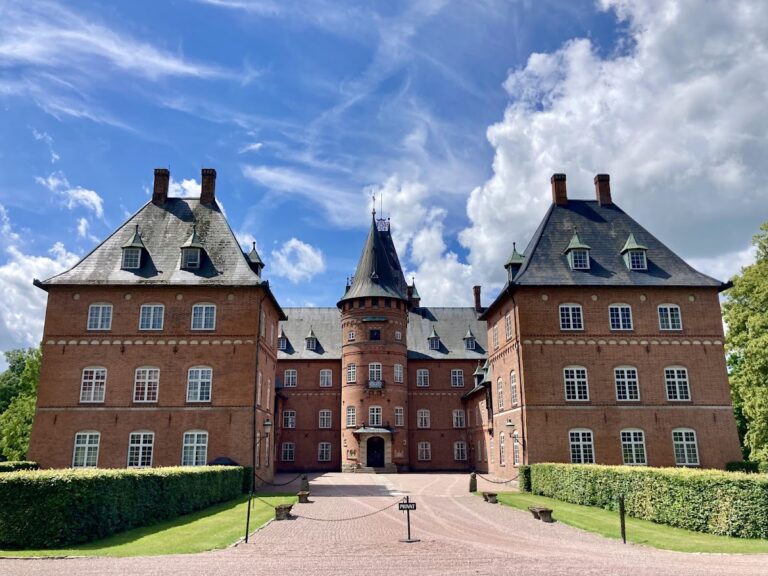
Trollenäs Castle in Scania developed from a fourteenth-century estate into a Renaissance complex associated with the Thott and Trolle families and…
For details on how to use the maps, which sites are included, how popularity and ratings are determined, and how sites are classified, see the help page.
On this page5 sections
Castles and fortified royal residences
Kalmar Castle stands beside the former medieval harbour, with a narrow channel separating its island from the mainland. It began with a defensive tower and developed through successive enclosing walls and buildings. Sixteenth-century rebuilding added round corner towers and new wings, while removing the original central keep because it obstructed the new arrangement. The standing castle combines medieval fortification with a Renaissance residential plan.
Gripsholm Castle beside Lake Mälaren has four large round towers surrounding a closed courtyard. These towers belong to Gustav Vasa’s building campaign from 1537, rather than the earlier medieval castle. Their brick walls rise from stone bases, and the towers originally carried cannon. Rooms and wings were subsequently altered for royal occupation, including the addition of an eighteenth-century court theatre. Its rounded towers thus enclose several centuries of residential changes.
Palaces, gardens and court theatres
Drottningholm Palace stands on Lovön island in Lake Mälaren. Its main building follows a Baroque arrangement between a formal forecourt and garden. A monumental staircase and state rooms occupy the central building, while the wings accommodate living quarters. The disposition separates ceremonial circulation from the more private parts of the residence.
The estate also contains the eighteenth-century palace theatre. The surviving theatre dates from 1766, following a fire that destroyed its predecessor, and a luncheon salon was added during Gustav III’s reign. Together with the palace’s reception rooms, it extends the surviving royal architecture beyond apartments to spaces built for performance and court gatherings. Later restoration has returned parts of the theatre complex to their historic arrangements.
Romanesque cathedrals
Lund Cathedral was founded when Lund belonged to Denmark. Its Romanesque plan contains a nave and aisles, transept, choir and apse, with a crypt beneath the eastern part. Thick sandstone walls enclose these spaces, using outer stone faces around a core of smaller stones and mortar.
The twin western towers are prominent features, but their present form belongs to nineteenth-century rebuilding. That distinction separates the familiar exterior silhouette from the cathedral’s medieval plan and surviving Romanesque fabric. The crypt and the raised choir above it also show how the building accommodated different levels of religious space within one church.
Medieval churches and monastery ruins
Visby Cathedral originated as a church for German merchants using the port. Parts of its earliest Romanesque building survive within later construction, including lower tower masonry and elements of the transept. Rebuilding transformed the nave into a hall church, and further chapels enlarged the southern side. Its western tower and two smaller eastern towers make the separate stages visible in the outline of the building.
The nearby ruins of Saint Catherine belonged to a Franciscan monastery founded in the thirteenth century. The church grew from a narrow single-nave building into a three-aisled hall church. Surviving walls and portions of the choir and nave preserve much of that expanded plan beside the market. The two examples show different outcomes for medieval churches in the same town: one retained as an enclosed cathedral, the other preserved as substantial open ruins.
Explore the collection
Explore sites on the map or in the grid. Map icons indicate each site’s primary function, helping you identify different kinds of places at a glance. Narrow the results by primary function, site type, civilization or era, with additional filters for popularity and rating. Select a map marker to view the site’s details and open its article, or open the article from its grid entry.