Historic Sites in Lebanon: Explore Roman Temples, Coastal Castles and Mosques
Explore historic sites in Lebanon, including Roman temples, ancient streets, coastal castles, Mamluk mosques and Ottoman courtyard inns. Religious buildings and fortifications form the largest groups in the collection. Examples from Baalbek, Tyre, Byblos, Sidon and Tripoli introduce surviving colonnades, vaulted chambers, carved entrances and the rooms used by merchants beside the coast.
Primary Function: All
Type: All
Civilization: All
Popularity: All
Rating: All
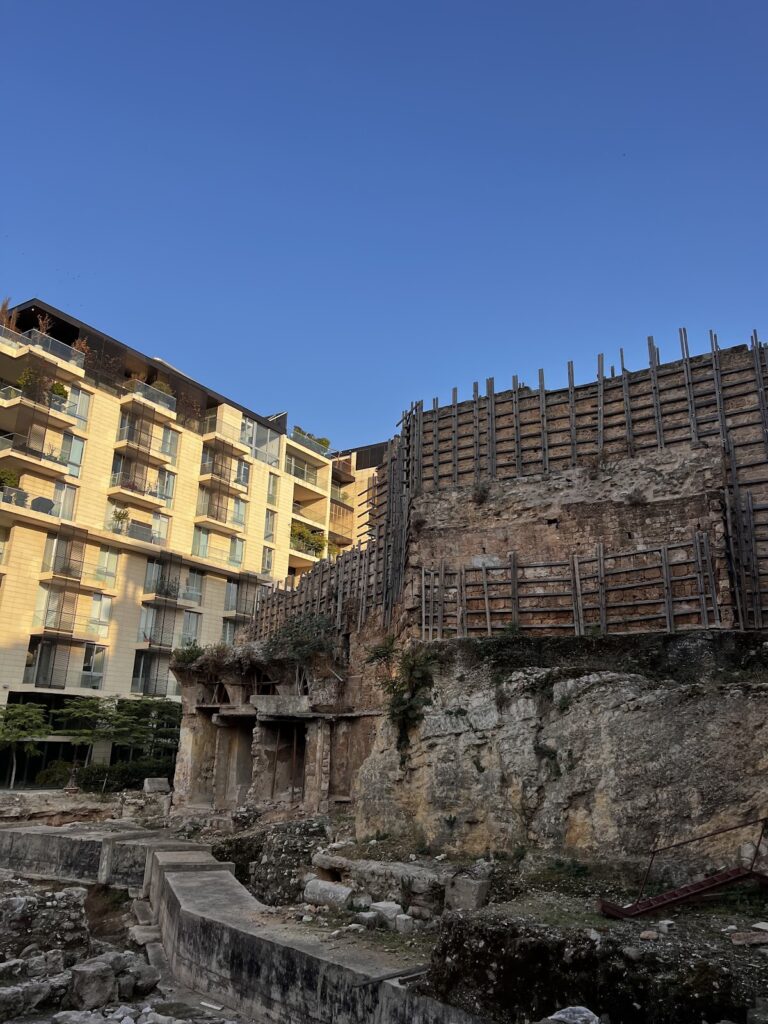
Beirut Castle was a medieval coastal fortress associated with the Crusader conquest of Beirut, later used by Mamluk and Ottoman authorities before…
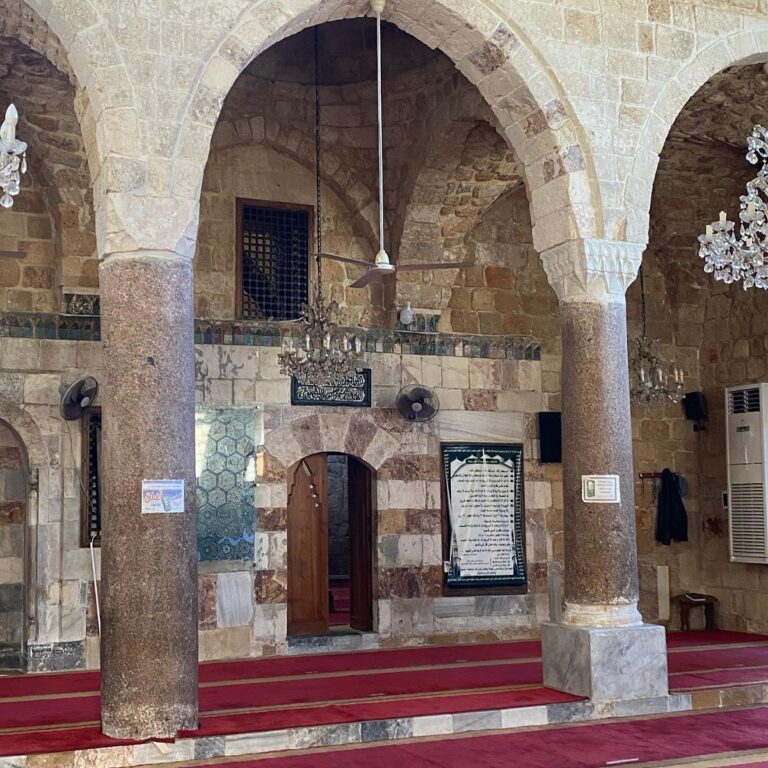
Qtaish Mosque is a historic Ottoman mosque in Sidon, founded in the late sixteenth century and associated with learning, religious endowments, and…
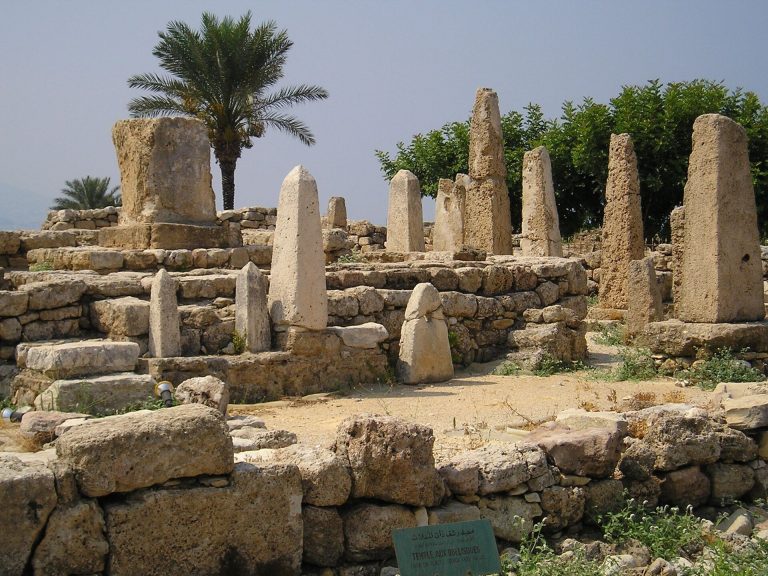
The Temple of the Obelisks was a major Bronze Age sanctuary at Byblos, built over an earlier Early Bronze Age temple and used into the Iron Age or…
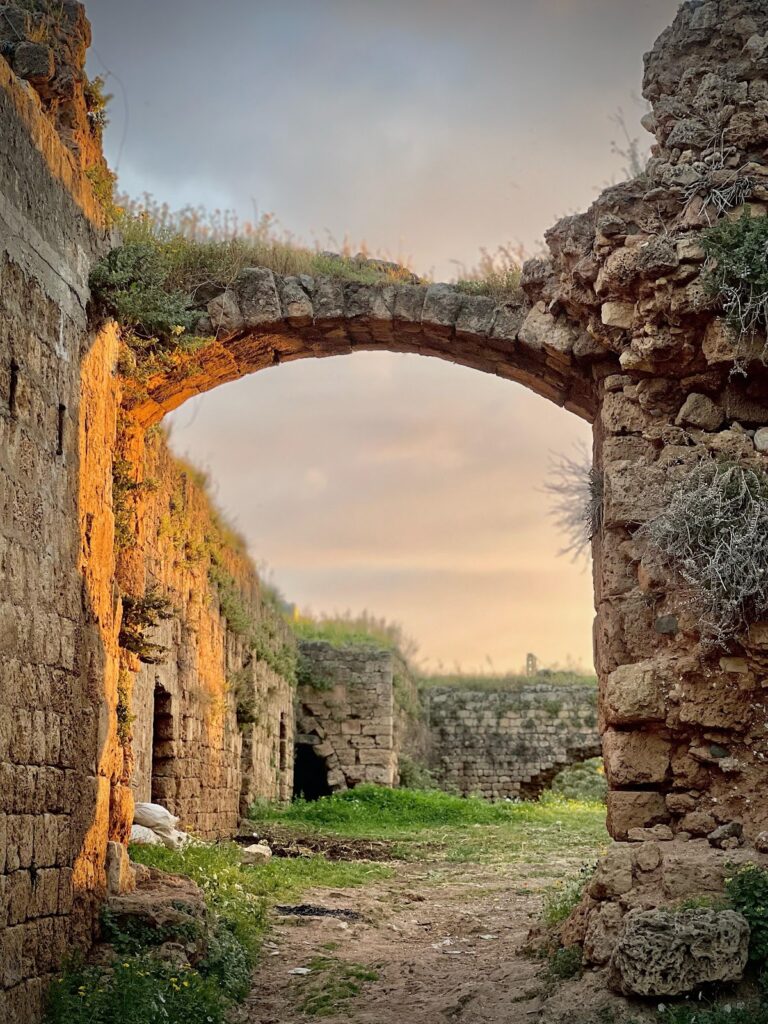
Coliath was a twelfth-century Crusader fortress in the County of Tripoli, later held by the Knights Hospitaller and destroyed by Ayyubid and Mamluk…
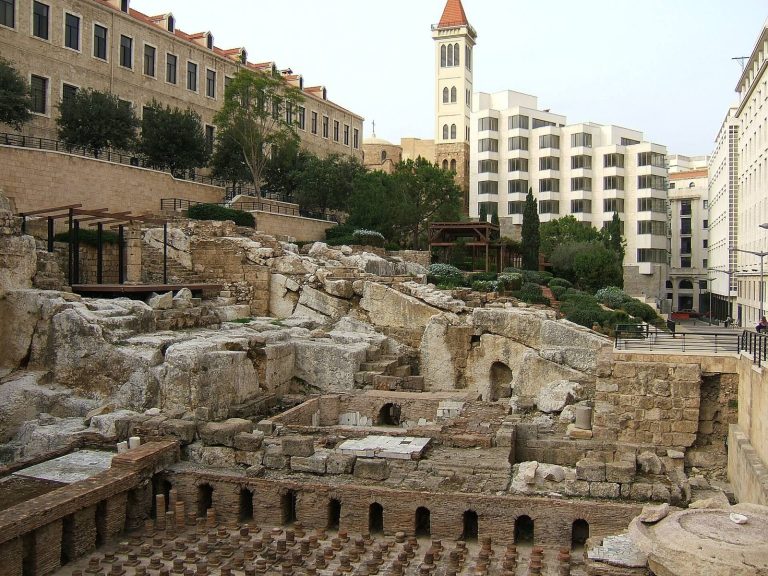
The Roman Baths Beirut formed part of ancient Berytus, expanding into an imperial-style complex before later restoration, destruction, and reuse…
For details on how to use the maps, which sites are included, how popularity and ratings are determined, and how sites are classified, see the help page.
On this page6 sections
Ancient temples and sanctuaries
Baalbek contains a Roman sanctuary built around an immense raised platform. Successive gateways and courts led towards the Temple of Jupiter, while the retaining walls incorporated exceptionally large limestone blocks. The entrance sequence included a monumental staircase, a columned gateway and a hexagonal courtyard before the Great Court.
The Temple of Bacchus preserves much of its exterior colonnade and the tall walls of its inner chamber, although the roof is lost. A broad stairway rises to the temple podium, and the columns surround the building on all sides. Together with the courts and substructures, it provides a substantial example of Roman religious architecture whose layout can still be read at the scale of individual buildings and the wider precinct.
Ancient cities and public buildings
Tyre has archaeological remains in separate parts of the ancient city and its mainland approaches. At Al-Bass, a monumental road, burial grounds, an arch and aqueduct remains occupy the former entrance district. The long hippodrome was built for chariot racing, with space for the track, turning points and spectator seating.
The urban archaeological area includes Roman baths and the Mosaic Road. Both the central passage and pavements of this colonnaded street were decorated with mosaics, with repairs and renewal continuing into the Byzantine period. The baths stood on raised supporting structures, with heating installations above them. These remains show public buildings and routes within a city whose earlier Phoenician fabric is less extensively exposed.
Castles and coastal strongholds
Byblos Castle has a central fortified tower within a roughly rectangular enclosure reinforced by corner towers. Its Crusader builders used local limestone and incorporated material from earlier monuments, including ancient columns within the walls. Vaulted storeys strengthened the central building, while its original raised entrance restricted access. The castle stands beside the larger archaeological area, but its surviving military plan belongs to the medieval fortress.
Sidon Sea Castle occupies a small island reached by a narrow causeway. Its principal remains are two towers joined by a wall, again incorporating Roman columns as horizontal reinforcement. The western tower retains a large vaulted chamber and a spiral stair leading upwards. An Ottoman domed mosque stands on the roof, while the eastern tower combines Crusader lower work with a Mamluk upper phase.
Mosques and prayer halls
The Taynal Mosque in Tripoli was completed in 1336. Its unusual layout places two prayer halls in succession, with an elaborate portal between them. Alternating black and white stone frames the doorway, and geometric carving rises towards a honeycomb-like canopy. Domes of different sizes cover the halls. Inside, a carved wooden pulpit preserves intricate geometric decoration from the Mamluk period.
Caravanserais and courtyard inns
At Khan al-Franj in Sidon, two levels of covered galleries surround a large courtyard and central pool. Storage occupied the lower floor, while rooms above provided accommodation. A single gate faces the harbour, and the lower exterior walls have few openings. This enclosed arrangement protected merchants and their goods while keeping the building connected to the waterfront where trade arrived.
Explore the collection
Explore sites on the map or in the grid. Map icons indicate each site’s primary function, helping you identify different kinds of places at a glance. Narrow the results by primary function, site type, civilization or era, with additional filters for popularity and rating. Select a map marker to view the site’s details and open its article, or open the article from its grid entry.