Historic Sites in Ireland: Explore Passage Tombs, Castles and Monasteries
Explore more than 200 historic sites in Ireland, including Norman castles, tower houses, medieval churches, monastic ruins and prehistoric passage tombs. Castles form the largest group in the collection. Examples in the Boyne valley, beside Lough Leane, at Cashel and along the Shannon introduce defended residences, stone burial chambers and the churches and cloisters of religious communities.
Primary Function: All
Type: All
Civilization: All
Popularity: All
Rating: All
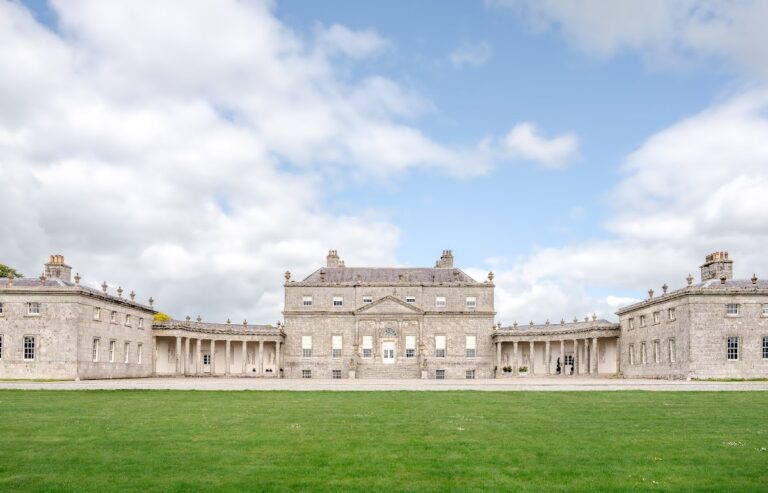
Russborough House is an eighteenth-century Georgian Palladian estate near Blessington, County Wicklow, built for Joseph Leeson and later preserved…
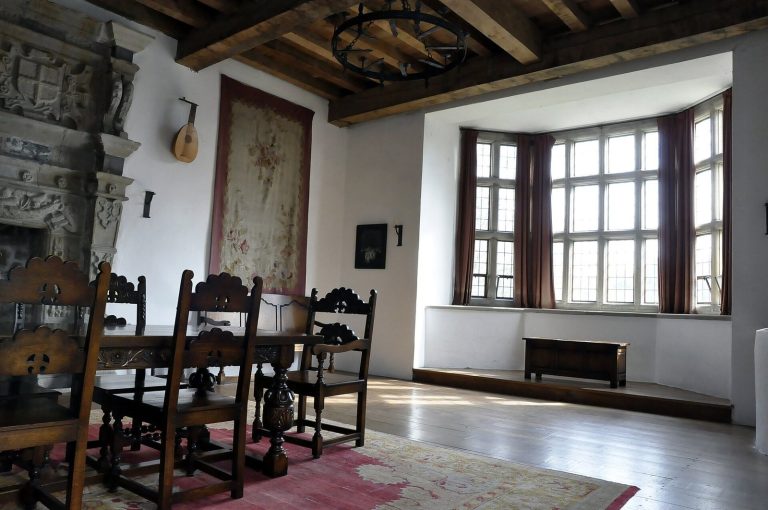
Donegal Castle was built by an O’Donnell chief in 1474 and became the seat of the rulers of Tir Conaill. Damaged after the Flight of the Earls, it…
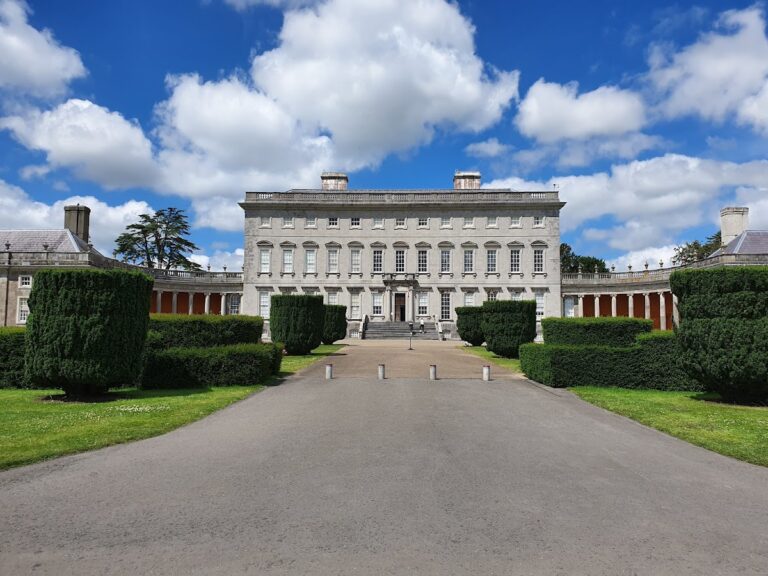
Castletown House in County Kildare was built from 1722 for William Conolly and developed through the eighteenth century as the centre of an extensive…
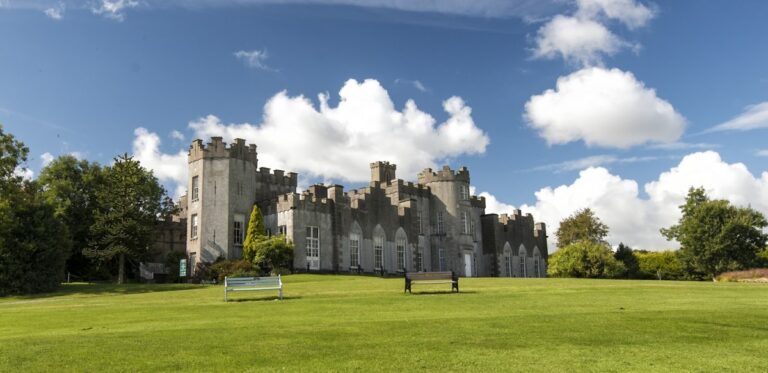
Ardgillan Castle is an eighteenth-century country house in County Dublin, developed by the Taylor family and later restored as a public historic…
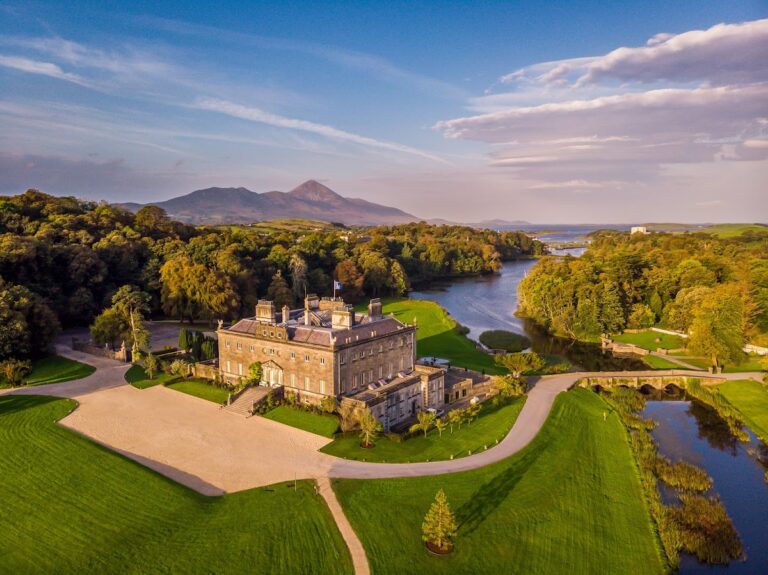
Westport House developed on the site of an O’Malley fortress and remained associated with the Browne family for almost 300 years. Its history…
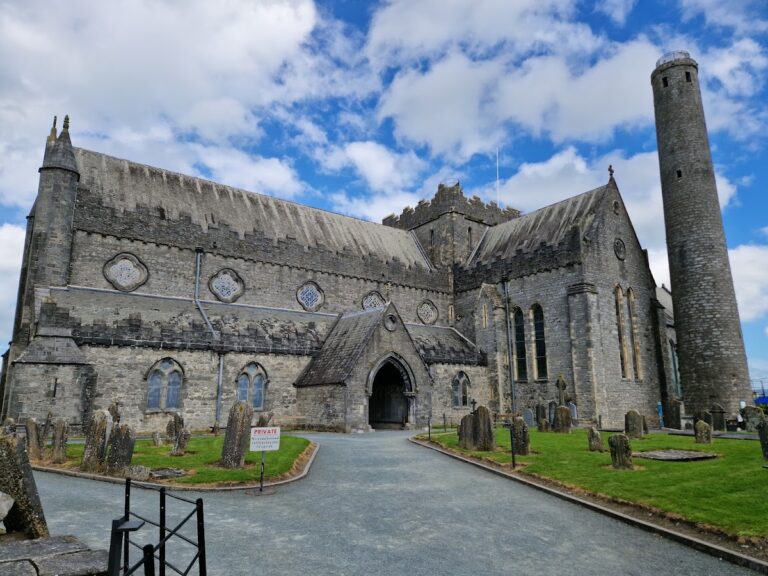
Saint Canice's Cathedral in Kilkenny developed from a sixth-century Christian foundation into a medieval cathedral of the Diocese of Ossory. Its…

The Rock of Dunamase is a fortified site in County Laois with origins in a ninth-century hill fort and a castle built during the second half of the…
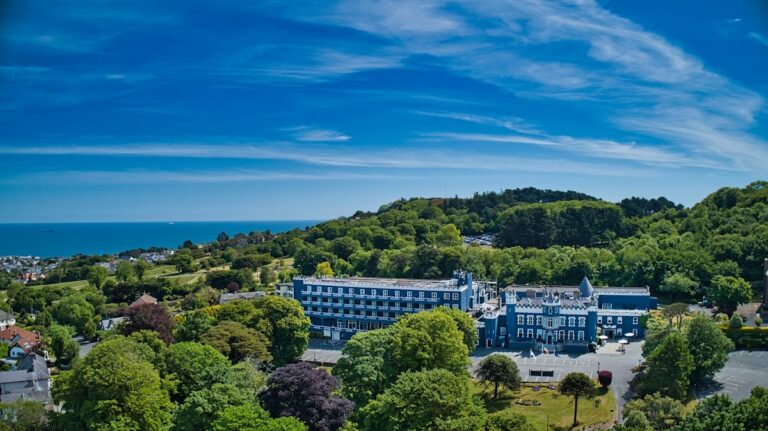
Killiney Castle began as the Georgian Mount Malpas estate around 1740, was remodelled with Gothic features in the nineteenth century, and later…
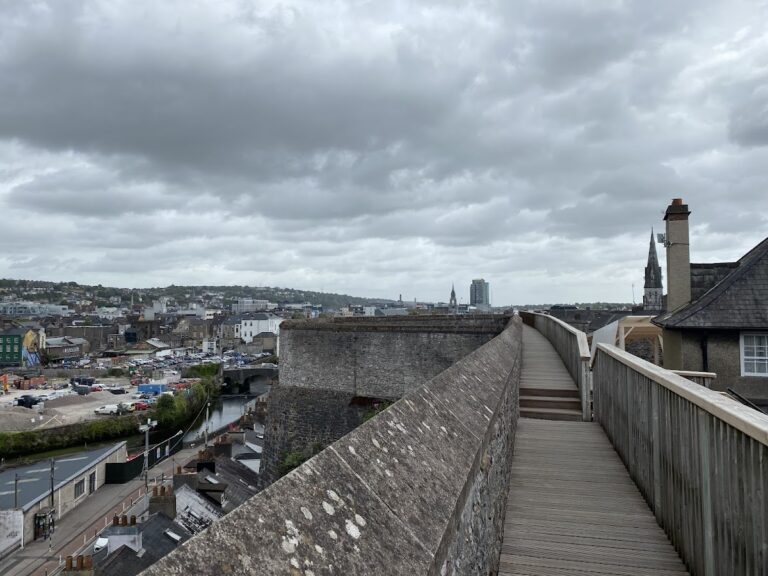
Elizabeth Fort in Cork developed from a 1601 timber-and-earth fortification into a seventeenth-century star fort, later serving as a barracks,…
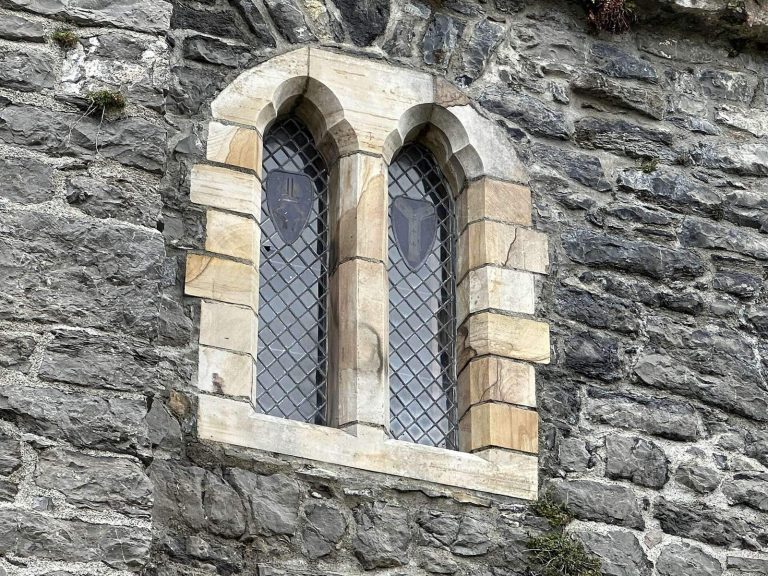
Swords Castle was built around 1200 as the residence of John Comyn, Archbishop of Dublin. Its large pentagonal enclosure, chapel, gateway, and…
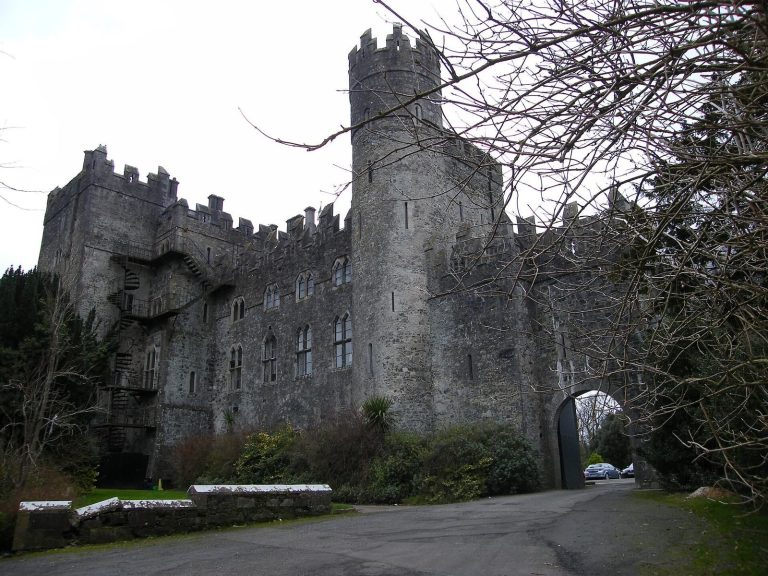
Kilkea Castle in County Kildare began as an Anglo-Norman motte-and-bailey in 1180 and became a long-held stronghold of the Fitzgerald earls of…
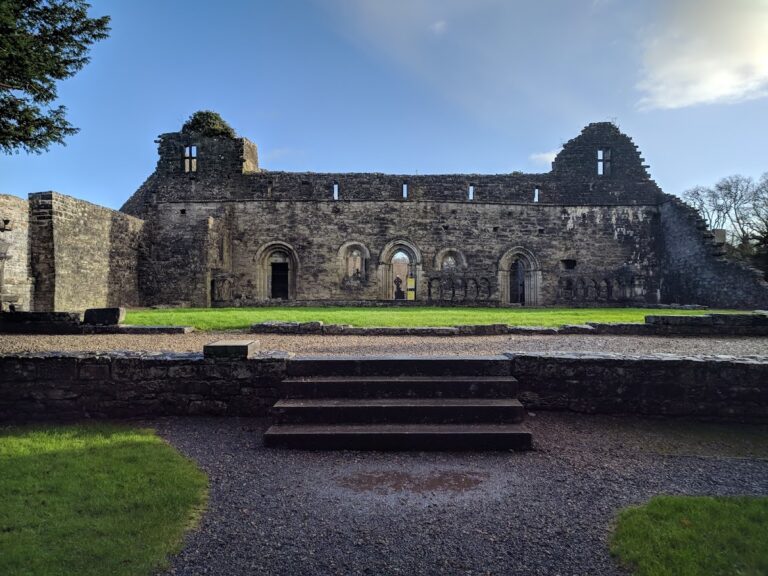
Cong Abbey in County Mayo developed from an early medieval church into an Augustinian monastery associated with Irish kings, bishops, and prominent…
For details on how to use the maps, which sites are included, how popularity and ratings are determined, and how sites are classified, see the help page.
On this page5 sections
Castles and tower houses
Trim Castle stands above the Boyne in County Meath. Its great tower has an unusual cruciform plan with twenty corners and three storeys. The de Lacy family developed it through several late-twelfth- and early-thirteenth-century campaigns. Around it, curtain walls, towers and gateways define a large enclosure, with different tower forms marking successive defensive works.
Ross Castle beside Lough Leane in County Kerry is a more compact late-medieval tower house. Built for the O’Donoghue clan, it was enclosed by a defensive courtyard, or bawn. Its entrance used an iron grille, a reinforced oak door and an overhead opening from which intruders could be attacked. The concentration of these barriers at a small entrance suited a residence whose rooms were stacked within one principal tower.
Cathedrals, chapels and round towers
The Rock of Cashel preserves a group of medieval religious buildings on a limestone outcrop. Although associated with the kings of Munster, its surviving architecture is predominantly ecclesiastical. A round tower, Cormac’s Chapel and the cathedral occupy the walled summit.
Cormac’s Chapel is a compact Romanesque church with a nave, chancel and two square towers. Carved doorways, arcading and stone vaults provide substantial detail within the small building. Nearby, the round tower has a raised doorway well above ground level. The separate structures allow the site’s medieval phases to be read across the plateau rather than within one continuously enlarged church.
Monasteries and cloister ruins
Clonmacnoise developed where an important overland route crossed the Shannon. Its surviving complex includes cathedral and church ruins, round towers, high crosses and carved grave slabs. Temple Finghín joins a Romanesque church directly to a round tower, an unusual arrangement within the group. Other buildings stand separately among the burial grounds.
Sligo Priory, commonly called Sligo Abbey, preserves a Dominican church and three sides of its cloister. The roofless church retains a tower carried over the main axis on tall pointed arches. Remains of the chapter room, refectory and dormitories place the church within a communal complex. The arrangement gives more emphasis to the cloister and its adjoining rooms than the dispersed churches at Clonmacnoise.
Prehistoric tombs and burial chambers
Brú na Bóinne is a group of prehistoric monuments within a bend of the River Boyne. Its large burial mounds form part of a wider landscape of passage tombs, standing stones and enclosures.
Newgrange, one of the principal monuments within the complex, has a long passage leading to a chamber with three side recesses. Overlapping courses of stone form its corbelled roof, enclosing the chamber without a conventional arch. Stone basins within the recesses were associated with burial deposits. Decorated kerbstones surround the mound, carrying geometric motifs around the base of the structure. These features preserve both the building method and the treatment of its burial spaces.
Explore the collection
Explore sites on the map or in the grid. Map icons indicate each site’s primary function, helping you identify different kinds of places at a glance. Narrow the results by primary function, site type, civilization or era, with additional filters for popularity and rating. Select a map marker to view the site’s details and open its article, or open the article from its grid entry.