Historic Sites in Iran: Explore Ancient Palaces, Fortresses and Mosques
Explore more than 100 historic sites in Iran, including ancient palace complexes, royal rock-cut tombs, mountain fortresses, mosques and caravanserais. Religious buildings and places used for trade form substantial groups in the collection. The examples below concentrate on the carved approaches of Achaemenid royal sites, defended enclosures and the contrasting plans of Isfahan’s mosques.
Primary Function: All
Type: All
Civilization: All
Popularity: All
Rating: All
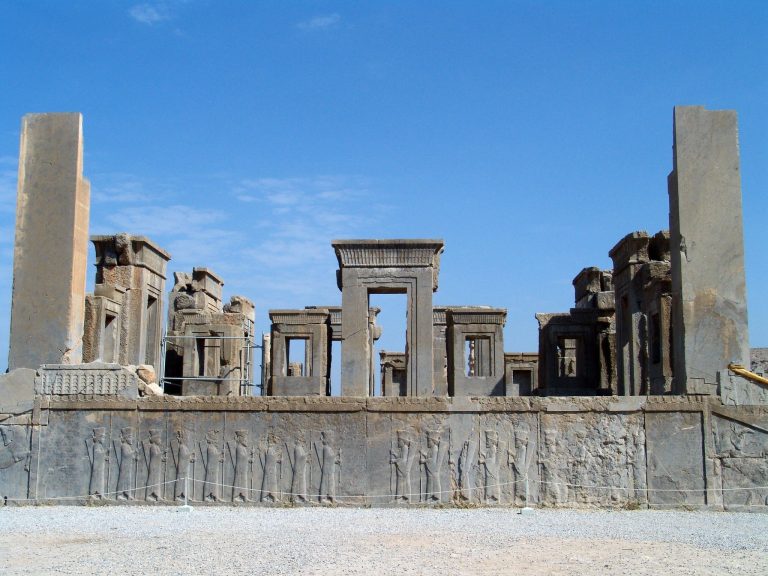
Tachara was an Achaemenid palace at Persepolis commissioned by Darius I and completed by Xerxes I. Its polished stone architecture, royal reliefs,…
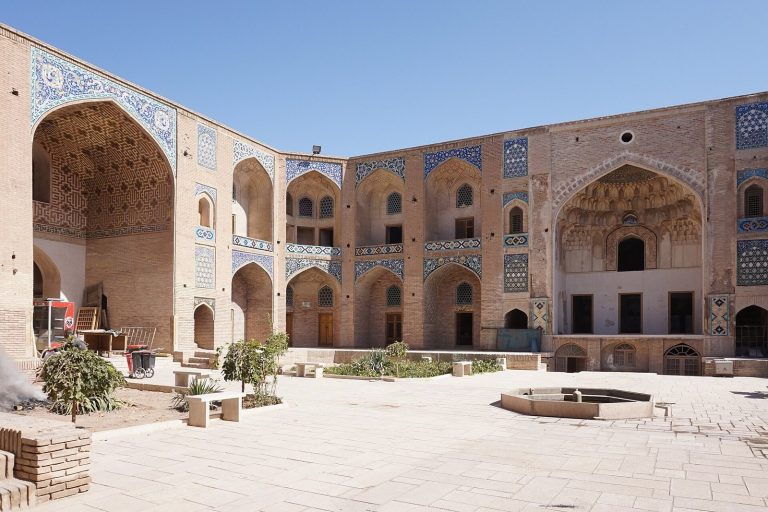
Ganjali Khan Caravanserai in Kerman forms part of a Safavid-era complex that served travelers, housed an Islamic school, and later gained cultural…
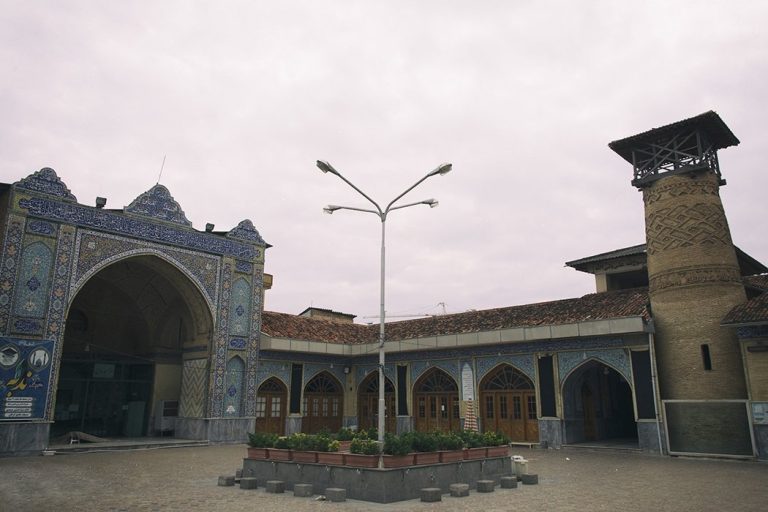
Jameh Mosque of Gorgan is a historic Shia Friday mosque beside the old Nalbandan bazaar, combining Seljuk foundations with Timurid, Safavid, and…
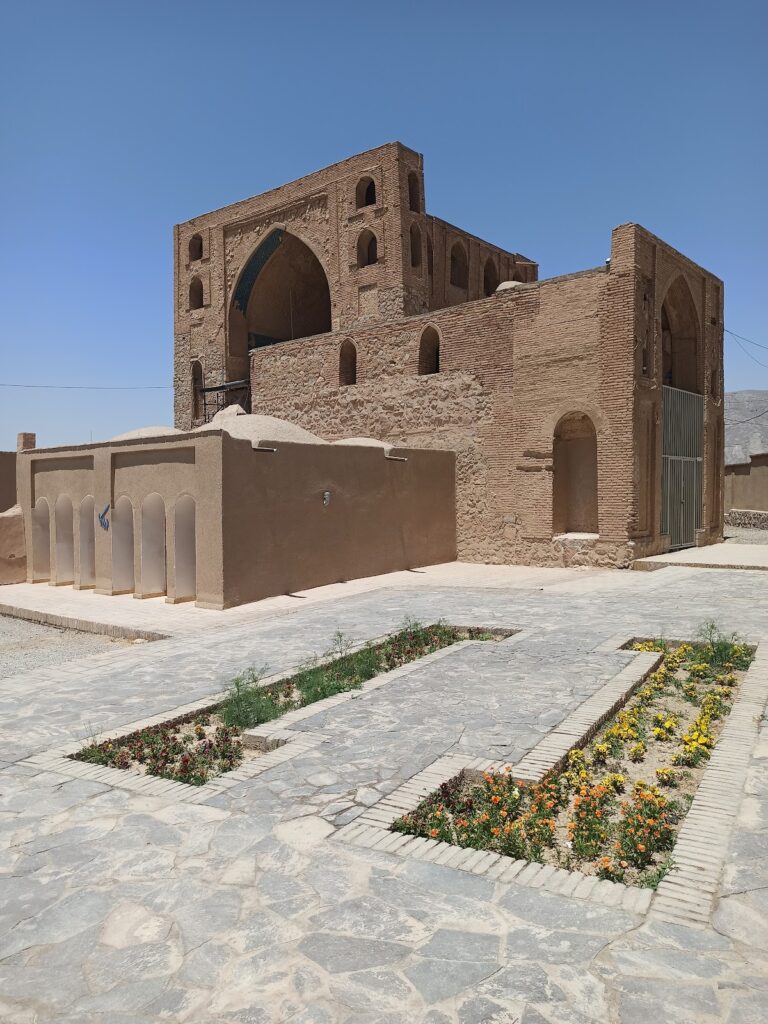
Pir Bakran Mausoleum in Isfahan Province is the tomb of the Sufi mystic Muhammad ibn Bakran. Its Ilkhanid architecture preserves inscriptions, stucco…
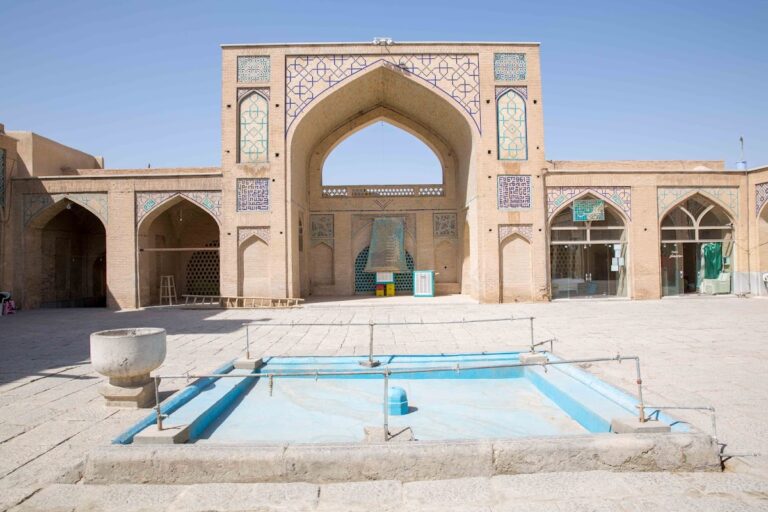
Agha Nur Mosque is an active Shia mosque in Isfahan’s historic Dardasht neighbourhood, built under Safavid rule and expanded during the Qajar era.…
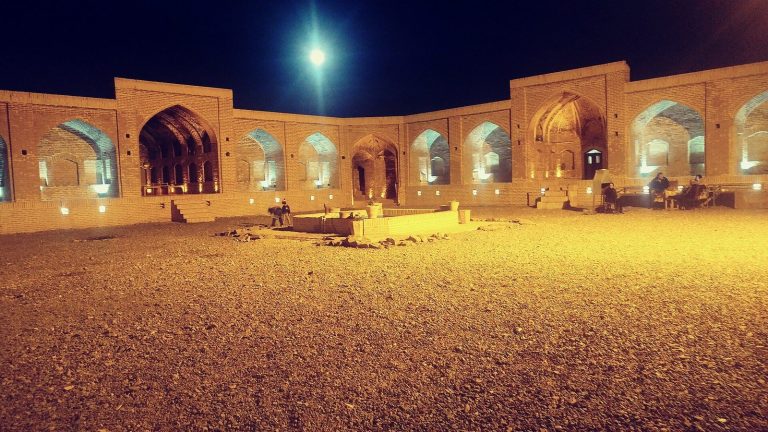
Pasangan Caravanserai is a Safavid-period roadside lodging complex in Qom Province, commissioned by Shah Abbas I and later adapted for modern…
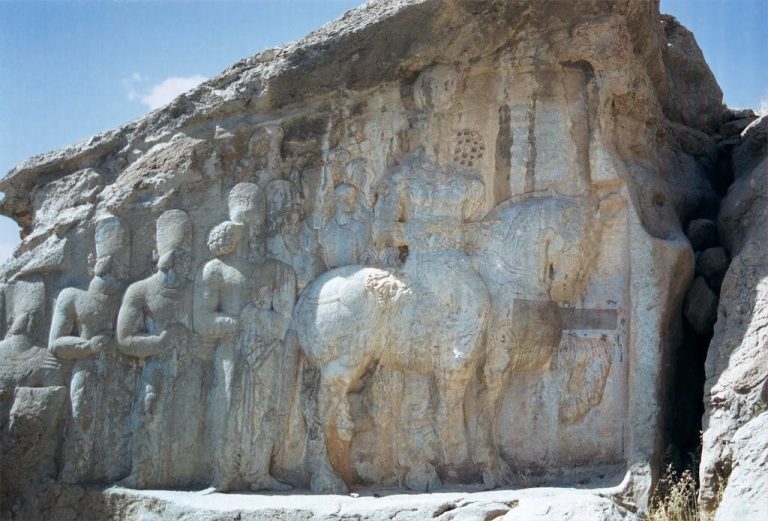
Naqsh-e Rajab in Fars Province preserves four third-century Sasanian rock reliefs associated with the royal investitures of Ardashir I and Shapur I,…
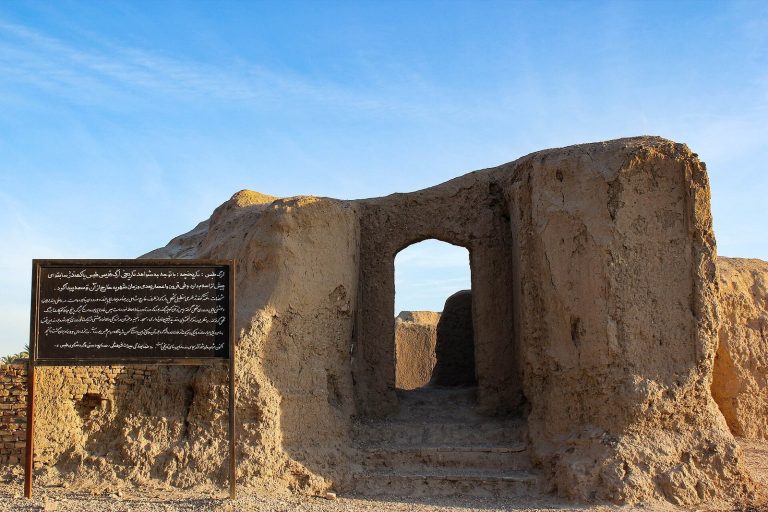
Tabas Citadel is a historic Ismaili fortress in South Khorasan, associated with the Seljuk period, the training of adherents, and the wider network…
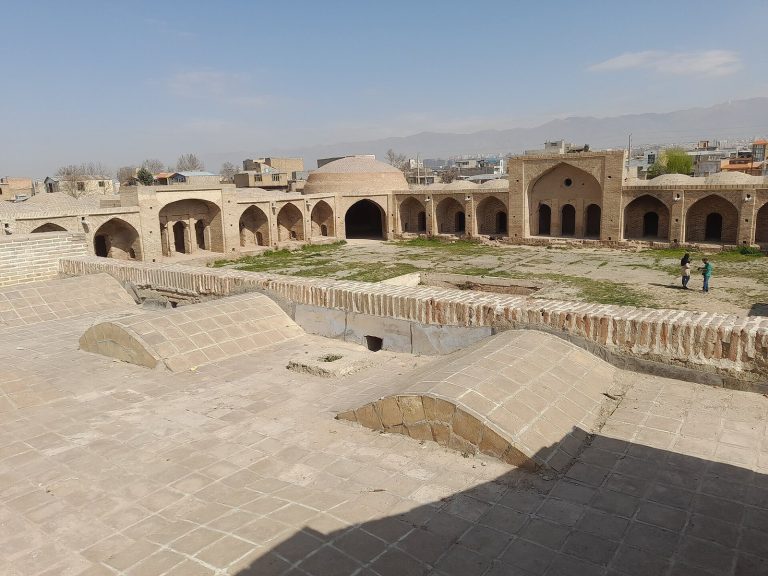
Yengi Emam Caravanserai is a seventeenth-century Safavid roadside complex in Hashtgerd, Iran, with origins in the Ilkhanid period. Its courtyard plan…
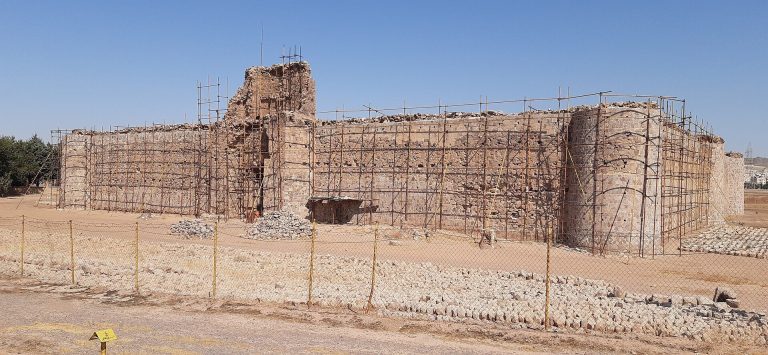
Robat Karim Stone Caravanserai in Tehran Province is a stone caravanserai and fortress associated with the early Islamic period, with possible Buyid…
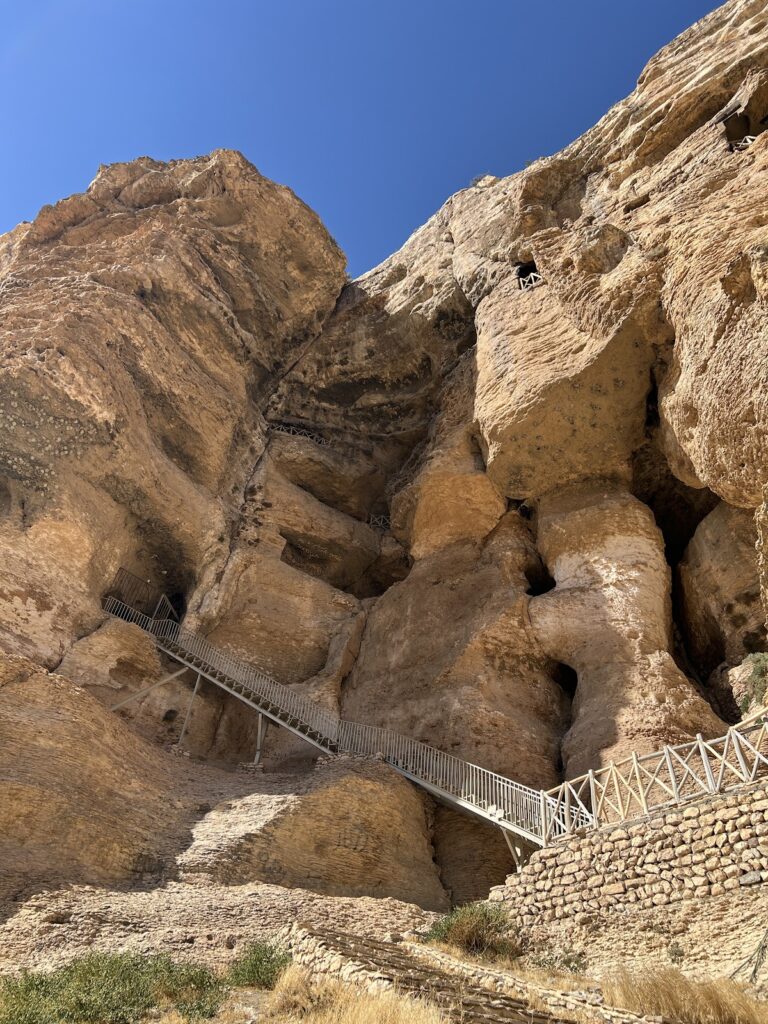
Karaftu Caves in Kurdistan combine natural limestone caverns with a four-level rock-cut complex used for settlement, shelter, religious activity, and…
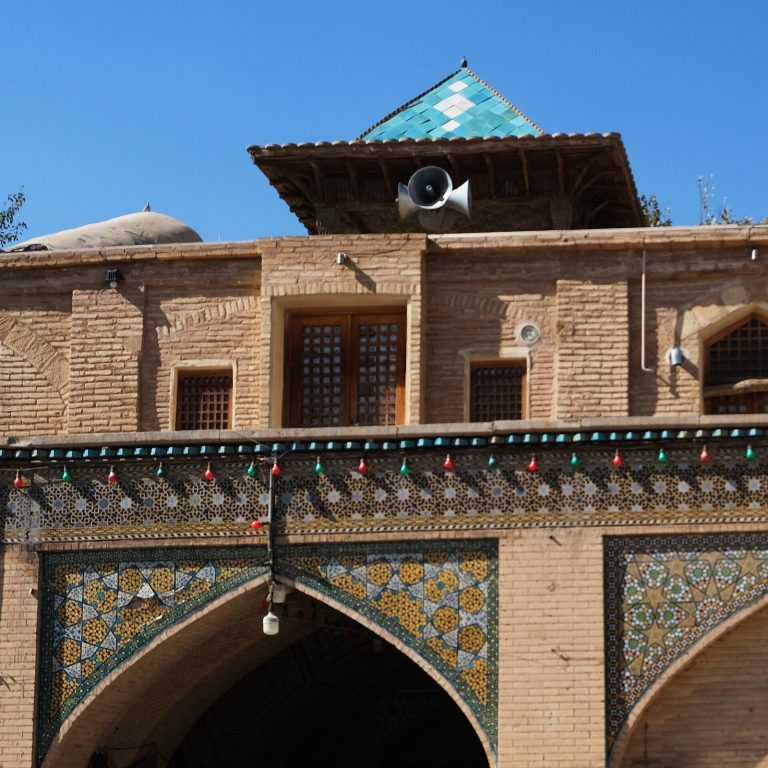
Ali Qoli Agha Mosque in Isfahan was founded in 1710–1711 under Shah Sultan Husayn and enlarged during the Qajar period, preserving notable…
For details on how to use the maps, which sites are included, how popularity and ratings are determined, and how sites are classified, see the help page.
On this page5 sections
Ancient palaces and royal centres
Persepolis was developed by Darius I and his successors as an Achaemenid royal centre. A large terrace supports gates, ceremonial routes and palace halls at the foot of Kuh-e Rahmat. Its retaining walls and stairways establish the levels through which people approached the royal buildings.
Stone columns, doorways and sculpted architectural elements survive where the mud-brick palace walls have largely disappeared. Reliefs depict guards, royal figures, animals and delegations, with differences in dress and equipment distinguishing groups. The remains preserve both the scale of the audience spaces and the carved approaches leading towards them, rather than a complete roofed palace interior.
Rock-cut tombs and royal reliefs
Naqsh-e Rustam contains four Achaemenid tomb façades cut high into the rock. Each has a cross-shaped outline, an entrance in the central section and burial chambers within the cliff. Carved columns and capitals imitate palace architecture across the middle of the façade.
Above, the king stands before an altar on a platform supported by rows of figures representing the empire’s peoples. Later Sasanian rulers added large reliefs below the tombs, depicting investiture, victories and other royal scenes. The site therefore combines funerary architecture with a later programme of royal sculpture, made at the same rock face centuries afterwards.
Fortresses and walled sanctuaries
Rudkhan Castle follows the irregular contours of a forested mountain in Gilan. Long walls and towers connect a western citadel with an eastern barracks area. Stone, brick and waterproofing mortar suited construction in the humid setting. The layout spreads defensive positions along the ridge instead of concentrating the entire fortress within a single tower or courtyard.
Takht-e Soleyman occupies an enclosed plateau organised around a spring-fed lake. Its oval defensive wall surrounds remains of a Sasanian sanctuary and later palace buildings. The fire temple and royal spaces belonged to one phase; an Ilkhanid summer palace was subsequently built over the earlier complex. The enclosure, lake and successive building remains make both periods part of the site’s physical layout.
Mosques and prayer halls
The Jameh Mosque of Isfahan developed through many building campaigns within the old city and bazaar. Four iwans—large vaulted spaces opening onto the court—face a central courtyard surrounded by arcades and chambers. Multiple entrances connect the complex with the surrounding urban fabric. The layered plan accommodated congregational prayer, teaching and other activities across a large enclosed area.
Sheikh Lotfollah Mosque has a much more concentrated arrangement. Its principal space is a square prayer chamber beneath a dome, without an internal courtyard. A bending entrance passage reconciles the orientation of the public square with the direction of prayer. Thick walls carry the dome, while the offset approach conceals the chamber’s orientation from a simple view of the entrance.
Explore the collection
Explore sites on the map or in the grid. Map icons indicate each site’s primary function, helping you identify different kinds of places at a glance. Narrow the results by primary function, site type, civilization or era, with additional filters for popularity and rating. Select a map marker to view the site’s details and open its article, or open the article from its grid entry.